




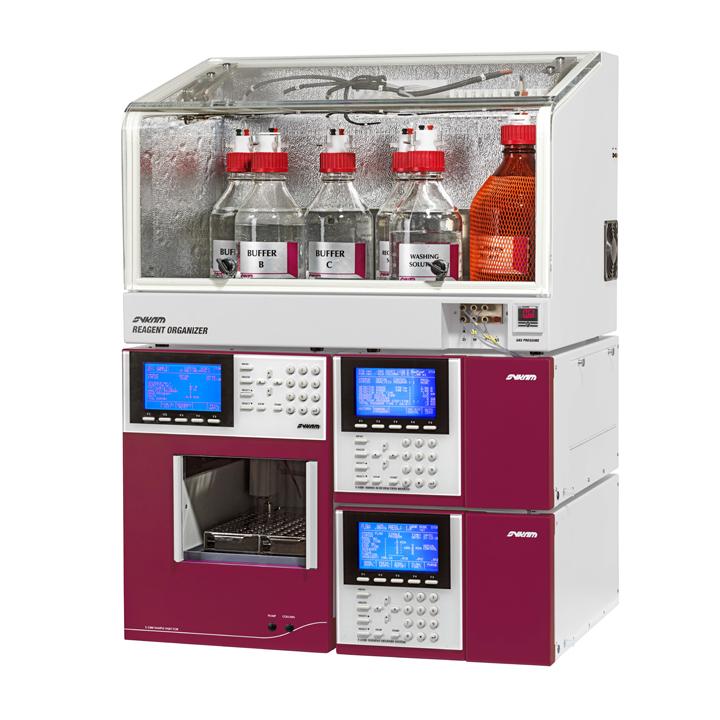
 Analytical Equipment
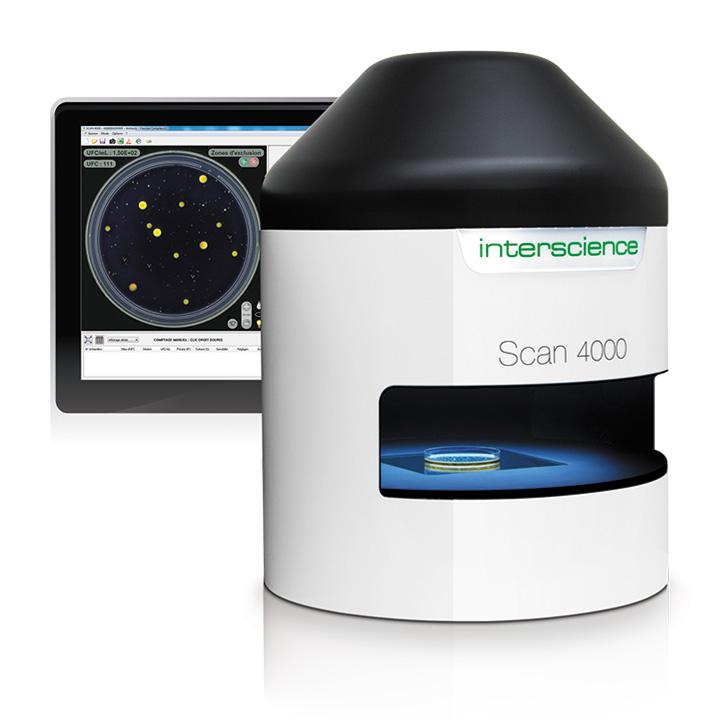 Microbiology Equipment
- Gravimetric Diluters and Sample Weighing Systems
- Mediaprep Automated Media Preparators
- Mediafill Automated Media Distributors
- Manual Media Dispensers
- Lab Blenders / Homogenizers
- Automated Spiral Platers
- Manual Colony Counters
- Automated Colony Counters
- Inhibition Zone Readers
- Automated Incubators and Colony Counters
- Biosafety Cabinets
- Laminar Flow Hoods
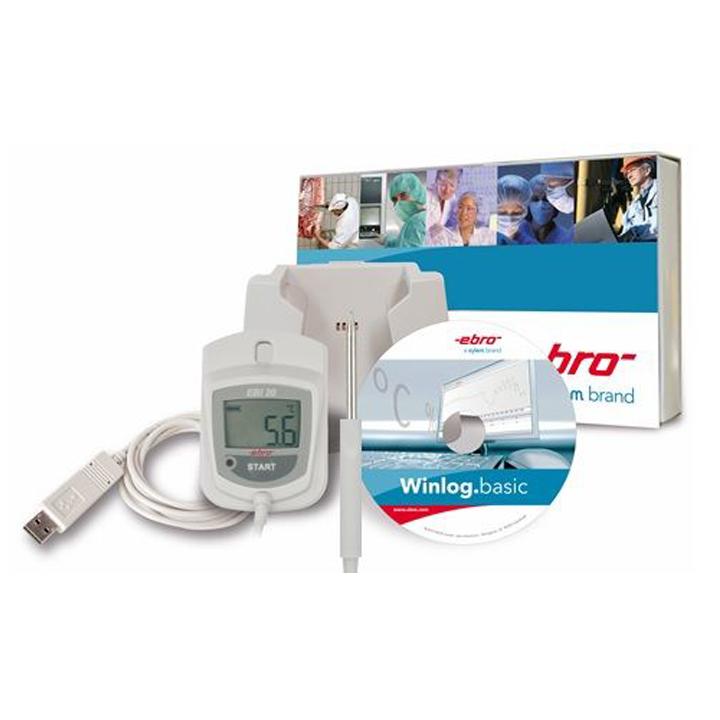 Temperature, Humidity, and Pressure Measuring Instruments
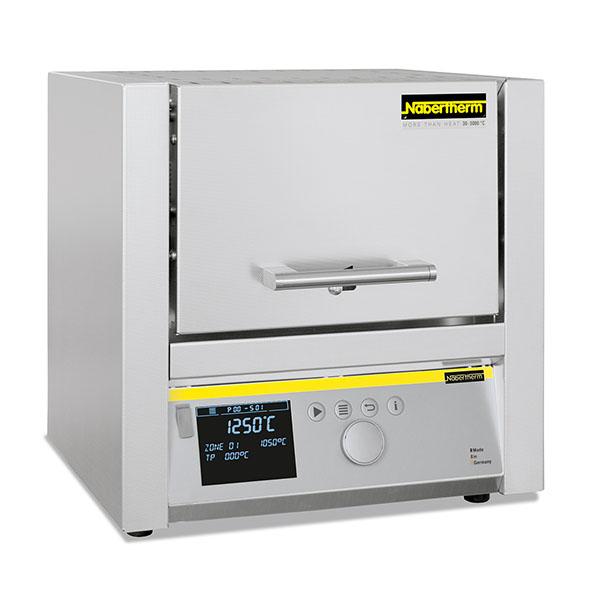 Other Basic Equipment
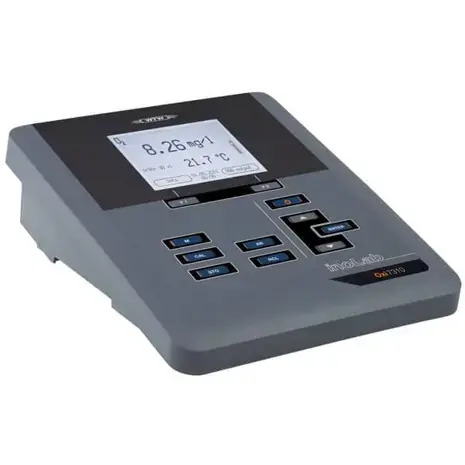 Multiparameter Water Quality Meters
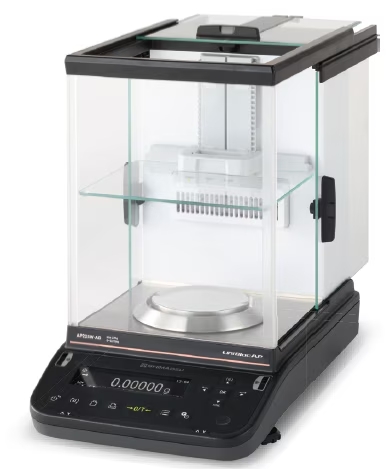 Balances
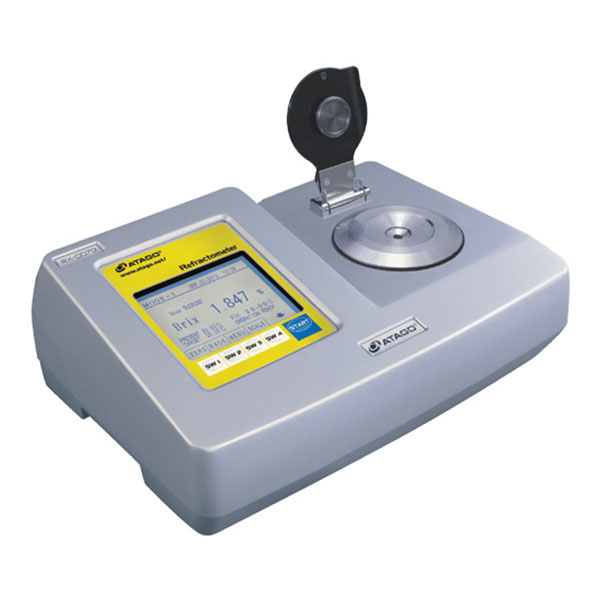 Polarimeters, Refractometers
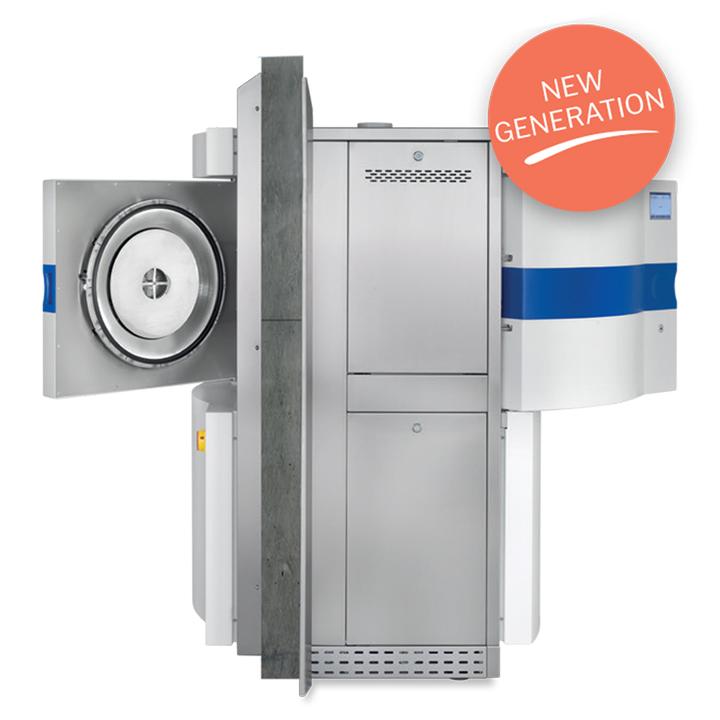 Autoclaves
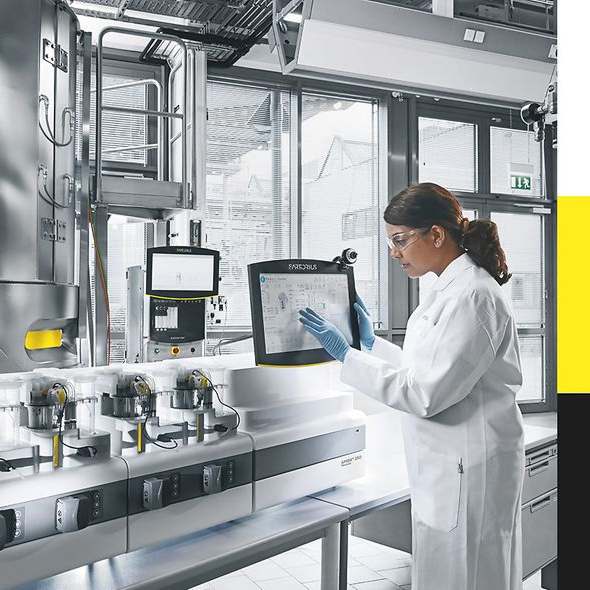 Biotechnology Equipment and Solutions
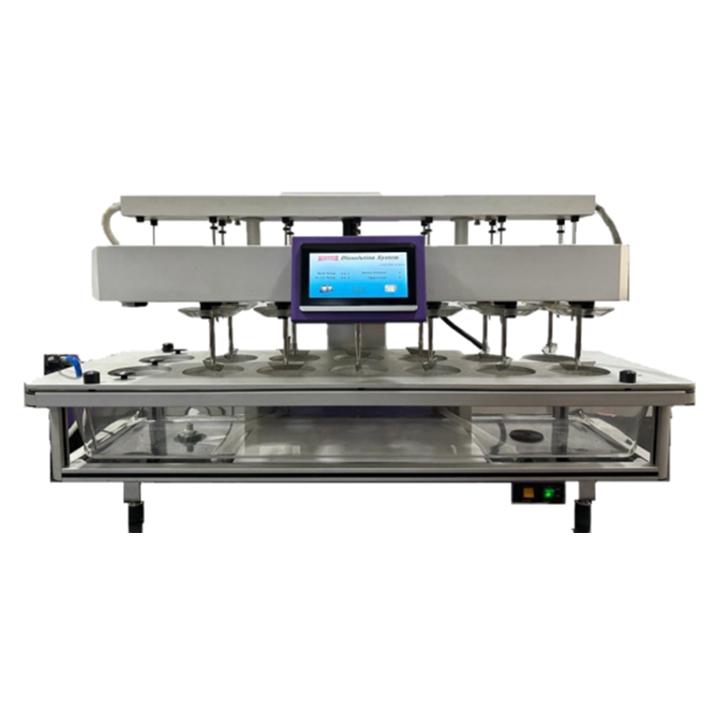 Pharmaceutical Equipment
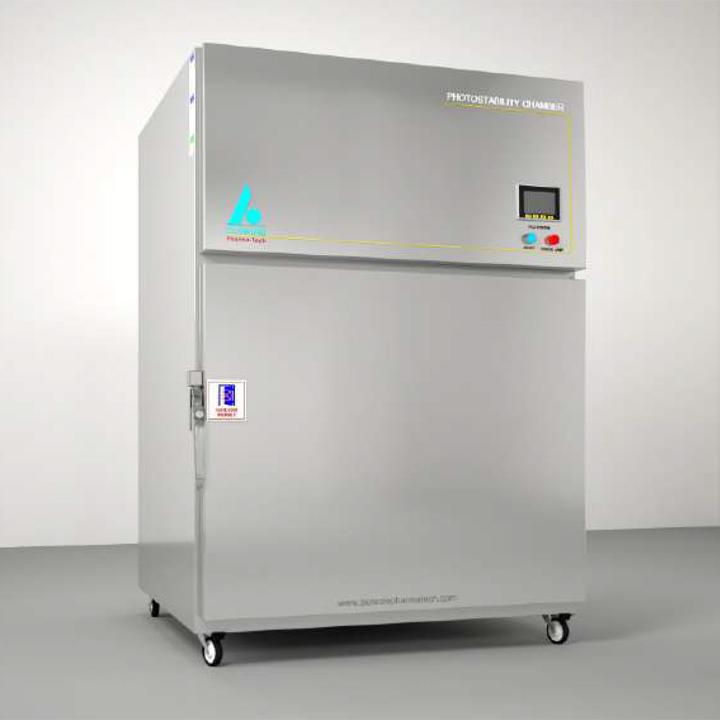 Shelf-life Testing Equipment
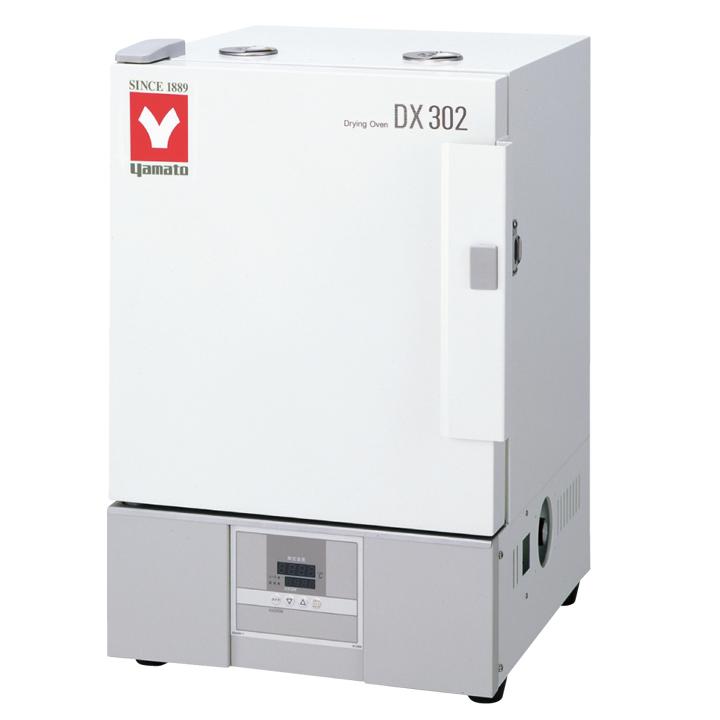
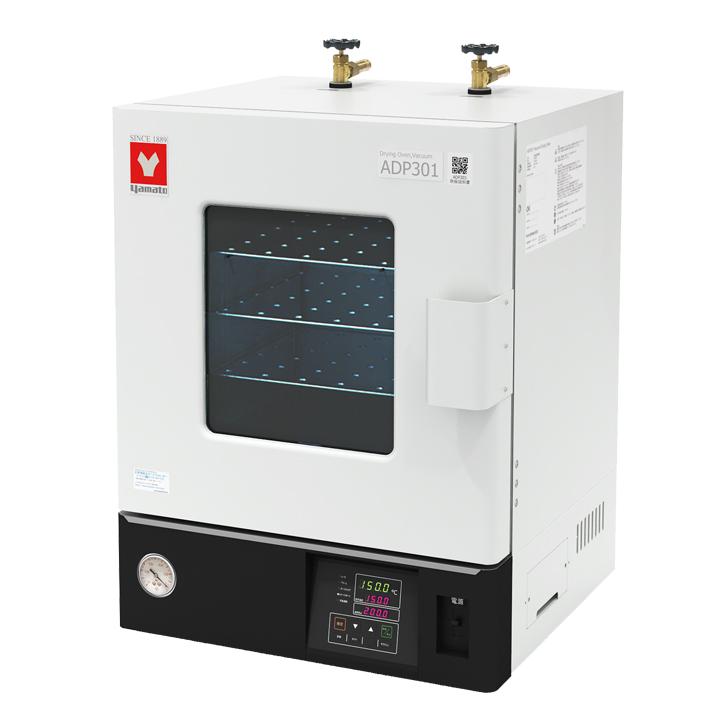 Drying Ovens
 Incubators
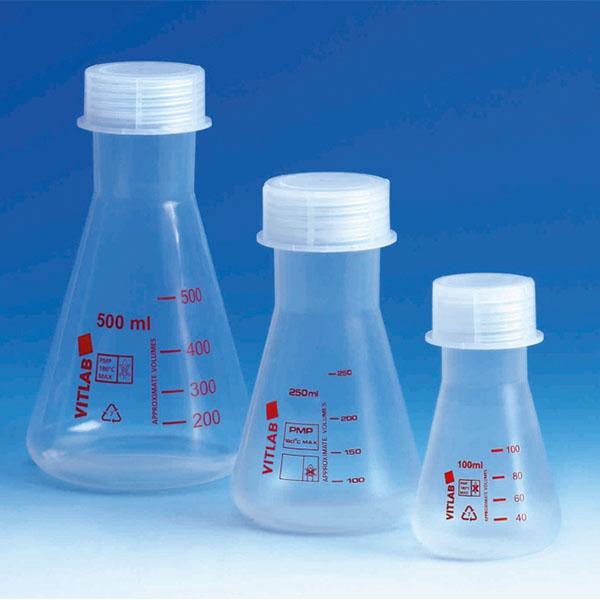 Laboratory Flasks
 Beakers, Measuring Jugs
 Liquid Handling Tools
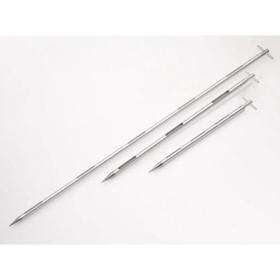 Sampling Tools
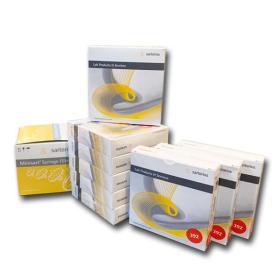 Filtration Tools and Consumables
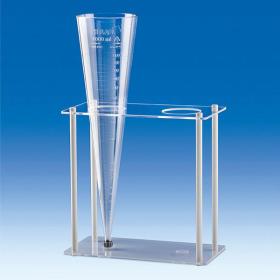 Racks and Stands
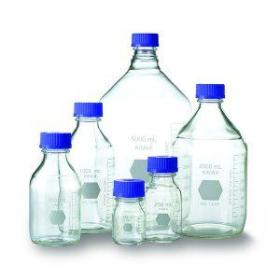 Laboratory Bottles and Vials
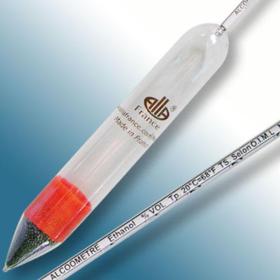 Thermometers, Hydrometers, Baumé Hydrometers, Alcoholmeters
 Pipettes
 Test tubes
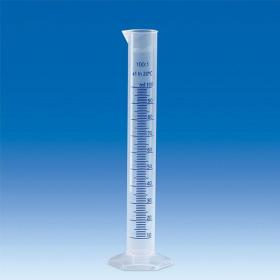 Graduated cylinders
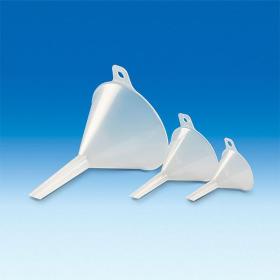 Funnels
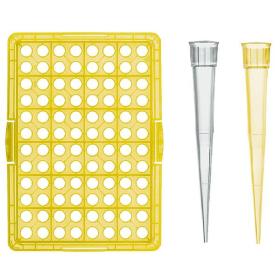 Tips & tip boxes
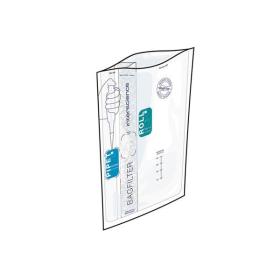 Homogenizer bags
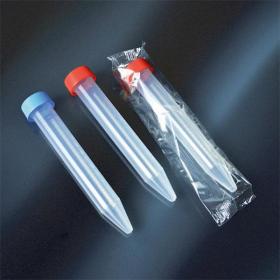 Centrifuge tubes
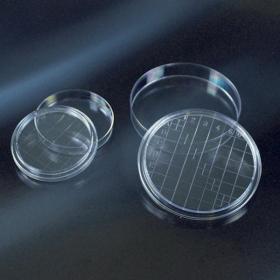 Petri dishes
 Others
- Glass capillary tubes
- Glass melting point tubes
- Condensers
- Plastic weighing boats
- Glass stirring rods
- Filtration and separation equipment
- Alcohol burners
- Glass weighing bottles
- Crucibles
- Crucible tongs
- Blender bag openers
- BagClip sealing clips
- Autoclave deodorant capsules
- Magnetic stir bars
- Test tube brushes
- Glass watch glasses
- Glass beads
- Glass wool
- Glass slides
- Plastic buckets
- Stainless steel bucket
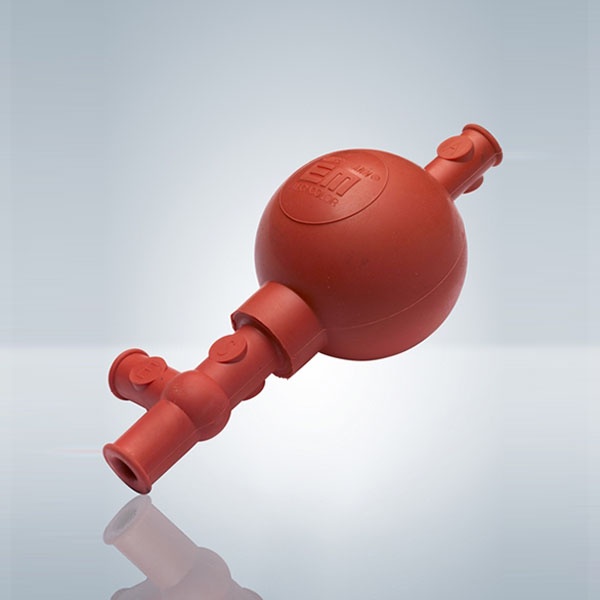
- Rubber bulb
- Inoculation loop
- Sampling rod
- Plastic spoon
- Stainless steel spoon
- Plastic tweezers
- Glass burette
- Glass slide
- Glass filter crucible

Autoclaves
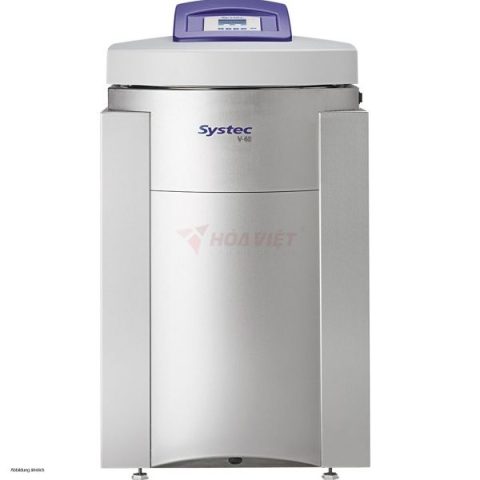
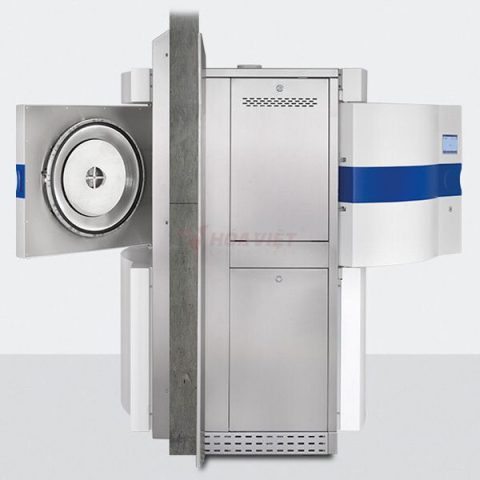
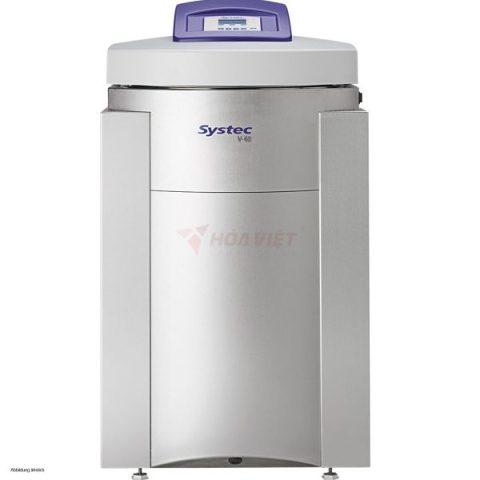
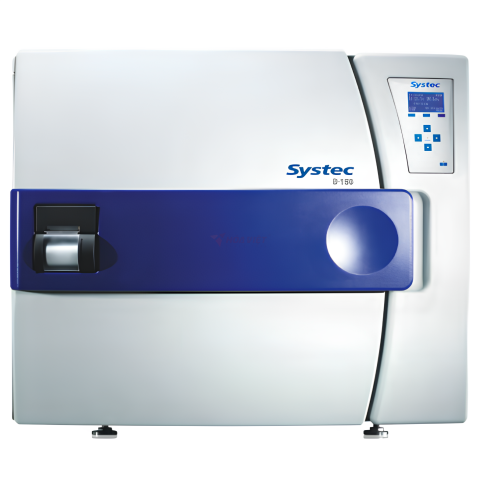
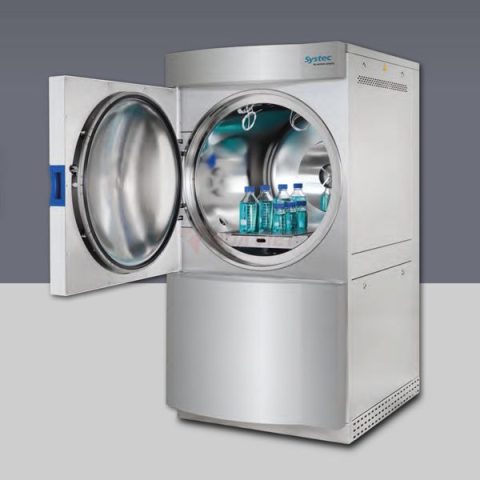
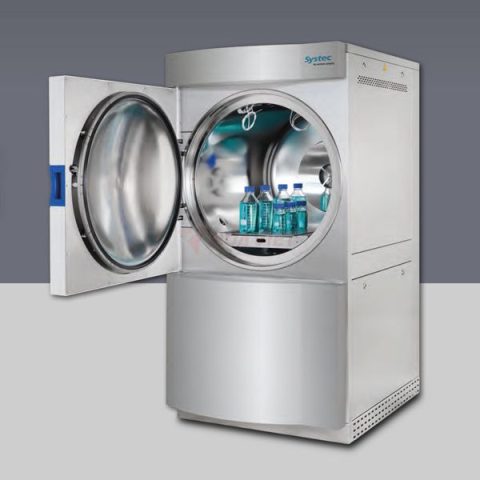
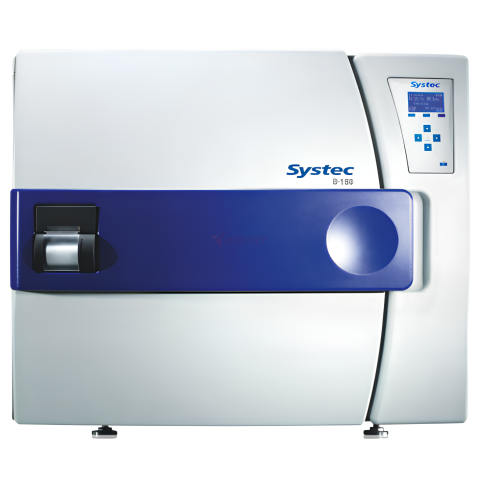
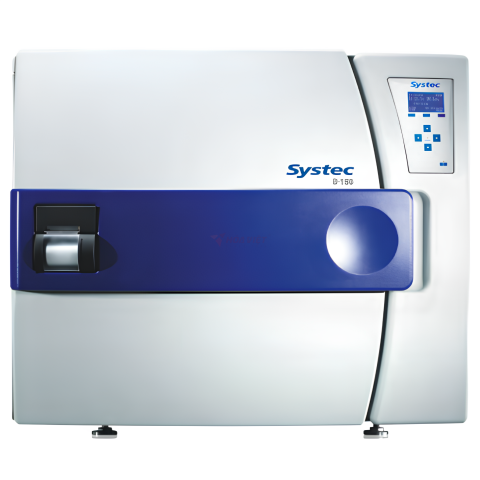
Introduction to Autoclaves
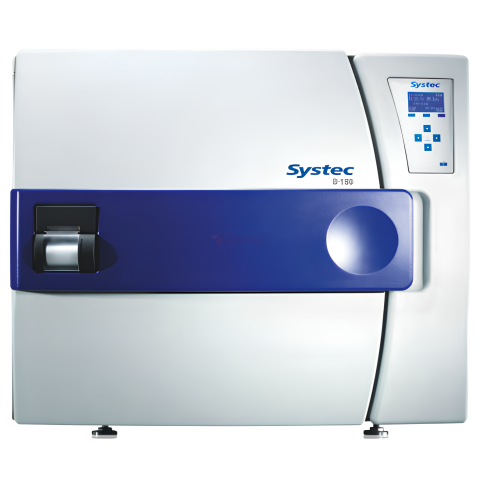
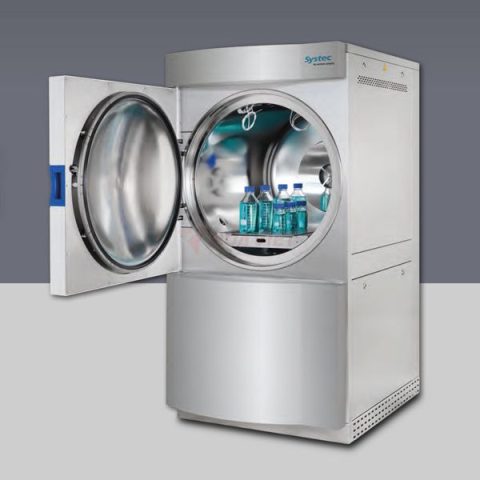
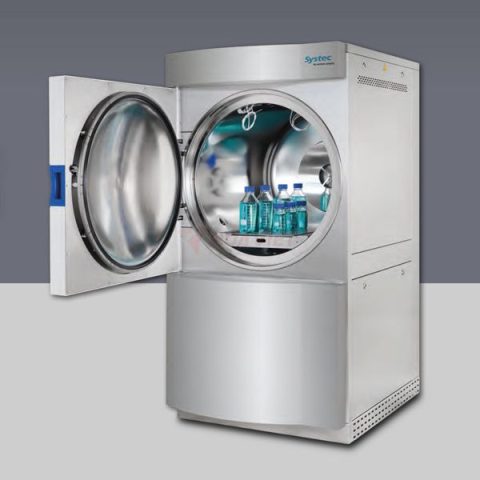
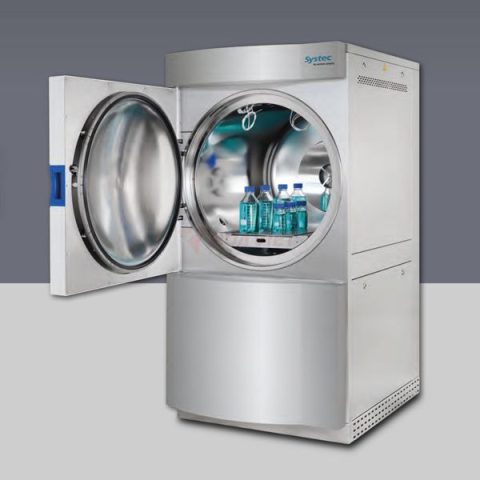
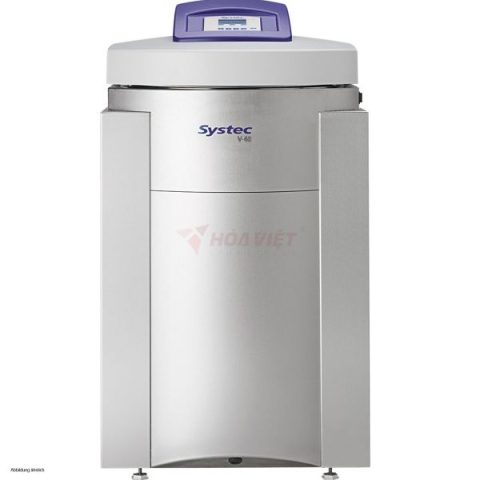
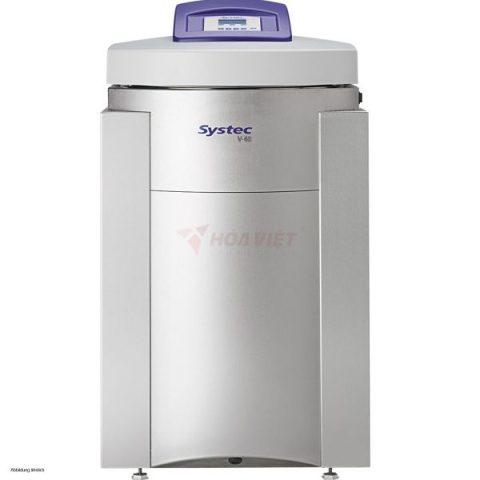
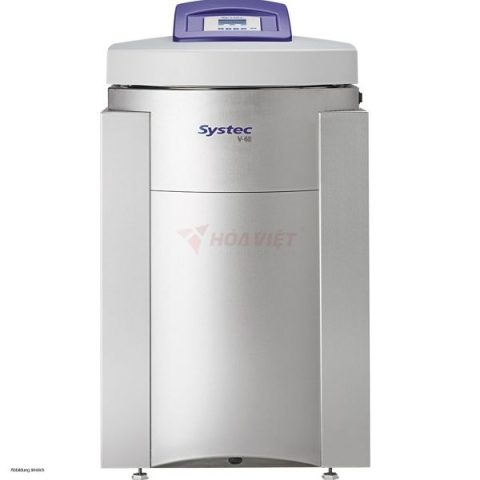
Autoclaves are devices that utilize steam pressure combined with high temperatures to sterilize and disinfect instruments and supplies in microbiology, pharmaceutical, or scientific research laboratories. The equipment plays a crucial role in eliminating microorganisms, ensuring sterile working conditions for testing procedures.
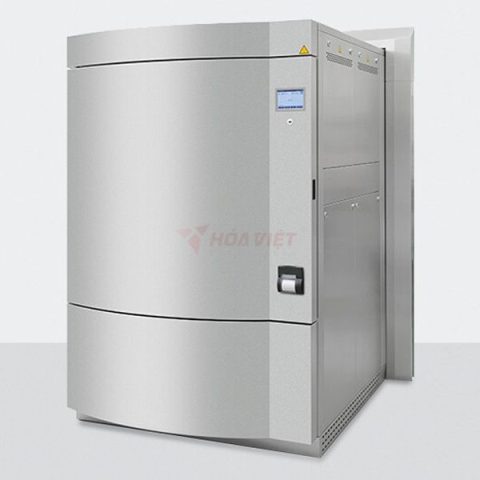
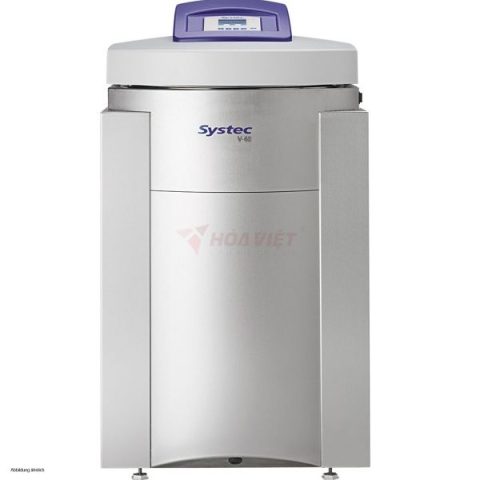
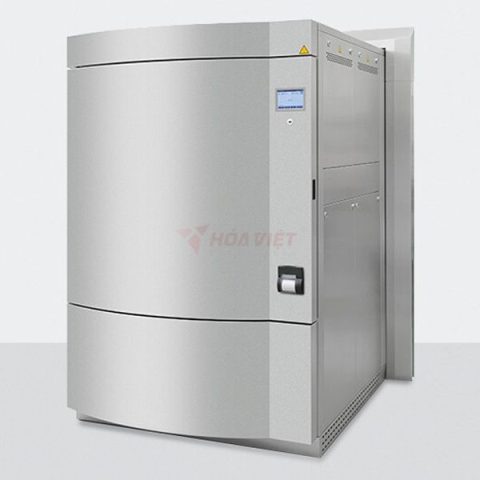
Depending on usage requirements and installation space, users can choose configurations such as top-loading vertical, front-loading horizontal, benchtop autoclaves, retort sterilizers, or double-door autoclaves to prevent cross-contamination. Chamber capacities are also diverse, ranging from 45L models for routine research to large 350L or 848L systems for high operating frequencies. At Hoa Viet, this category features brands including Systec from Germany, ALP from Japan, and Sturdy from Taiwan with various configuration options such as a 7-inch HMI touchscreen. Customers can contact Hoa Viet for detailed technical advice.
In which applications are double-door autoclaves typically used?
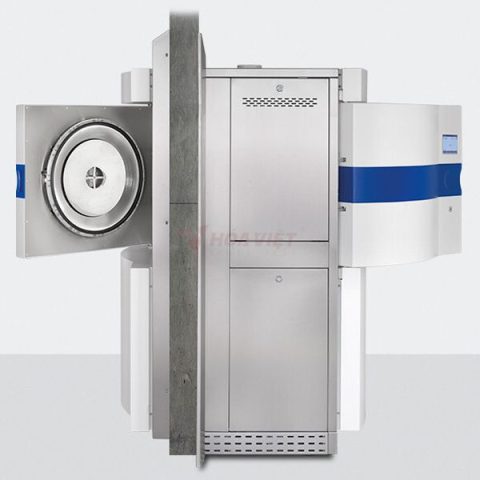
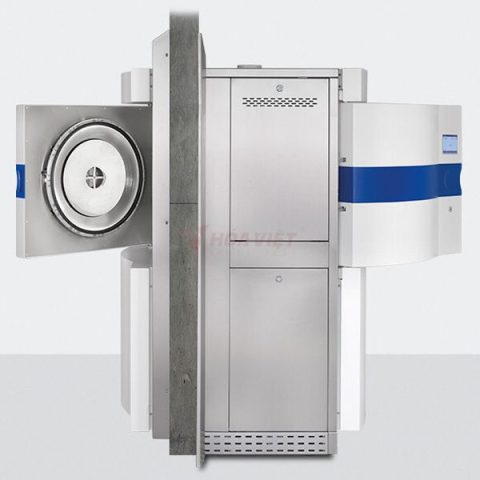
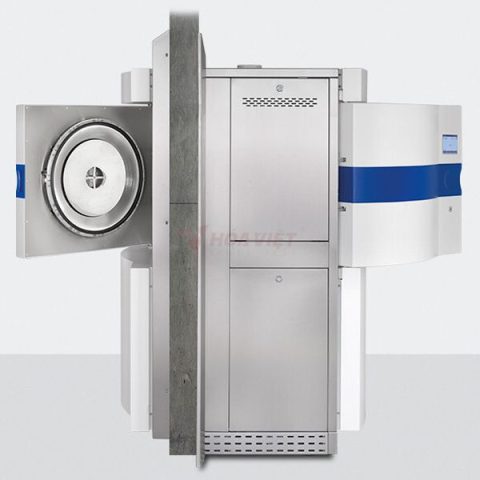
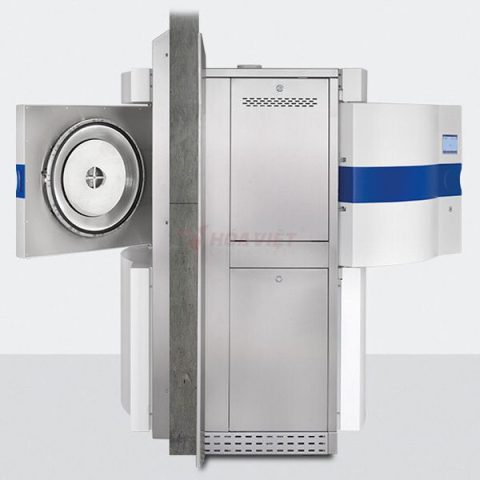
Double-door autoclaves are typically installed through a partition wall between two separate areas. This design provides one-way control over material flow and minimizes the risk of cross-contamination between cleanrooms and external areas.
Which autoclave brands does Hoa Viet currently distribute?
Hoa Viet supplies autoclave product lines from three manufacturers: Systec (Germany), ALP (Japan), and Sturdy (Taiwan). The product portfolio includes top-loading, front-loading, benchtop, pass-through, and retort autoclaves.
What are the distinguishing features of retort autoclaves?
Retort autoclaves, such as models from ALP, are specifically designed to sterilize food packaging, pouches, or pressure-sensitive liquid samples. The unit enables pressure and temperature control throughout the cycle to prevent deformation or rupture of sample packaging.
How to select the right autoclave capacity for a laboratory?
Users should consider instrument dimensions and sample volume per batch to choose the appropriate capacity, such as model 45L for small scales or 350L and 848L for high throughput. Customers can submit an inquiry to Hoa Viet for consultation on optimal equipment for their lab space.
