


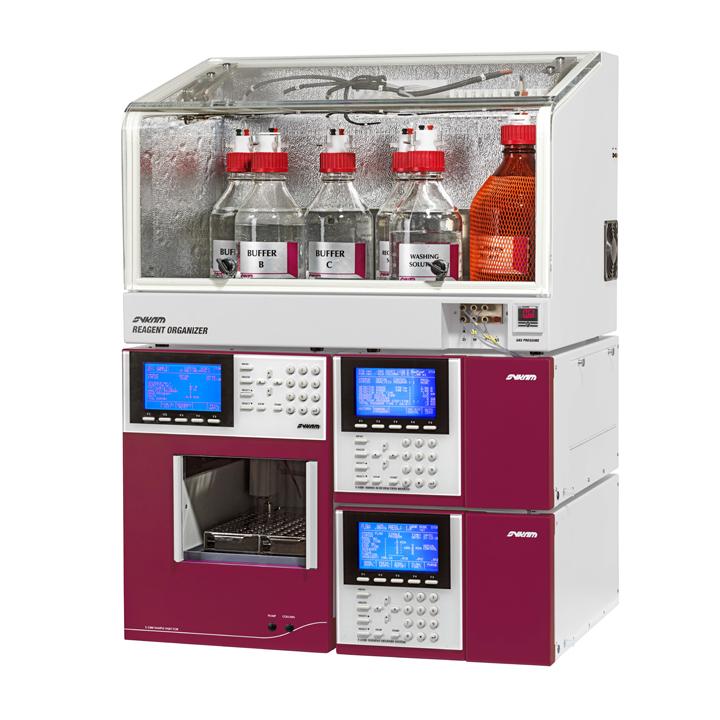
 Analytical Equipment
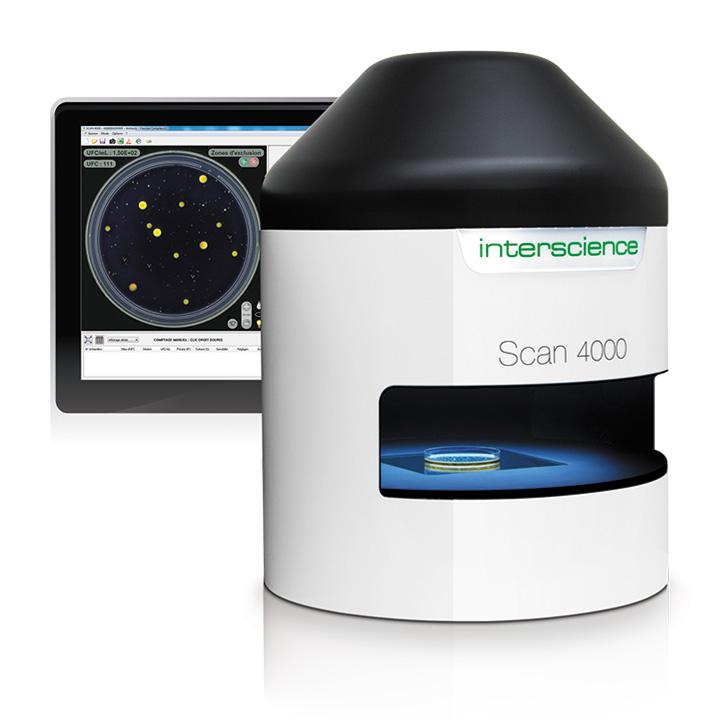 Microbiology Equipment
- Gravimetric Diluters and Sample Weighing Systems
- Mediaprep Automated Media Preparators
- Mediafill Automated Media Distributors
- Manual Media Dispensers
- Lab Blenders / Homogenizers
- Automated Spiral Platers
- Manual Colony Counters
- Automated Colony Counters
- Inhibition Zone Readers
- Automated Incubators and Colony Counters
- Biosafety Cabinets
- Laminar Flow Hoods
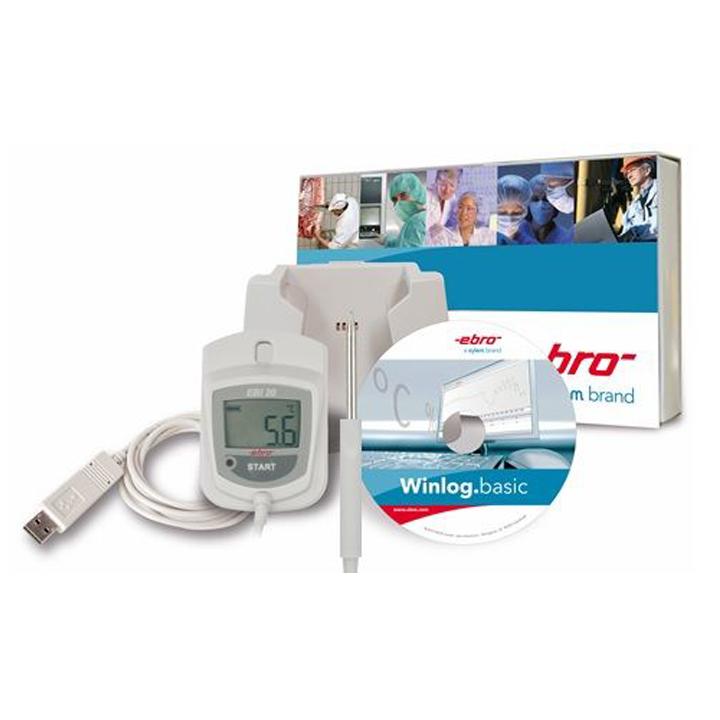 Temperature, Humidity, and Pressure Measuring Instruments
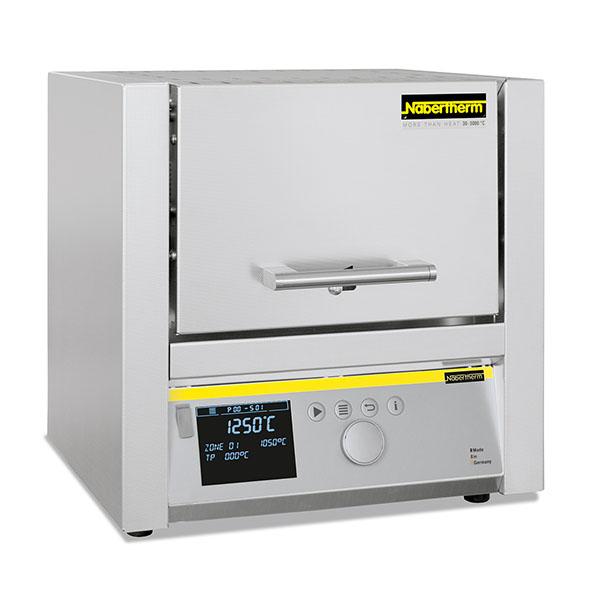 Other Basic Equipment
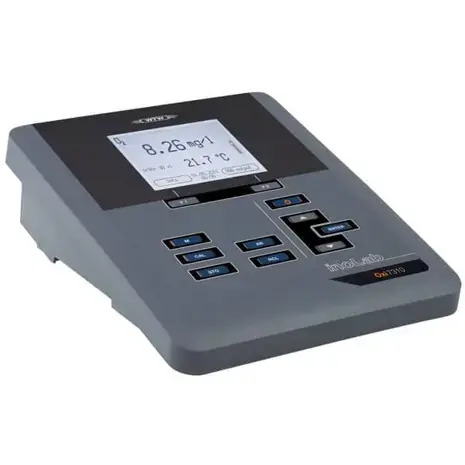 Multiparameter Water Quality Meters
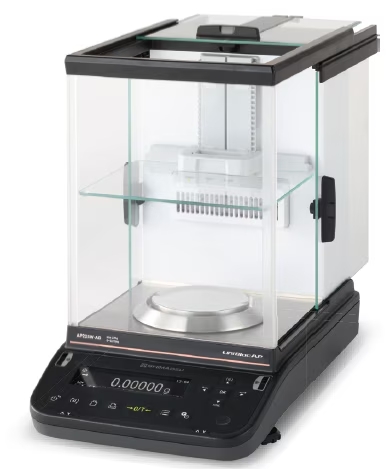 Balances
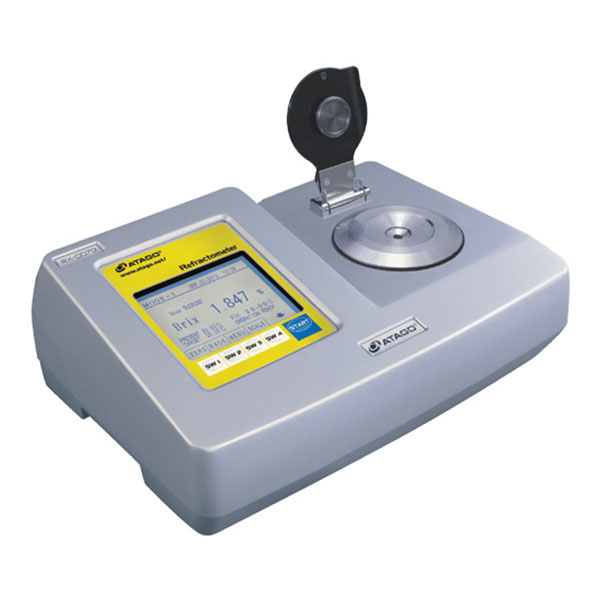 Polarimeters, Refractometers
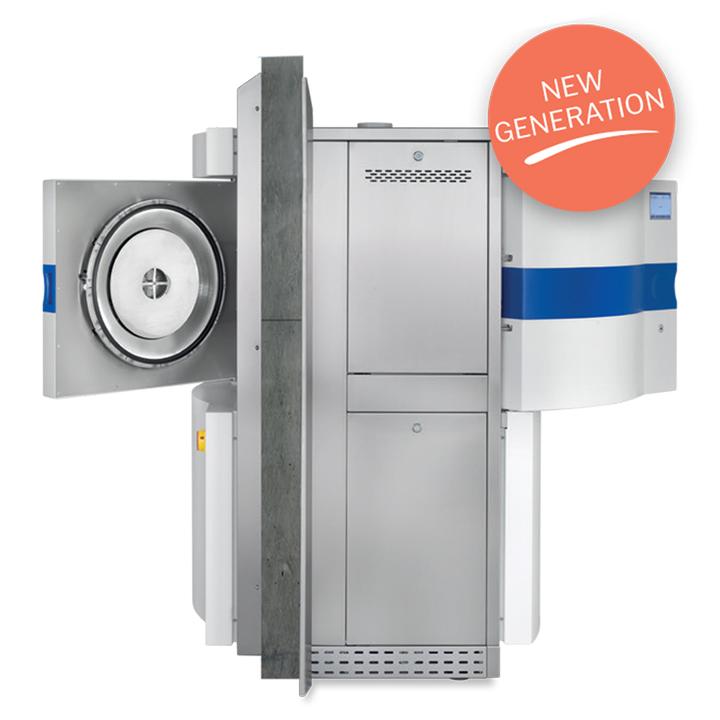 Autoclaves
 Biotechnology Equipment and Solutions
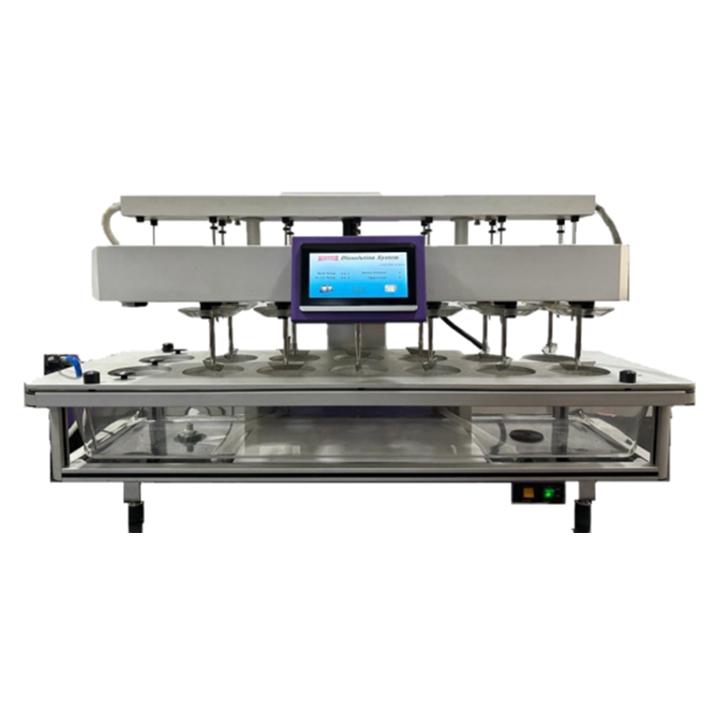 Pharmaceutical Equipment
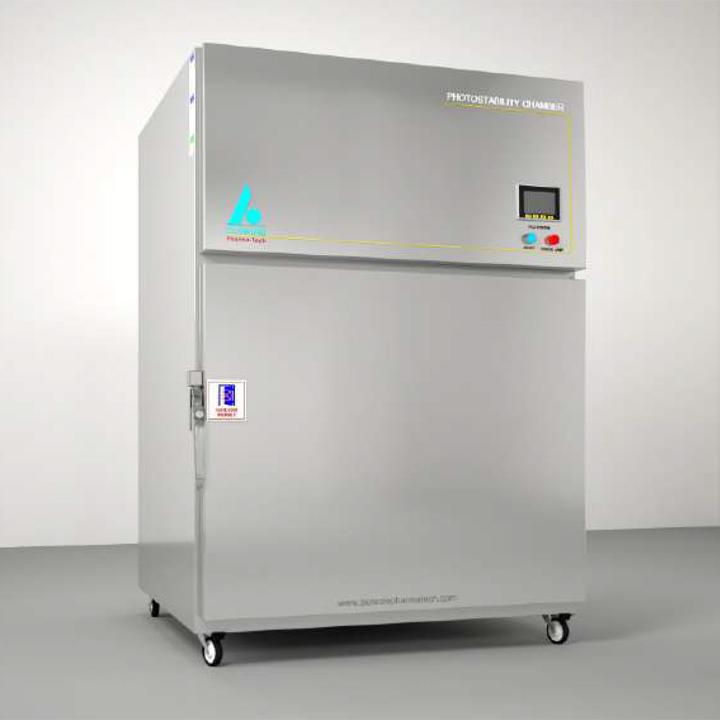 Shelf-life Testing Equipment
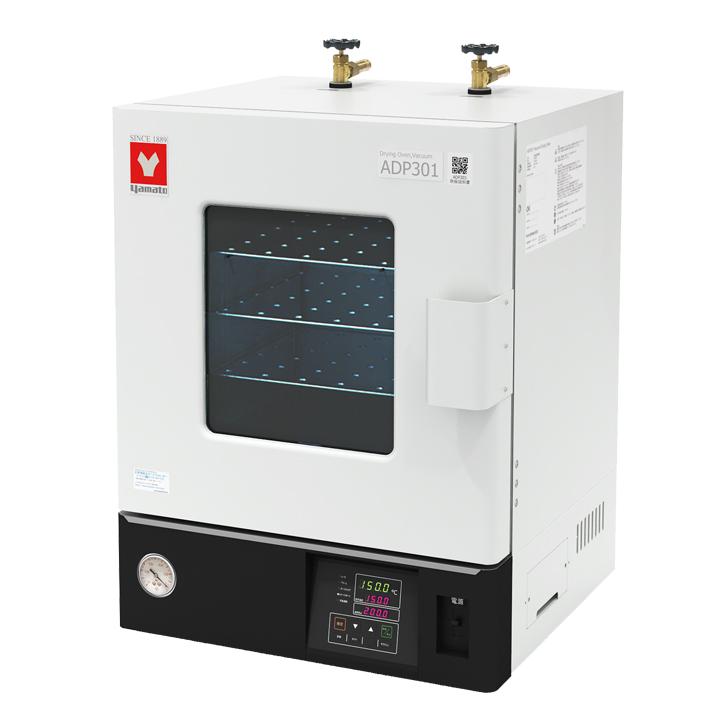 Drying Ovens
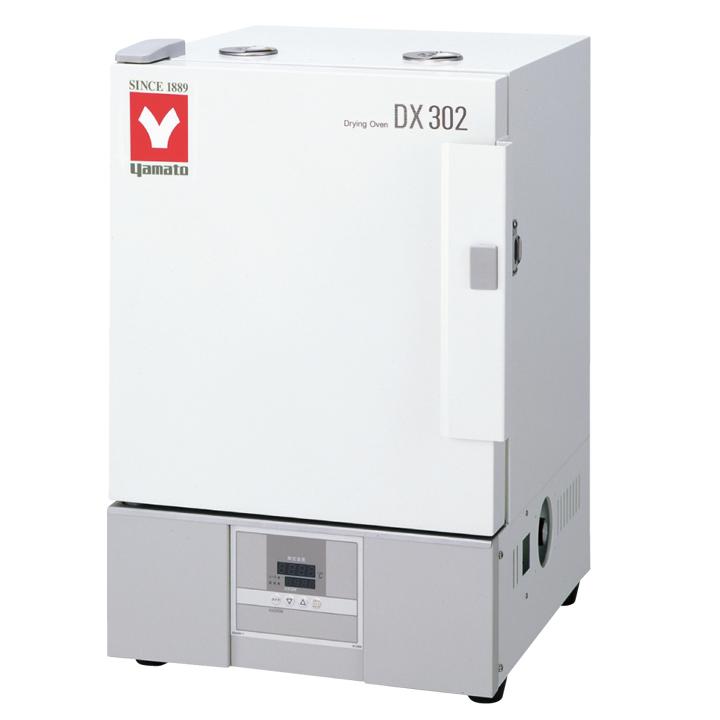 Incubators
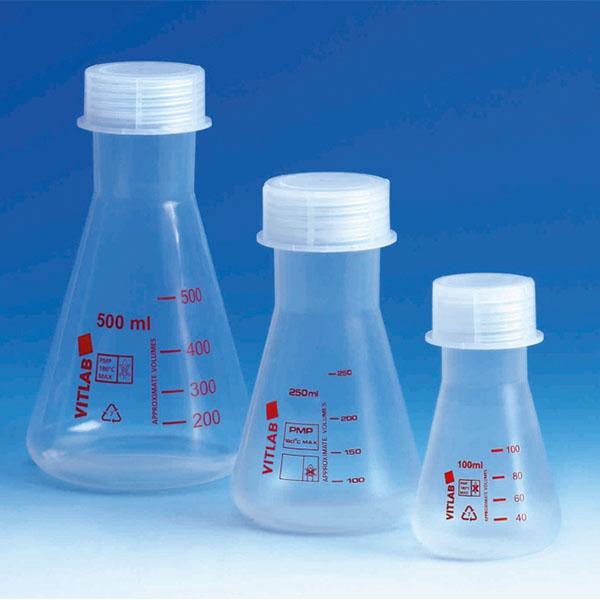 Laboratory Flasks
 Beakers, Measuring Jugs
 Liquid Handling Tools
 Sampling Tools
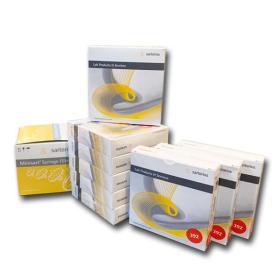 Filtration Tools and Consumables
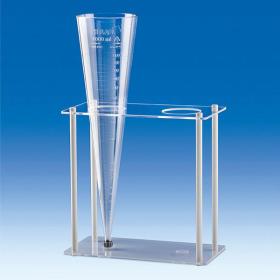 Racks and Stands
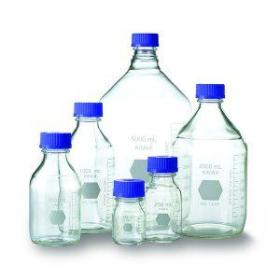 Laboratory Bottles and Vials
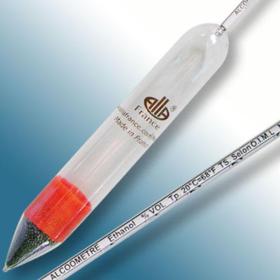 Thermometers, Hydrometers, Baumé Hydrometers, Alcoholmeters
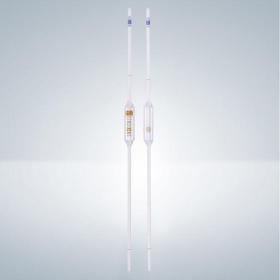 Pipettes
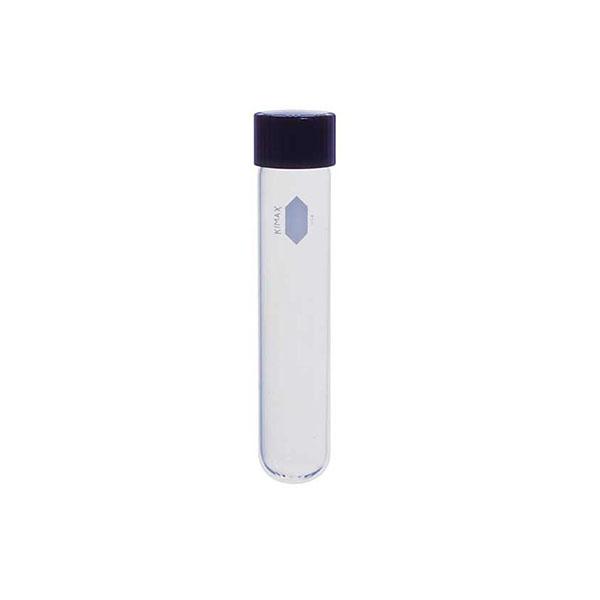 Test tubes
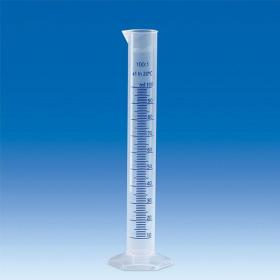 Graduated cylinders
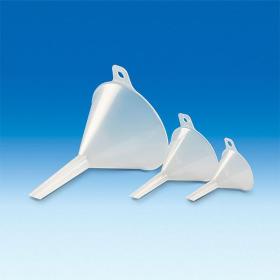 Funnels
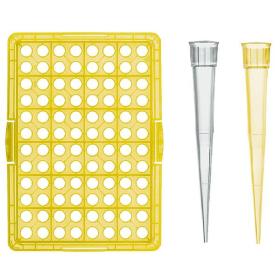 Tips & tip boxes
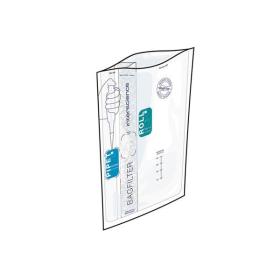 Homogenizer bags
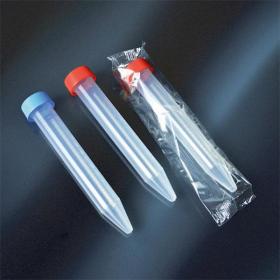 Centrifuge tubes
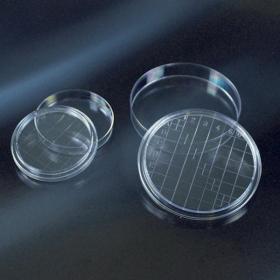 Petri dishes
 Others
- Glass capillary tubes
- Glass melting point tubes
- Condensers
- Plastic weighing boats
- Glass stirring rods
- Filtration and separation equipment
- Alcohol burners
- Glass weighing bottles
- Crucibles
- Crucible tongs
- Blender bag openers
- BagClip sealing clips
- Autoclave deodorant capsules
- Magnetic stir bars
- Test tube brushes
- Glass watch glasses
- Glass beads
- Glass wool
- Glass slides
- Plastic buckets
- Stainless steel bucket
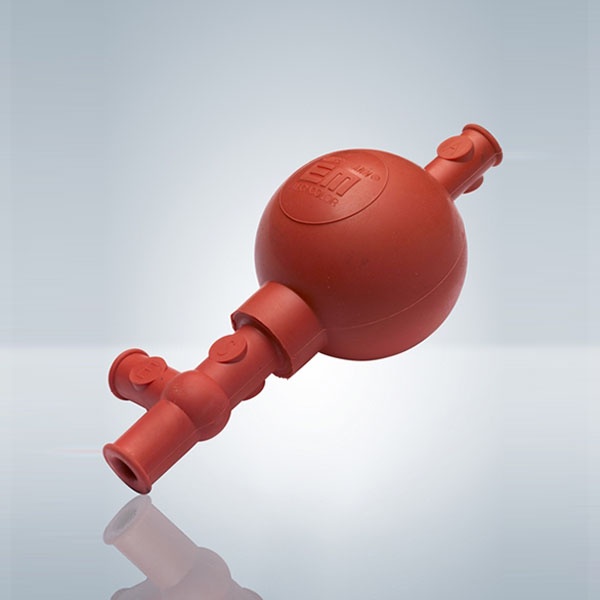
- Rubber bulb
- Inoculation loop
- Sampling rod
- Plastic spoon
- Stainless steel spoon
- Plastic tweezers
- Glass burette
- Glass slide
- Glass filter crucible
DO meters
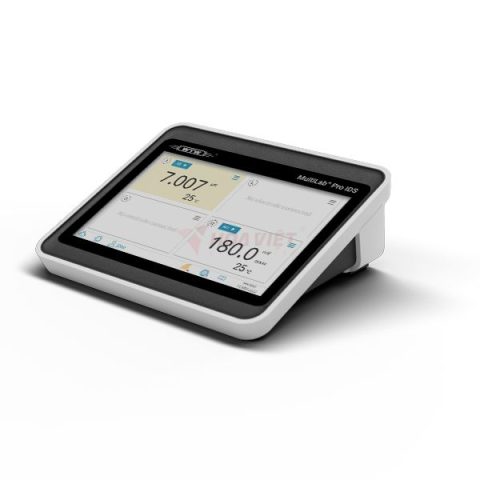
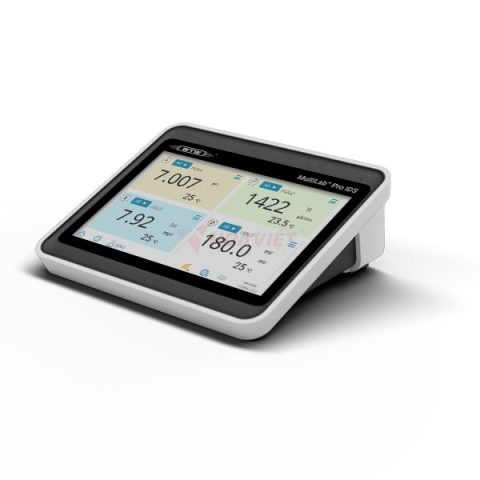
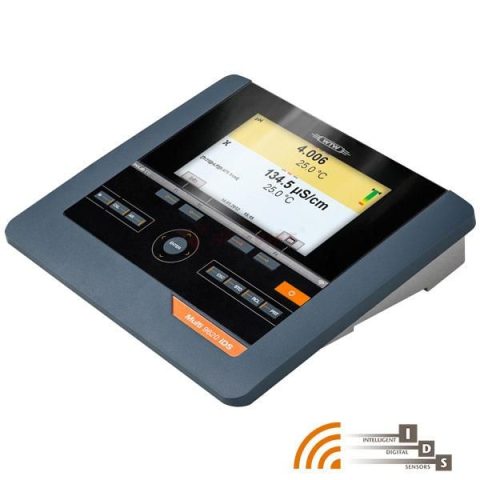
Introduction to DO Meters
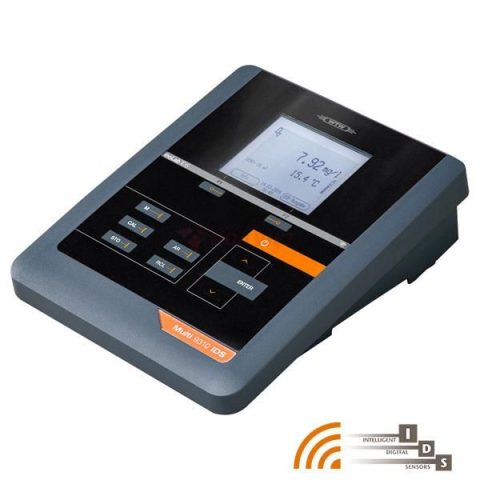
A DO meter is a laboratory analytical instrument used to determine the concentration of dissolved oxygen in water and liquid solutions. This instrument plays an essential role in water quality monitoring, biotechnology research, environmental testing, and wastewater treatment facility operations.
When selecting a DO meter, users should consider the appropriate number of measuring channels for their needs, from basic single-channel models to dual-channel models with galvanically isolated inputs to prevent cross-interference during simultaneous measurements. In addition, multi-parameter integration for pH, ORP, conductivity, and turbidity, as well as the application of IDS digital sensor technology, are important criteria to ensure data accuracy. Currently, Hoa Viet distributes genuine benchtop DO meters from WTW (Germany), meeting stringent laboratory analytical standards.
Which brands of DO meters does Hoa Viet supply?
Hoa Viet currently distributes genuine digital DO meters from WTW - Germany, including benchtop models in the inoLab and MultiLab series.
Should you choose a single-channel or dual-independent-channel DO meter?
A single-channel meter is suitable for sequential, individual parameter analysis at a cost-effective investment. Meanwhile, a dual-channel meter with galvanically isolated channels allows simultaneous connection and reading of two sensors without concern for signal interference between electrodes.
What are the advantages of IDS digital sensor technology in DO meters?
IDS digital sensor technology converts measurement signals into digital format right at the sensor head before transmission to the meter, completely eliminating signal loss and noise along the cable. Additionally, IDS sensors can store calibration data and sensor identification information directly in the probe head.
What other parameters can a benchtop DO meter measure in an integrated system?
Depending on the equipment model, multi-parameter meters can support additional measurements for pH, ORP, mV, conductivity, and turbidity when paired with corresponding sensors. Please contact Hoa Viet for consultation on the appropriate electrode configuration for your testing requirements.
