



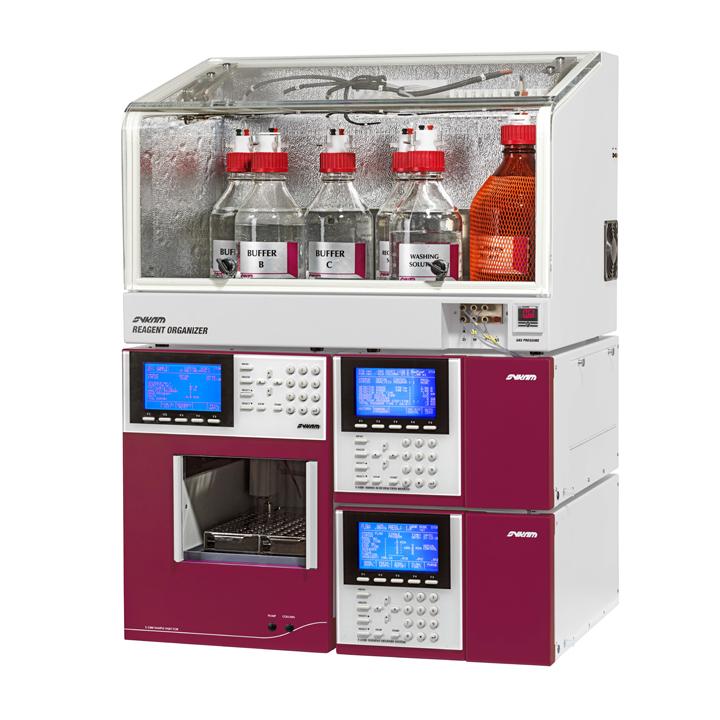
 Analytical Equipment
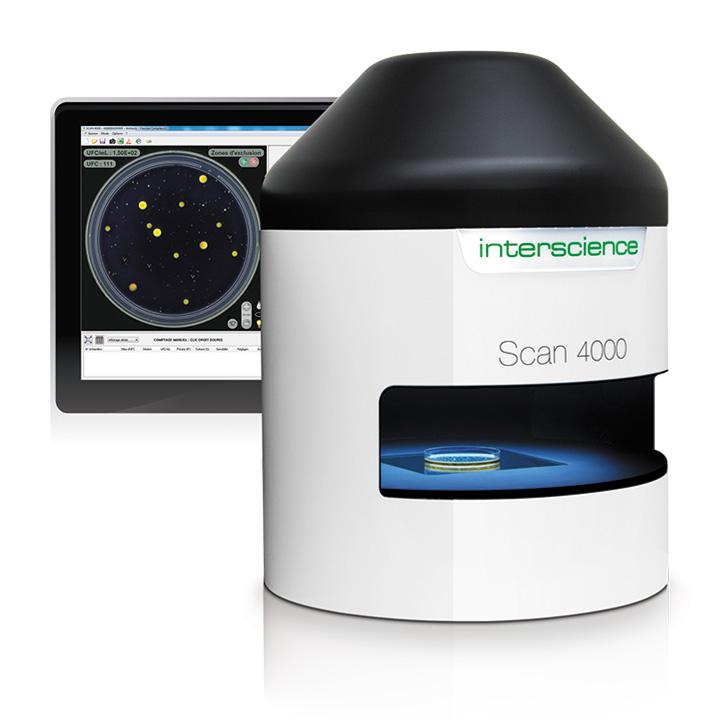 Microbiology Equipment
- Gravimetric Diluters and Sample Weighing Systems
- Mediaprep Automated Media Preparators
- Mediafill Automated Media Distributors
- Manual Media Dispensers
- Lab Blenders / Homogenizers
- Automated Spiral Platers
- Manual Colony Counters
- Automated Colony Counters
- Inhibition Zone Readers
- Automated Incubators and Colony Counters
- Biosafety Cabinets
- Laminar Flow Hoods
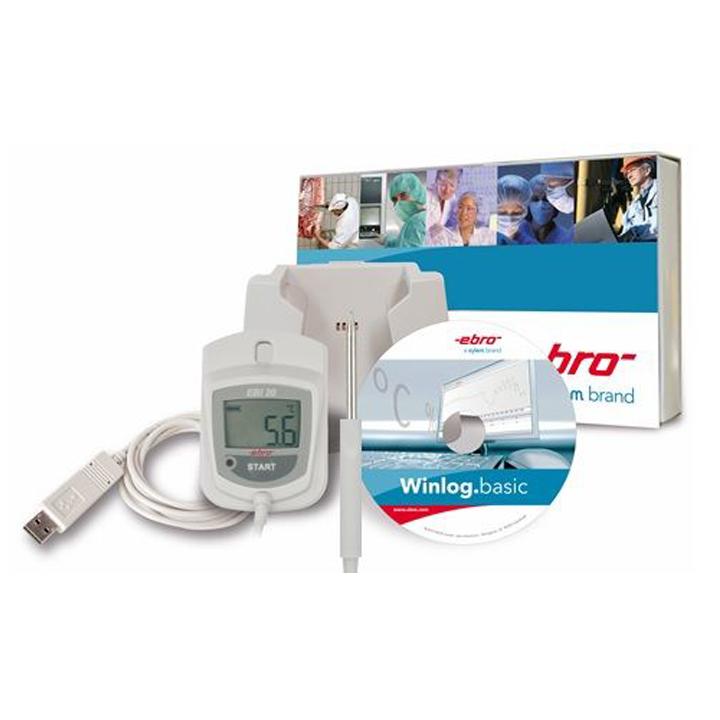 Temperature, Humidity, and Pressure Measuring Instruments
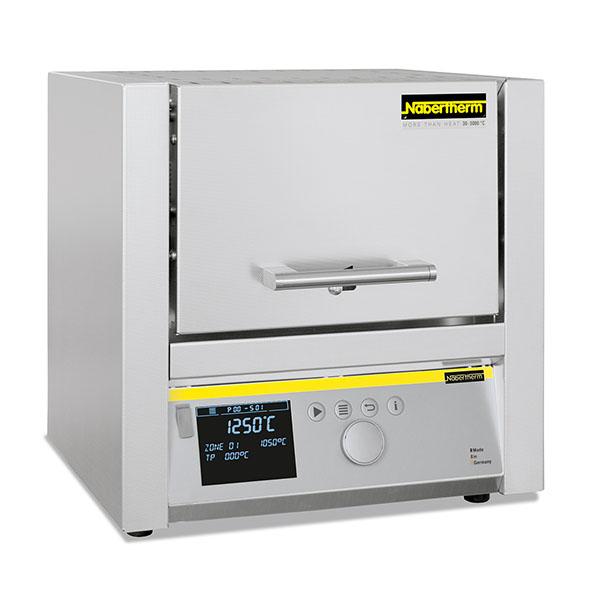 Other Basic Equipment
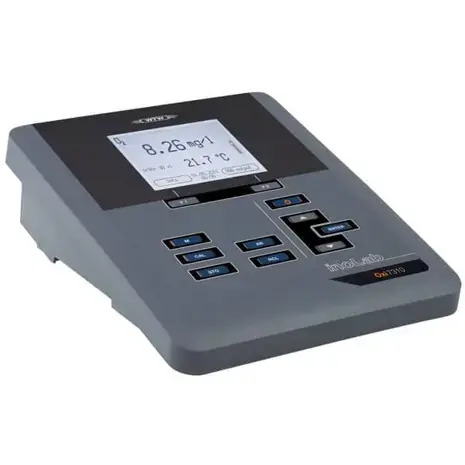 Multiparameter Water Quality Meters
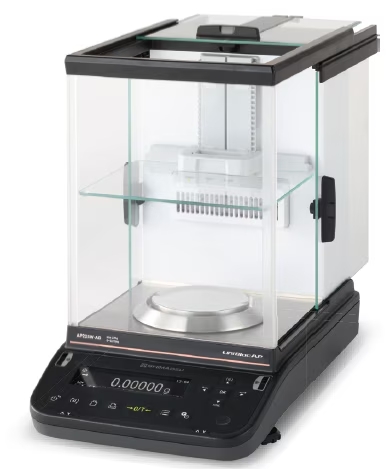 Balances
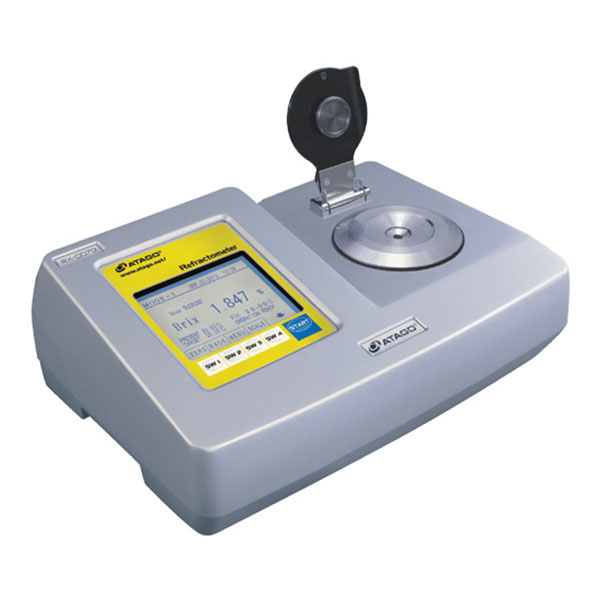 Polarimeters, Refractometers
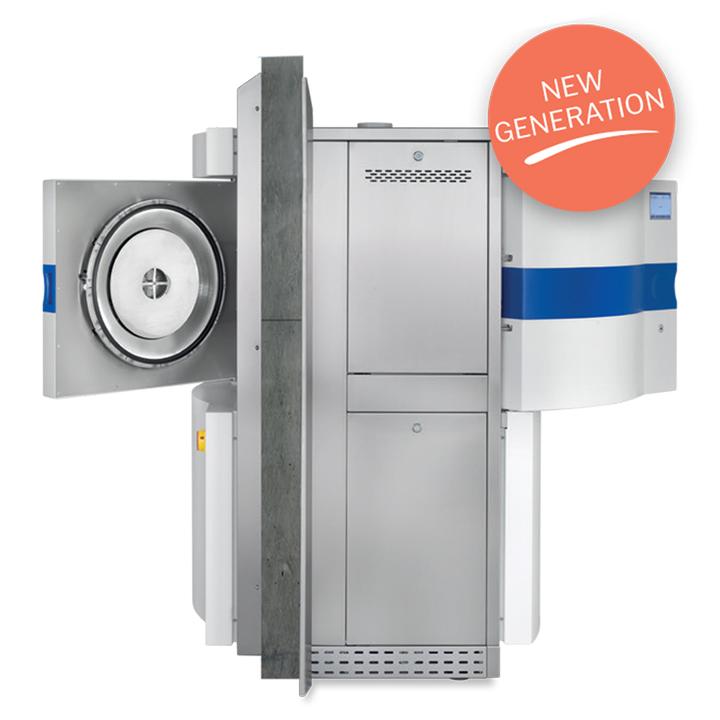 Autoclaves
 Biotechnology Equipment and Solutions
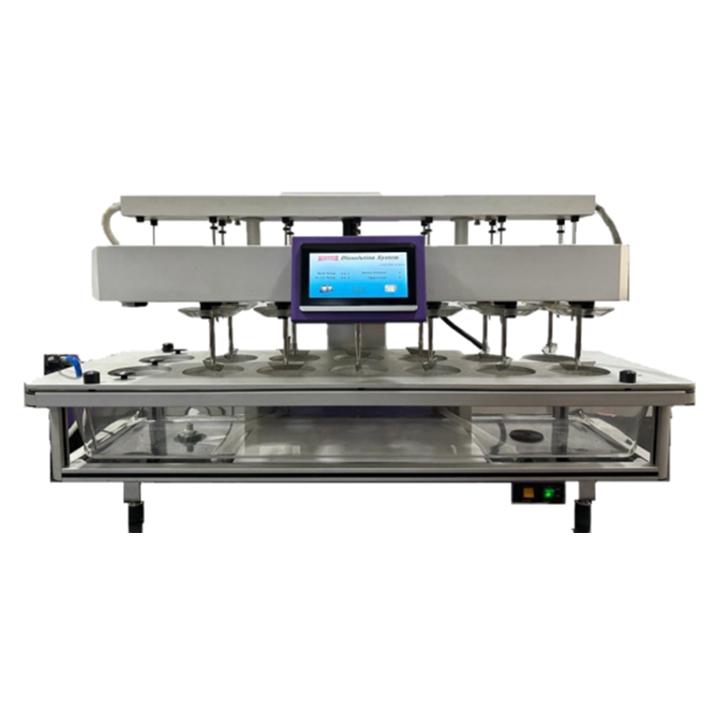 Pharmaceutical Equipment
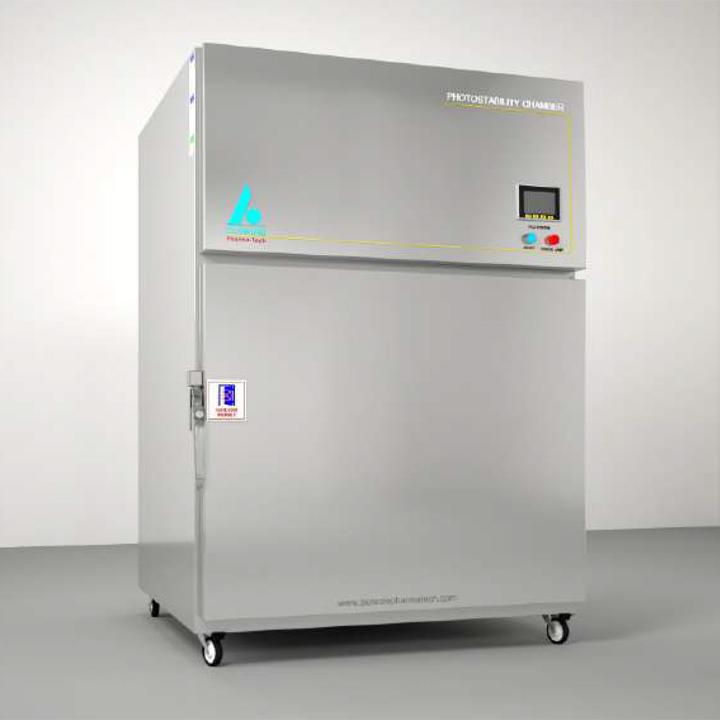 Shelf-life Testing Equipment
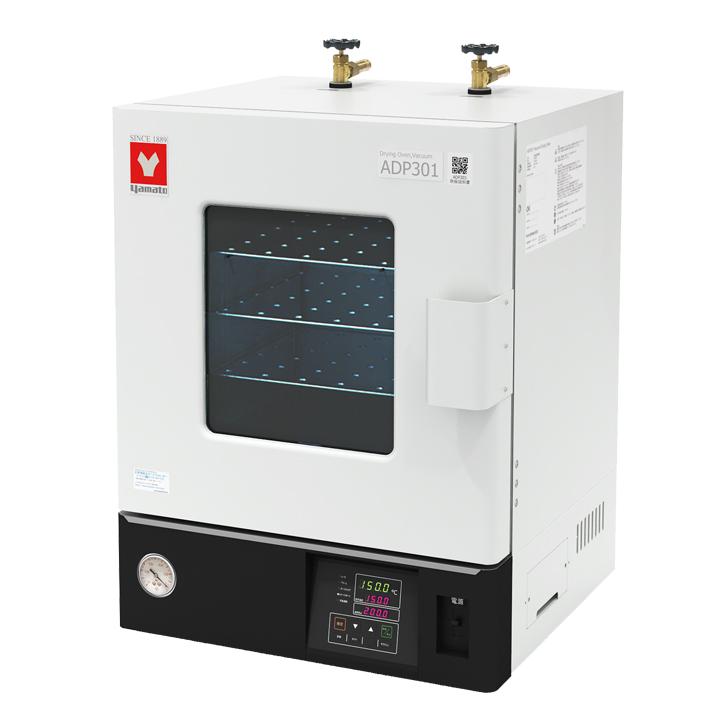 Drying Ovens
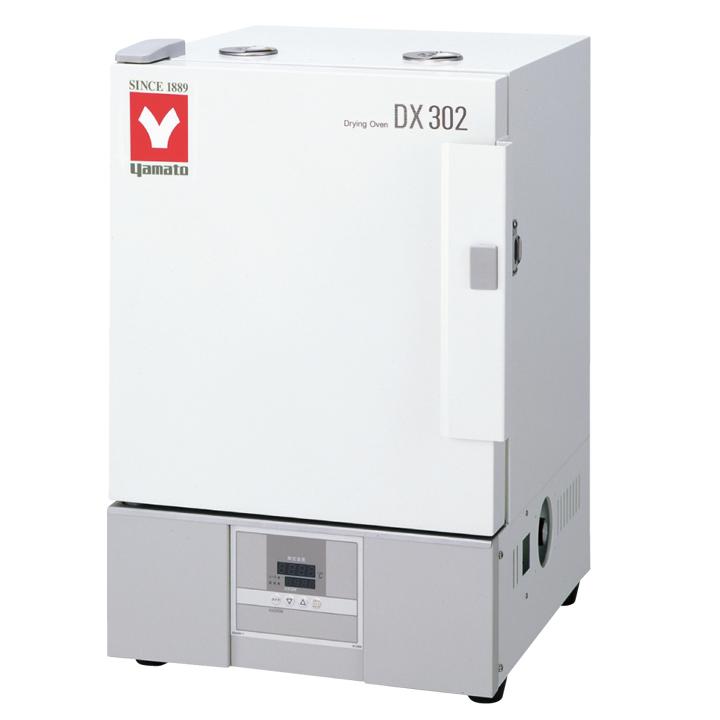 Incubators
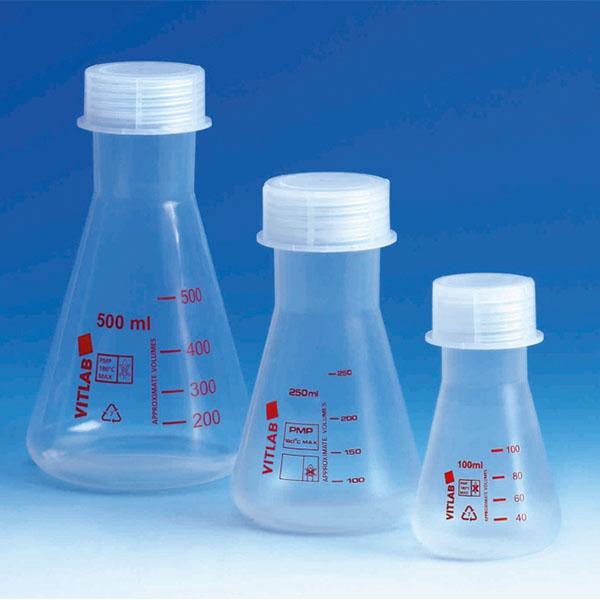 Laboratory Flasks
 Beakers, Measuring Jugs
 Liquid Handling Tools
 Sampling Tools
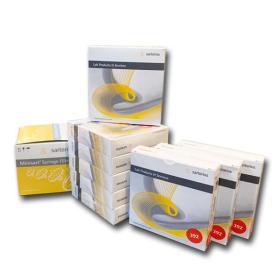 Filtration Tools and Consumables
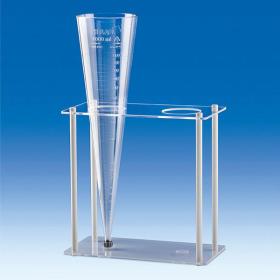 Racks and Stands
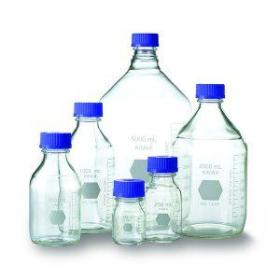 Laboratory Bottles and Vials
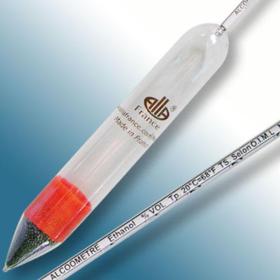 Thermometers, Hydrometers, Baumé Hydrometers, Alcoholmeters
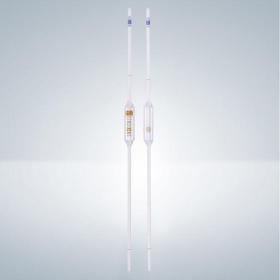 Pipettes
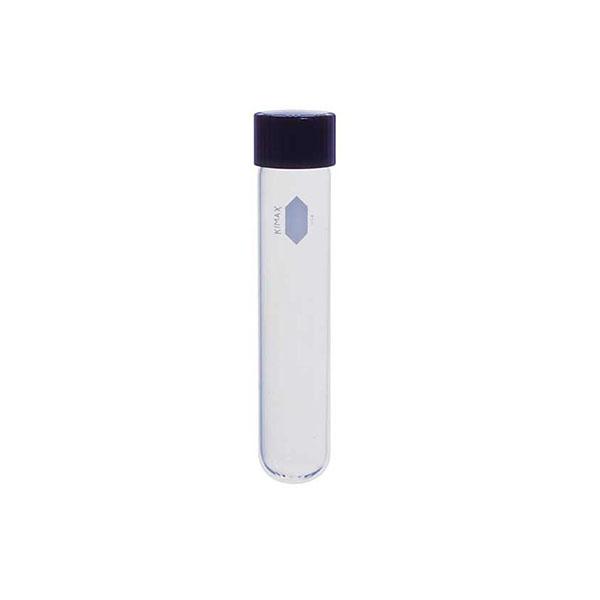 Test tubes
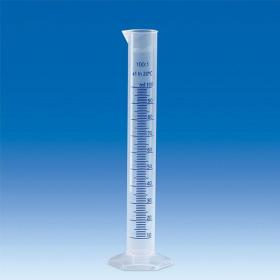 Graduated cylinders
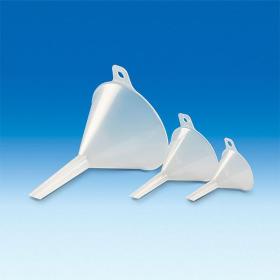 Funnels
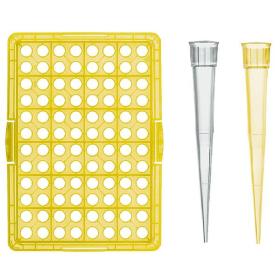 Tips & tip boxes
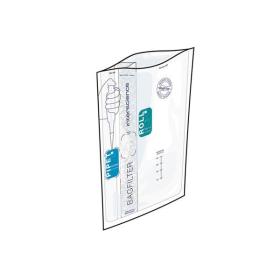 Homogenizer bags
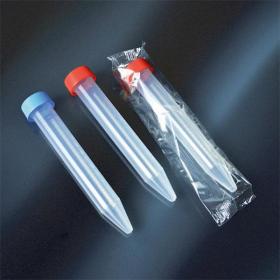 Centrifuge tubes
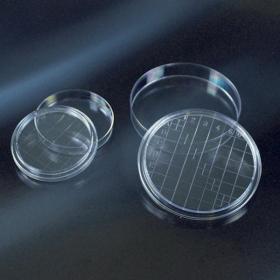 Petri dishes
 Others
- Glass capillary tubes
- Glass melting point tubes
- Condensers
- Plastic weighing boats
- Glass stirring rods
- Filtration and separation equipment
- Alcohol burners
- Glass weighing bottles
- Crucibles
- Crucible tongs
- Blender bag openers
- BagClip sealing clips
- Autoclave deodorant capsules
- Magnetic stir bars
- Test tube brushes
- Glass watch glasses
- Glass beads
- Glass wool
- Glass slides
- Plastic buckets
- Stainless steel bucket
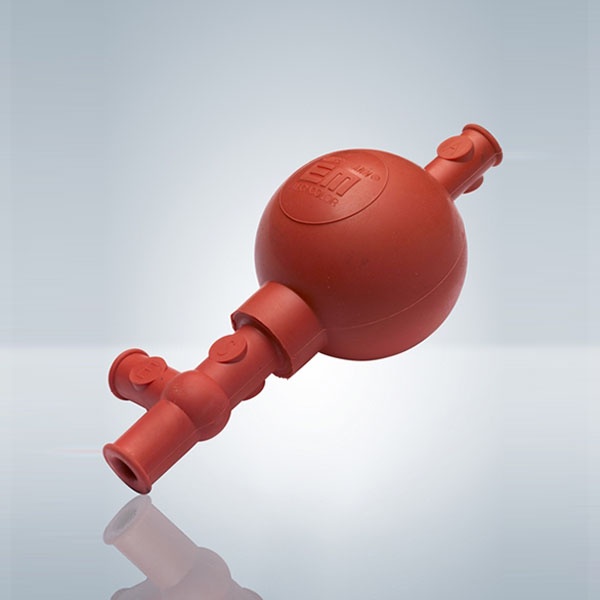
- Rubber bulb
- Inoculation loop
- Sampling rod
- Plastic spoon
- Stainless steel spoon
- Plastic tweezers
- Glass burette
- Glass slide
- Glass filter crucible
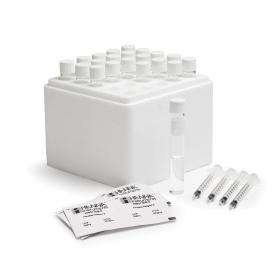
Filter membranes
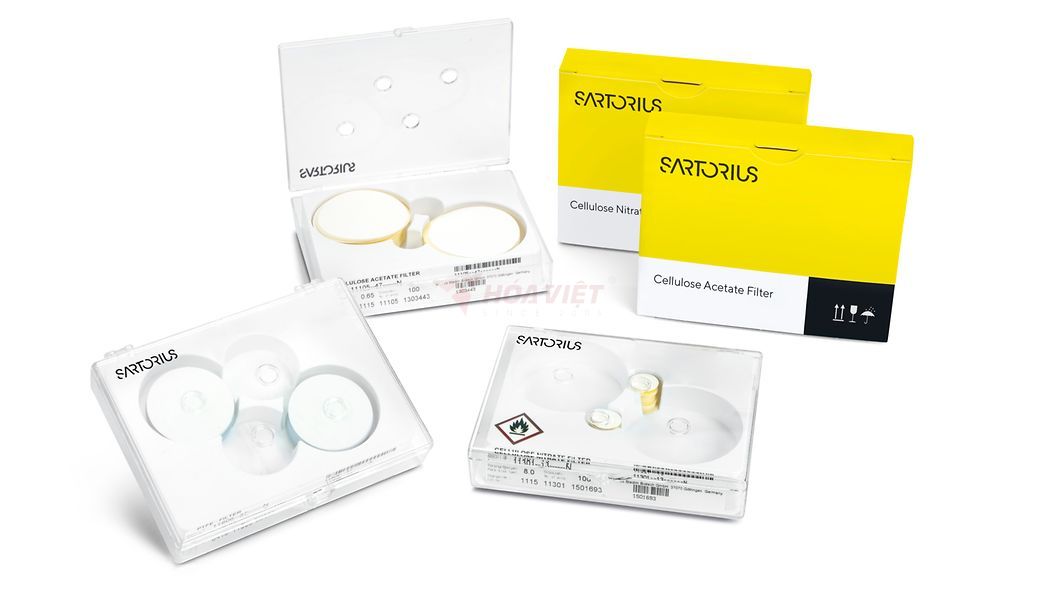
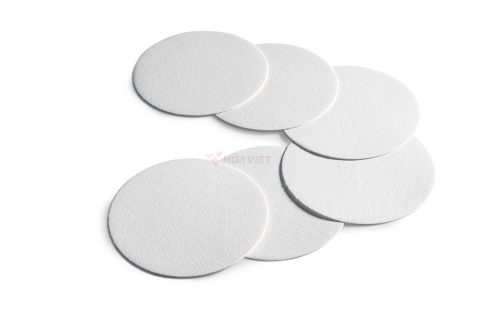
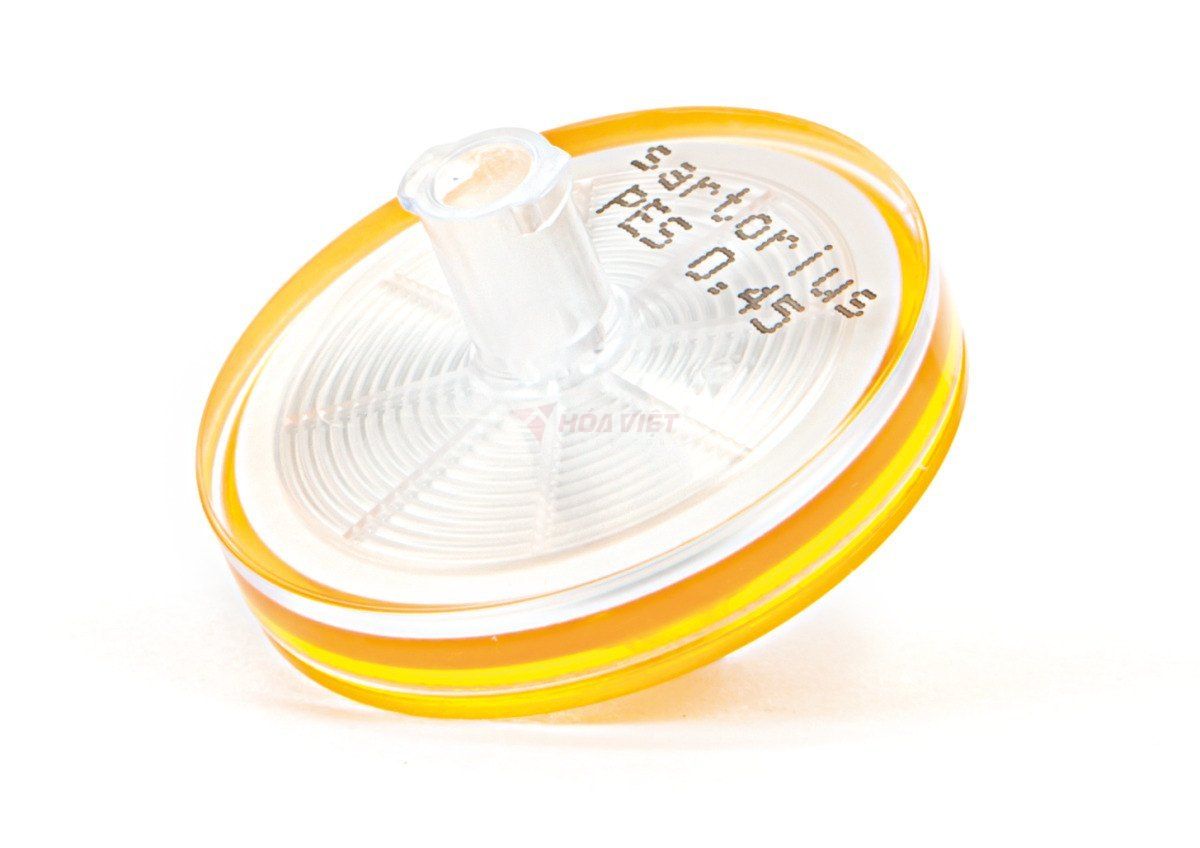
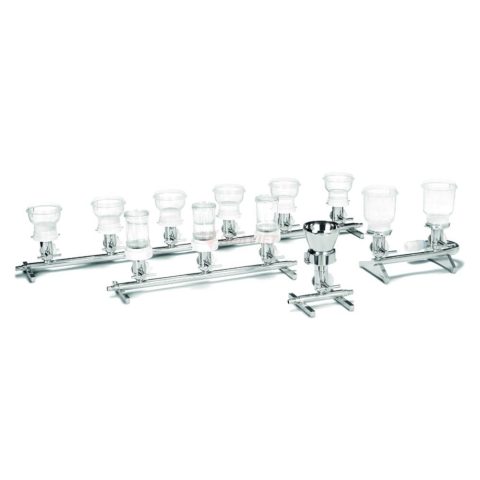
Introduction to Filter Membranes
Membrane filters are consumables with a thin membrane structure and defined pore sizes, used to separate, remove particulates, or retain microorganisms for laboratory sample purification and preparation.
Membrane filter selection depends on the chemical compatibility of the sample with materials such as Cellulose Acetate, Cellulose Nitrate, Nylon, PTFE, MCE, PES, RC, or glass fiber. Users should select the appropriate pore size (ranging from 0.2µm, 0.22µm, 0.45µm to 1.2µm, 1.5µm, 2.7µm) and membrane diameter (13mm, 25mm, 47mm, 90mm) for their filtration system. The portfolio also includes sterile options (including white or black-gridded gray membranes) for microbiological testing or non-sterile membranes for physicochemical applications. Hoa Viet currently distributes membrane filters from Newstar (China) and Sartorius (Germany).
Which brands of filter membranes does Hoa Viet provide?
Hoa Viet currently supplies genuine laboratory membrane filters from Newstar (China) and Sartorius (Germany).
What materials are available for the filter membranes in the catalog?
The portfolio includes various membrane materials such as Cellulose Acetate, Cellulose Nitrate, Nylon, MCE, PTFE, RC, PES, and glass fiber (MGA, MGD). Depending on whether the sample is an organic solvent or an aqueous solution, users can choose the appropriate membrane.
What are black gridded filter membranes typically used for?
Sterile black-grid membrane filters (white or gray background) are specialized for microbiological analysis. The grid lines help operators locate and count colonies more easily after incubation.
What diameters and pore sizes are available?
Products are available in diameters of 13mm, 25mm, 47mm, and 90mm. Pore sizes range from 0.2 µm, 0.22 µm, 0.45 µm to 1.2 µm, 1.5 µm, and 2.7 µm to meet diverse filtration levels.
