



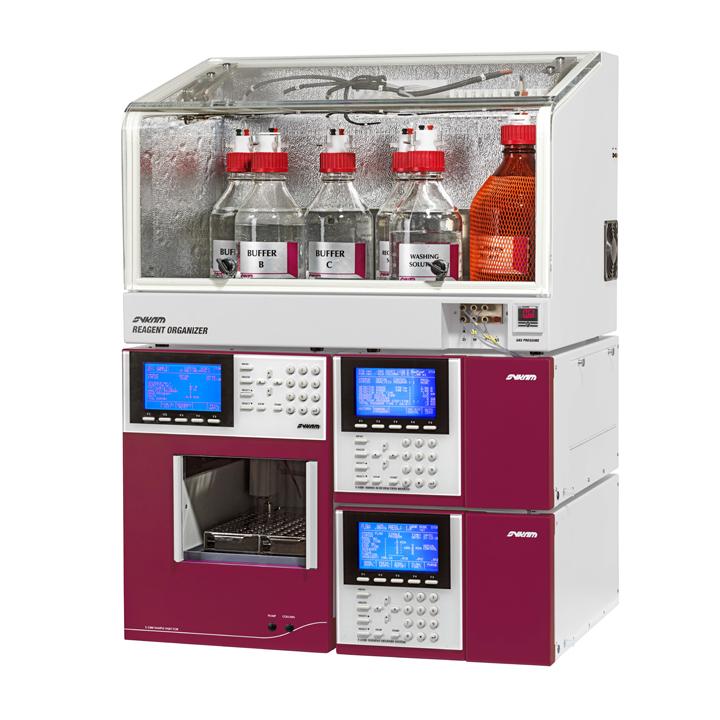
 Analytical Equipment
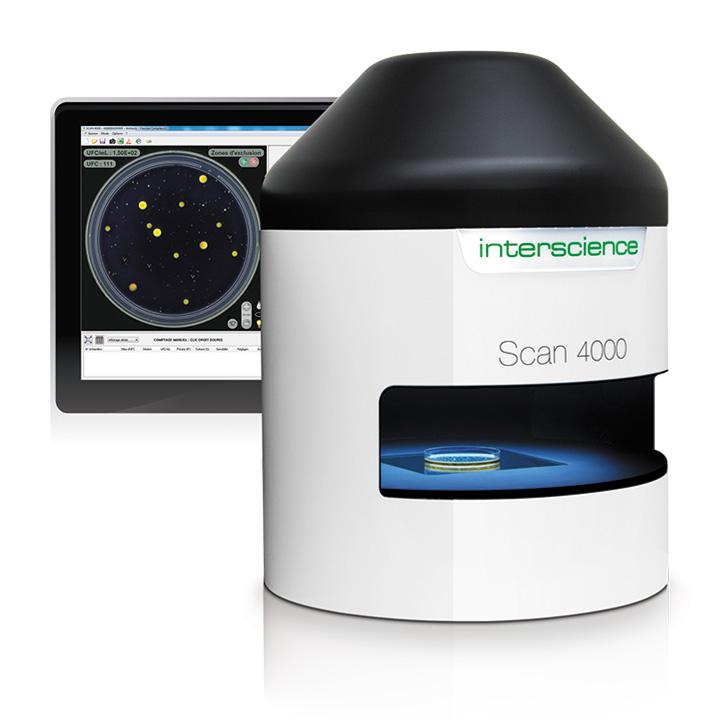 Microbiology Equipment
- Gravimetric Diluters and Sample Weighing Systems
- Mediaprep Automated Media Preparators
- Mediafill Automated Media Distributors
- Manual Media Dispensers
- Lab Blenders / Homogenizers
- Automated Spiral Platers
- Manual Colony Counters
- Automated Colony Counters
- Inhibition Zone Readers
- Automated Incubators and Colony Counters
- Biosafety Cabinets
- Laminar Flow Hoods
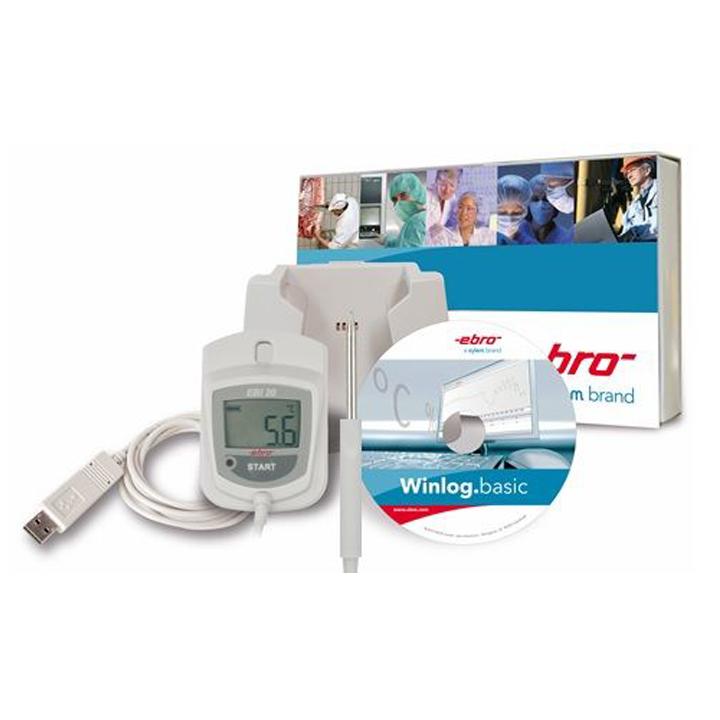 Temperature, Humidity, and Pressure Measuring Instruments
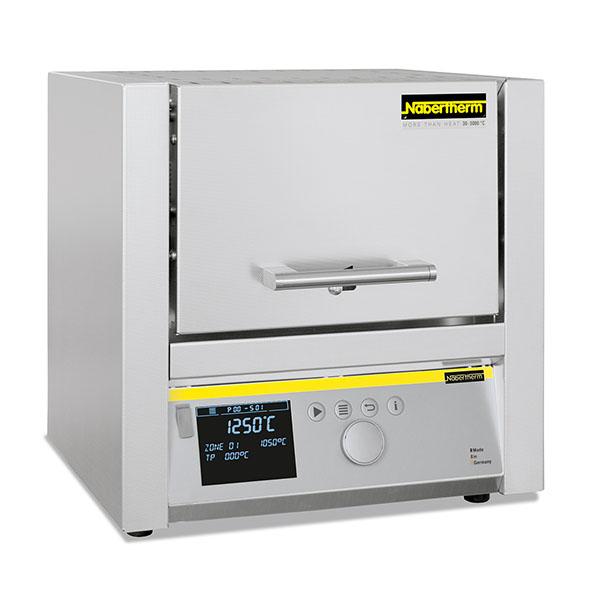 Other Basic Equipment
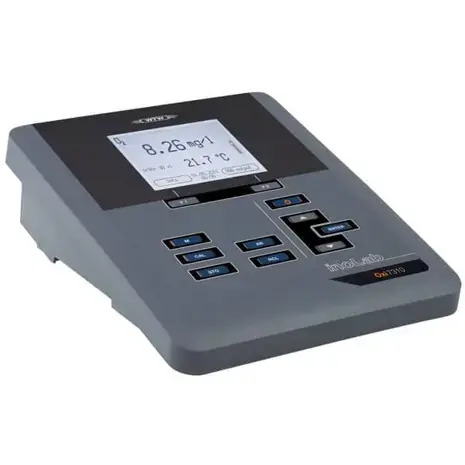 Multiparameter Water Quality Meters
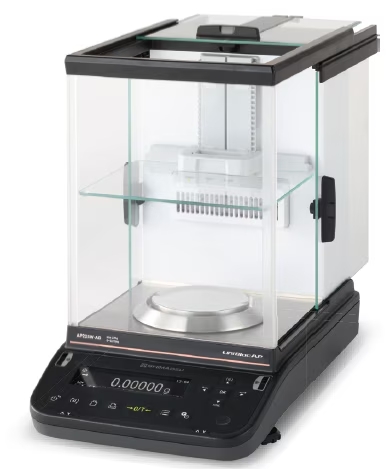 Balances
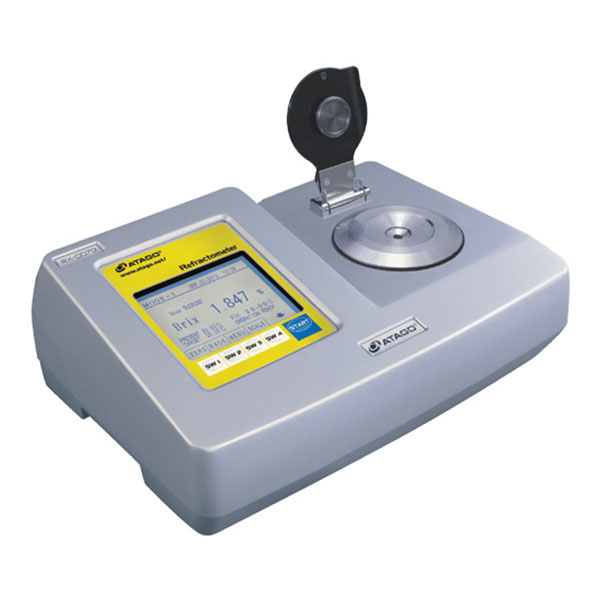 Polarimeters, Refractometers
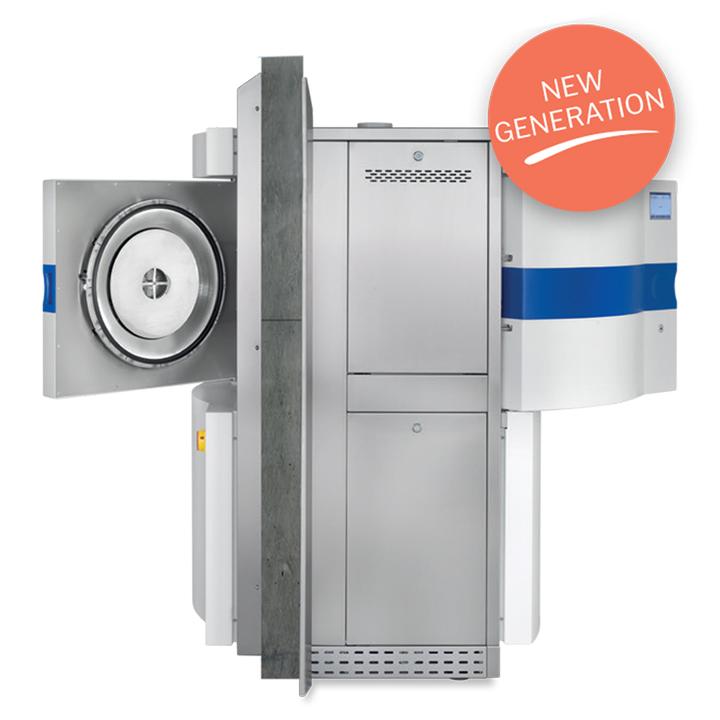 Autoclaves
 Biotechnology Equipment and Solutions
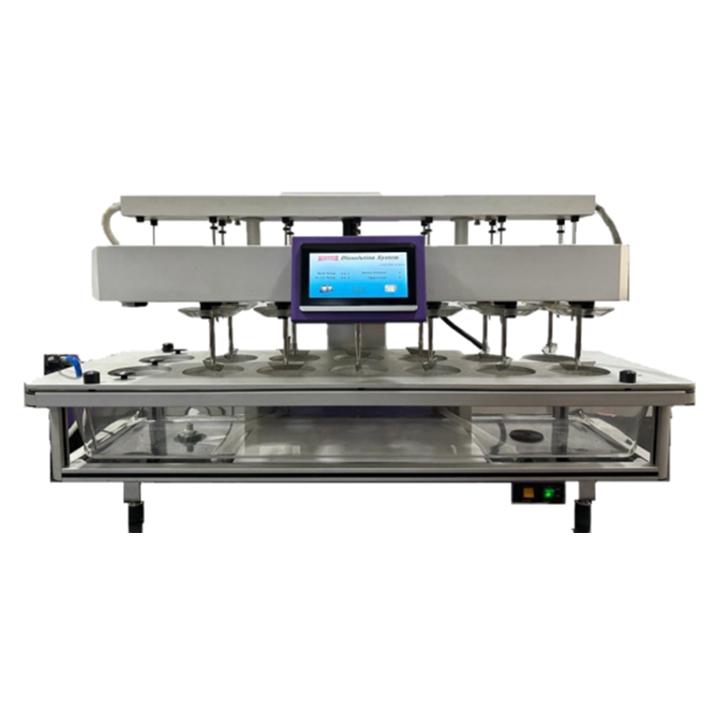 Pharmaceutical Equipment
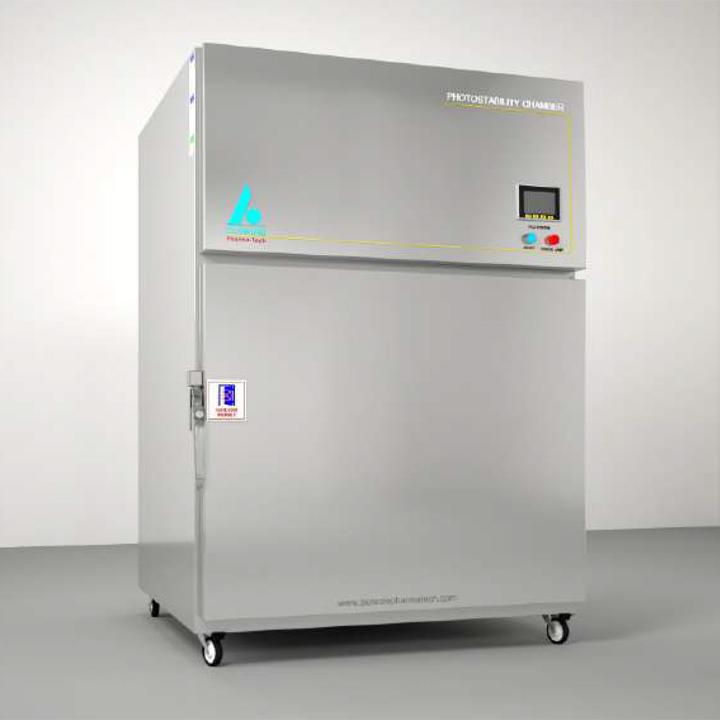 Shelf-life Testing Equipment
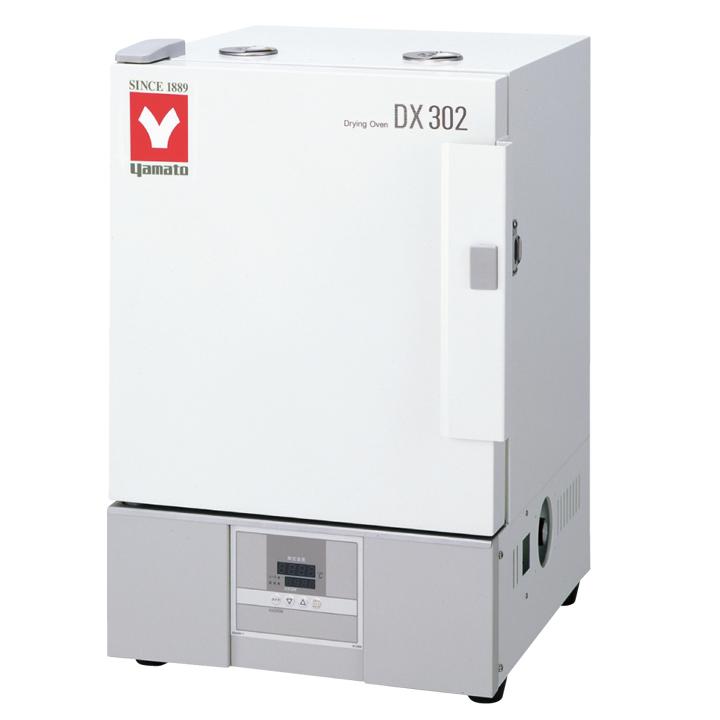
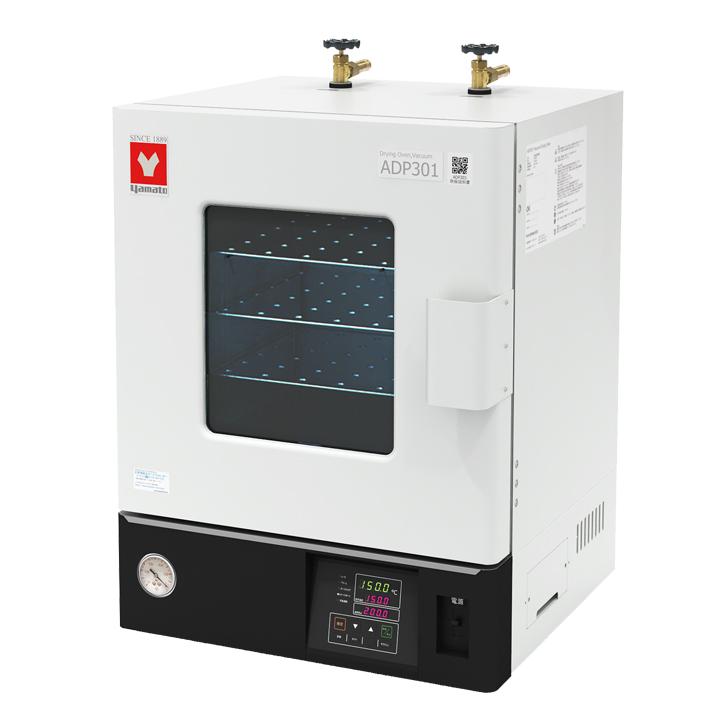 Drying Ovens
 Incubators
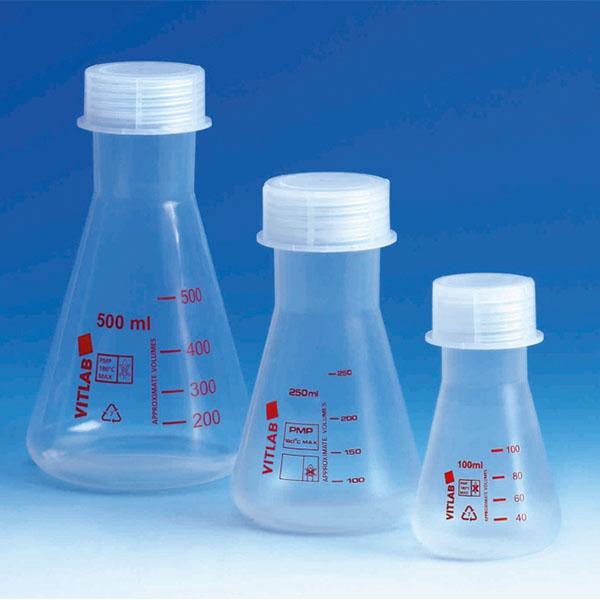 Laboratory Flasks
 Beakers, Measuring Jugs
 Liquid Handling Tools
 Sampling Tools
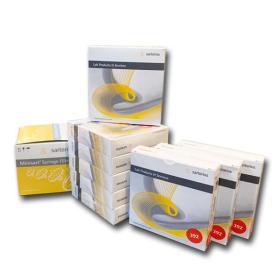 Filtration Tools and Consumables
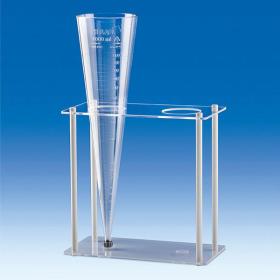 Racks and Stands
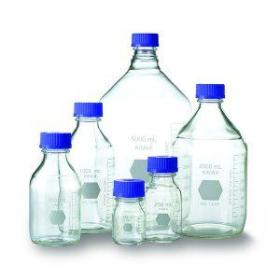 Laboratory Bottles and Vials
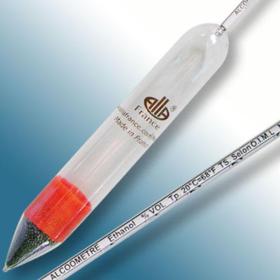 Thermometers, Hydrometers, Baumé Hydrometers, Alcoholmeters
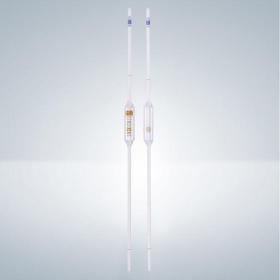 Pipettes
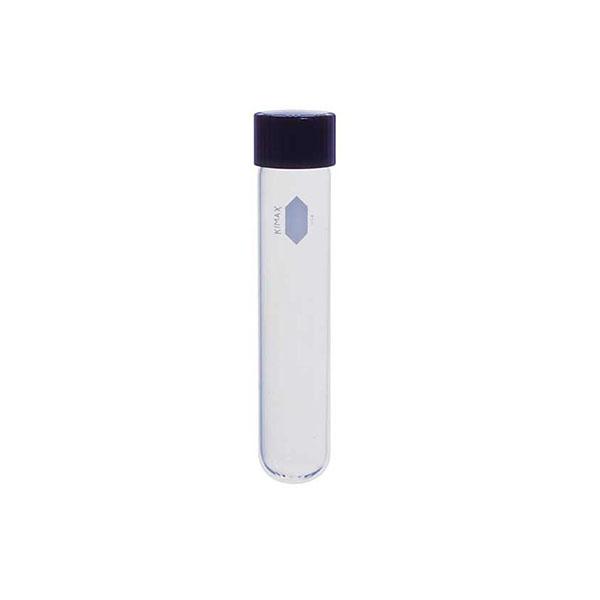 Test tubes
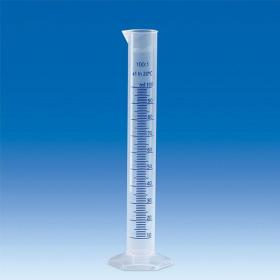 Graduated cylinders
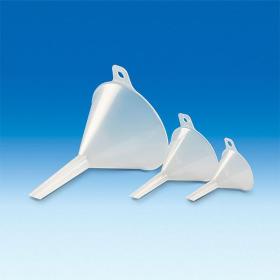 Funnels
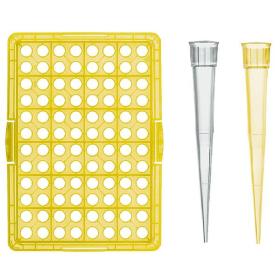 Tips & tip boxes
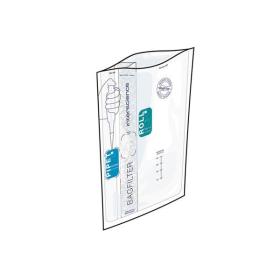 Homogenizer bags
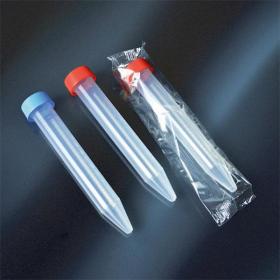 Centrifuge tubes
 Petri dishes
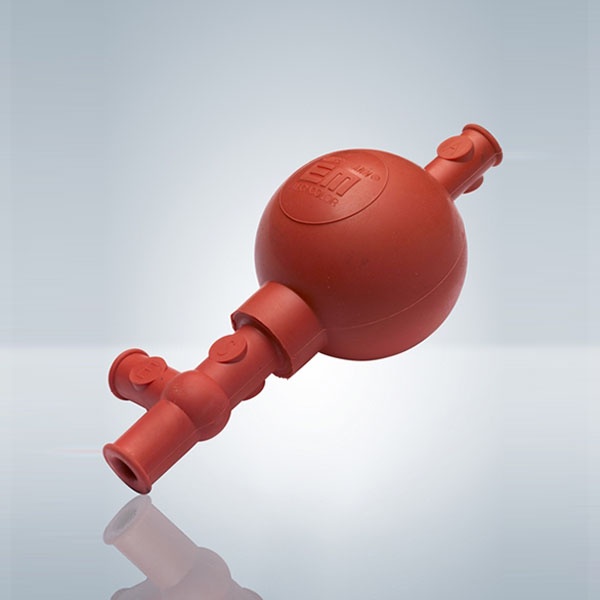 Others
- Glass capillary tubes
- Glass melting point tubes
- Condensers
- Plastic weighing boats
- Glass stirring rods
- Filtration and separation equipment
- Alcohol burners
- Glass weighing bottles
- Crucibles
- Crucible tongs
- Blender bag openers
- BagClip sealing clips
- Autoclave deodorant capsules
- Magnetic stir bars
- Test tube brushes
- Glass watch glasses
- Glass beads
- Glass wool
- Glass slides
- Plastic buckets
- Stainless steel bucket
- Rubber bulb
- Inoculation loop
- Sampling rod
- Plastic spoon
- Stainless steel spoon
- Plastic tweezers
- Glass burette
- Glass slide
- Glass filter crucible

Vacuum drying oven
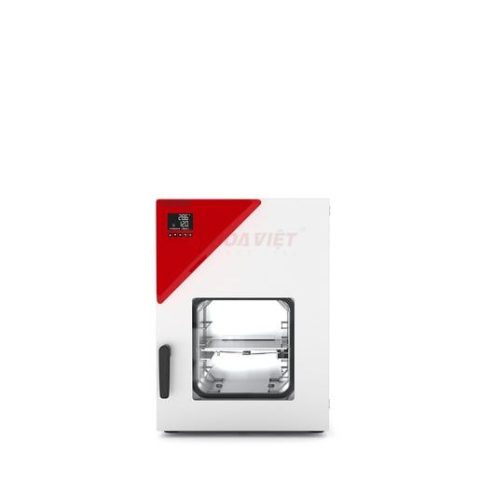
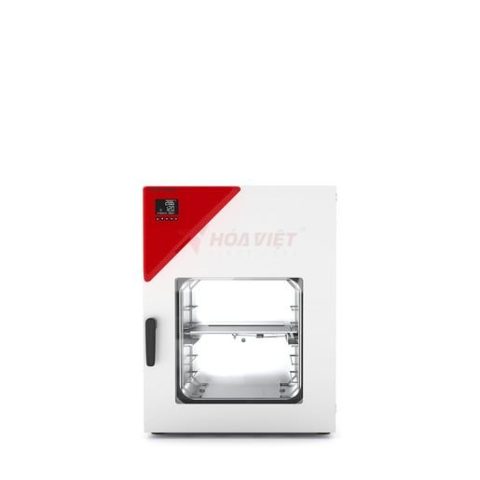
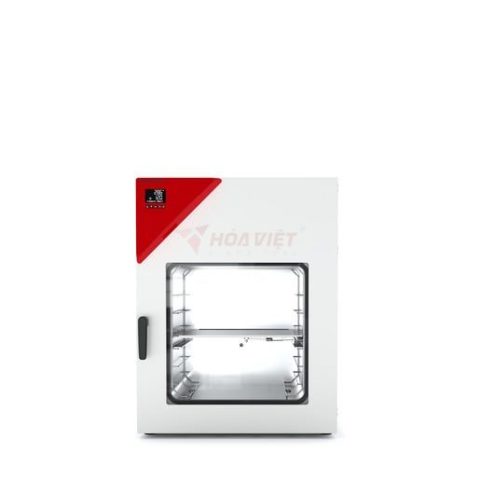
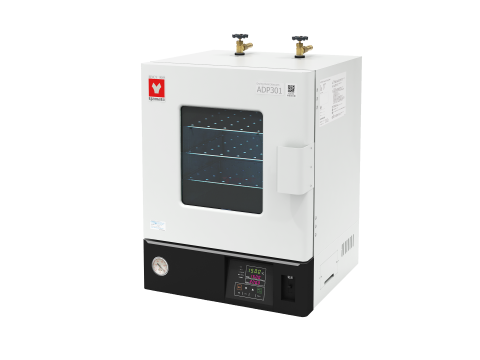
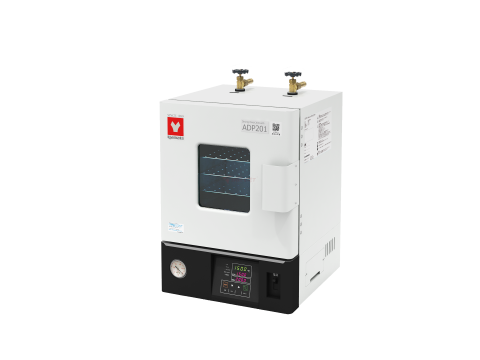
Introduction to Vacuum drying oven
A vacuum drying oven is specialized equipment used to dry sensitive material and chemical samples under conditions where air is completely removed. By heating in a reduced pressure environment, the device lowers the boiling point of liquids, facilitating rapid solvent evaporation while protecting samples from the risk of oxidation or thermal decomposition.
When purchasing a vacuum drying oven, users should evaluate criteria regarding temperature control system accuracy, drying chamber construction, shelf heat transfer performance, tightness, and operational safety systems. Currently, Hoa Viet provides vacuum drying ovens from manufacturers such as Binder (Germany) with expandable shelf designs and Yamato (Japan) equipped with VS6 controllers, meeting diverse research and analytical requirements.
When should a laboratory use a vacuum drying oven instead of a conventional convection drying oven?
Vacuum drying ovens are the optimal choice when processing heat-sensitive samples, fine powder samples easily swept away by convection air currents, or substances easily oxidized when exposed to air at high temperatures. This method also helps completely remove hard-to-evaporate solvents remaining in microporous structures.
Which brands of vacuum drying ovens does Hoa Viet currently supply?
Hoa Viet currently supplies vacuum drying ovens from two brands: Binder (Germany) and Yamato (Japan). To select a model with a configuration suitable for specific applications, please Contact us for consultation and to receive a quote.
How can the airtightness and durability of a vacuum drying oven be maintained?
Users should regularly clean the drying chamber and inspect the door gasket surface to ensure it is not torn or contaminated with deposits that cause pressure leaks. In addition, periodic vacuum pump maintenance and the use of a cold trap when drying samples containing volatile solvents will help protect the equipment for stable operation.
