



 Analytical Equipment
 Microbiology Equipment
- Gravimetric Diluters and Sample Weighing Systems
- Mediaprep Automated Media Preparators
- Mediafill Automated Media Distributors
- Manual Media Dispensers
- Lab Blenders / Homogenizers
- Automated Spiral Platers
- Manual Colony Counters
- Automated Colony Counters
- Inhibition Zone Readers
- Automated Incubators and Colony Counters
- Biosafety Cabinets
- Laminar Flow Hoods
 Temperature, Humidity, and Pressure Measuring Instruments
 Other Basic Equipment
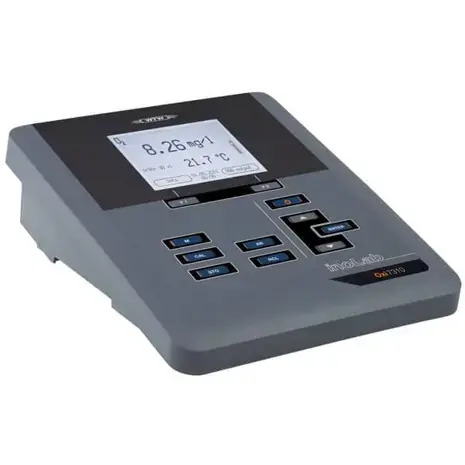 Multiparameter Water Quality Meters
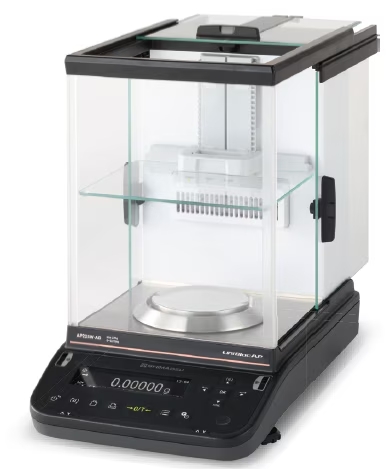 Balances
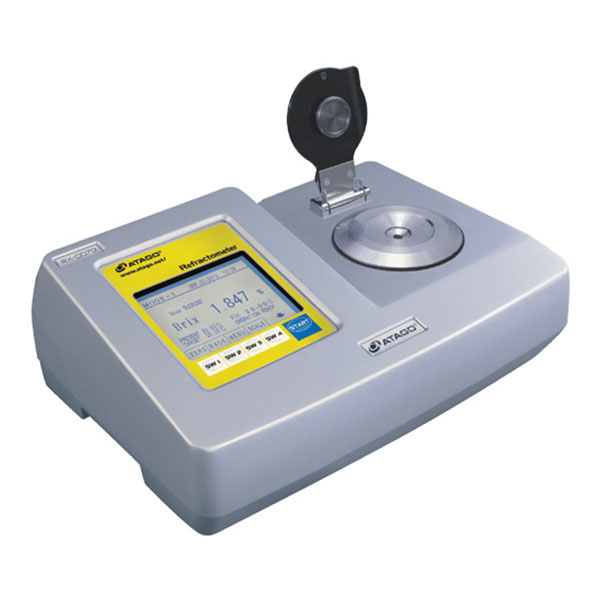 Polarimeters, Refractometers
 Autoclaves
 Biotechnology Equipment and Solutions
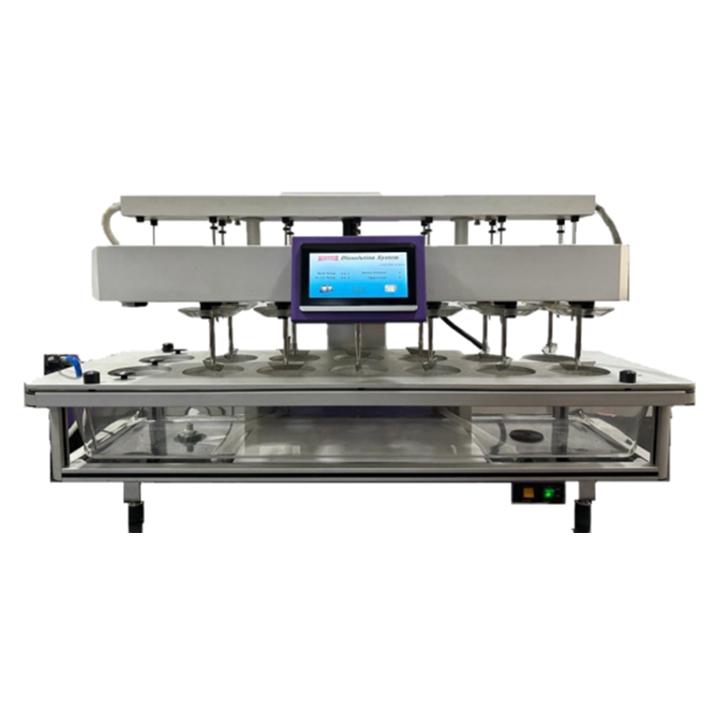 Pharmaceutical Equipment
 Shelf-life Testing Equipment
 Drying Ovens
 Incubators
 Laboratory Flasks
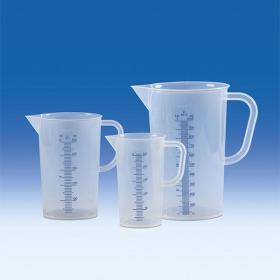 Beakers, Measuring Jugs
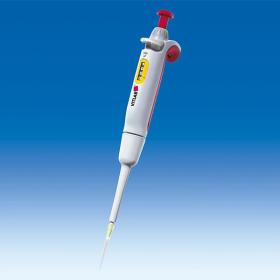 Liquid Handling Tools
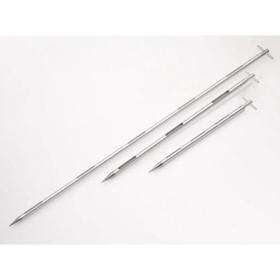 Sampling Tools
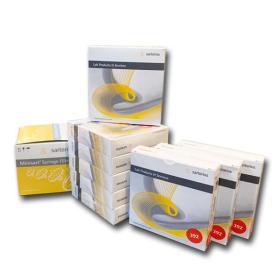 Filtration Tools and Consumables
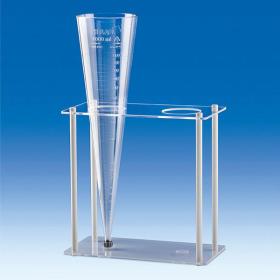 Racks and Stands
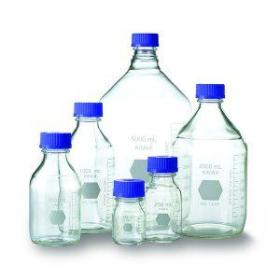 Laboratory Bottles and Vials
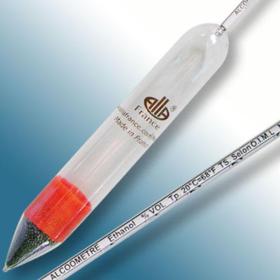 Thermometers, Hydrometers, Baumé Hydrometers, Alcoholmeters
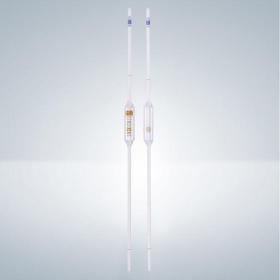 Pipettes
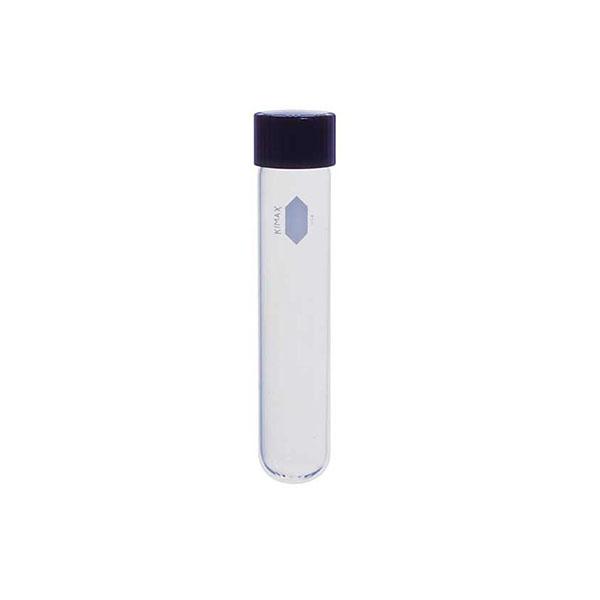 Test tubes
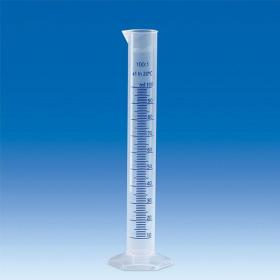 Graduated cylinders
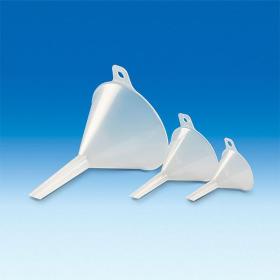 Funnels
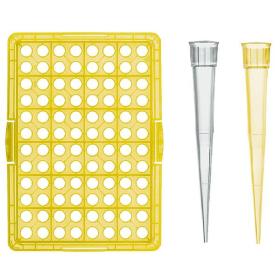 Tips & tip boxes
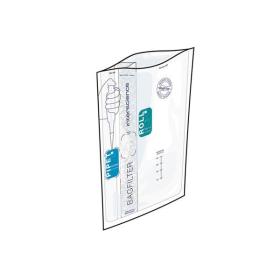 Homogenizer bags
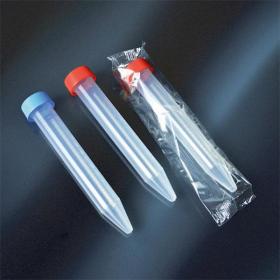 Centrifuge tubes
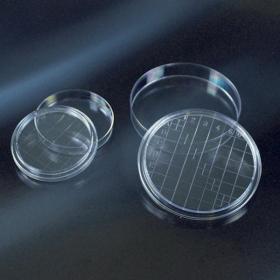 Petri dishes
 Others
- Glass capillary tubes
- Glass melting point tubes
- Condensers
- Plastic weighing boats
- Glass stirring rods
- Filtration and separation equipment
- Alcohol burners
- Glass weighing bottles
- Crucibles
- Crucible tongs
- Blender bag openers
- BagClip sealing clips
- Autoclave deodorant capsules
- Magnetic stir bars
- Test tube brushes
- Glass watch glasses
- Glass beads
- Glass wool
- Glass slides
- Plastic buckets
- Stainless steel bucket
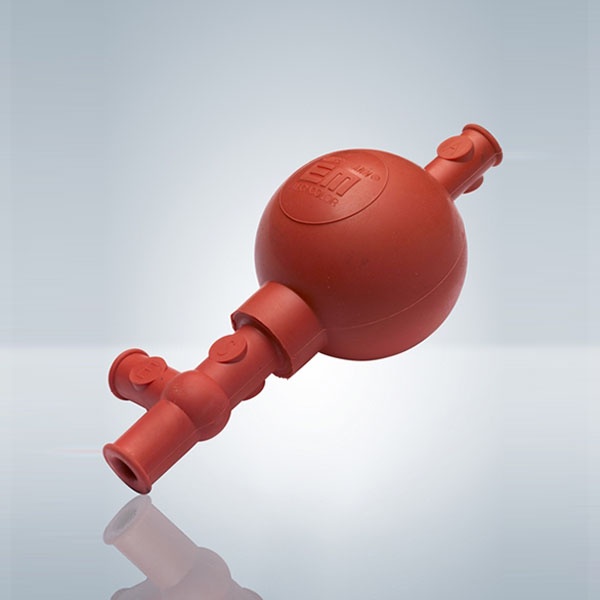
- Rubber bulb
- Inoculation loop
- Sampling rod
- Plastic spoon
- Stainless steel spoon
- Plastic tweezers
- Glass burette
- Glass slide
- Glass filter crucible
Plastic funnel
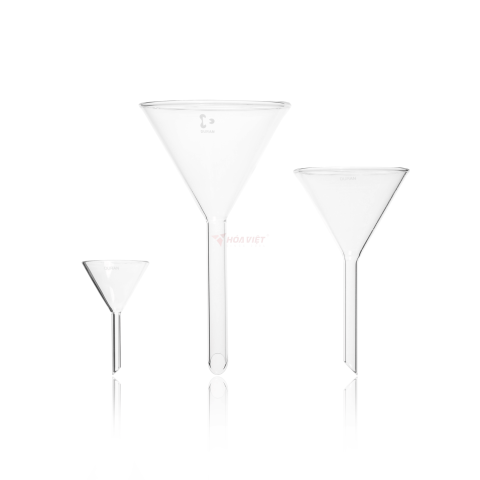
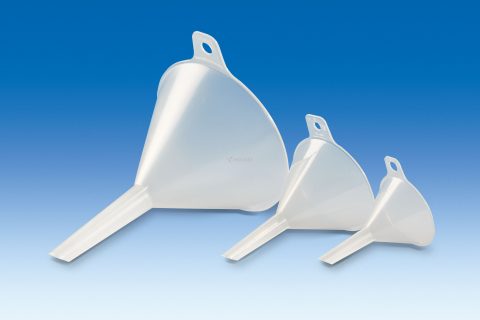
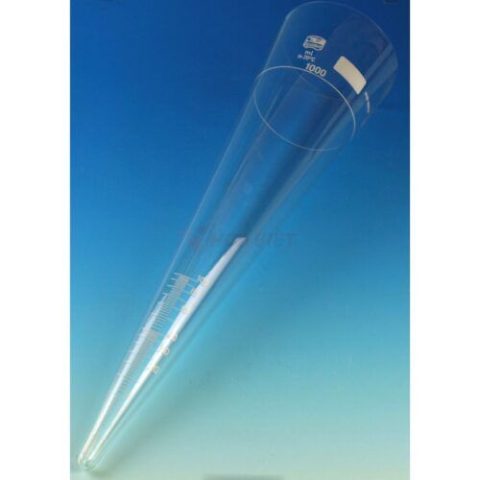
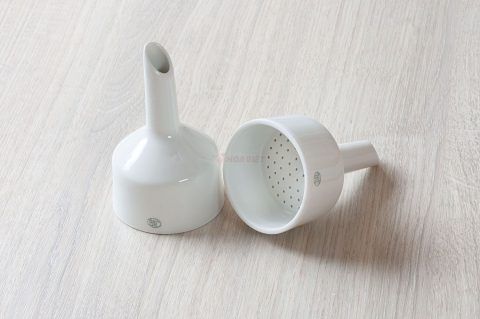
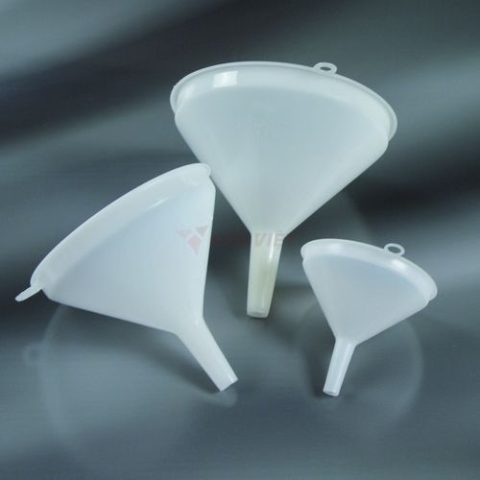
Introduction to Plastic funnel
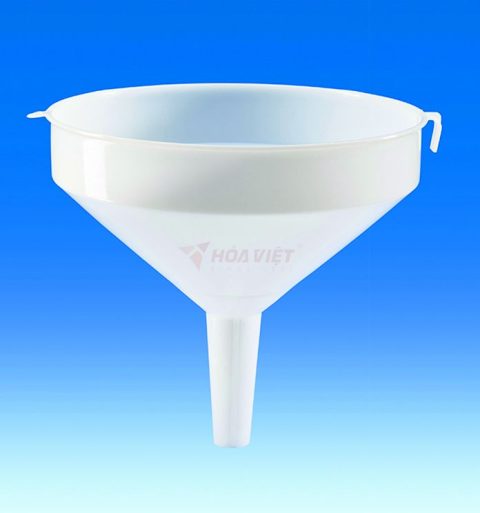
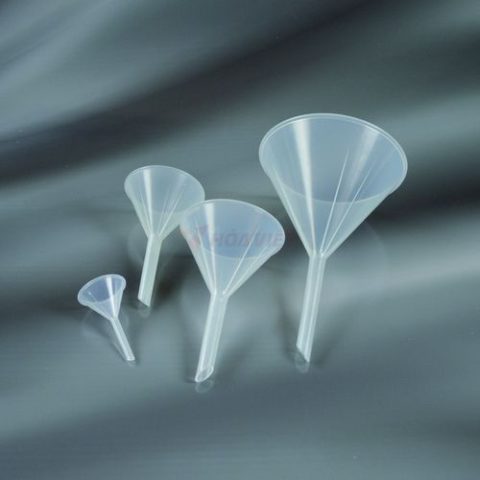
Plastic funnels are laboratory tools used for pouring liquids, transferring chemicals, or supporting filtration to separate precipitates from solutions. Thanks to high mechanical strength and reduced breakage risk compared to conventional glass funnels, they enhance operator safety in analytical environments.
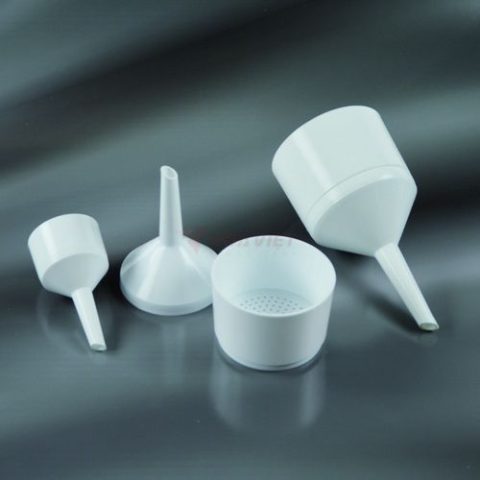
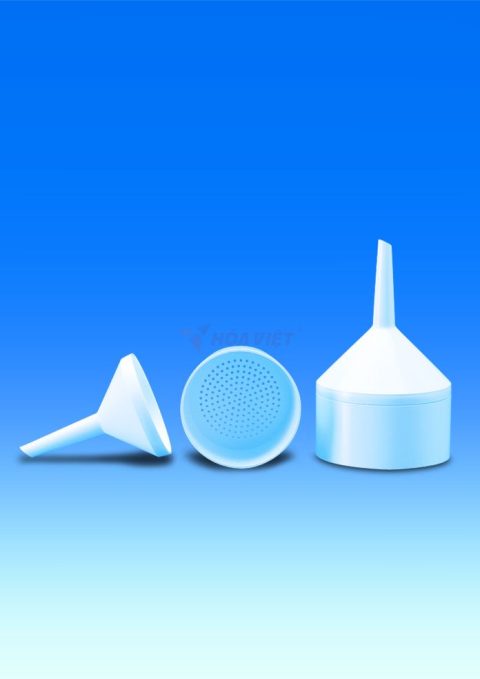
When selecting plastic funnels, buyers can consider autoclavable polypropylene (PP) or high-density polyethylene (HD-PE) with good chemical corrosion resistance. Funnel styles are diverse, including 60° steep liquid pouring funnels with diameters from 30mm to 400mm, 3.5ml to 100ml capacity funnels with anti-overflow rims, or two-piece separable Buchner funnels for vacuum filtration. Currently, Hoa Viet distributes imported plastic funnels from Vitlab (Germany) and Aptaca (Italy), meeting food contact requirements under Regulation (EU) No. 10/2011.
What materials are laboratory plastic funnels usually made of?
Two common materials are PP and HD-PE plastics, offering good chemical corrosion resistance and non-fragile properties. Among them, PP has the advantage of heat resistance and autoclavability, while HD-PE plastic is typically used for general pouring and storage needs.
What are the distinct structural features of PP Buchner funnels?
PP plastic Buchner funnels are specialized for vacuum filtration techniques in testing laboratories. The product is designed in two separable parts, allowing easy disassembly for deep cleaning of the filtration surface.
Which brands of plastic funnels does Hoa Viet distribute?
Hoa Viet currently supplies genuine plastic funnel lines from Aptaca (Italy) and Vitlab (Germany). Customers can contact Hoa Viet directly for consultation on selecting the appropriate size and to Request a quote.
What should be noted regarding the storage and hanging of plastic funnels?
Many funnel lines from Vitlab and Aptaca are designed with a convenient handle or hanging hole on the rim. After cleaning, users can hang the funnels on a rack to drain naturally, saving space and keeping the ware dry and ventilated.
