



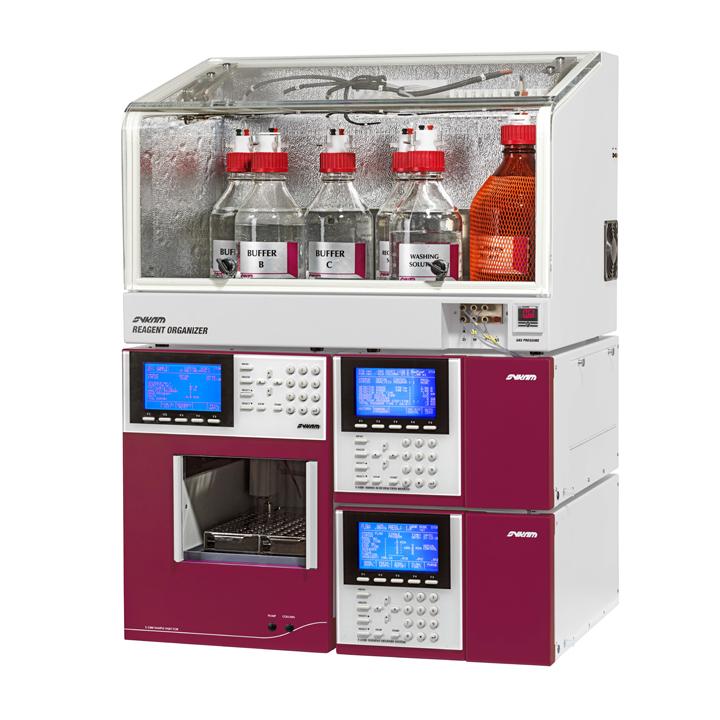
 Analytical Equipment
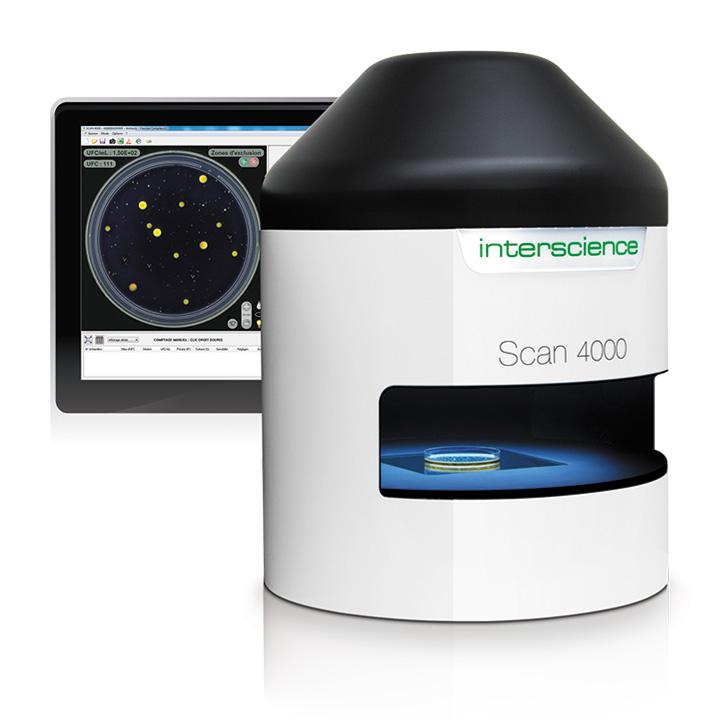 Microbiology Equipment
- Gravimetric Diluters and Sample Weighing Systems
- Mediaprep Automated Media Preparators
- Mediafill Automated Media Distributors
- Manual Media Dispensers
- Lab Blenders / Homogenizers
- Automated Spiral Platers
- Manual Colony Counters
- Automated Colony Counters
- Inhibition Zone Readers
- Automated Incubators and Colony Counters
- Biosafety Cabinets
- Laminar Flow Hoods
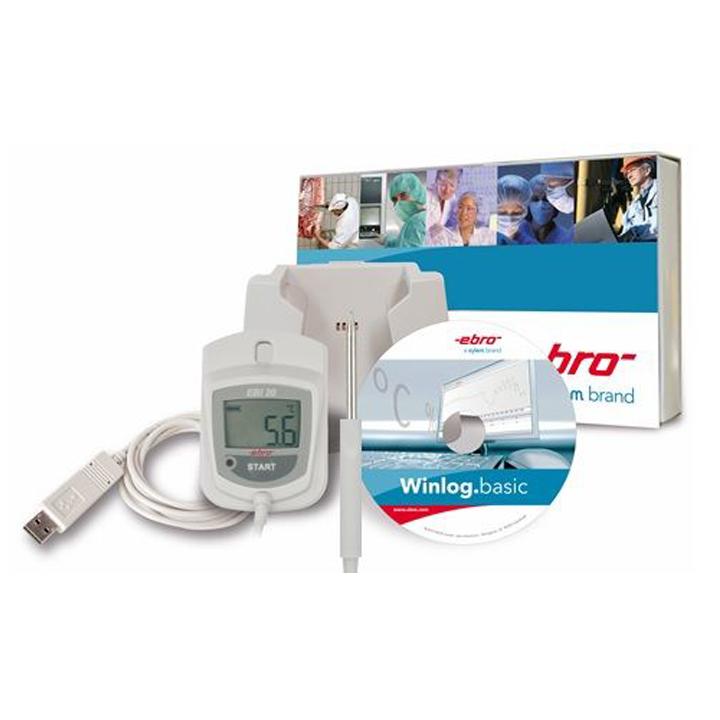 Temperature, Humidity, and Pressure Measuring Instruments
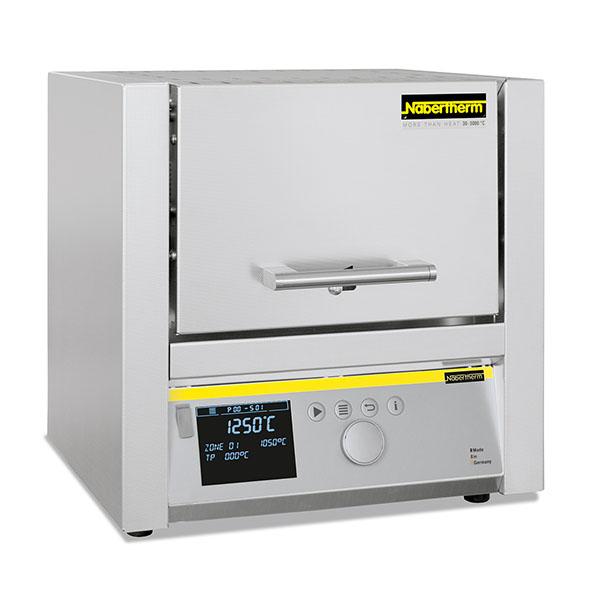 Other Basic Equipment
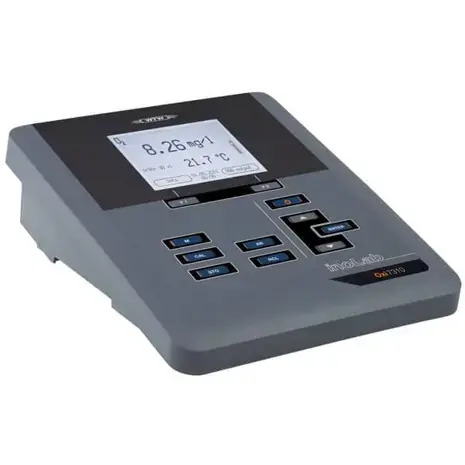 Multiparameter Water Quality Meters
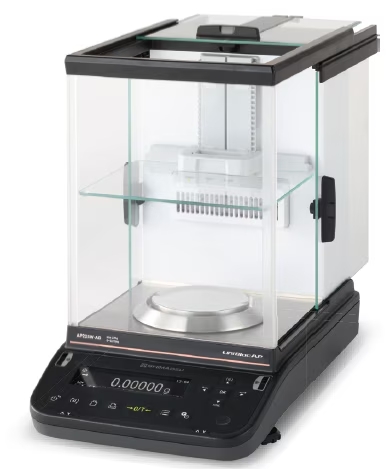 Balances
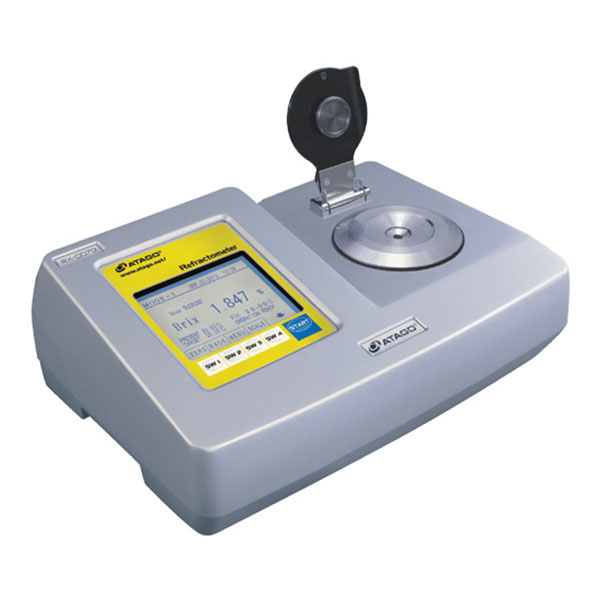 Polarimeters, Refractometers
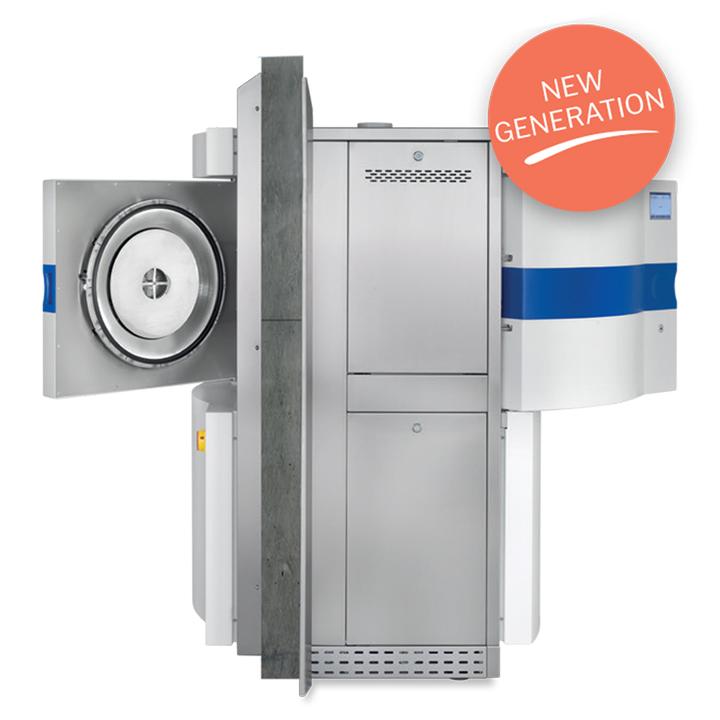 Autoclaves
 Biotechnology Equipment and Solutions
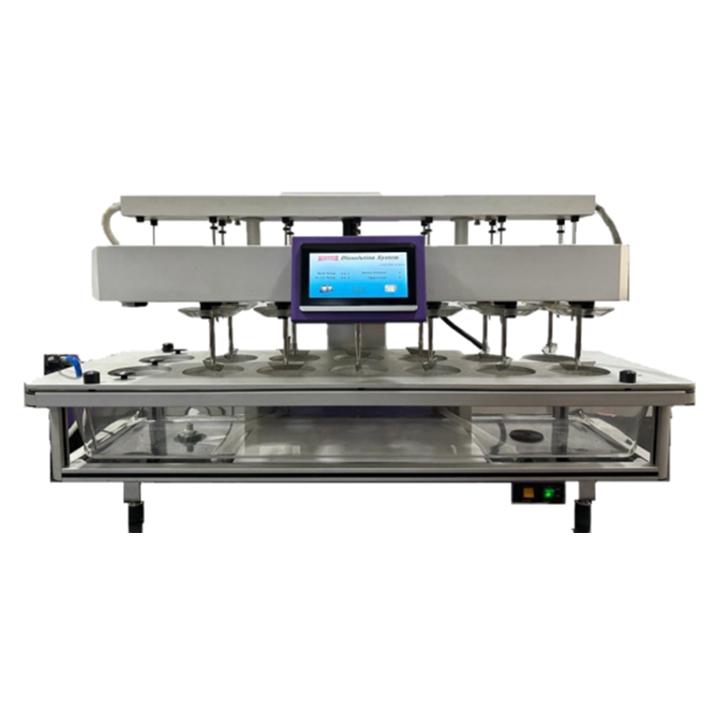 Pharmaceutical Equipment
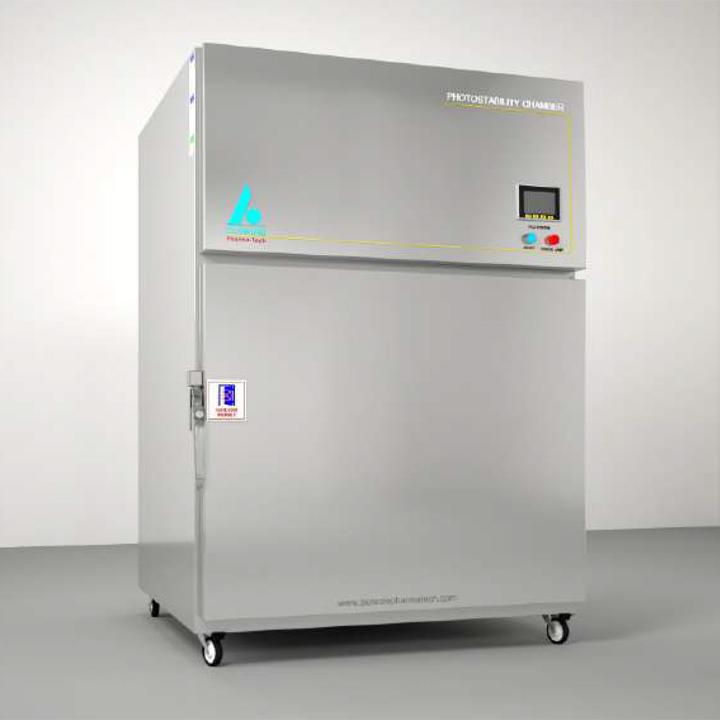 Shelf-life Testing Equipment
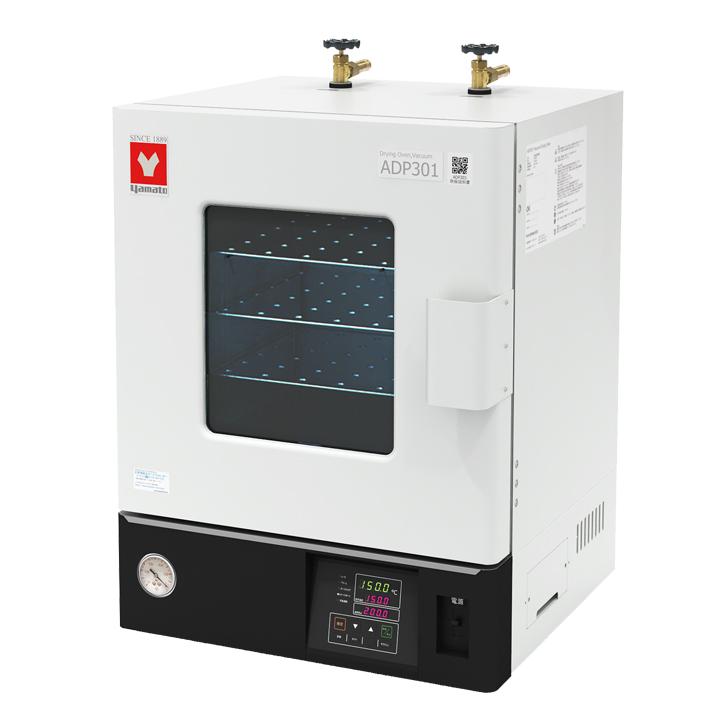 Drying Ovens
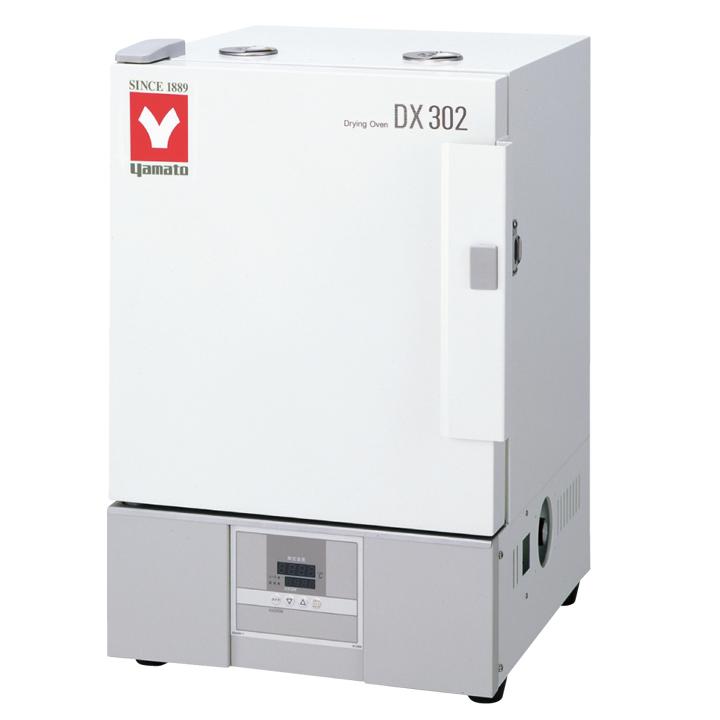 Incubators
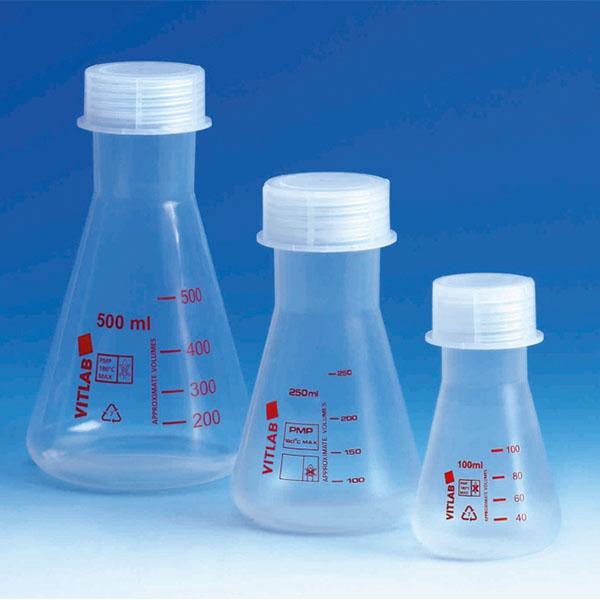 Laboratory Flasks
 Beakers, Measuring Jugs
 Liquid Handling Tools
 Sampling Tools
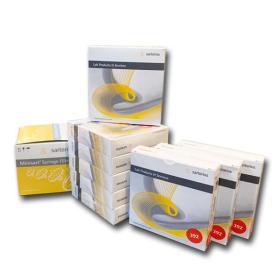 Filtration Tools and Consumables
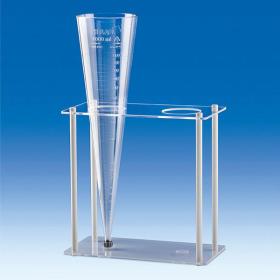 Racks and Stands
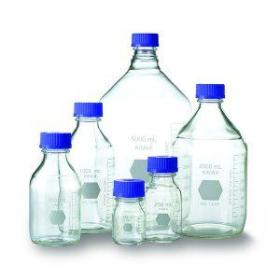 Laboratory Bottles and Vials
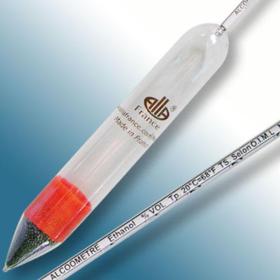 Thermometers, Hydrometers, Baumé Hydrometers, Alcoholmeters
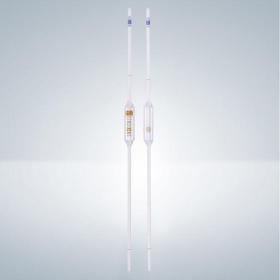 Pipettes
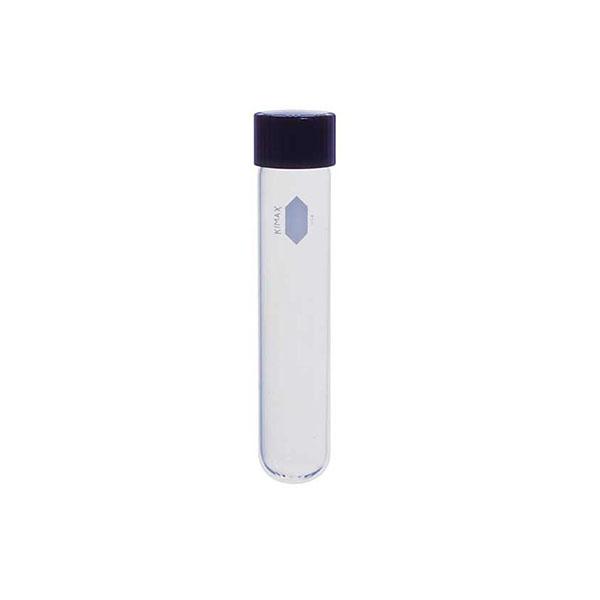 Test tubes
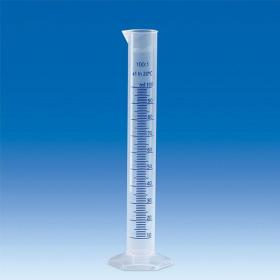 Graduated cylinders
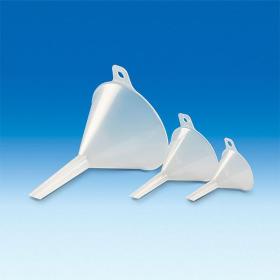 Funnels
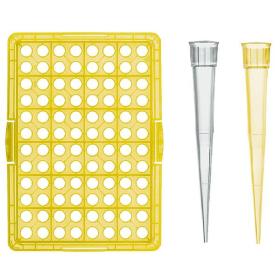 Tips & tip boxes
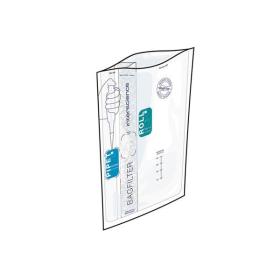 Homogenizer bags
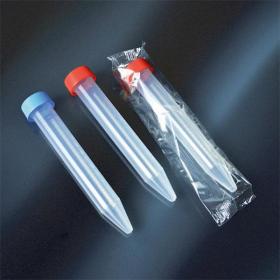 Centrifuge tubes
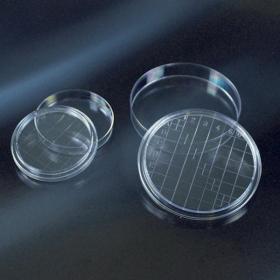 Petri dishes
 Others
- Glass capillary tubes
- Glass melting point tubes
- Condensers
- Plastic weighing boats
- Glass stirring rods
- Filtration and separation equipment
- Alcohol burners
- Glass weighing bottles
- Crucibles
- Crucible tongs
- Blender bag openers
- BagClip sealing clips
- Autoclave deodorant capsules
- Magnetic stir bars
- Test tube brushes
- Glass watch glasses
- Glass beads
- Glass wool
- Glass slides
- Plastic buckets
- Stainless steel bucket
- Rubber bulb
- Inoculation loop
- Sampling rod
- Plastic spoon
- Stainless steel spoon
- Plastic tweezers
- Glass burette
- Glass slide
- Glass filter crucible

Filtered blender bags

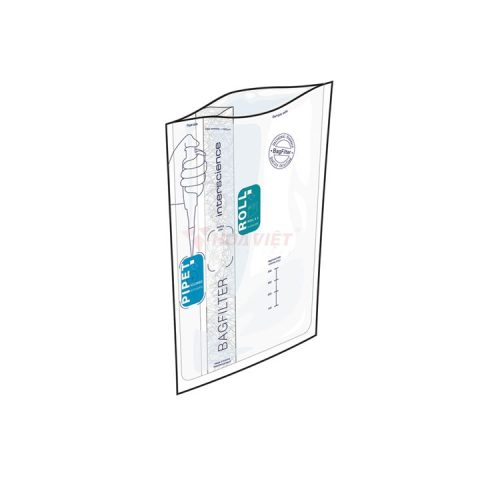


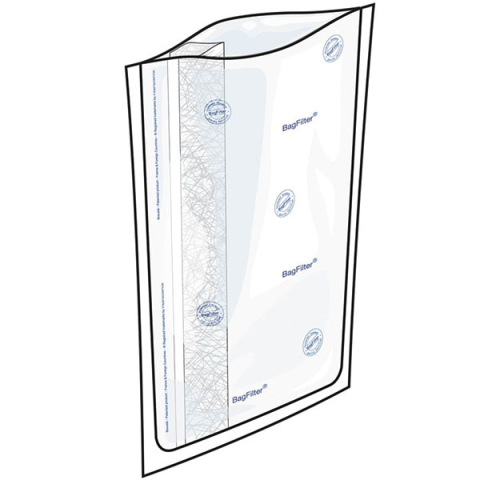
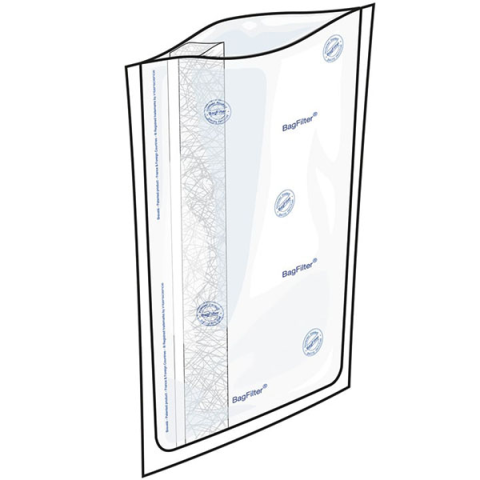
Introduction to Filtered blender bags
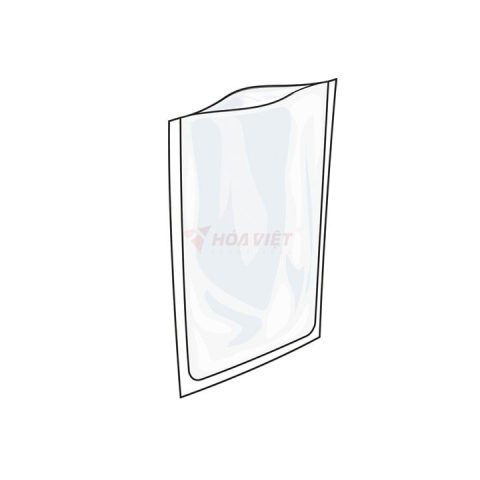
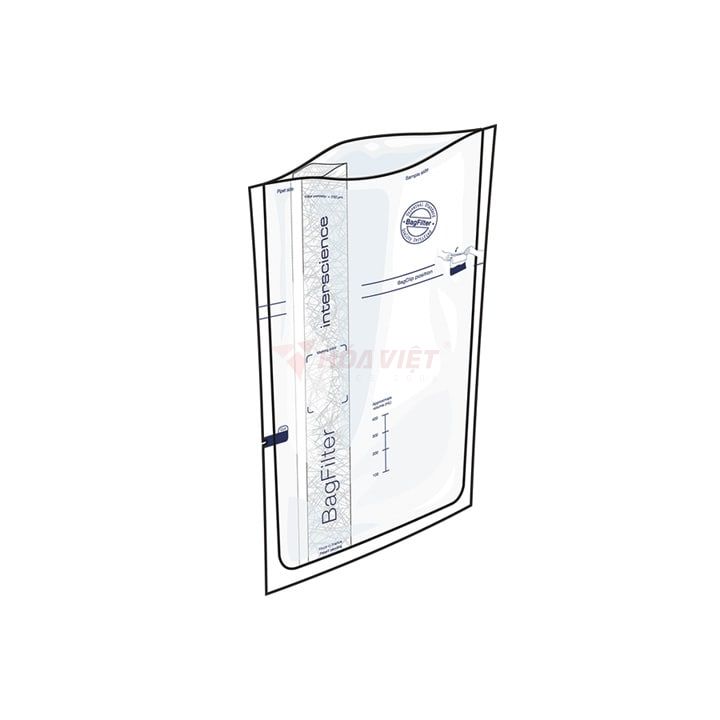
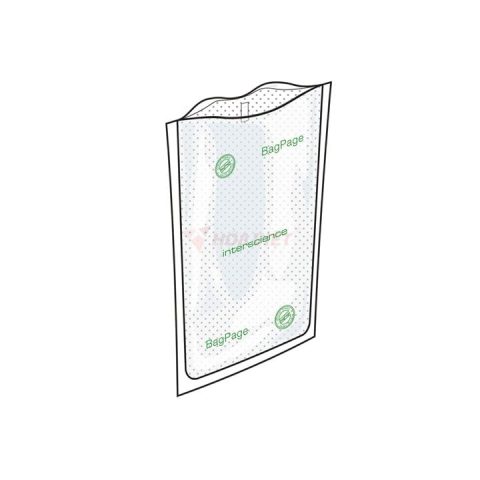
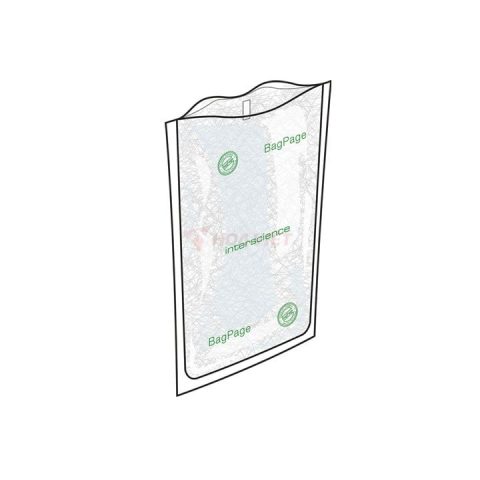
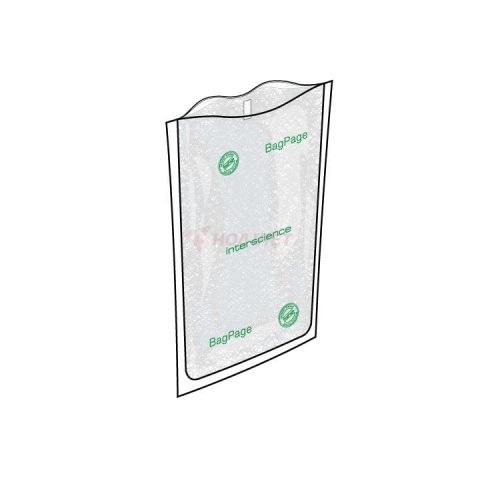
Filter blender bags are specialized consumables used to hold and homogenize microbiological samples with diluents in lab blenders, featuring a built-in filter membrane to automatically separate clear filtrate from solid debris. This design enables operators to pipette analytical liquid quickly, minimizing tip clogging and preventing cross-contamination between procedures.
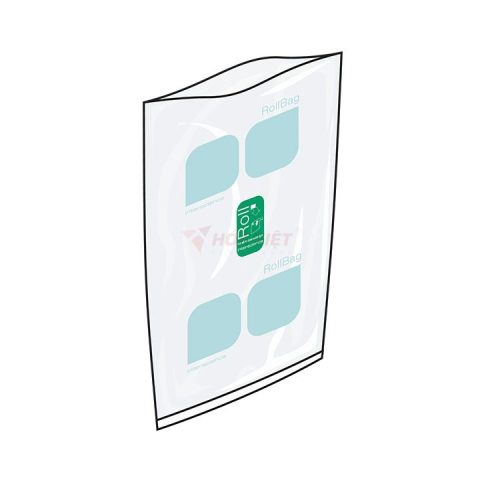
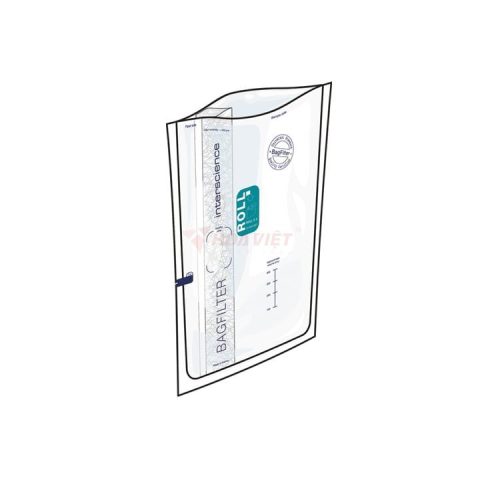
When choosing filter blender bags, users should base their selection on the sample volume to be processed with capacities of 100ml, 400ml, or 3500ml, as well as a suitable filter membrane structure such as a side non-woven filter or a full-page micro-perforated filter. In addition, specialized features such as built-in roll-stick closures or designs optimized for short pipette tips should be considered according to the analytical procedure. Hoa Viet currently distributes filter blender bags from Interscience (France) and EBRO (Germany).
How do side-filter and full-filter blender bags differ?
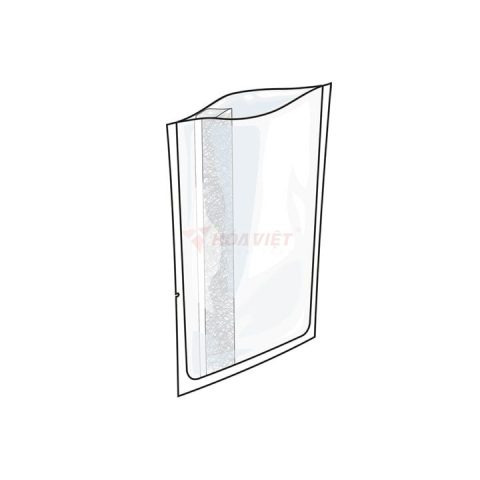
The side non-woven filter bag creates a separate compartment for easy pipetting of the filtrate without clogging from solid debris. The full-page micro-perforated filter bag separates both sides of the bag, suitable for analyzing viscous samples or samples with high suspended solids content.
What capacities of filter blender bags does Hoa Viet supply?
The product portfolio currently includes volume capacities of 100ml for small sample amounts, 400ml for routine microbiological analysis procedures, and 3500ml for large-volume or pooled samples.
What advantages do the Pull-Up or Pipet designs offer during operation?
This design optimizes the filtrate compartment, facilitating pipetting even when using short tips. As a result, technicians can sample safely and accurately, minimizing the risk of contact with the bag walls.
Where do the filtered blender bags at Hoa Viet originate from?
The products are imported from two brands: Interscience (France) and EBRO (Germany). Customers can contact Hoa Viet directly for detailed technical advice and to request a quote.
