





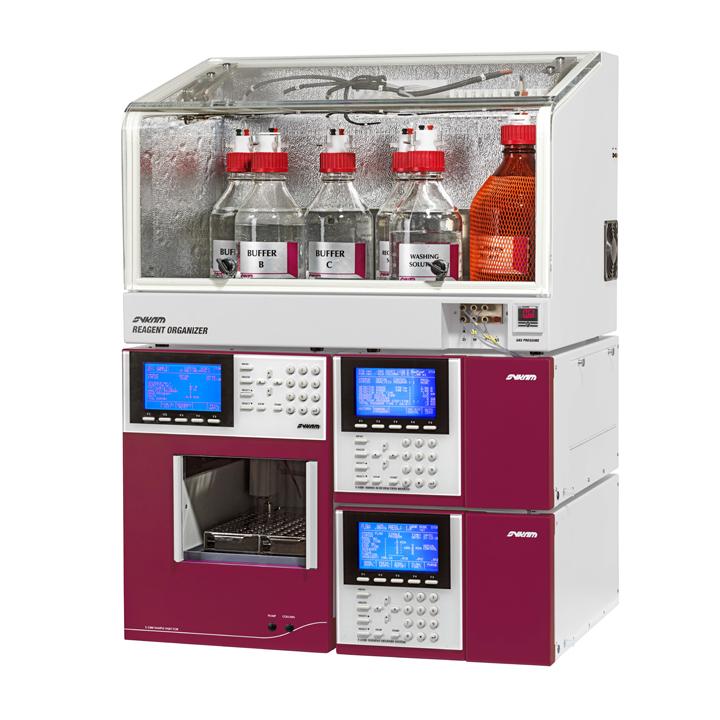
 Analytical Equipment
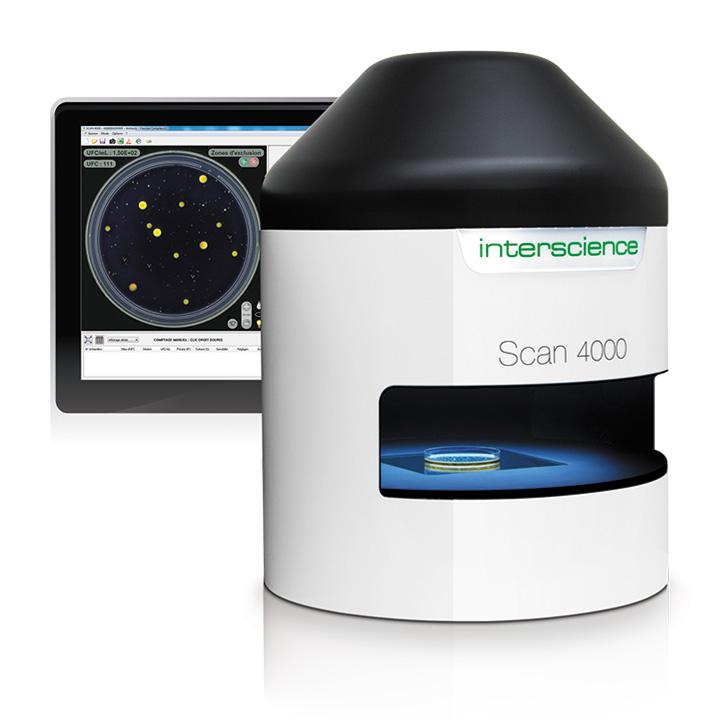 Microbiology Equipment
- Gravimetric Diluters and Sample Weighing Systems
- Mediaprep Automated Media Preparators
- Mediafill Automated Media Distributors
- Manual Media Dispensers
- Lab Blenders / Homogenizers
- Automated Spiral Platers
- Manual Colony Counters
- Automated Colony Counters
- Inhibition Zone Readers
- Automated Incubators and Colony Counters
- Biosafety Cabinets
- Laminar Flow Hoods
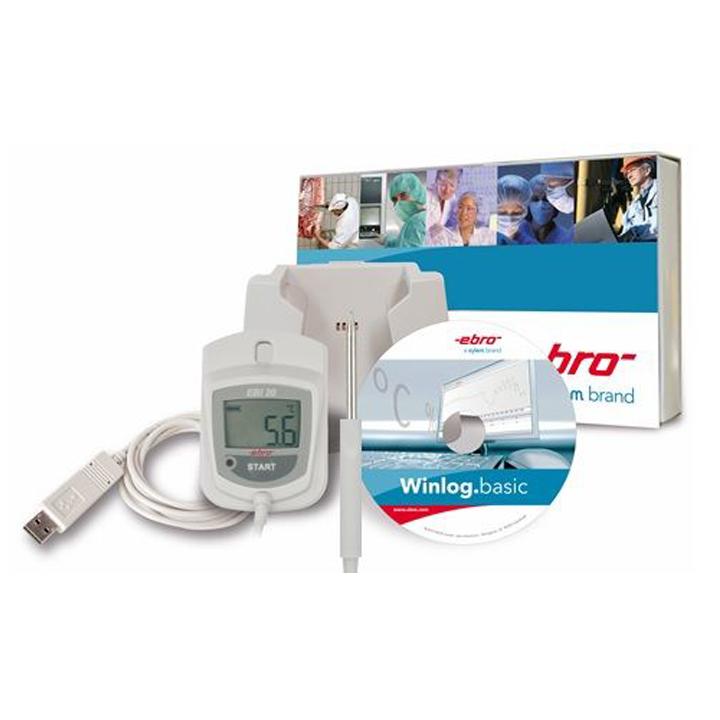 Temperature, Humidity, and Pressure Measuring Instruments
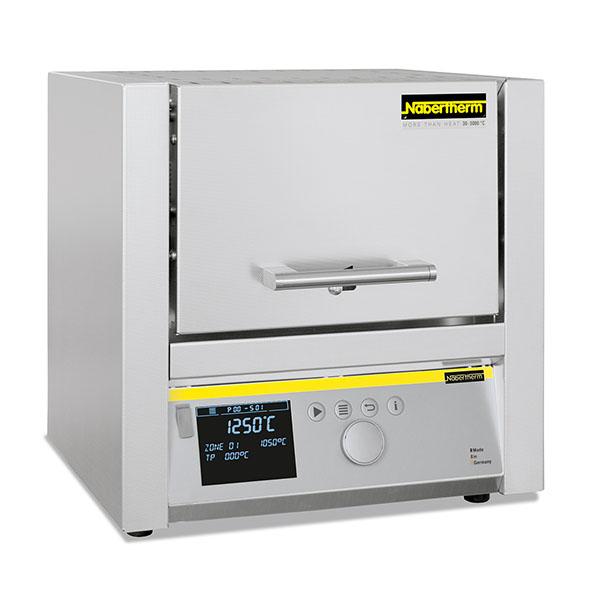 Other Basic Equipment
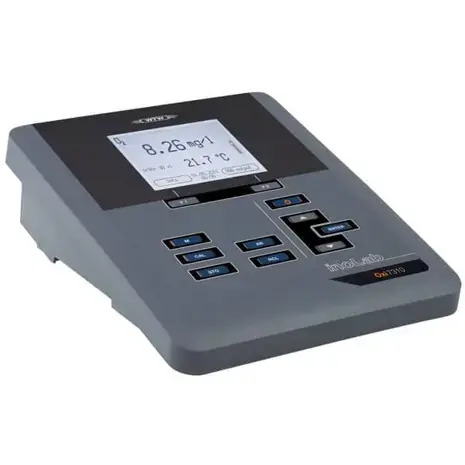 Multiparameter Water Quality Meters
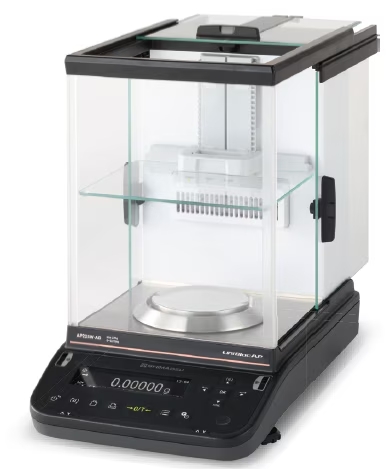 Balances
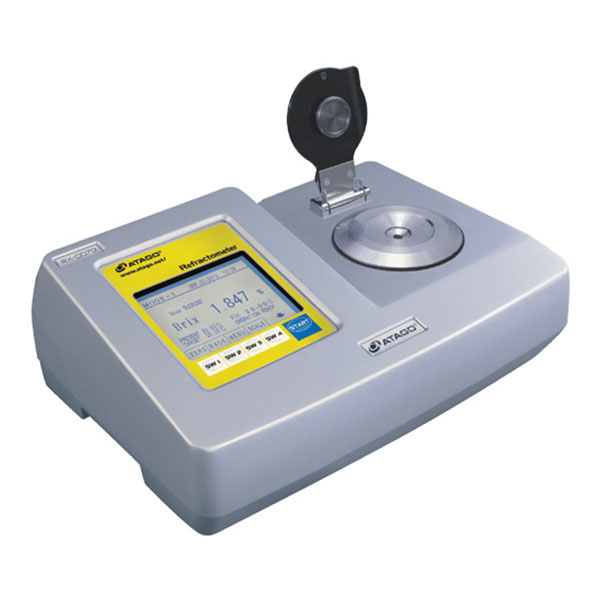 Polarimeters, Refractometers
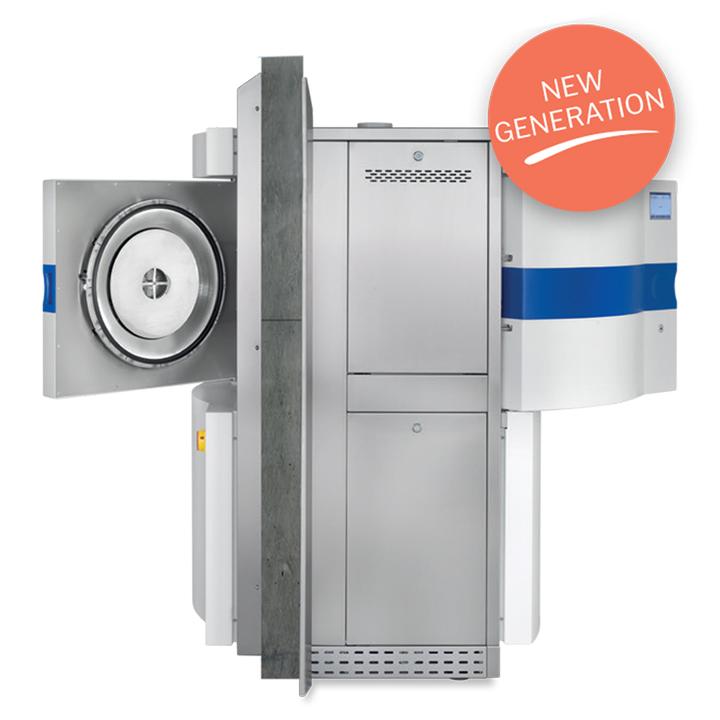 Autoclaves
 Biotechnology Equipment and Solutions
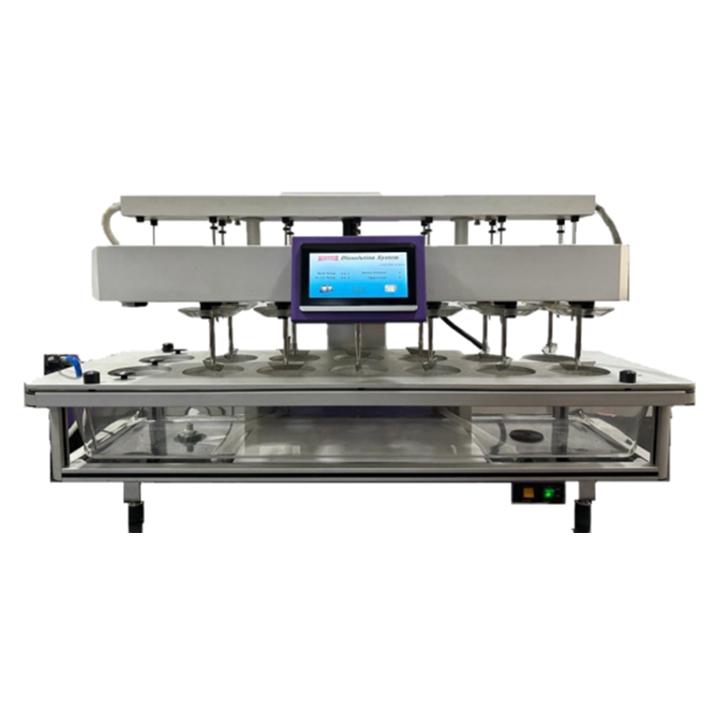 Pharmaceutical Equipment
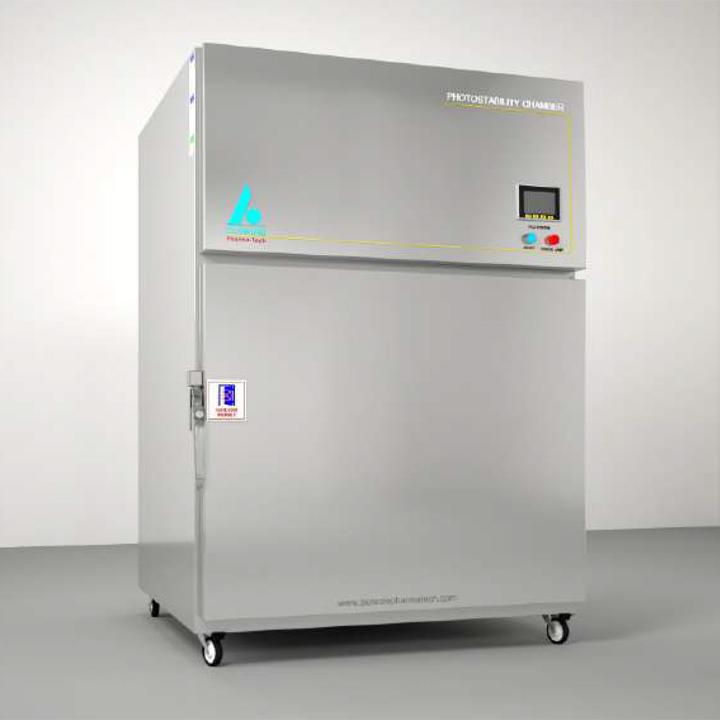 Shelf-life Testing Equipment
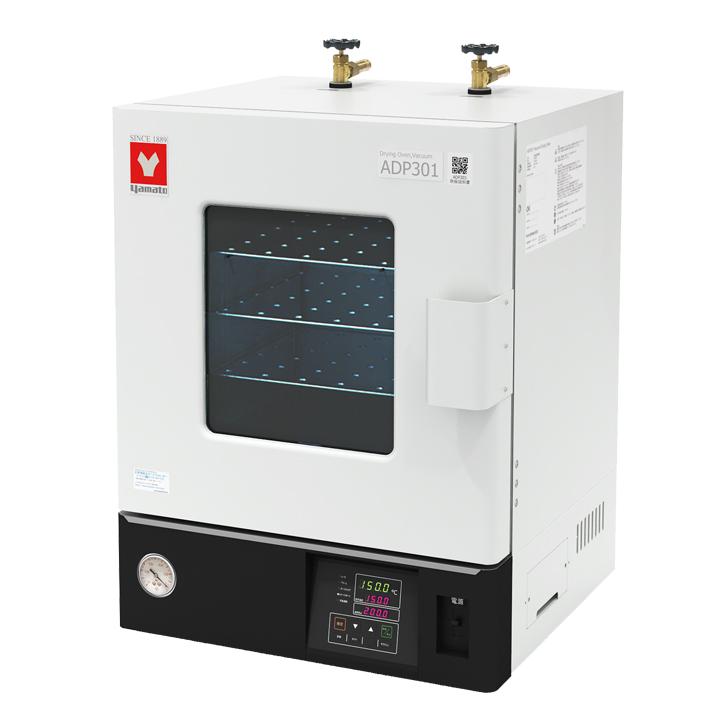 Drying Ovens
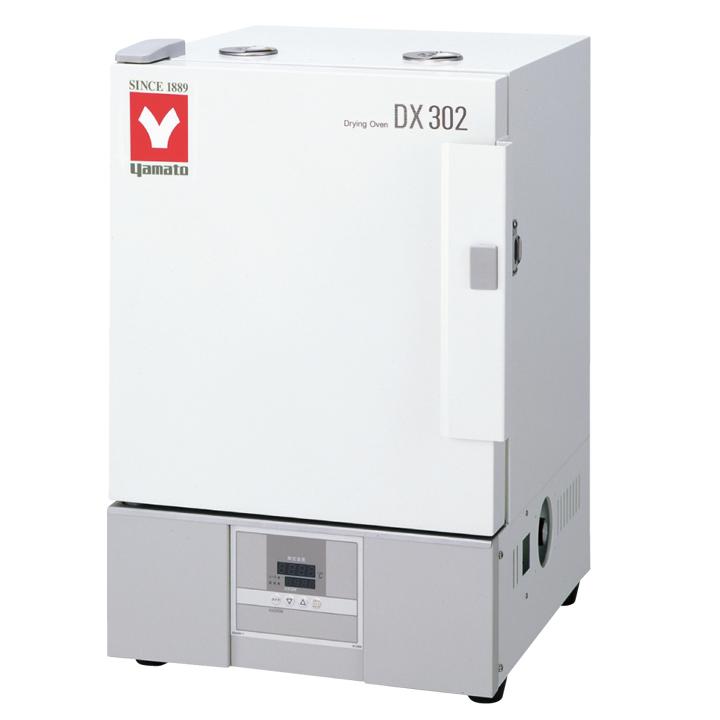 Incubators
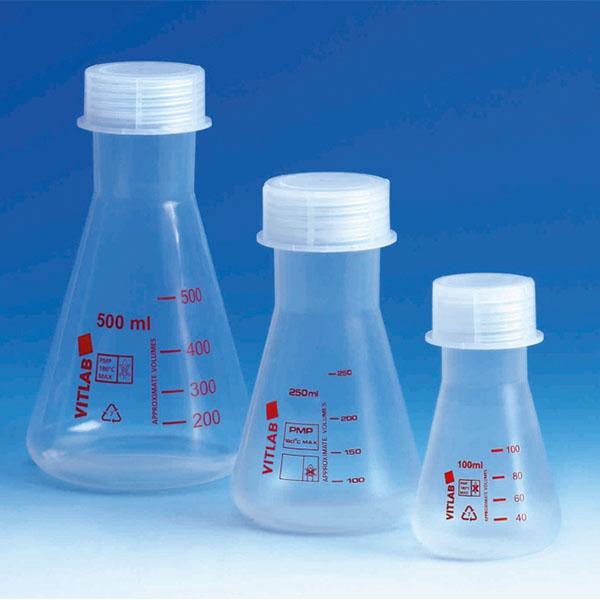 Laboratory Flasks
 Beakers, Measuring Jugs
 Liquid Handling Tools
 Sampling Tools
 Filtration Tools and Consumables
 Racks and Stands
 Laboratory Bottles and Vials
 Thermometers, Hydrometers, Baumé Hydrometers, Alcoholmeters
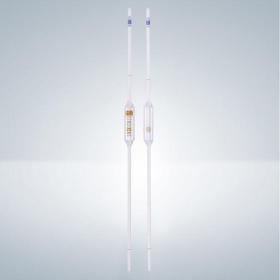 Pipettes
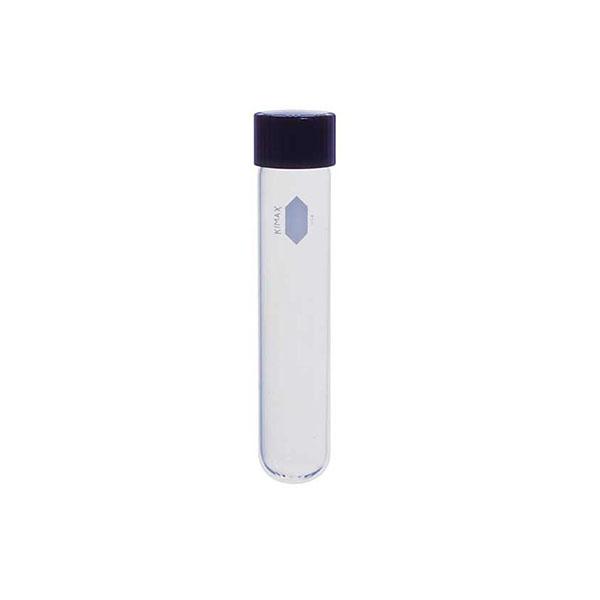 Test tubes
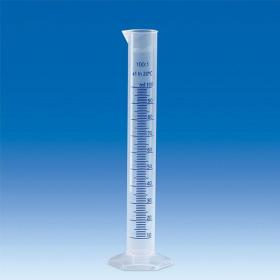 Graduated cylinders
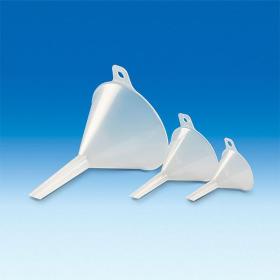 Funnels
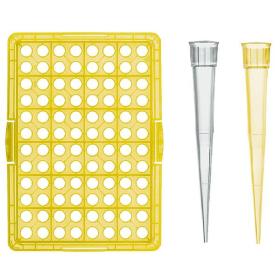 Tips & tip boxes
 Homogenizer bags
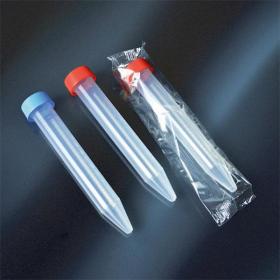 Centrifuge tubes
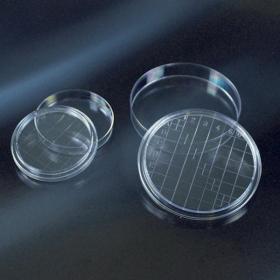 Petri dishes
 Others
- Glass capillary tubes
- Glass melting point tubes
- Condensers
- Plastic weighing boats
- Glass stirring rods
- Filtration and separation equipment
- Alcohol burners
- Glass weighing bottles
- Crucibles
- Crucible tongs
- Blender bag openers
- BagClip sealing clips
- Autoclave deodorant capsules
- Magnetic stir bars
- Test tube brushes
- Glass watch glasses
- Glass beads
- Glass wool
- Glass slides
- Plastic buckets
- Stainless steel bucket
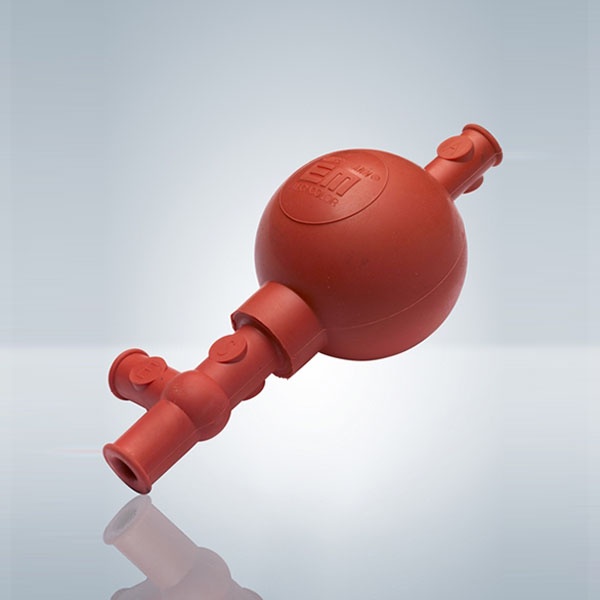
- Rubber bulb
- Inoculation loop
- Sampling rod
- Plastic spoon
- Stainless steel spoon
- Plastic tweezers
- Glass burette
- Glass slide
- Glass filter crucible
Petri dishes
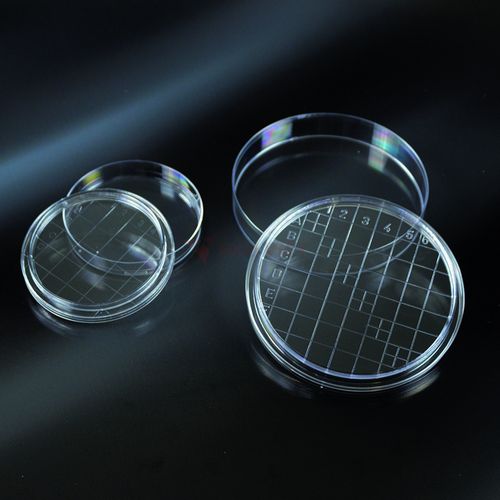
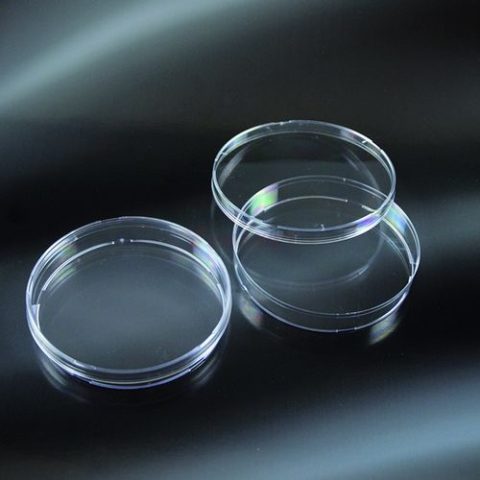
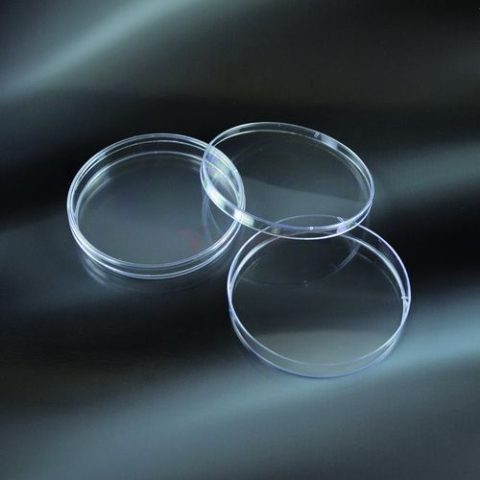
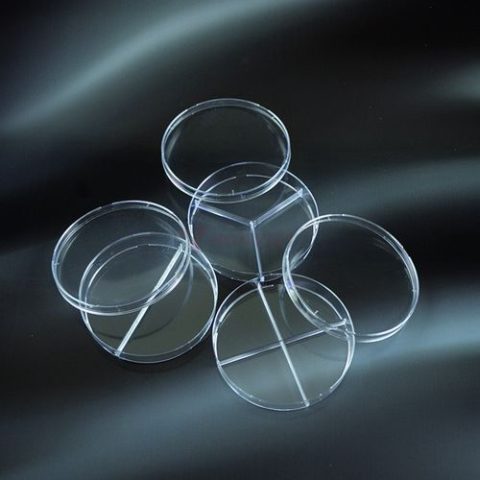
Introduction to Petri dishes
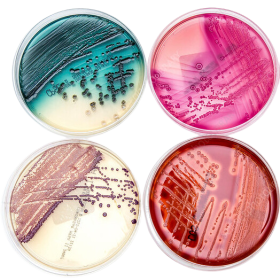
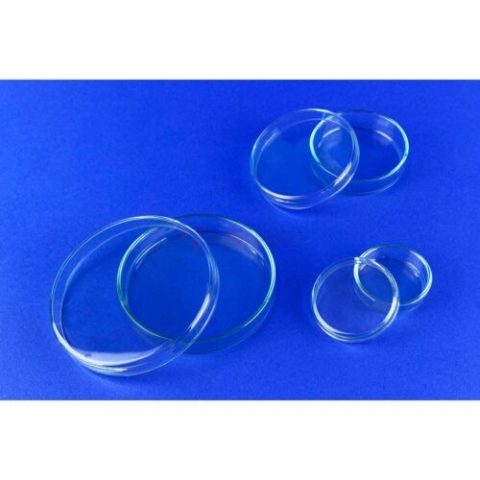
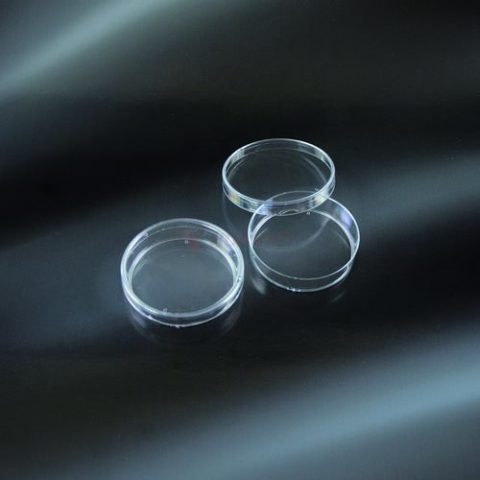
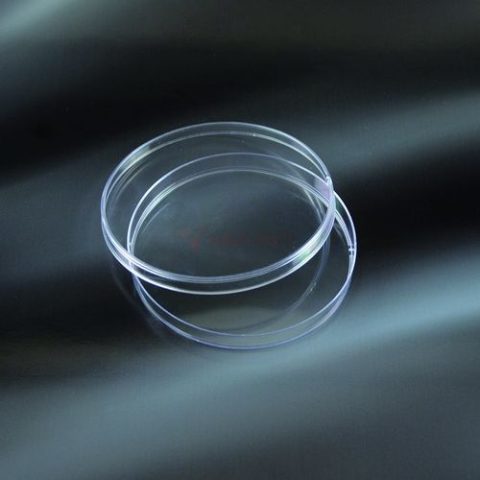
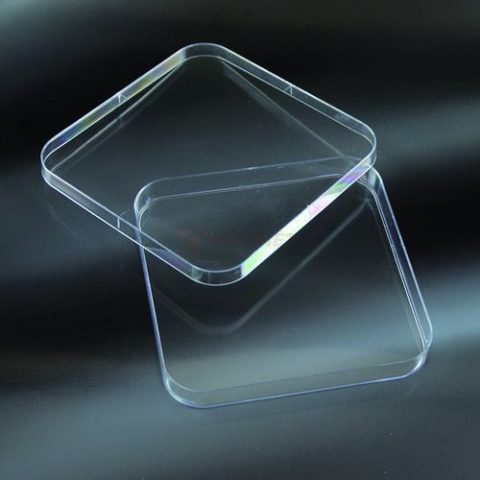
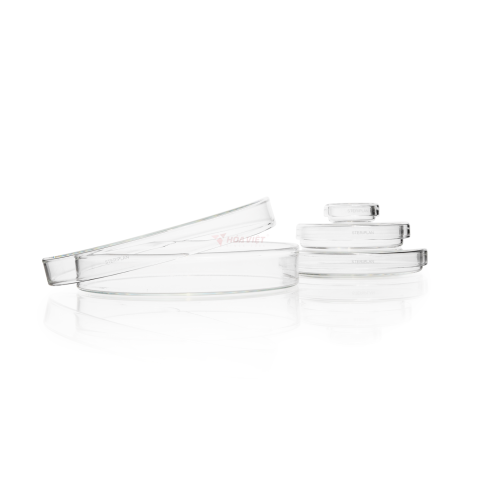
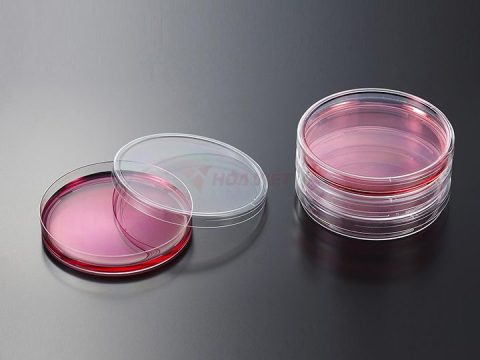
A petri dish is a shallow, lidded laboratory vessel commonly used to hold culture media for microorganisms, observe samples, and conduct ecological or biological experiments. Depending on aseptic requirements and experimental frequency, users can choose reusable glass petri dishes or disposable plastic petri dishes.
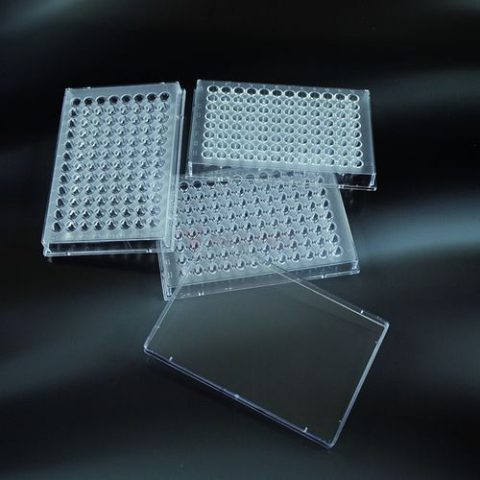
When selecting Petri dishes, key criteria include material (soda-lime glass, molded glass, or plastic), venting features (with 3 vents or non-vented), sterility status, and design (standard round, bi-plate/2-compartment, 120x120mm square, grid-marked, or 96-well U-bottom, V-bottom, or flat-bottom sampling plates). Hoa Viet currently supplies Petri dishes from manufacturers including Aptaca (Italy), Assistent (Germany), Duran (Germany), and Jet Biofil (China), offering a wide range of sizes from 4cm to 140mm in diameter.
Which manufacturers' petri dishes does Hoa Viet supply?
Currently, Hoa Viet distributes glass and plastic petri dishes from brands including Aptaca (Italy), Assistent (Germany), Duran (Germany), and Jet Biofil (China). Customers can contact Hoa Viet for detailed technical advice for each application.
What is the difference between plastic petri dishes with 3 vents and those without vents?
Dishes with 3 vents create a small gap between the lid and base, facilitating air exchange for aerobic microorganisms and minimizing condensation on the lid. Conversely, non-vented dishes fit tighter, helping to limit moisture loss from culture media.
What sterility standards do Jet Biofil sterile plastic petri dishes meet?
The product is sterilized by irradiation to a sterility assurance level of SAL 10⁻⁶. The dishes are also certified DNase-free, RNase-free, and non-pyrogenic, suitable for microbiological and molecular biology testing.
When should glass petri dishes be chosen over plastic petri dishes?
Glass petri dishes (such as soda-lime or pressed glass) are suitable when laboratories need to wash and reuse them multiple times to reduce long-term consumable costs. Meanwhile, sterile disposable plastic petri dishes are ideal for procedures requiring high convenience and minimal risk of cross-contamination.
