

 Analytical Equipment
 Microbiology Equipment
- Gravimetric Diluters and Sample Weighing Systems
- Mediaprep Automated Media Preparators
- Mediafill Automated Media Distributors
- Manual Media Dispensers
- Lab Blenders / Homogenizers
- Automated Spiral Platers
- Manual Colony Counters
- Automated Colony Counters
- Inhibition Zone Readers
- Automated Incubators and Colony Counters
- Biosafety Cabinets
- Laminar Flow Hoods
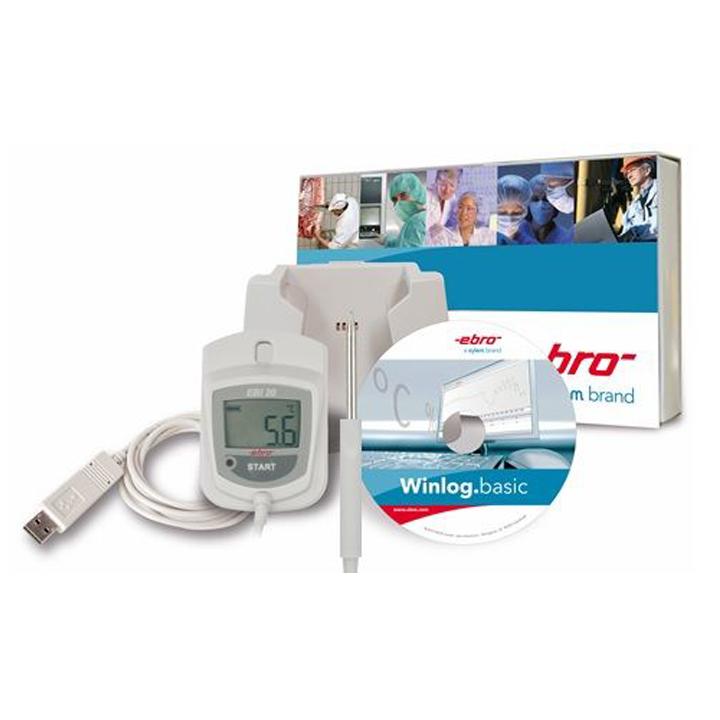 Temperature, Humidity, and Pressure Measuring Instruments
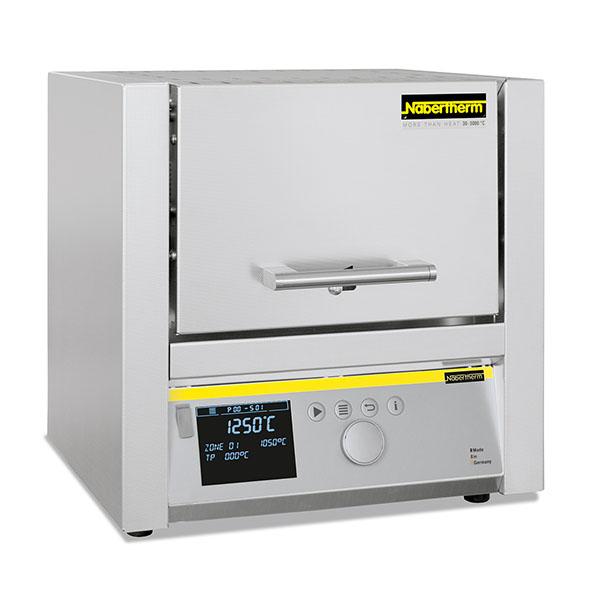 Other Basic Equipment
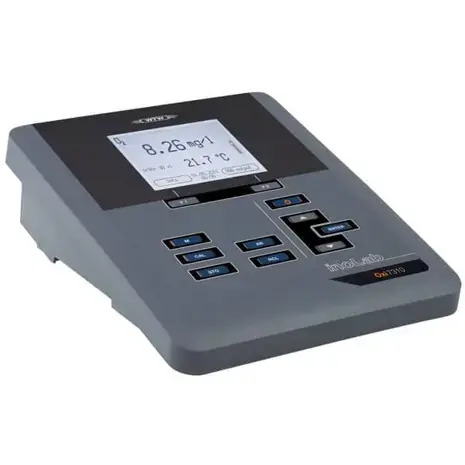 Multiparameter Water Quality Meters
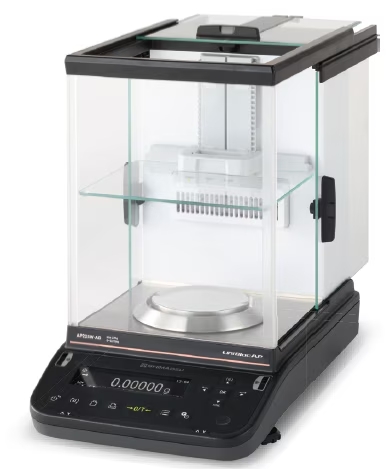 Balances
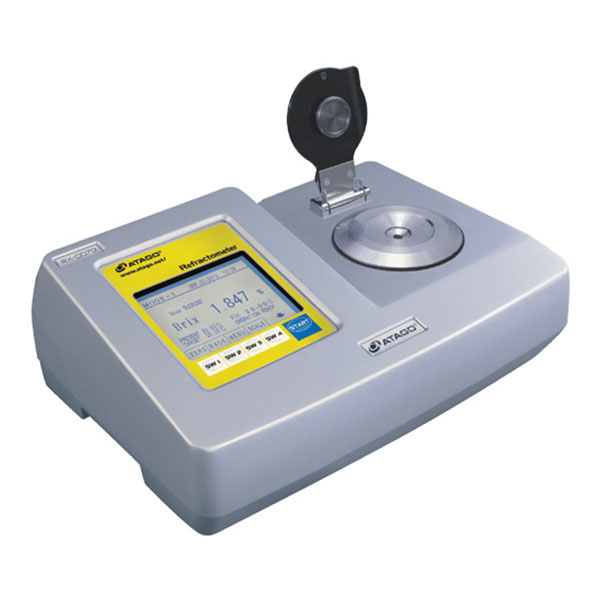 Polarimeters, Refractometers
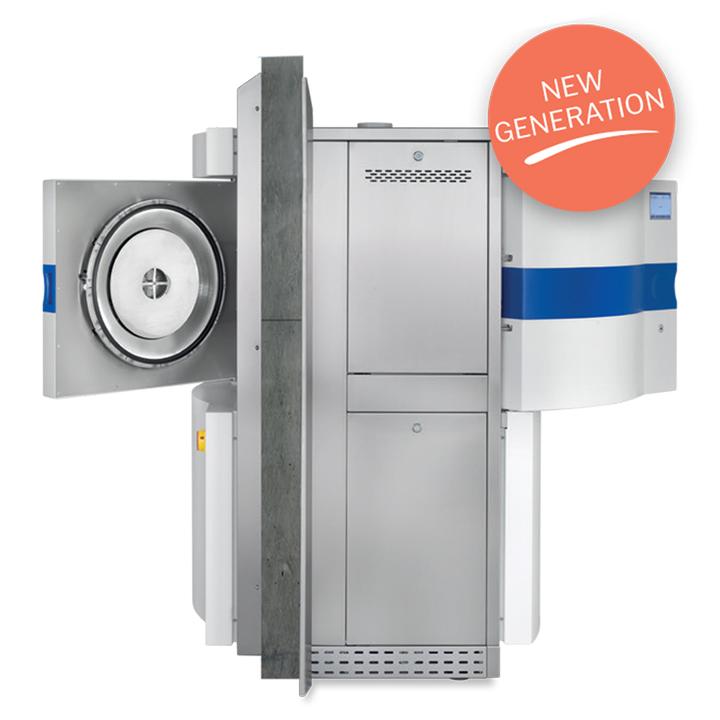 Autoclaves
 Biotechnology Equipment and Solutions
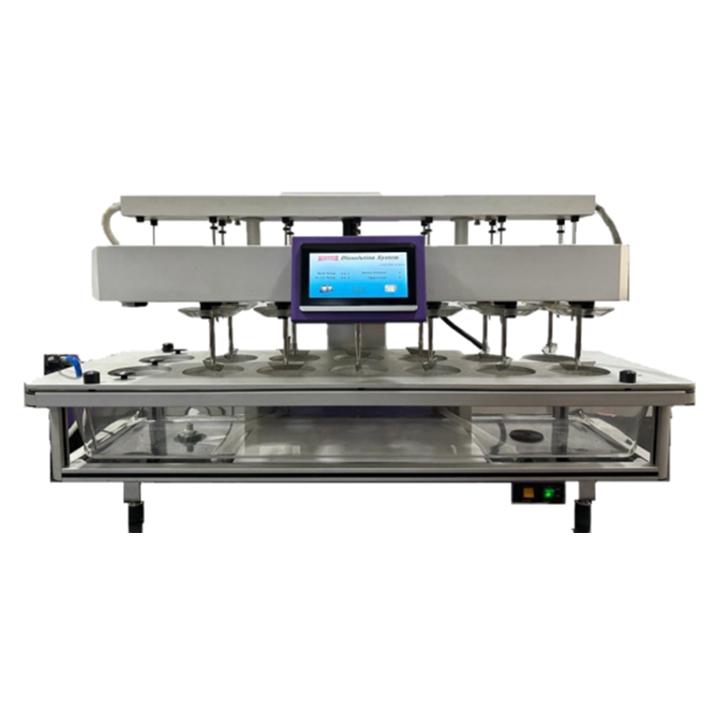 Pharmaceutical Equipment
 Shelf-life Testing Equipment
 Drying Ovens
 Incubators
 Laboratory Flasks
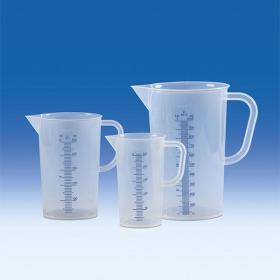 Beakers, Measuring Jugs
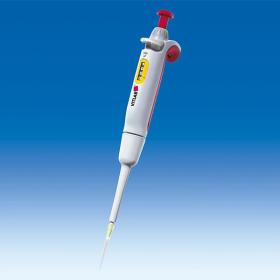 Liquid Handling Tools
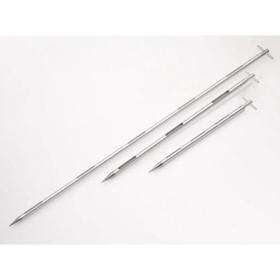 Sampling Tools
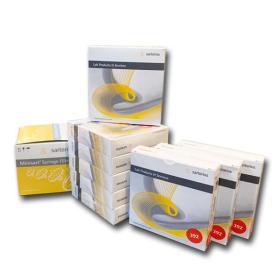 Filtration Tools and Consumables
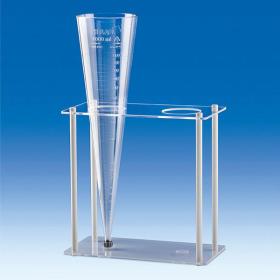 Racks and Stands
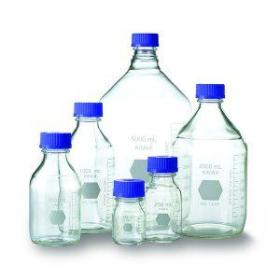 Laboratory Bottles and Vials
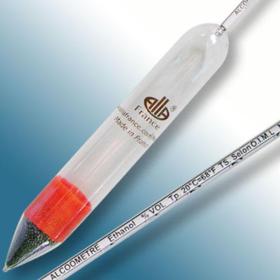 Thermometers, Hydrometers, Baumé Hydrometers, Alcoholmeters
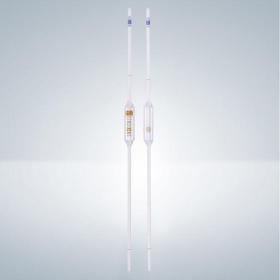 Pipettes
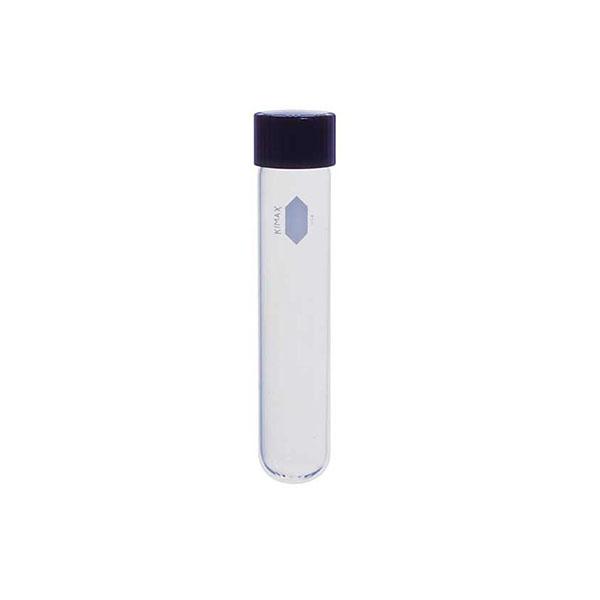 Test tubes
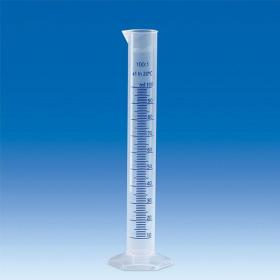 Graduated cylinders
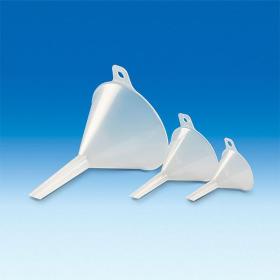 Funnels
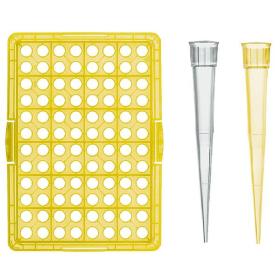 Tips & tip boxes
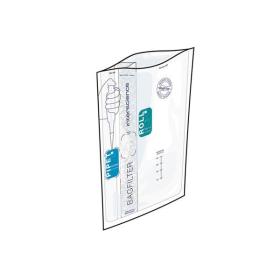 Homogenizer bags
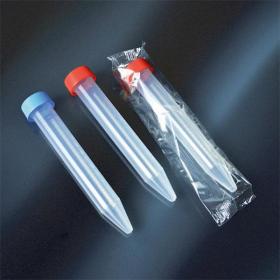 Centrifuge tubes
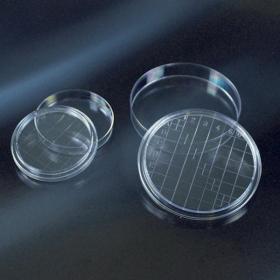 Petri dishes
 Others
- Glass capillary tubes
- Glass melting point tubes
- Condensers
- Plastic weighing boats
- Glass stirring rods
- Filtration and separation equipment
- Alcohol burners
- Glass weighing bottles
- Crucibles
- Crucible tongs
- Blender bag openers
- BagClip sealing clips
- Autoclave deodorant capsules
- Magnetic stir bars
- Test tube brushes
- Glass watch glasses
- Glass beads
- Glass wool
- Glass slides
- Plastic buckets
- Stainless steel bucket
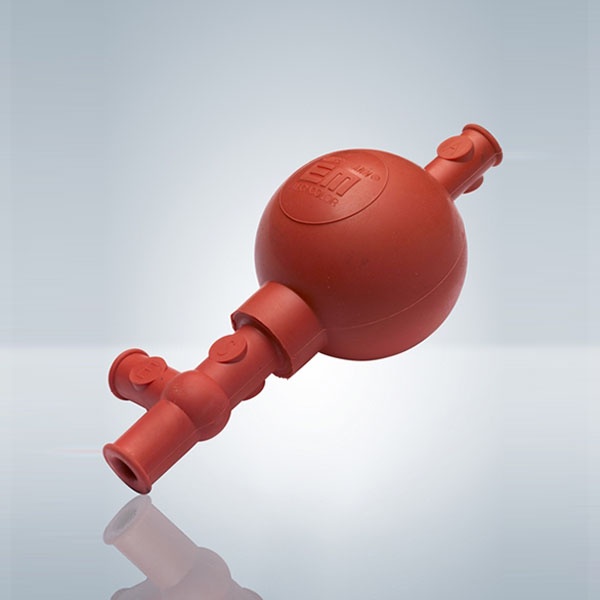
- Rubber bulb
- Inoculation loop
- Sampling rod
- Plastic spoon
- Stainless steel spoon
- Plastic tweezers
- Glass burette
- Glass slide
- Glass filter crucible
Plastic wash bottle

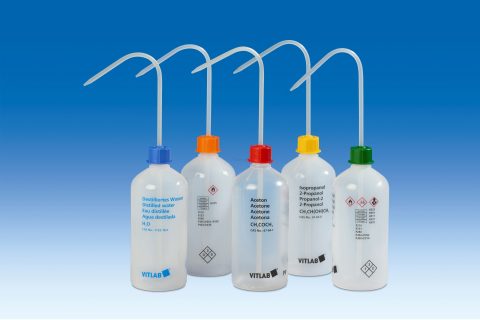
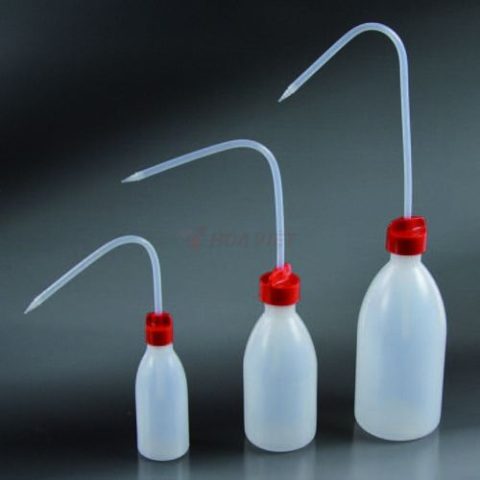
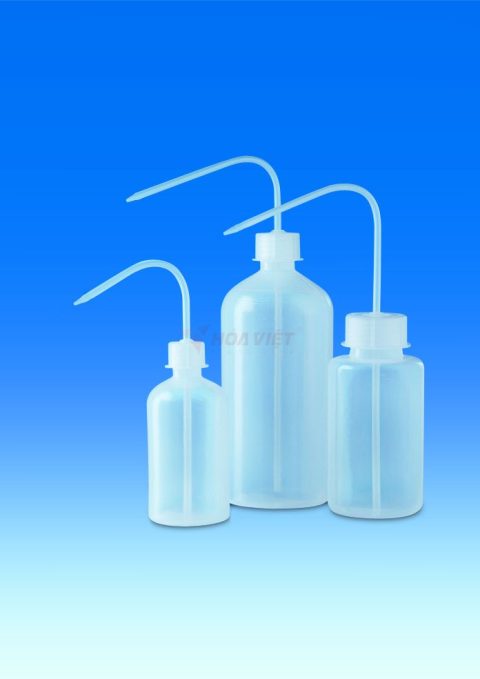
Introduction to Plastic wash bottles
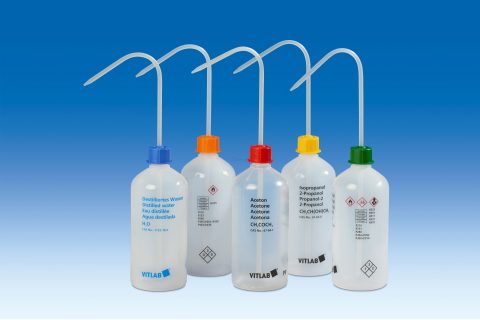
Plastic wash bottles are laboratory liquid containment and dispensing tools, commonly used for rinsing glassware, dispensing distilled water, or rinsing test samples. The flexible body allows a gentle squeeze to direct the liquid stream accurately and continuously through the dispensing nozzle.
Depending on solvent properties and intended use, users can select materials such as PE, LDPE, or PP to ensure chemical compatibility. Products are currently available in 50ml, 250ml, and 500ml capacities with graduated bodies, narrow-mouth designs, or pre-printed safety labels in accordance with Regulation (EC) No. 1272/2008 (GHS) and colored VENT-CAP closures. Hoa Viet currently distributes plastic wash bottles from Aptaca (Italy) and Vitlab (Germany), meeting diverse laboratory operational requirements.
What are the benefits of GHS safety-labeled plastic wash bottles in the laboratory?
These bottles are pre-printed with information according to EC Directive No. 1272/2008 (GHS) and equipped with color-coded VENT-CAPs. This design allows operators to quickly identify chemicals visually, minimizing the risk of solvent confusion during work.
Which brands of plastic wash bottles is Hoa Viet supplying?
Hoa Viet distributes plastic wash bottles from Aptaca (Italy) and Vitlab (Germany). The product range includes standard graduated wash bottles and pre-printed wash bottles for various specialized chemicals.
How to select the right plastic wash bottle material for the intended solvent?
Users need to match the chemical resistance of the bottle material (PE, PE-LD, or PP) with the intended solvent. For example, PP is suitable for Acetone or Methyl ethyl ketone, while PE-LD is commonly used for distilled water and many standard solvents.
What capacities are available for plastic wash bottles at Hoa Viet?
Products are currently available in capacities of 50ml, 250ml, and 500ml. Depending on storage space and frequency of use, customers can Contact us for advice on the right choice.
