


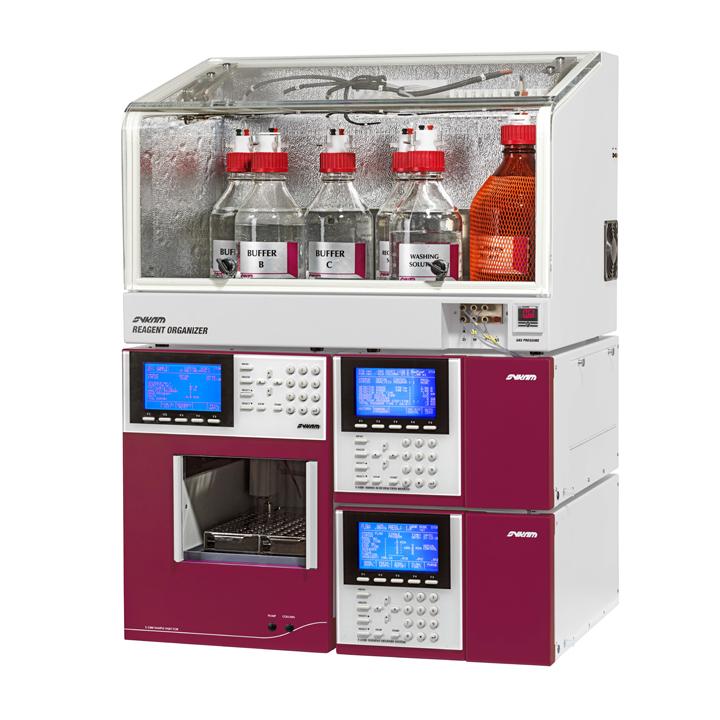
 Analytical Equipment
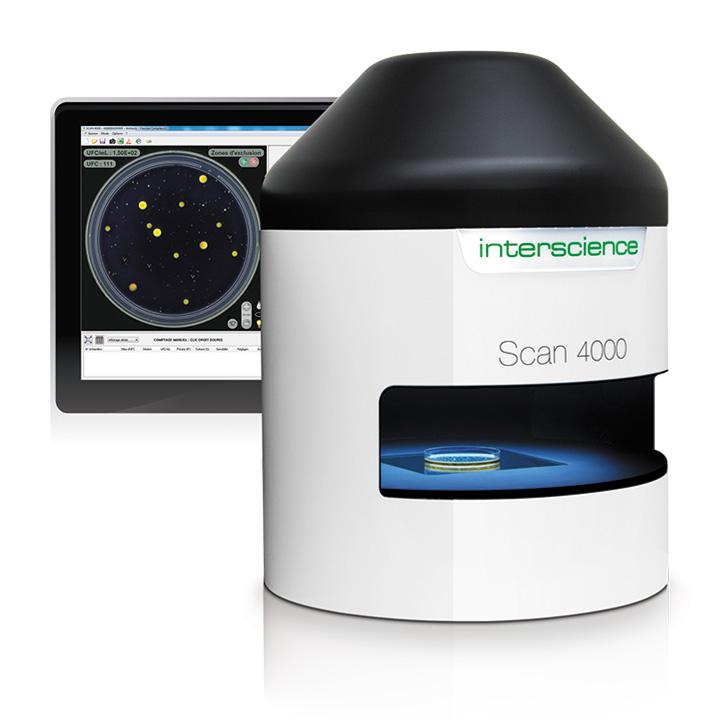 Microbiology Equipment
- Gravimetric Diluters and Sample Weighing Systems
- Mediaprep Automated Media Preparators
- Mediafill Automated Media Distributors
- Manual Media Dispensers
- Lab Blenders / Homogenizers
- Automated Spiral Platers
- Manual Colony Counters
- Automated Colony Counters
- Inhibition Zone Readers
- Automated Incubators and Colony Counters
- Biosafety Cabinets
- Laminar Flow Hoods
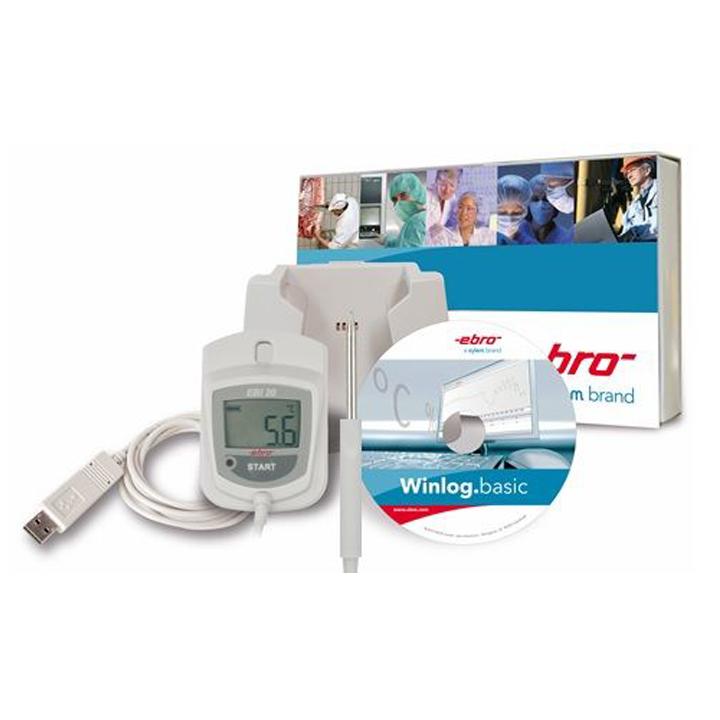 Temperature, Humidity, and Pressure Measuring Instruments
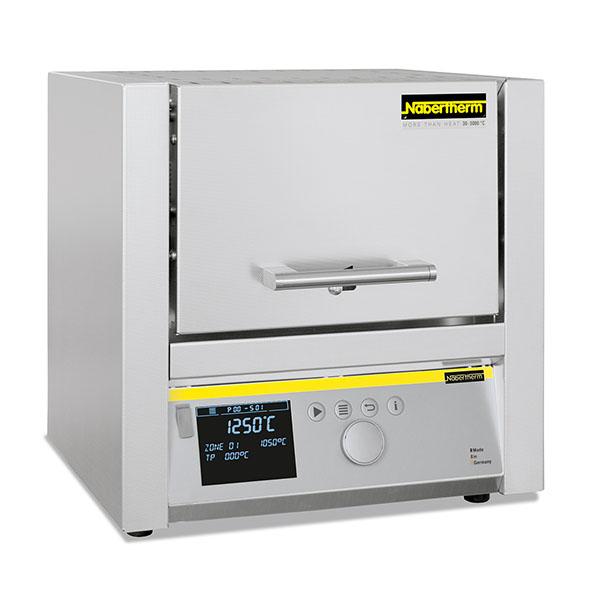 Other Basic Equipment
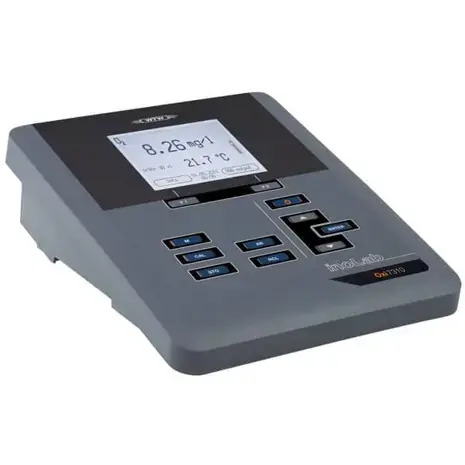 Multiparameter Water Quality Meters
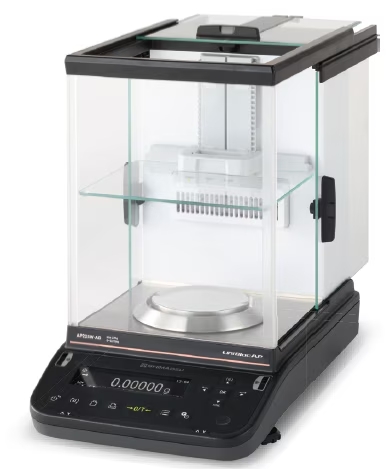 Balances
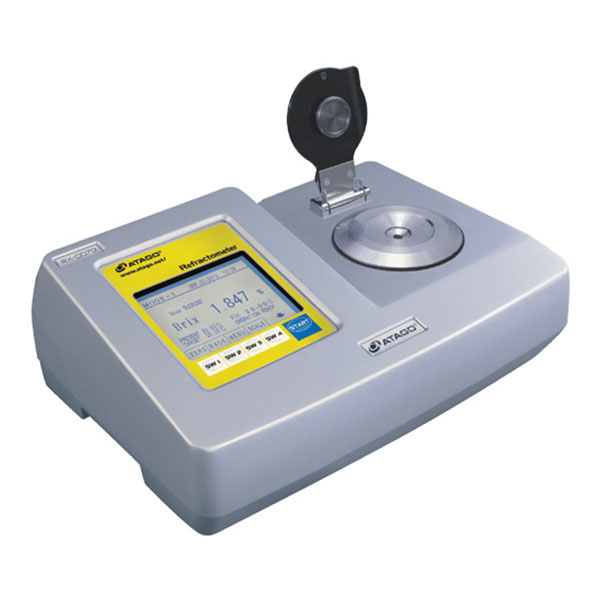 Polarimeters, Refractometers
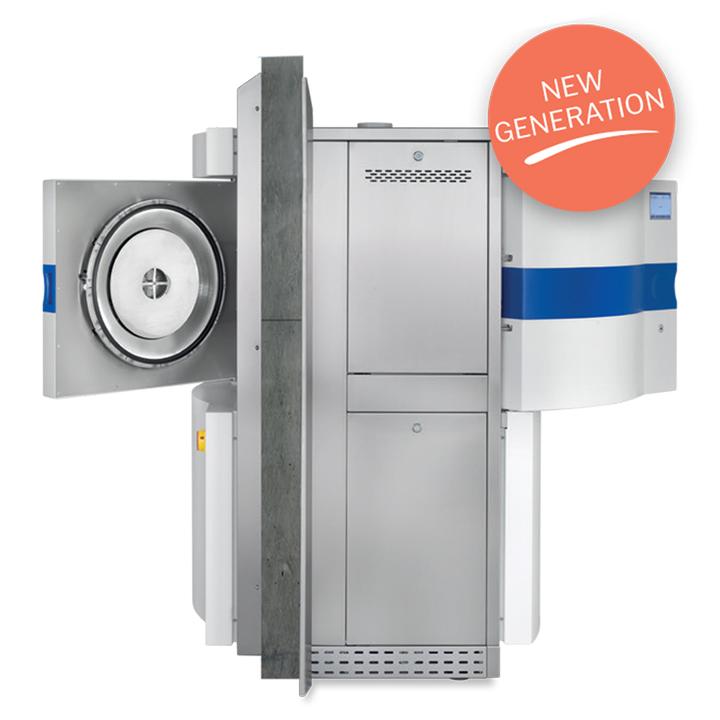 Autoclaves
 Biotechnology Equipment and Solutions
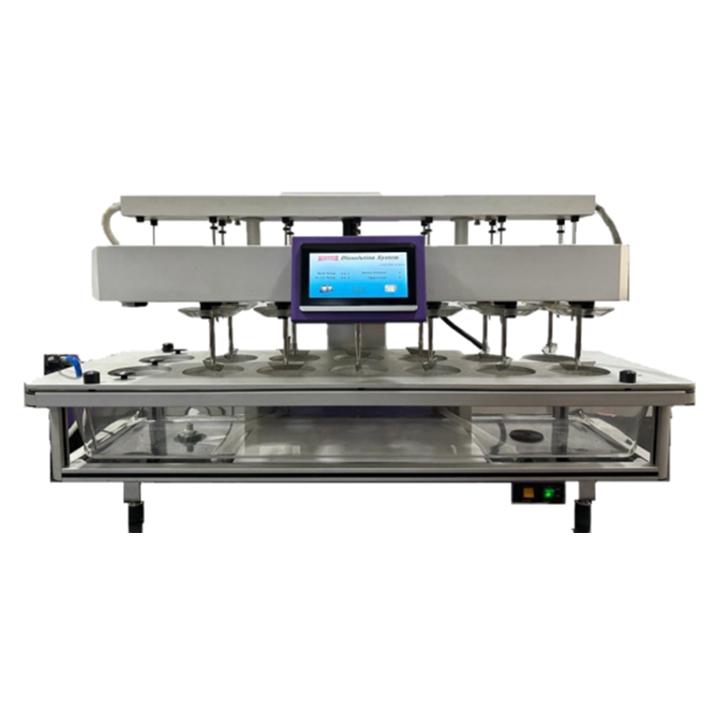 Pharmaceutical Equipment
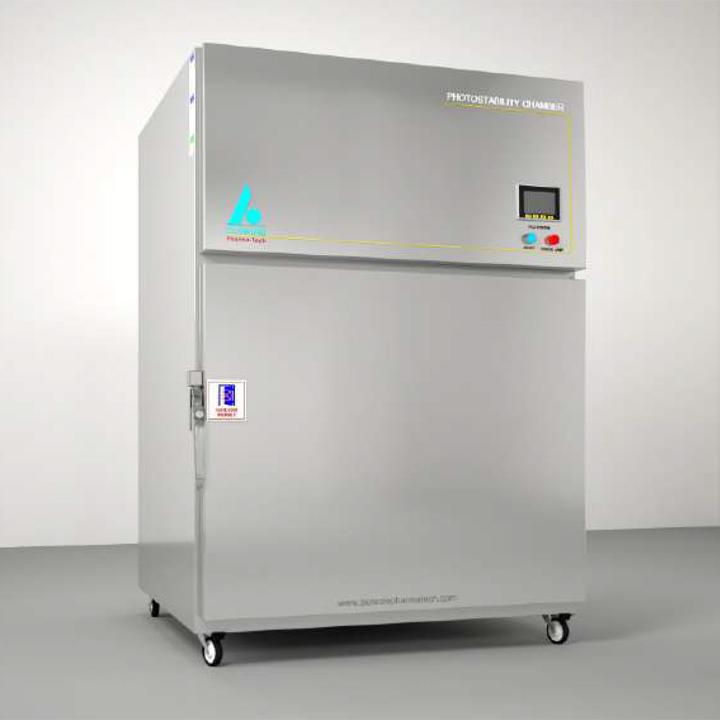 Shelf-life Testing Equipment
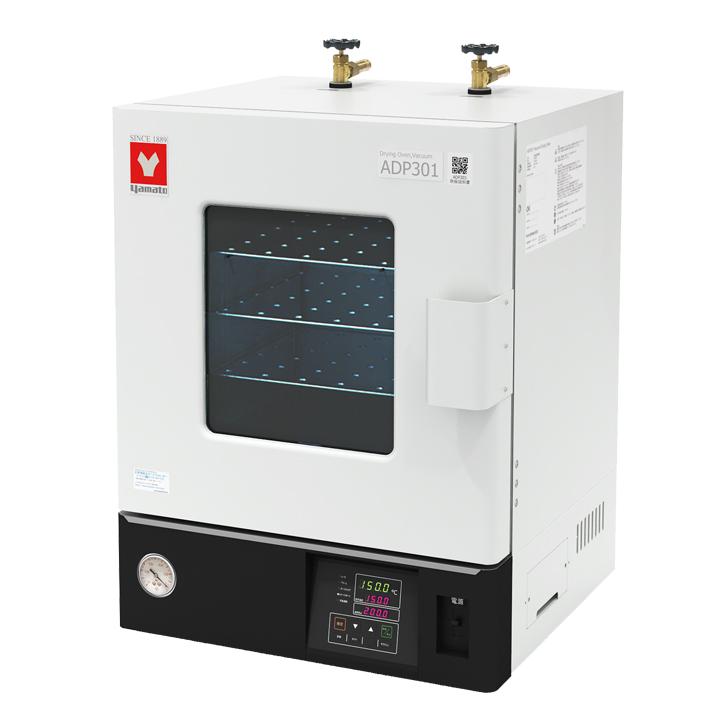 Drying Ovens
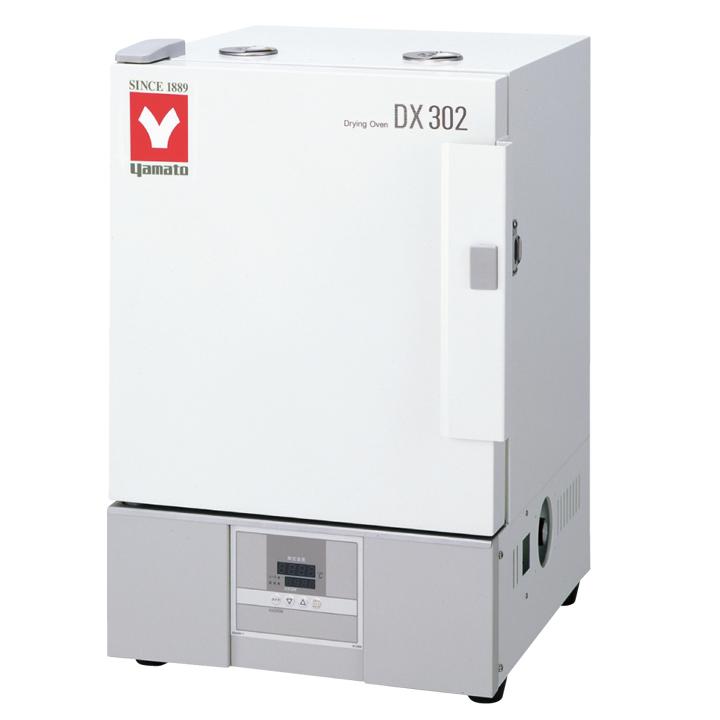 Incubators
 Laboratory Flasks
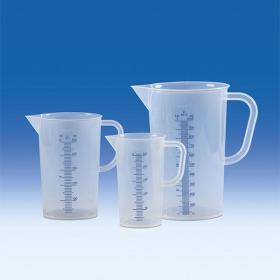 Beakers, Measuring Jugs
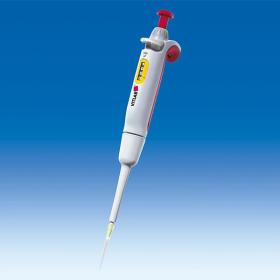 Liquid Handling Tools
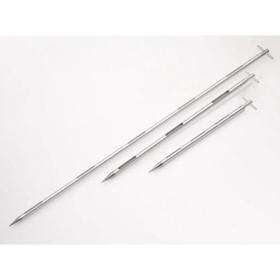 Sampling Tools
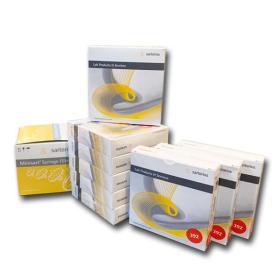 Filtration Tools and Consumables
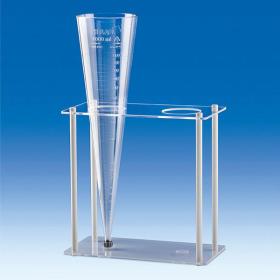 Racks and Stands
 Laboratory Bottles and Vials
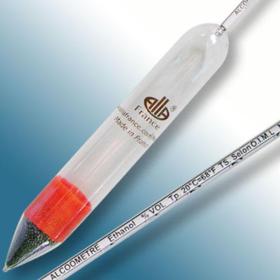 Thermometers, Hydrometers, Baumé Hydrometers, Alcoholmeters
 Pipettes
 Test tubes
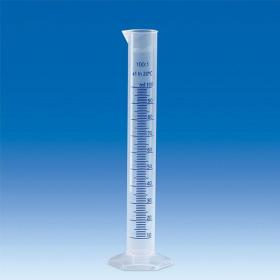 Graduated cylinders
 Funnels
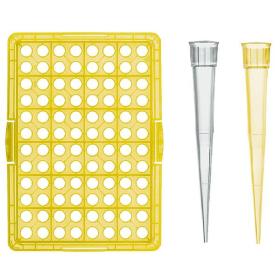 Tips & tip boxes
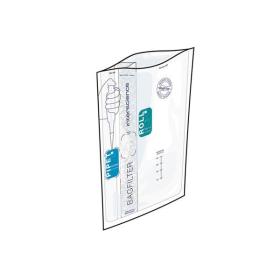 Homogenizer bags
 Centrifuge tubes
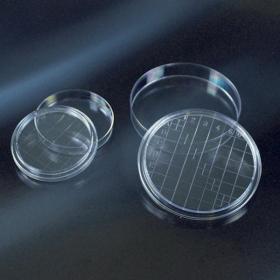 Petri dishes
 Others
- Glass capillary tubes
- Glass melting point tubes
- Condensers
- Plastic weighing boats
- Glass stirring rods
- Filtration and separation equipment
- Alcohol burners
- Glass weighing bottles
- Crucibles
- Crucible tongs
- Blender bag openers
- BagClip sealing clips
- Autoclave deodorant capsules
- Magnetic stir bars
- Test tube brushes
- Glass watch glasses
- Glass beads
- Glass wool
- Glass slides
- Plastic buckets
- Stainless steel bucket
- Rubber bulb
- Inoculation loop
- Sampling rod
- Plastic spoon
- Stainless steel spoon
- Plastic tweezers
- Glass burette
- Glass slide
- Glass filter crucible


Balances
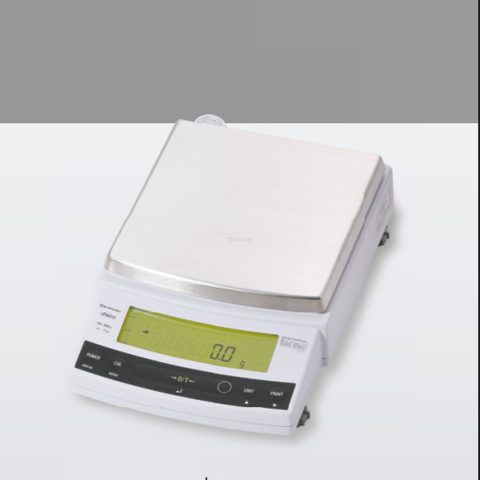
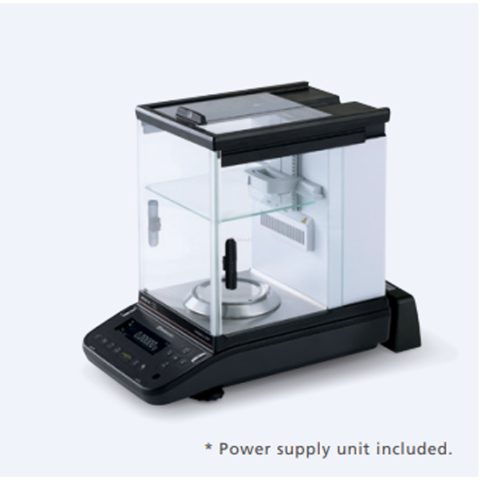
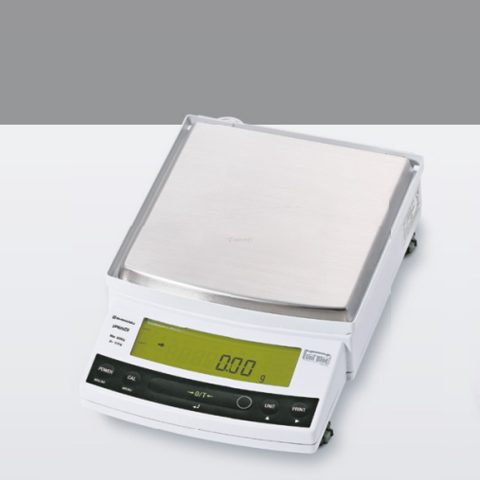
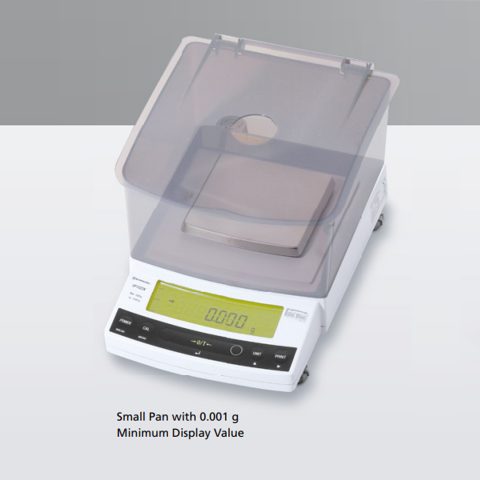
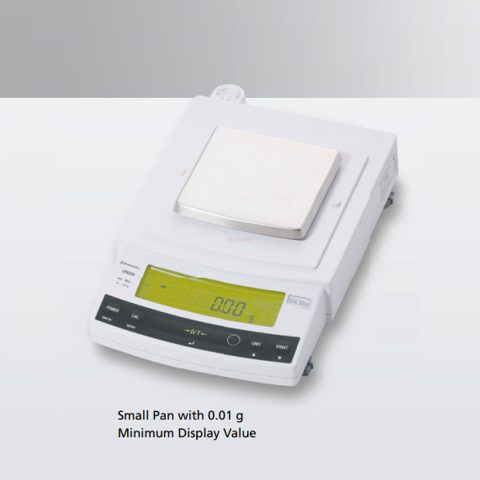
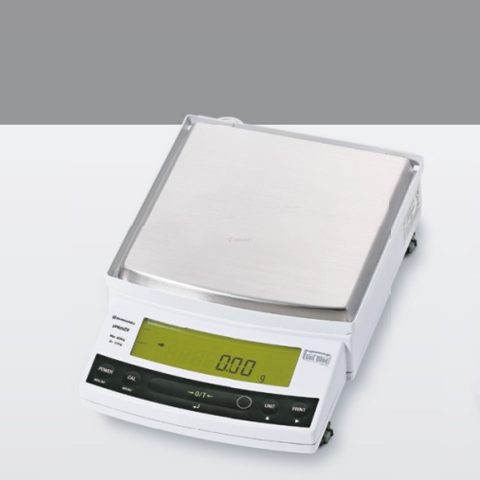
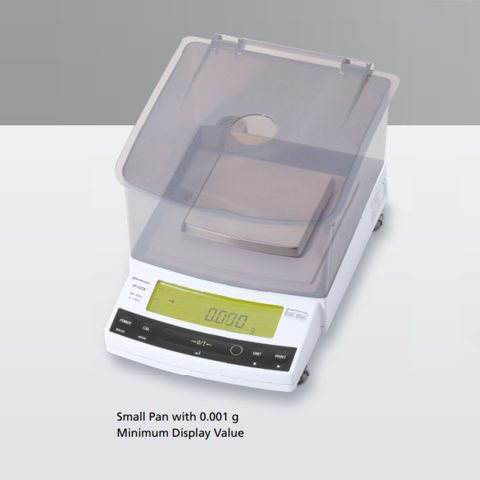
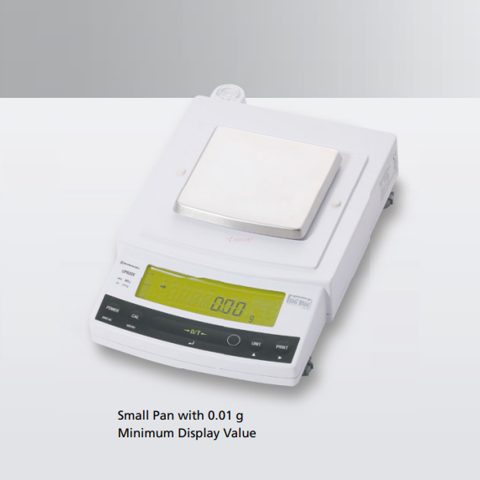
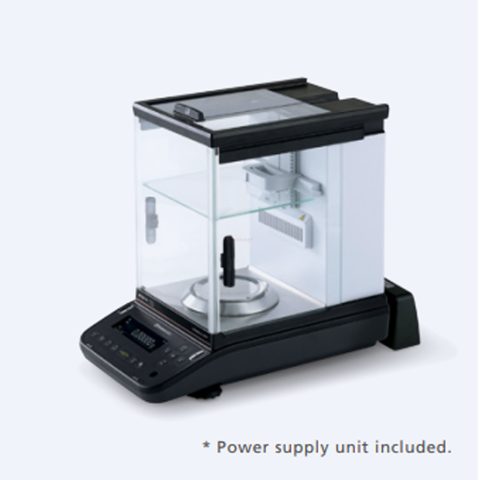
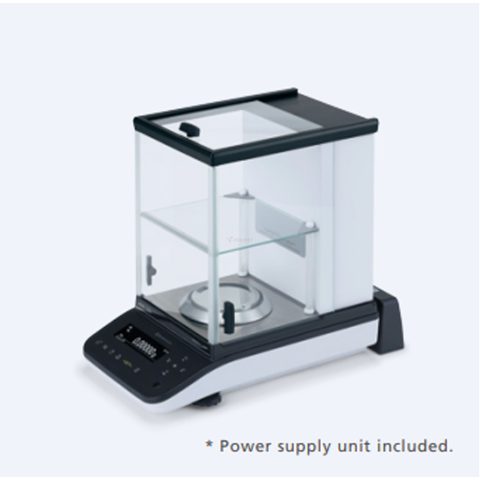
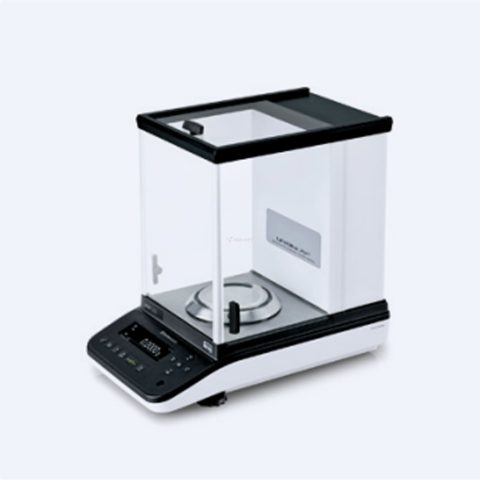
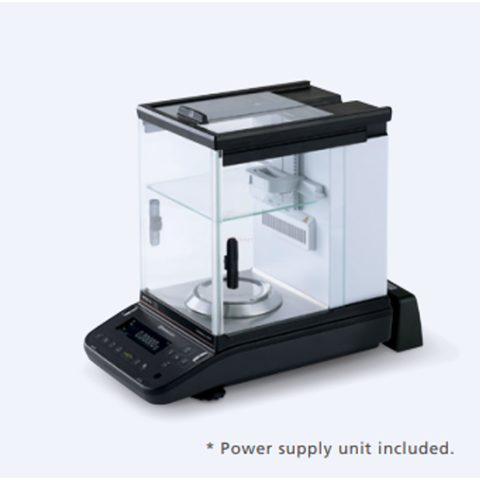
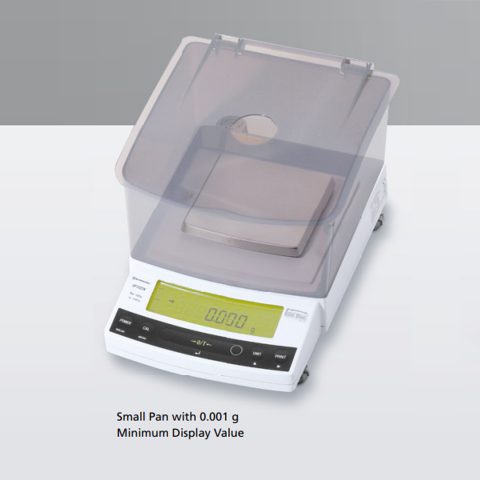
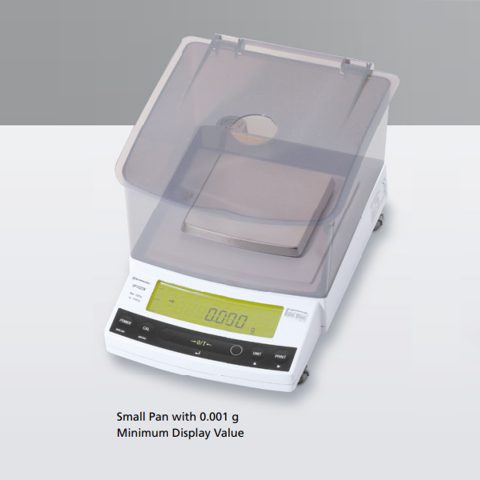
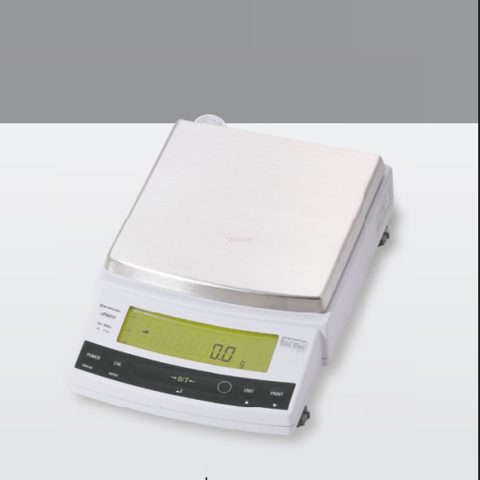
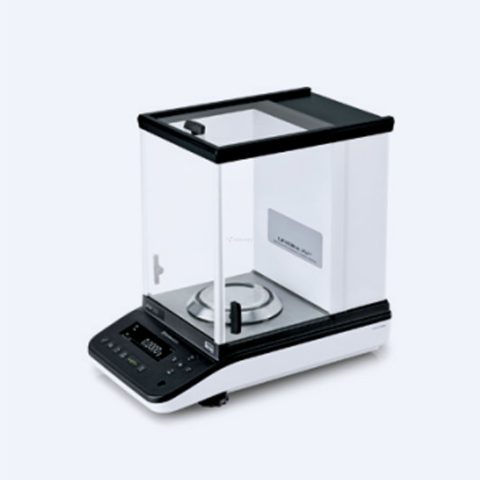
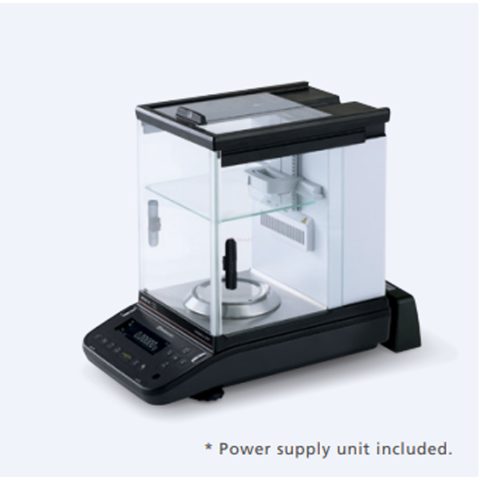
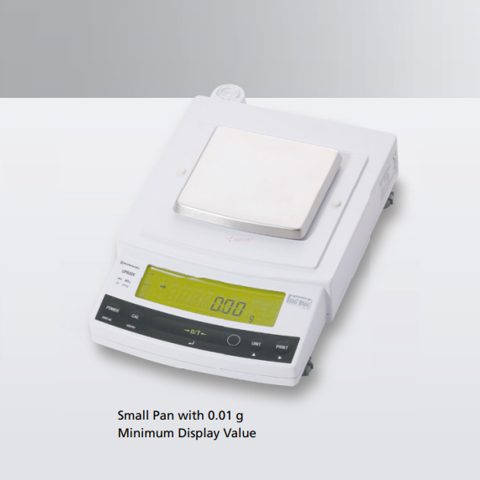
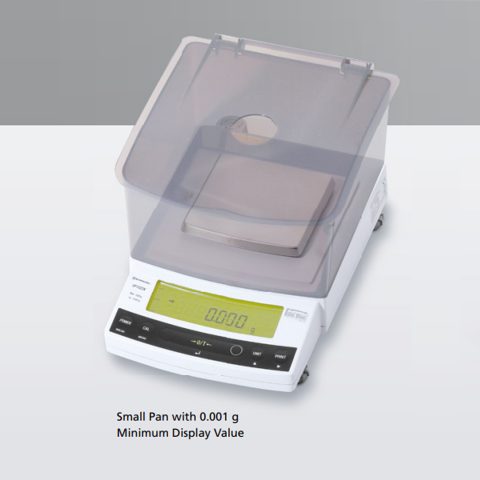
Introduction to Balances
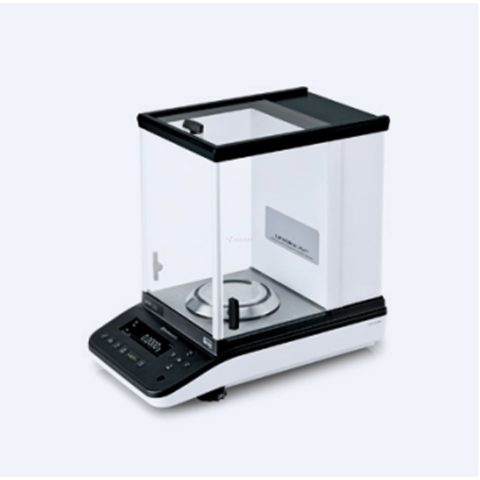
Laboratory balances are measuring instruments used to determine the mass or moisture content of samples in research, quality control, and technical analysis. The equipment plays a fundamental role in chemical preparation, sample formulation, and monitoring analytical parameters.
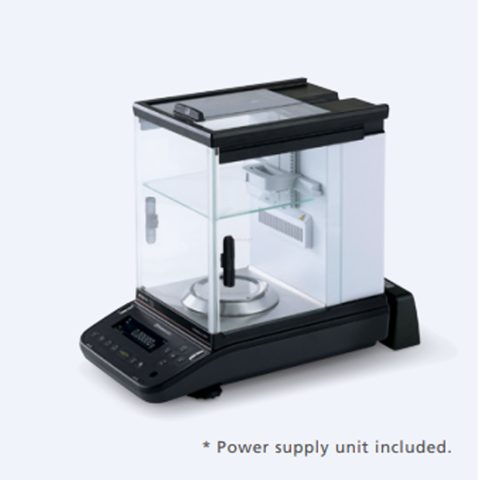
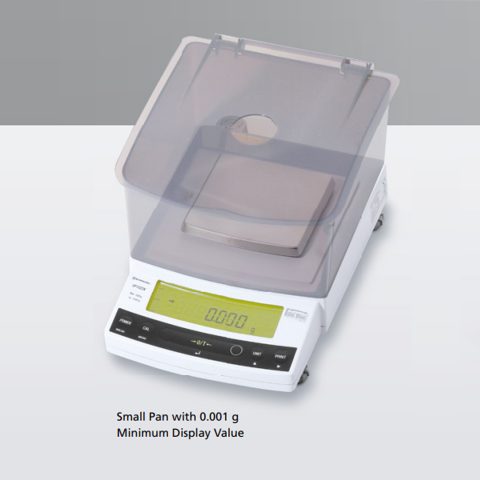
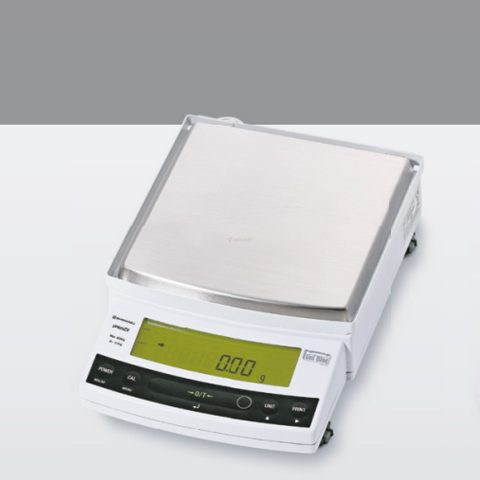
When selecting a balance, users need to clearly determine their application goals to choose the right equipment group, including analytical balances, precision balances, and moisture analyzers. Important criteria to consider include stability, response speed, automatic calibration capability, data management features, and moisture drying technology for each sample type. The balance portfolio at Hoa Viet provides products from Shimadzu (Japan), typically including the AP Series analytical balances, UP Series top-loading precision balances, and MOC moisture balances integrated with Unibloc technology and a halogen heater. Customers can Contact us for technical consultation and Request a quote.
Which brand of laboratory balances does Hoa Viet supply?
Hoa Viet currently supplies laboratory balance lines from Shimadzu (Japan), including analytical balances, precision balances, and moisture analyzers.
How do analytical balances and precision balances differ in the laboratory?
Analytical balances are designed for measurements requiring rigorous stability and often feature advanced data management functions for modern laboratories. Meanwhile, precision balances are typically top-loading types with fast response times, well suited for routine weighing and sample preparation tasks.
On what principle does a moisture analyzer operate?
A moisture analyzer integrates a weighing unit with a heating system, such as a halogen heater, to evaporate water from the sample. The device automatically records the change in mass before and after drying to calculate the precise moisture content of the sample under test.
What should be kept in mind regarding the placement of laboratory balances?
Balances must be placed on a flat, sturdy, and vibration-free surface to avoid affecting the measuring sensor. Additionally, the instrument should be positioned in a draft-free area, away from direct airflow from air conditioning systems and ventilation fans, and far from heat sources.
