


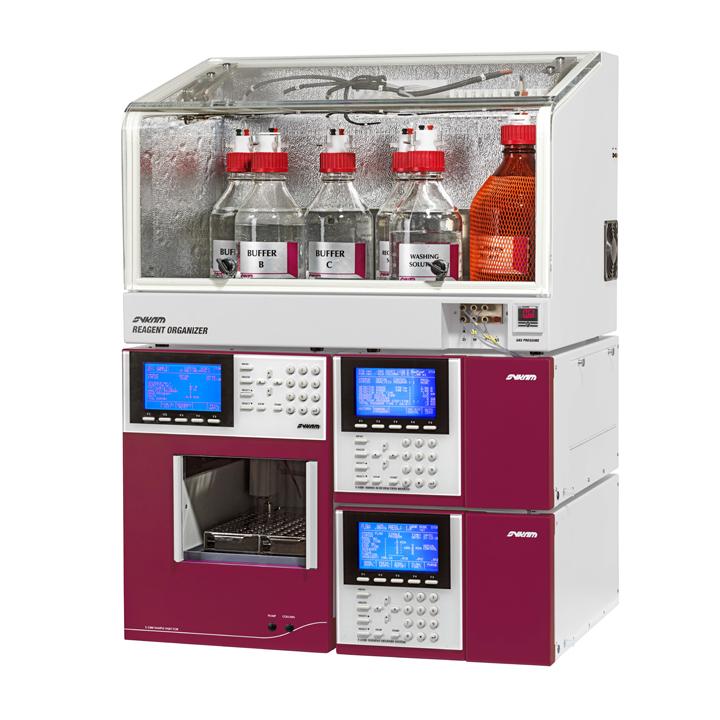
 Analytical Equipment
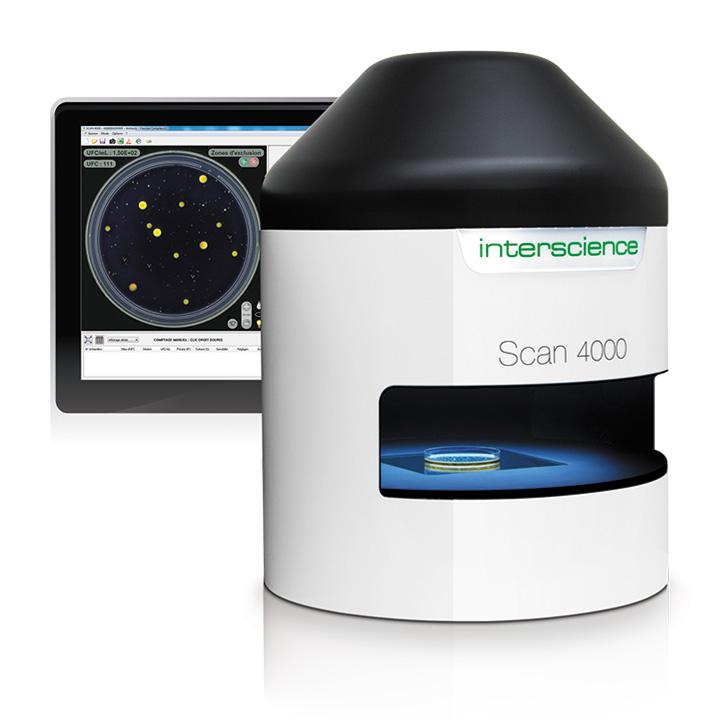 Microbiology Equipment
- Gravimetric Diluters and Sample Weighing Systems
- Mediaprep Automated Media Preparators
- Mediafill Automated Media Distributors
- Manual Media Dispensers
- Lab Blenders / Homogenizers
- Automated Spiral Platers
- Manual Colony Counters
- Automated Colony Counters
- Inhibition Zone Readers
- Automated Incubators and Colony Counters
- Biosafety Cabinets
- Laminar Flow Hoods
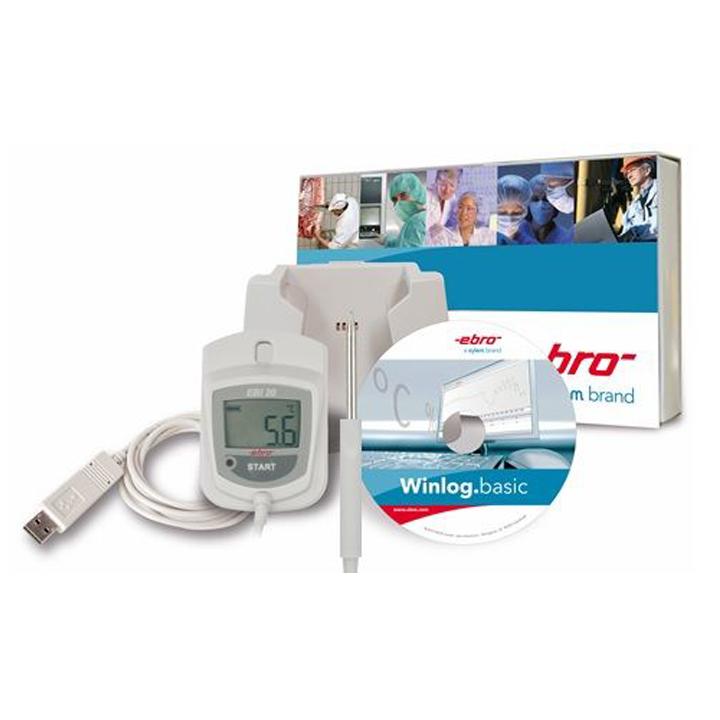 Temperature, Humidity, and Pressure Measuring Instruments
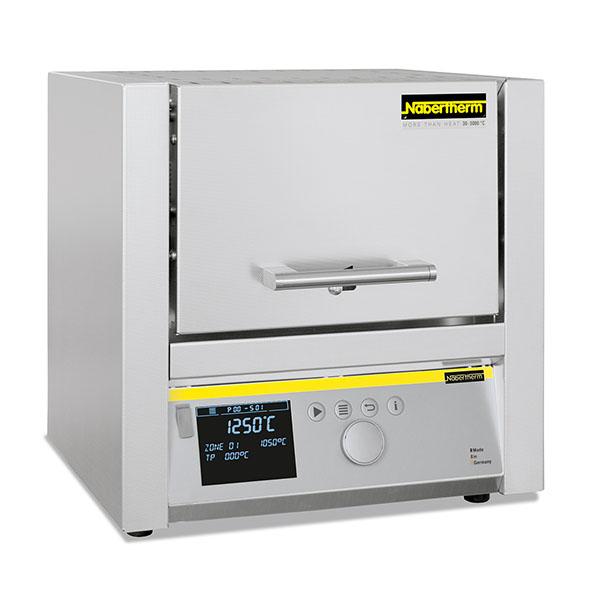 Other Basic Equipment
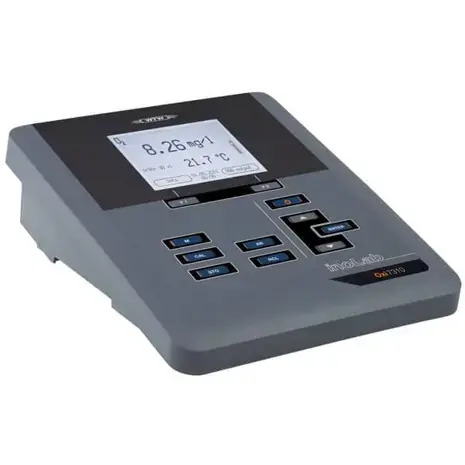 Multiparameter Water Quality Meters
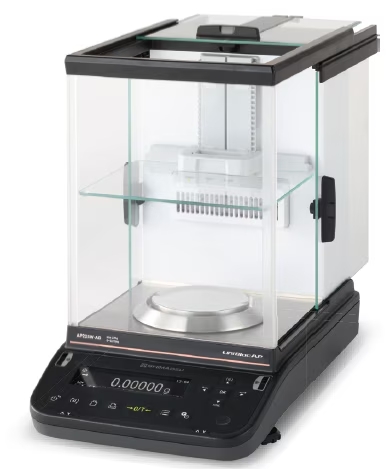 Balances
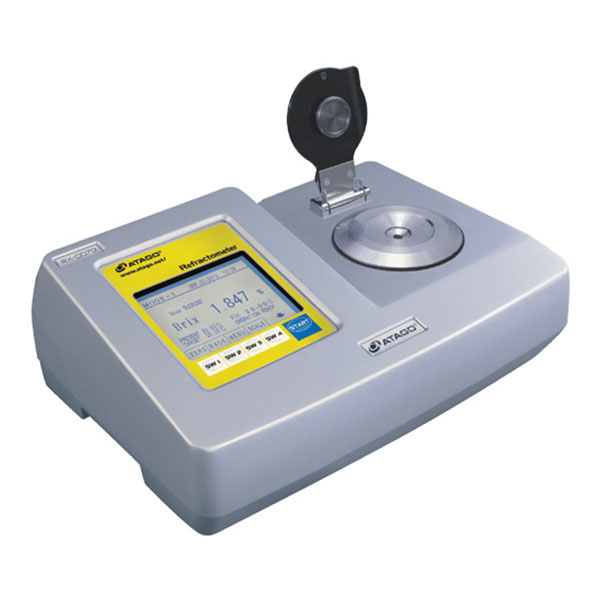 Polarimeters, Refractometers
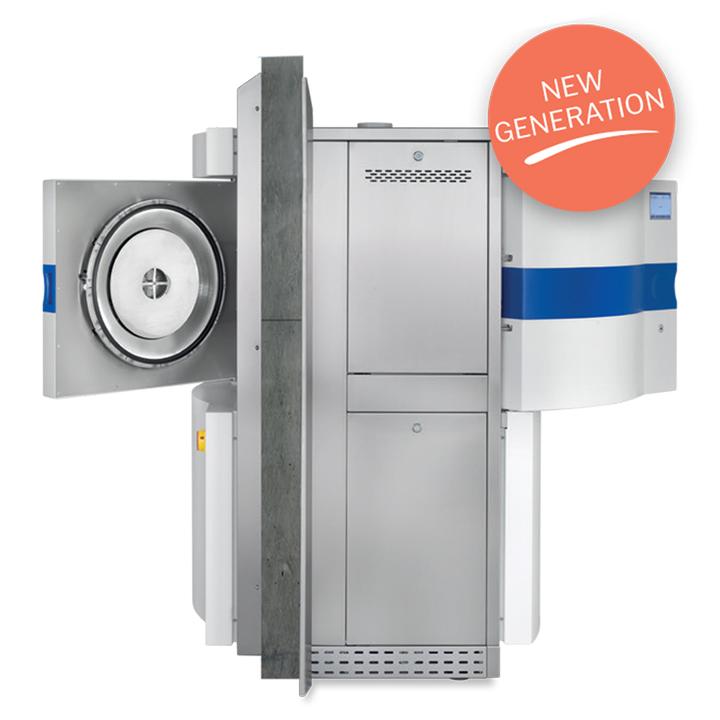 Autoclaves
 Biotechnology Equipment and Solutions
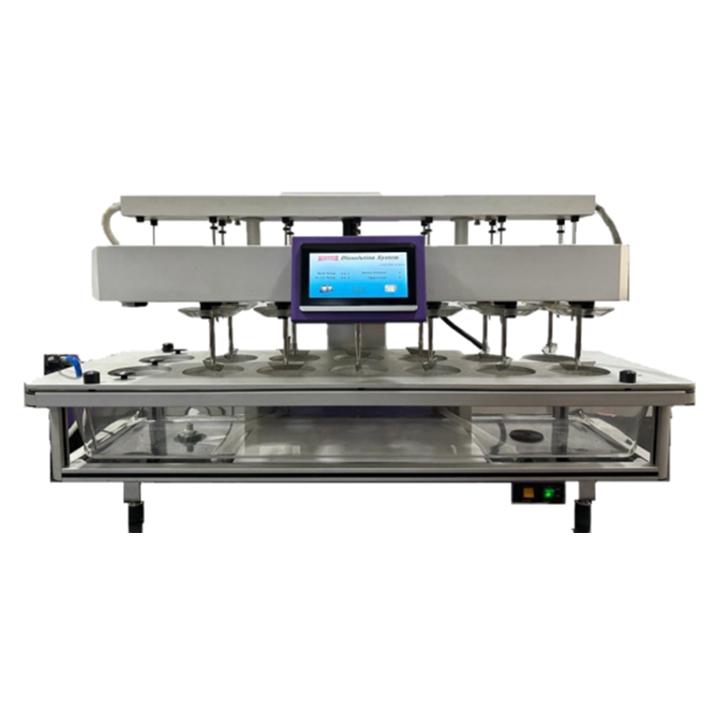 Pharmaceutical Equipment
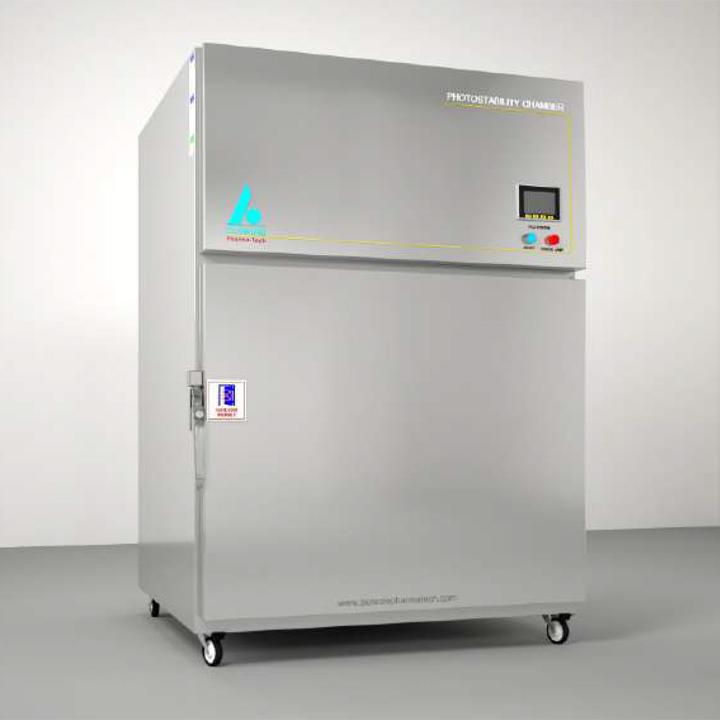 Shelf-life Testing Equipment
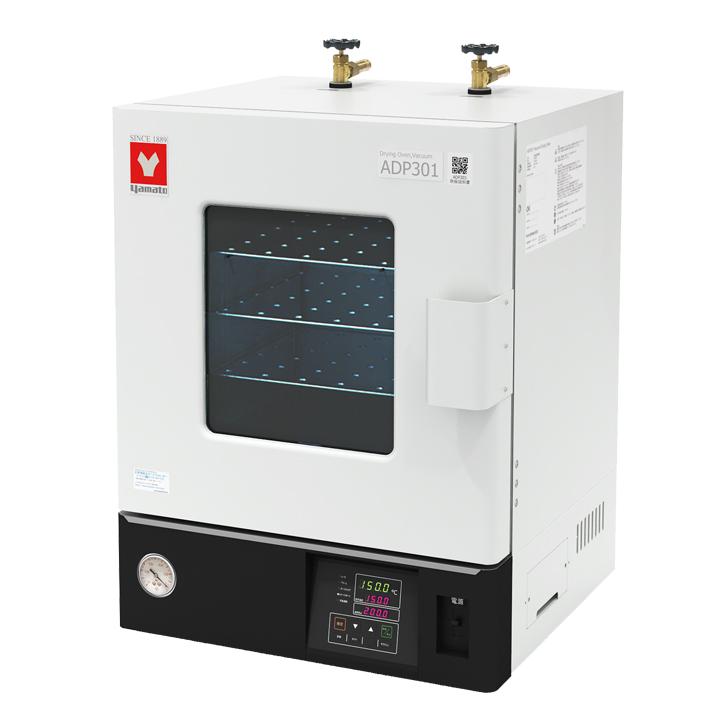 Drying Ovens
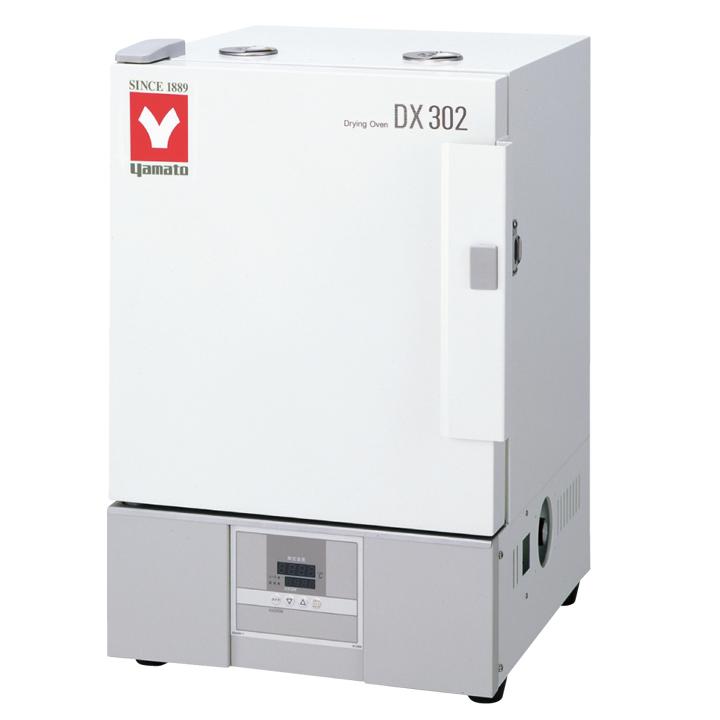 Incubators
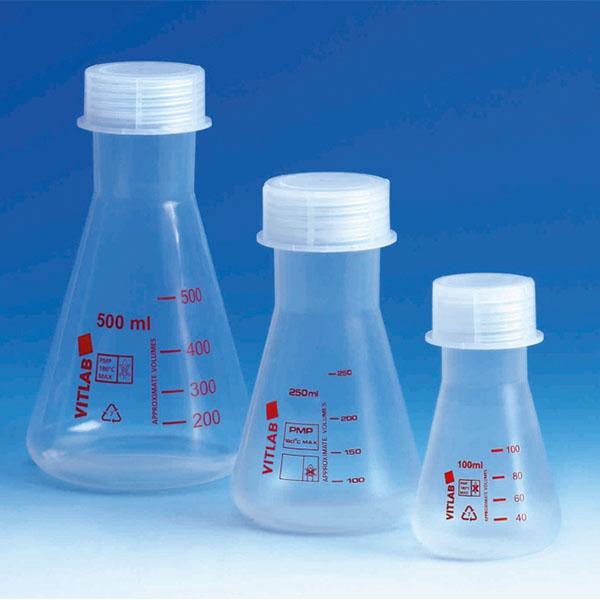 Laboratory Flasks
 Beakers, Measuring Jugs
 Liquid Handling Tools
 Sampling Tools
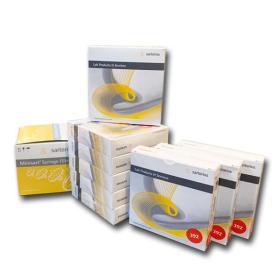 Filtration Tools and Consumables
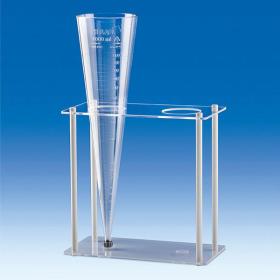 Racks and Stands
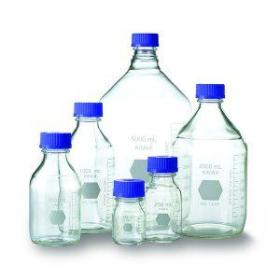 Laboratory Bottles and Vials
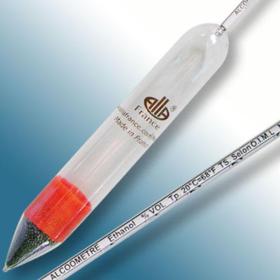 Thermometers, Hydrometers, Baumé Hydrometers, Alcoholmeters
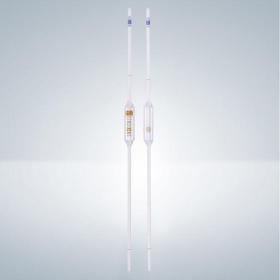 Pipettes
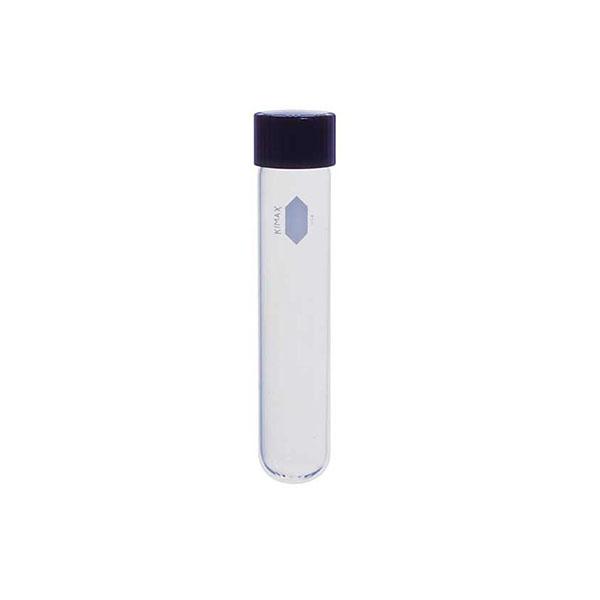 Test tubes
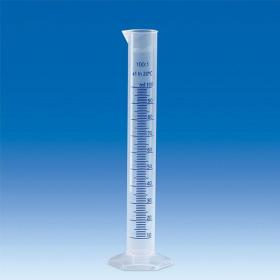 Graduated cylinders
 Funnels
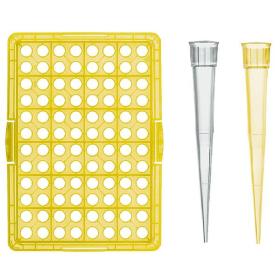 Tips & tip boxes
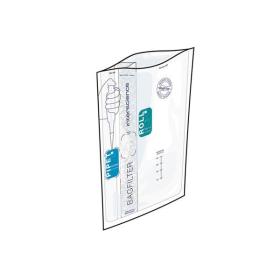 Homogenizer bags
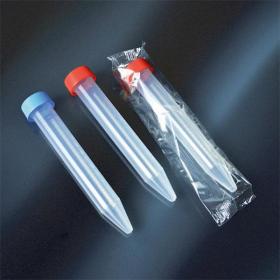 Centrifuge tubes
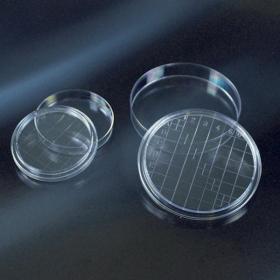 Petri dishes
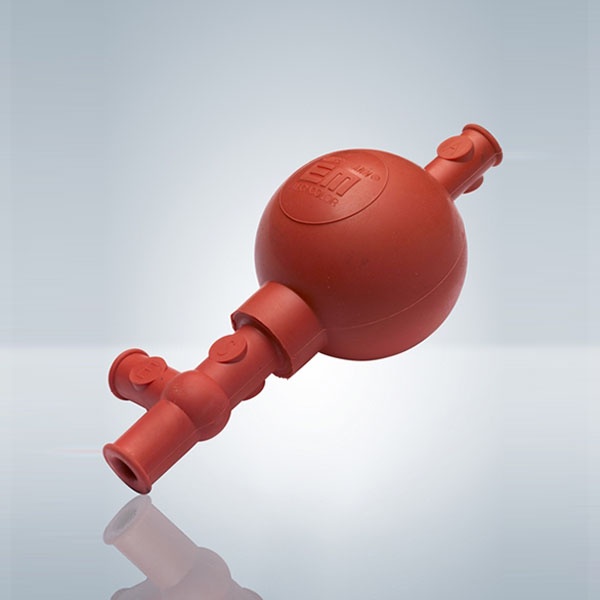 Others
- Glass capillary tubes
- Glass melting point tubes
- Condensers
- Plastic weighing boats
- Glass stirring rods
- Filtration and separation equipment
- Alcohol burners
- Glass weighing bottles
- Crucibles
- Crucible tongs
- Blender bag openers
- BagClip sealing clips
- Autoclave deodorant capsules
- Magnetic stir bars
- Test tube brushes
- Glass watch glasses
- Glass beads
- Glass wool
- Glass slides
- Plastic buckets
- Stainless steel bucket
- Rubber bulb
- Inoculation loop
- Sampling rod
- Plastic spoon
- Stainless steel spoon
- Plastic tweezers
- Glass burette
- Glass slide
- Glass filter crucible

Polarimeters


Introduction to Polarimeters
A polarimeter is an optical instrument used to measure the optical rotation angle of optically active substances in solution, thereby determining sample concentration or purity. The equipment is widely used in pharmaceutical quality control, food analysis, and the sugar industry.
When choosing a polarimeter, users should clearly define their analytical purpose to select the appropriate model and configuration package. Depending on actual requirements, the device can support conversion to the International Sugar Scale (°Z) for the sugar industry or comply with GMP and GLP standards for pharmaceutical applications. Hoa Viet currently supplies automatic polarimeters from Atago (Japan), such as the AP-300 and SAC-i, along with various specialized configuration packages for each research and testing field.
Which polarimeter brands does Hoa Viet distribute?
Hoa Viet currently distributes automatic polarimeter lines from Atago (Japan), typically the AP-300 and SAC-i series.
What requirements do the configuration packages of the Atago AP-300 polarimeter serve?
This series offers specialized packages including Package Type A and Type B for measuring optical rotation and the International Sugar Scale (°Z) in the sugar industry, Package Type C complying with GMP and GLP standards, and Package Type D dedicated to the pharmaceutical industry.
How does an automatic polarimeter operate in the laboratory?
The device operates by placing the sample-filled observation tube into the sample chamber and pressing the start key for automatic measurement of the optical rotation angle. Analysis results are displayed directly on the digital screen for observation and recording.
What should be noted when storing polarimeter sample tubes?
The observation tube must be cleaned and its optical transmission surfaces dried immediately after measurement to prevent chemical residue build-up. When not in use, store the tube in its dedicated case and keep the instrument chamber clean and dry.
