


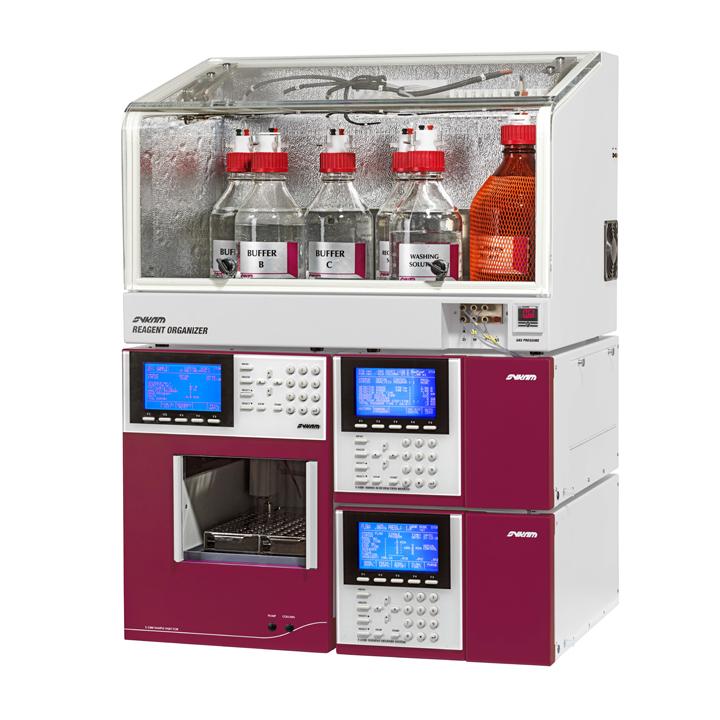
 Analytical Equipment
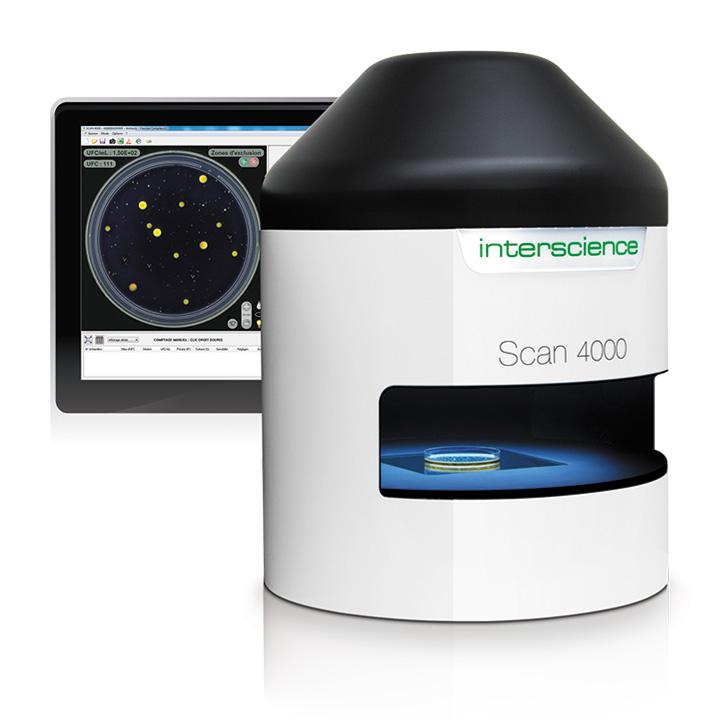 Microbiology Equipment
- Gravimetric Diluters and Sample Weighing Systems
- Mediaprep Automated Media Preparators
- Mediafill Automated Media Distributors
- Manual Media Dispensers
- Lab Blenders / Homogenizers
- Automated Spiral Platers
- Manual Colony Counters
- Automated Colony Counters
- Inhibition Zone Readers
- Automated Incubators and Colony Counters
- Biosafety Cabinets
- Laminar Flow Hoods
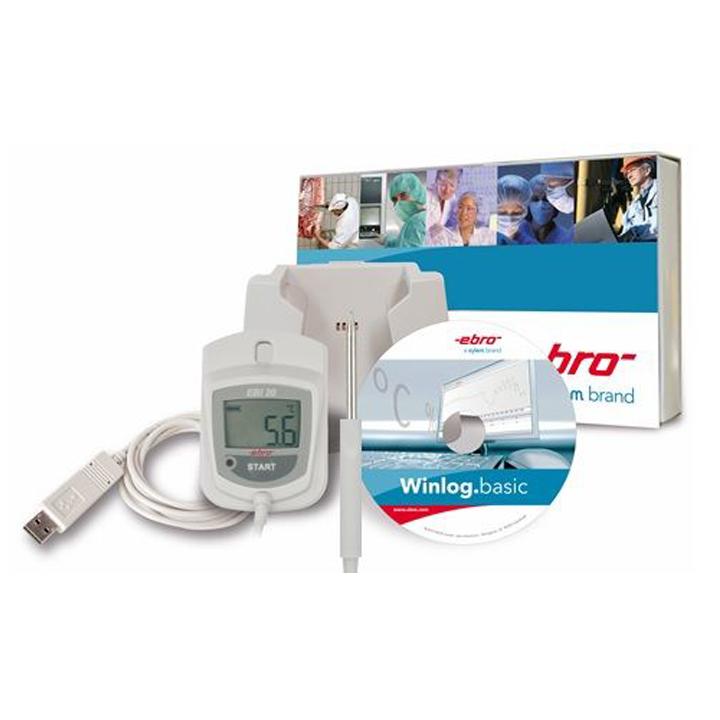 Temperature, Humidity, and Pressure Measuring Instruments
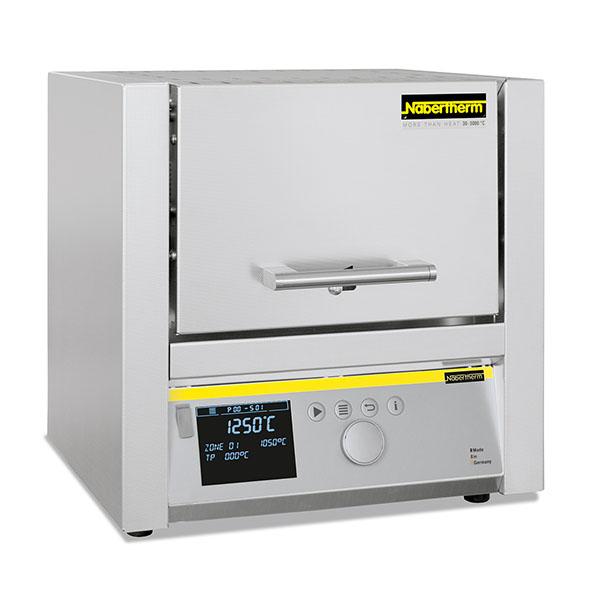 Other Basic Equipment
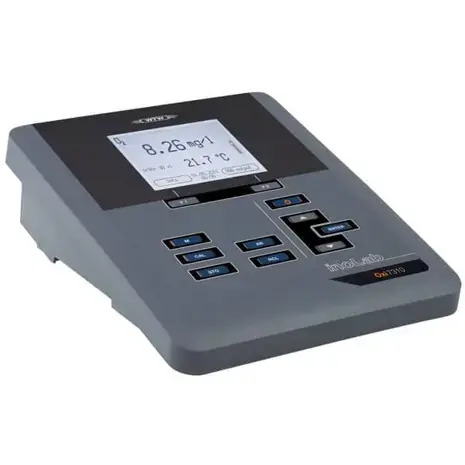 Multiparameter Water Quality Meters
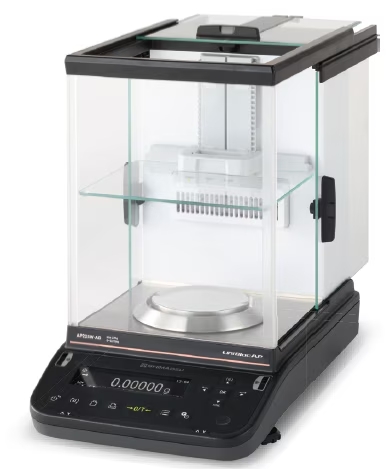 Balances
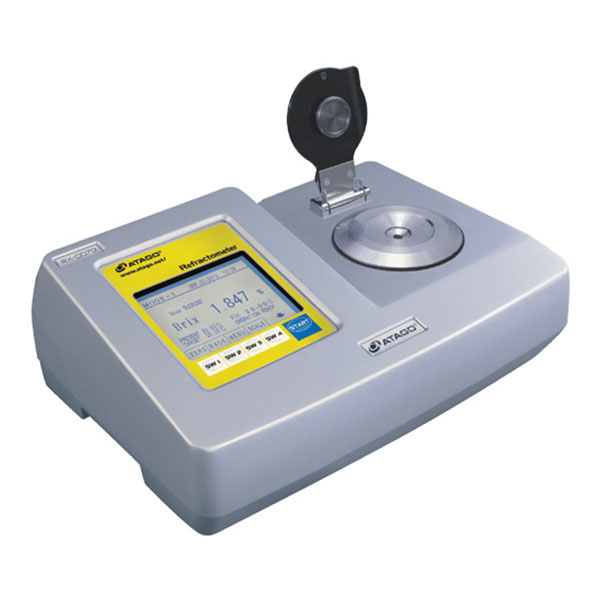 Polarimeters, Refractometers
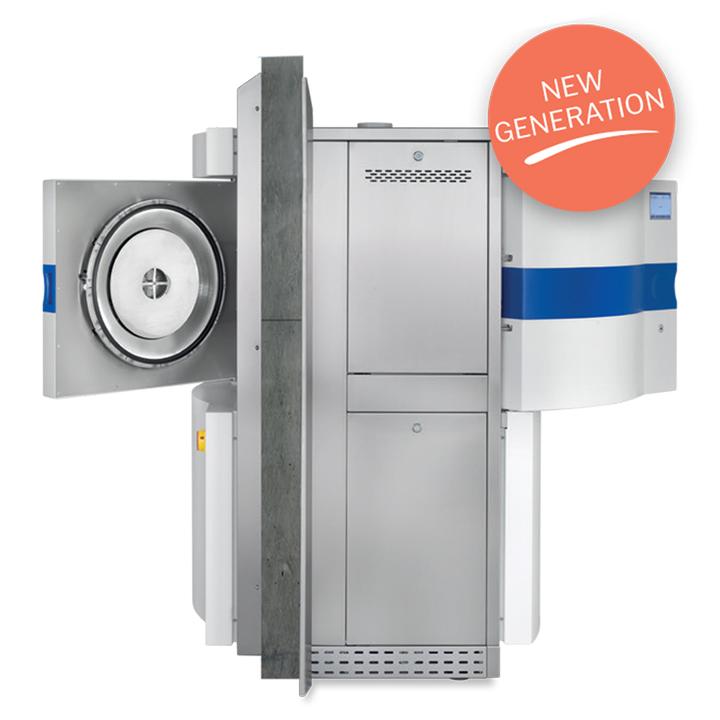 Autoclaves
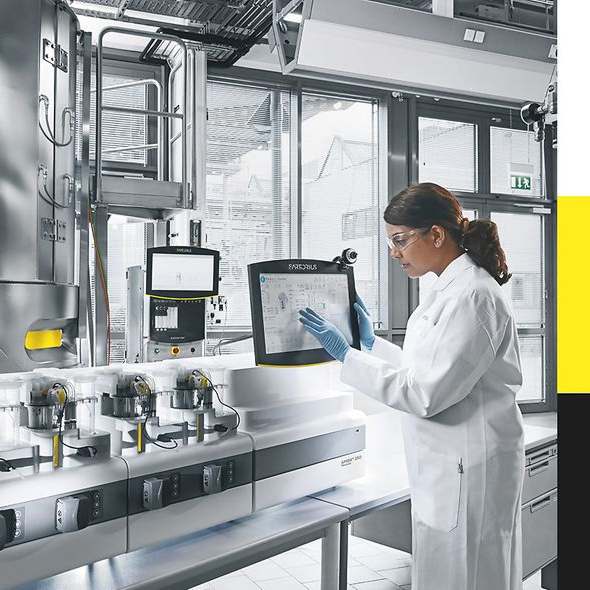 Biotechnology Equipment and Solutions
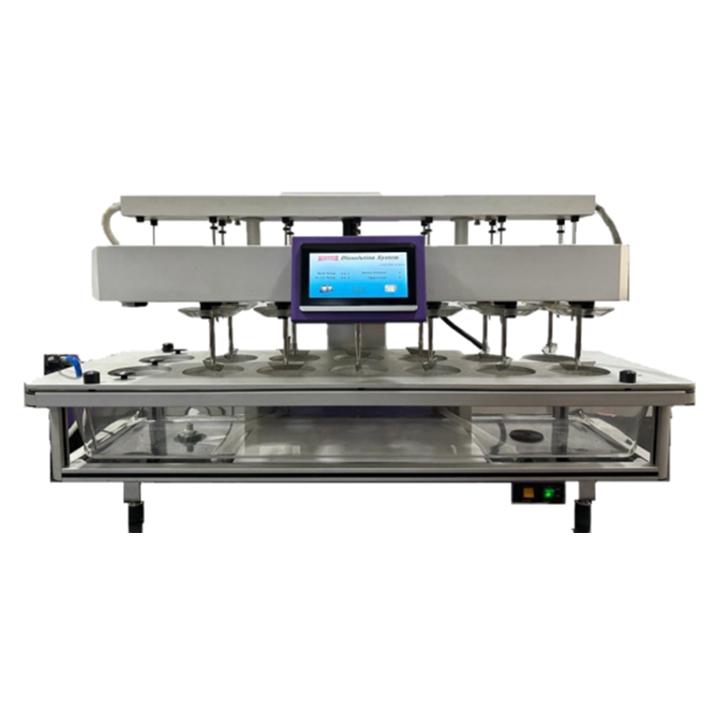 Pharmaceutical Equipment
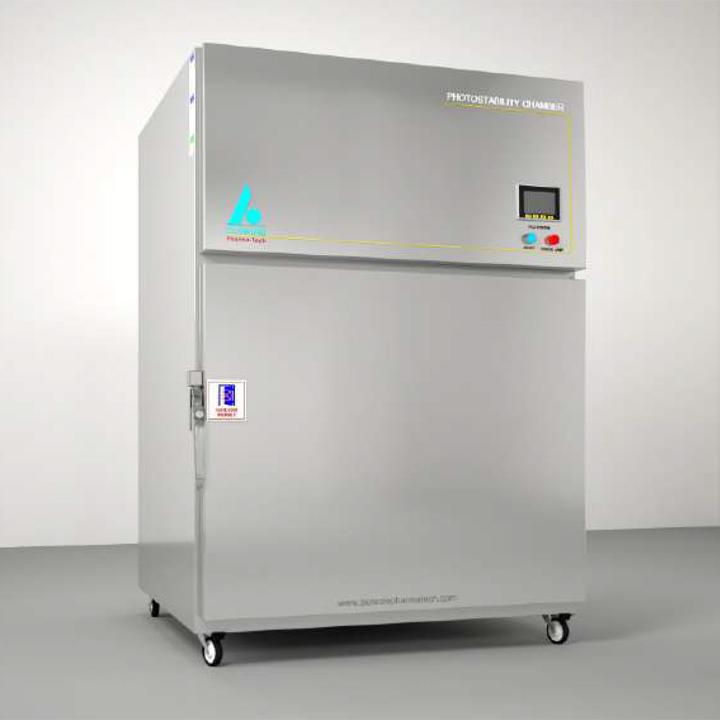 Shelf-life Testing Equipment
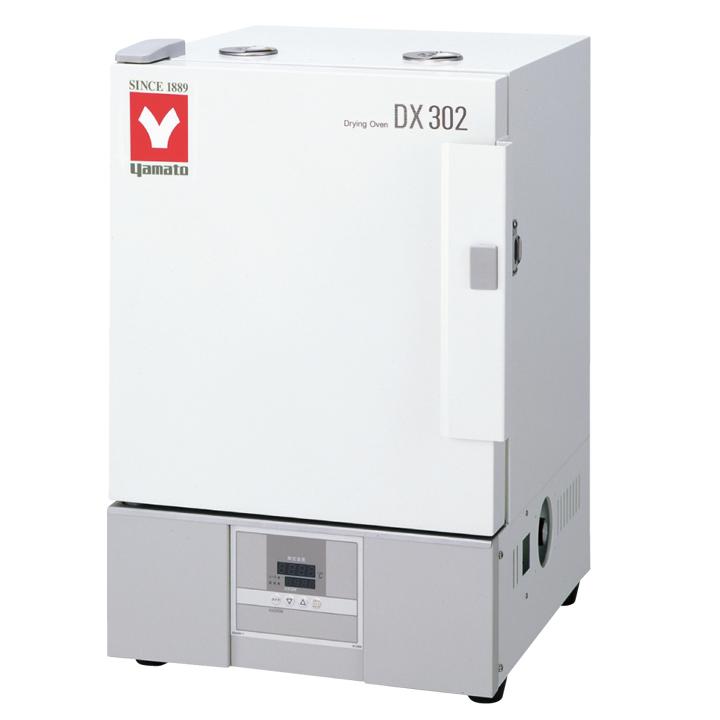
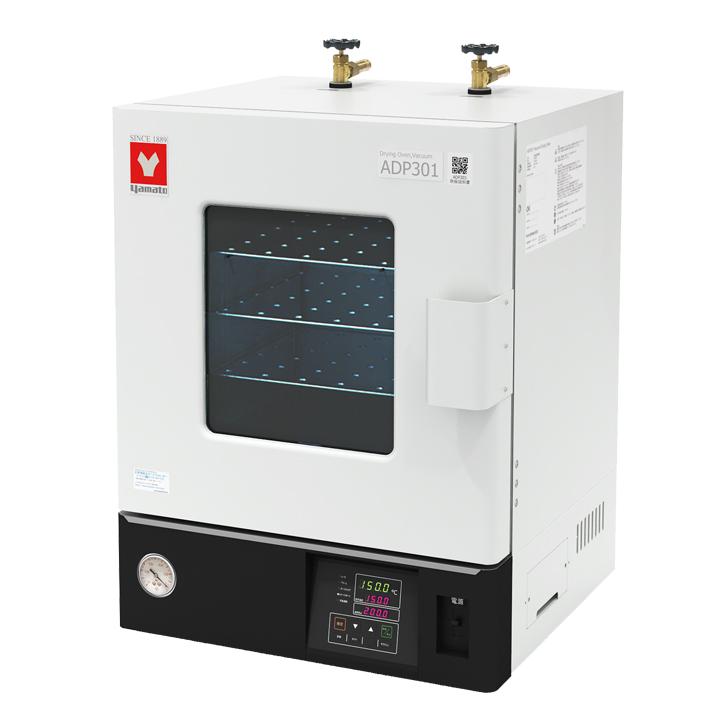 Drying Ovens
 Incubators
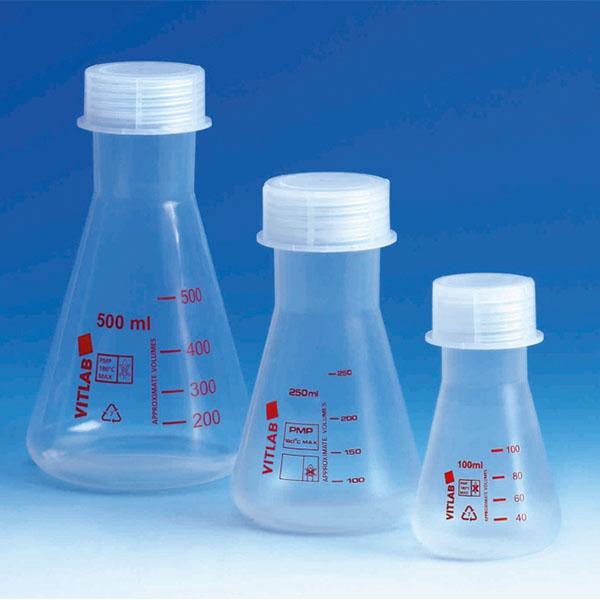 Laboratory Flasks
 Beakers, Measuring Jugs
 Liquid Handling Tools
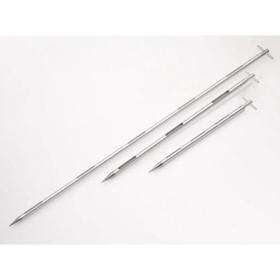 Sampling Tools
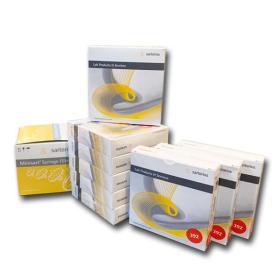 Filtration Tools and Consumables
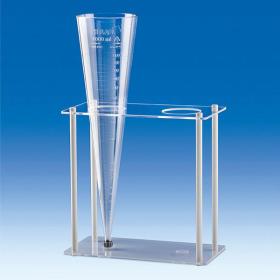 Racks and Stands
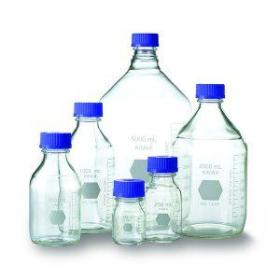 Laboratory Bottles and Vials
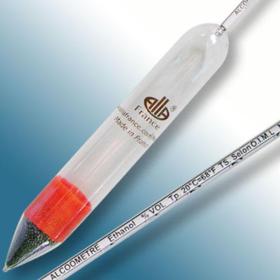 Thermometers, Hydrometers, Baumé Hydrometers, Alcoholmeters
 Pipettes
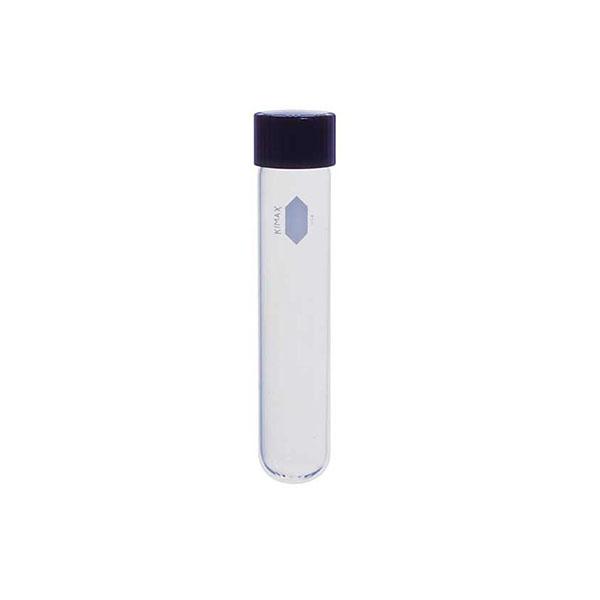 Test tubes
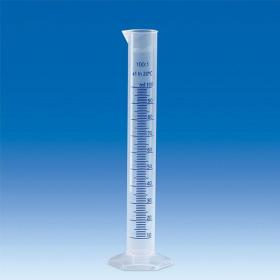 Graduated cylinders
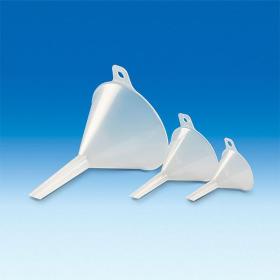 Funnels
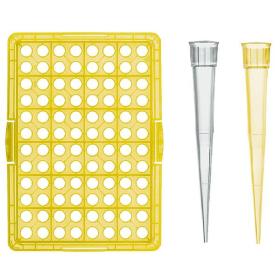 Tips & tip boxes
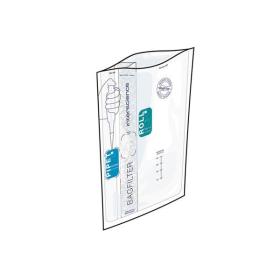 Homogenizer bags
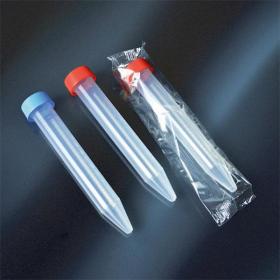 Centrifuge tubes
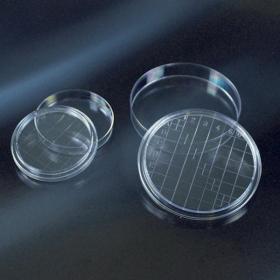 Petri dishes
 Others
- Glass capillary tubes
- Glass melting point tubes
- Condensers
- Plastic weighing boats
- Glass stirring rods
- Filtration and separation equipment
- Alcohol burners
- Glass weighing bottles
- Crucibles
- Crucible tongs
- Blender bag openers
- BagClip sealing clips
- Autoclave deodorant capsules
- Magnetic stir bars
- Test tube brushes
- Glass watch glasses
- Glass beads
- Glass wool
- Glass slides
- Plastic buckets
- Stainless steel bucket
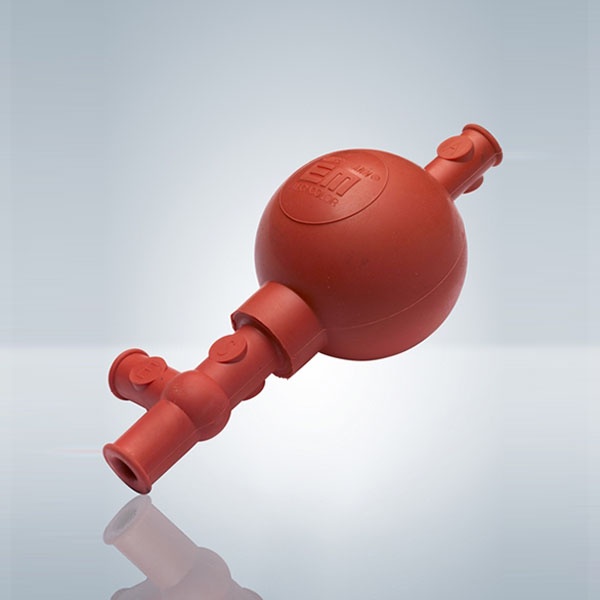
- Rubber bulb
- Inoculation loop
- Sampling rod
- Plastic spoon
- Stainless steel spoon
- Plastic tweezers
- Glass burette
- Glass slide
- Glass filter crucible
Chemical transfer pumps
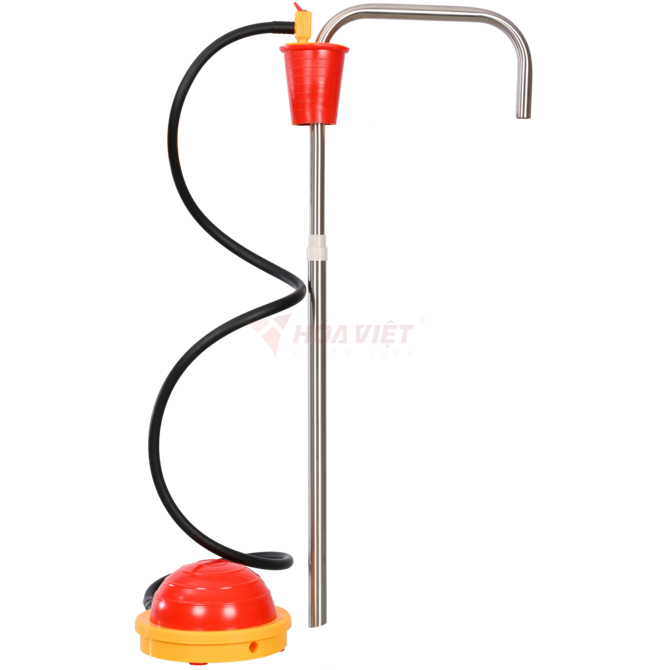
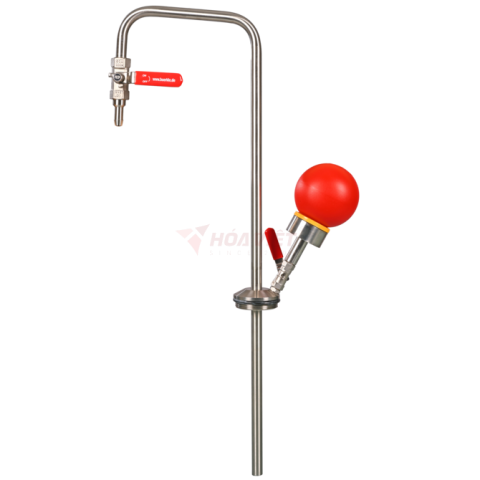
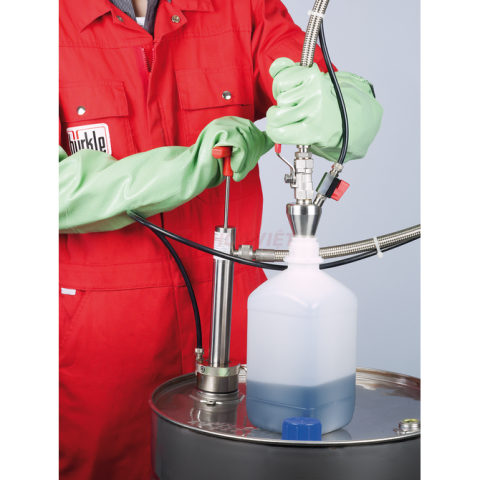
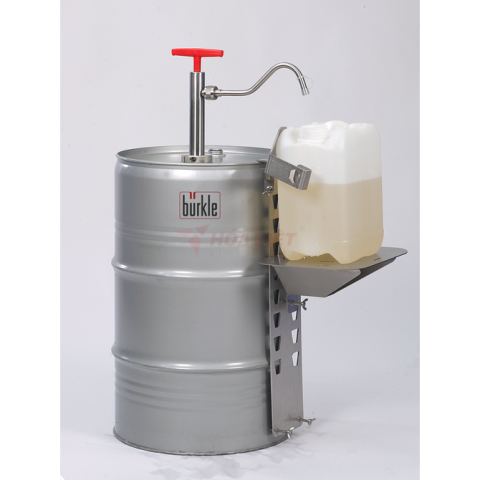
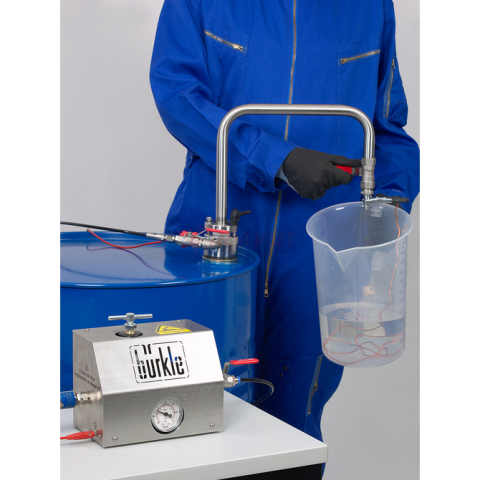
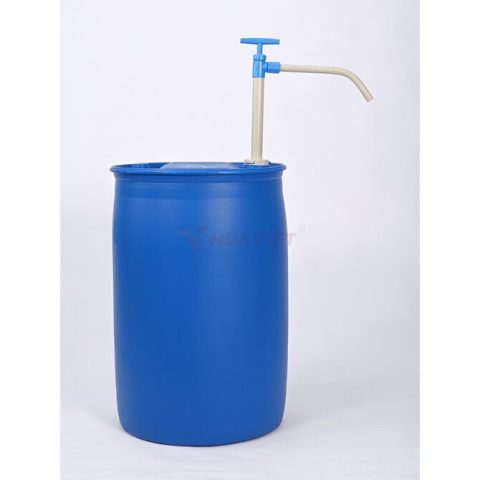
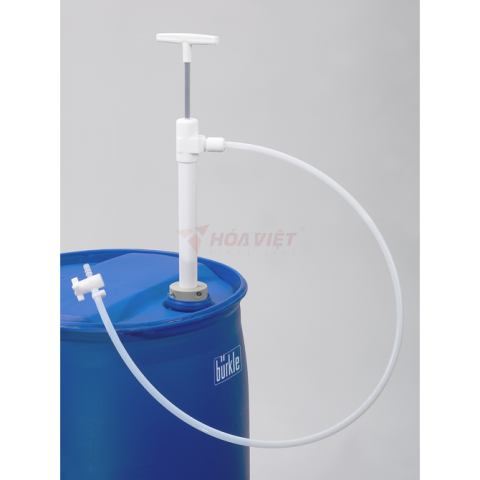
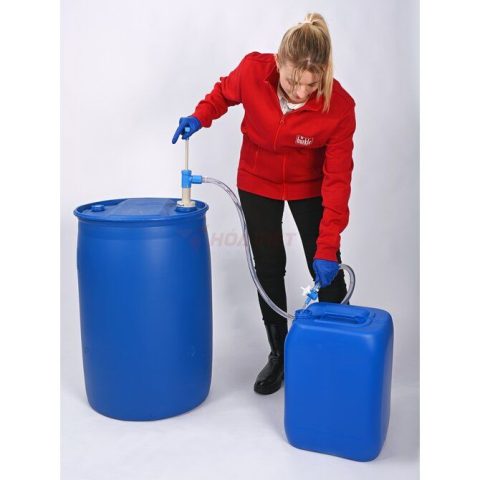
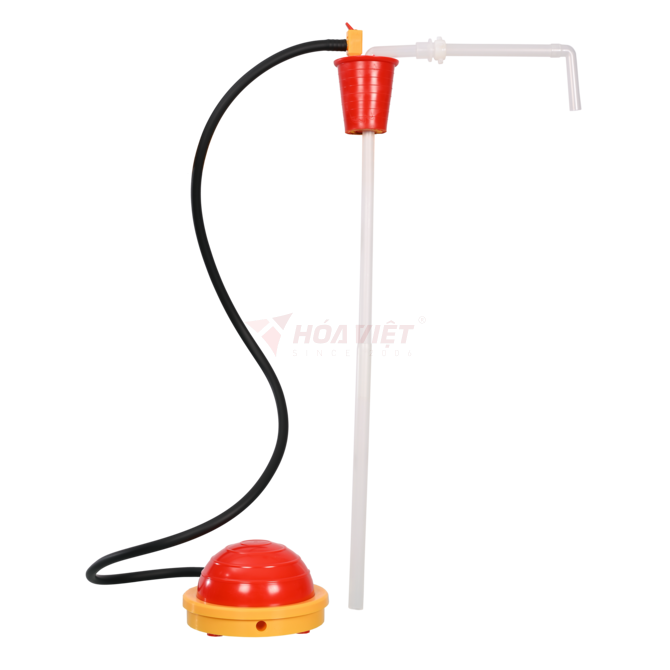
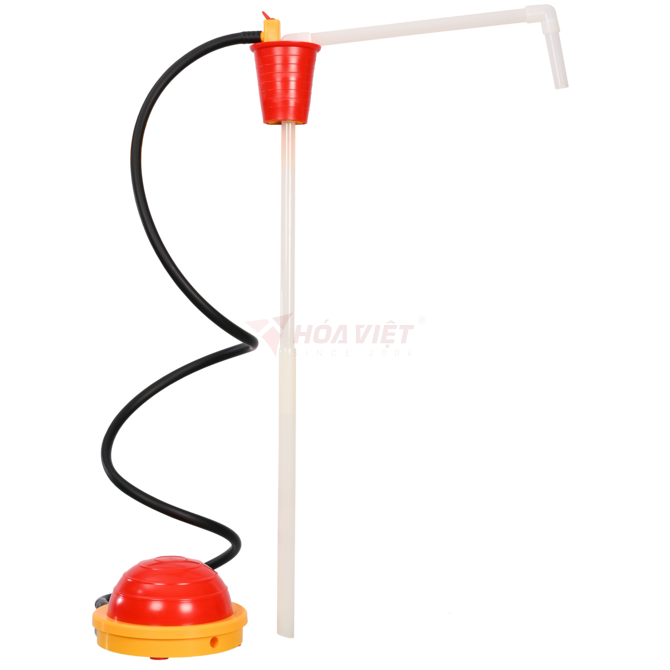
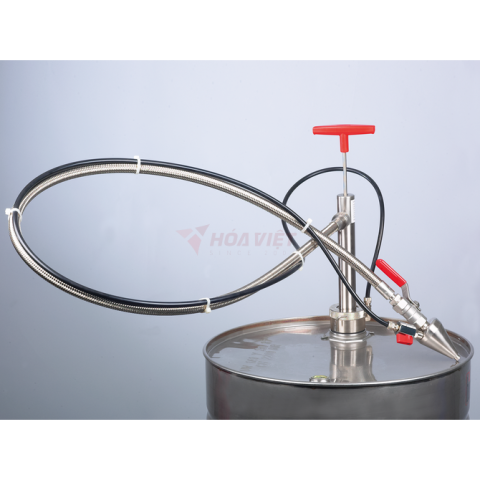
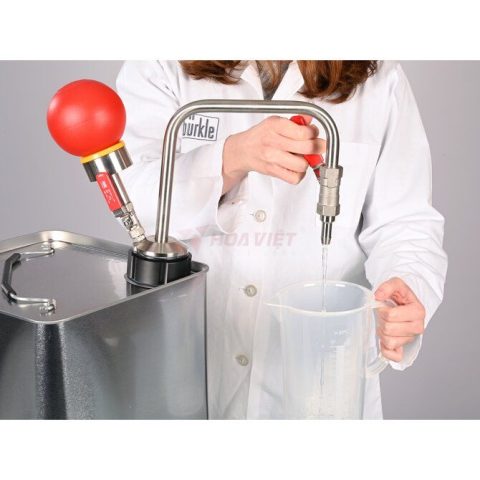
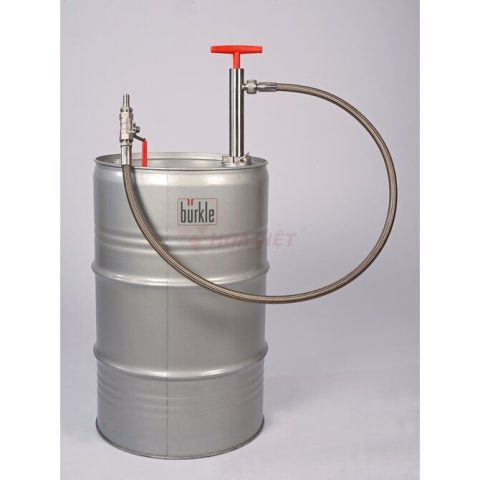
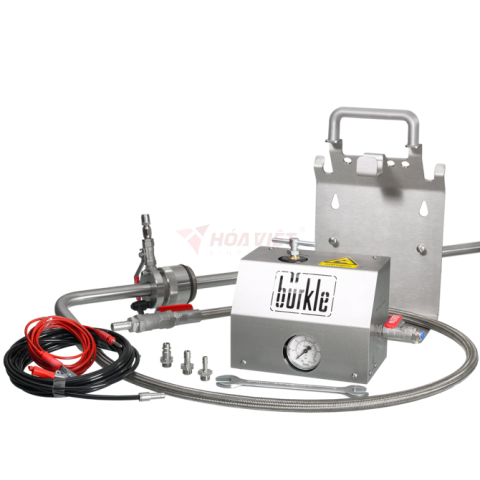
Introduction to Chemical transfer pumps
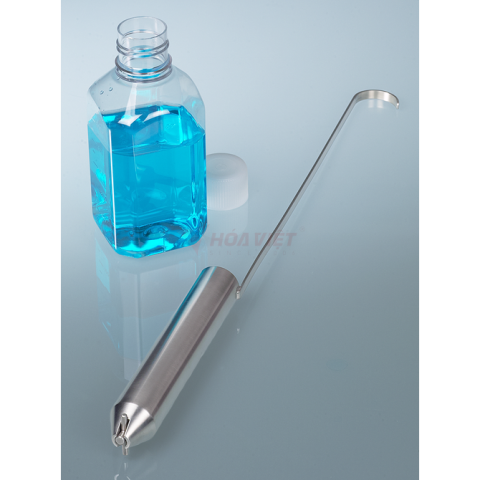
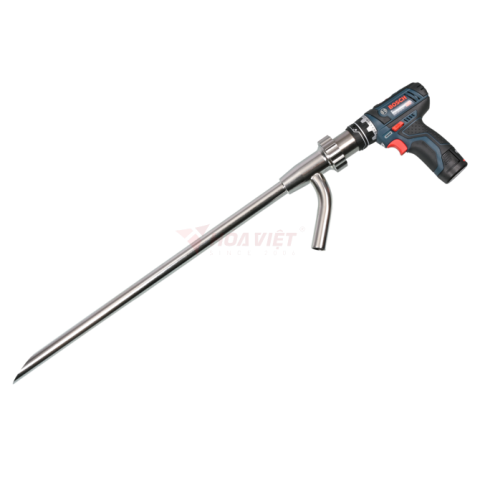
Chemical pumps are specialized devices used to safely dispense and transfer chemicals, volatile solvents, or flammable liquids from cans, drums, and carboys to smaller containers. The equipment helps control liquid flow, prevent leaks, and minimize the risk of direct user exposure to hazardous chemicals in laboratories and production facilities.
When selecting a chemical pump, users must determine the chemical compatibility of wetted materials such as PP, PVDF, V2A stainless steel, or Ultrapure PTFE with the pumped liquid, such as acetone, ethanol, or toluene. Depending on the container specifications and operational needs, users can choose hand-operated pumps, hands-free foot pumps, battery-operated pumps, or solvent extraction systems with stopcocks, featuring immersion tube lengths from 36cm to 95cm and diameters from 12mm to 18mm. Currently, Hoa Viet distributes chemical pumps from Burkle (Germany).
What factors should be considered when choosing materials for chemical transfer pumps?
Users should evaluate chemical corrosiveness and compatibility to select suitable materials such as PP, PVDF, V2A stainless steel, or Ultrapure PTFE. Selecting the right material prevents equipment deformation while avoiding sample contamination.
What are the advantages of foot-operated solvent pumps compared to hand pumps?
The foot-operated mechanism leaves both of the operator's hands free to hold the discharge tube and secure the sample container, facilitating more precise flow guidance. This design also increases the distance between the operator and the opening of containers with volatile solvents.
Which brands of chemical transfer pumps does Hoa Viet supply?
Hoa Viet currently supplies chemical transfer pumps, gas-tight barrel pumps, and solvent pumps from Burkle (Germany). Customers can Contact us for advice on suitable equipment and to Request a quote.
When should gas-tight barrel pumps be used?
Gas-tight barrel pumps are suitable when dispensing hazardous chemicals or highly volatile solvents to prevent chemical vapors from escaping into the surrounding environment. This equipment helps protect operators and reduces fluid loss during storage and handling.
