



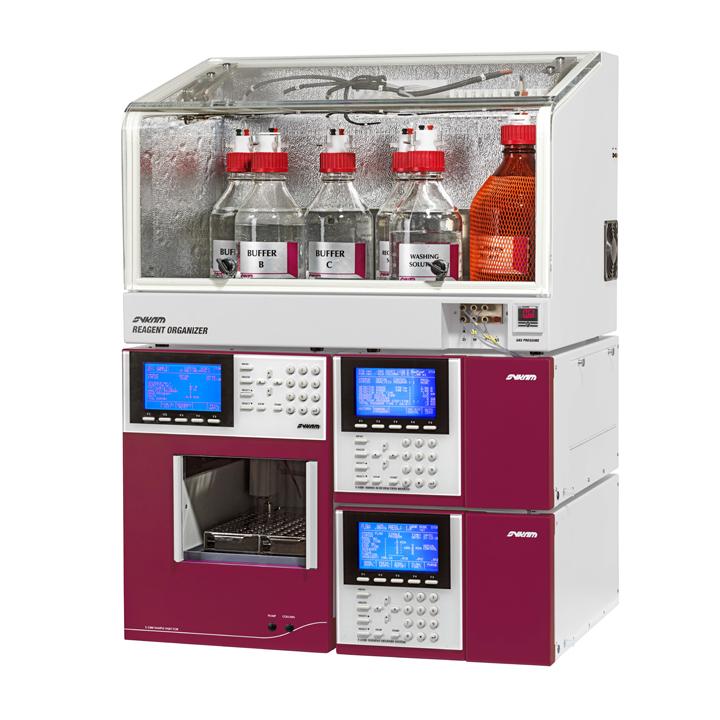
 Analytical Equipment
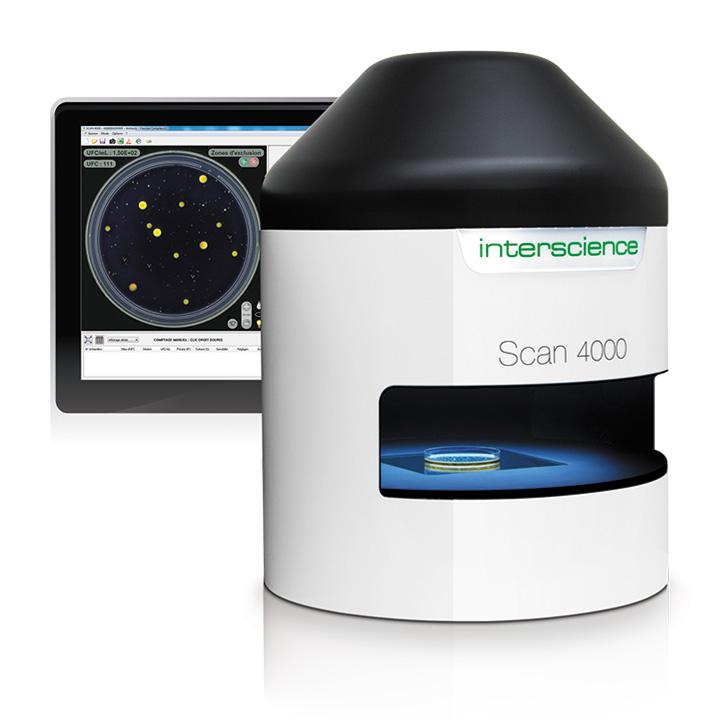 Microbiology Equipment
- Gravimetric Diluters and Sample Weighing Systems
- Mediaprep Automated Media Preparators
- Mediafill Automated Media Distributors
- Manual Media Dispensers
- Lab Blenders / Homogenizers
- Automated Spiral Platers
- Manual Colony Counters
- Automated Colony Counters
- Inhibition Zone Readers
- Automated Incubators and Colony Counters
- Biosafety Cabinets
- Laminar Flow Hoods
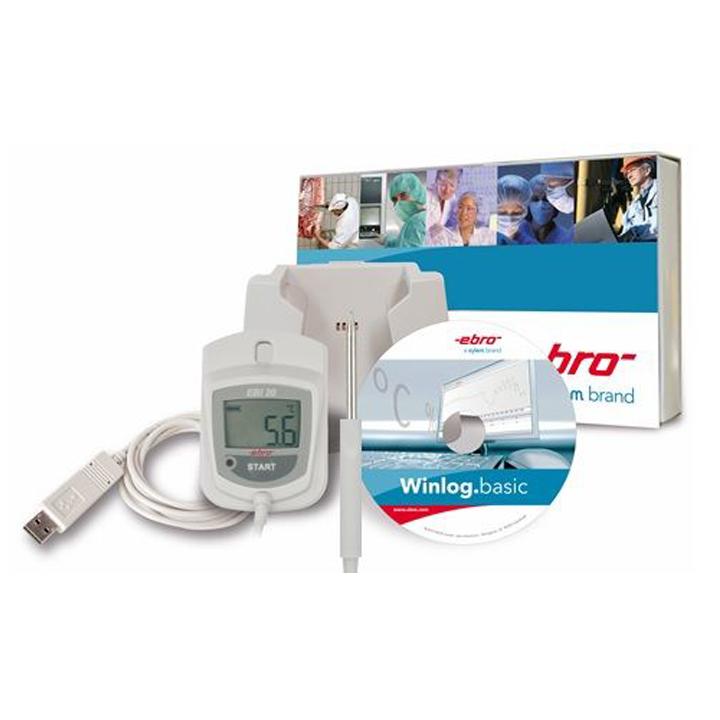 Temperature, Humidity, and Pressure Measuring Instruments
 Other Basic Equipment
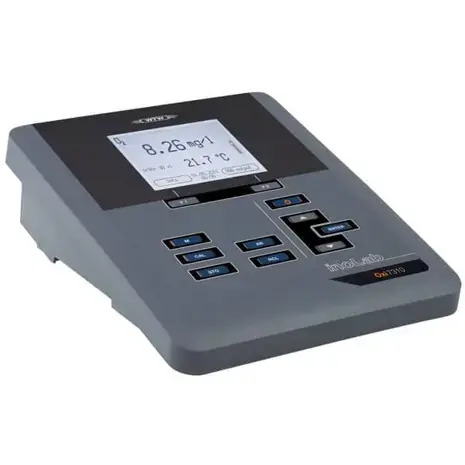 Multiparameter Water Quality Meters
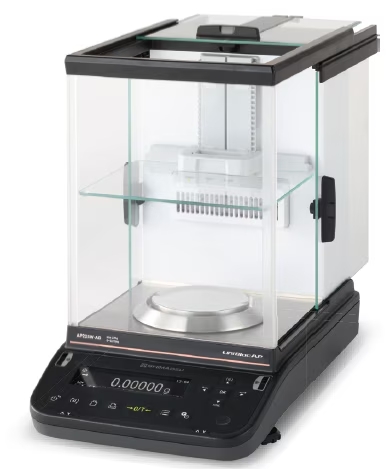 Balances
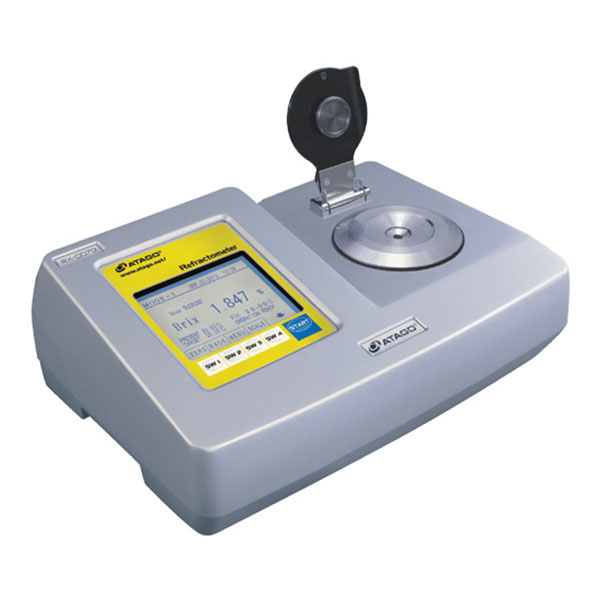 Polarimeters, Refractometers
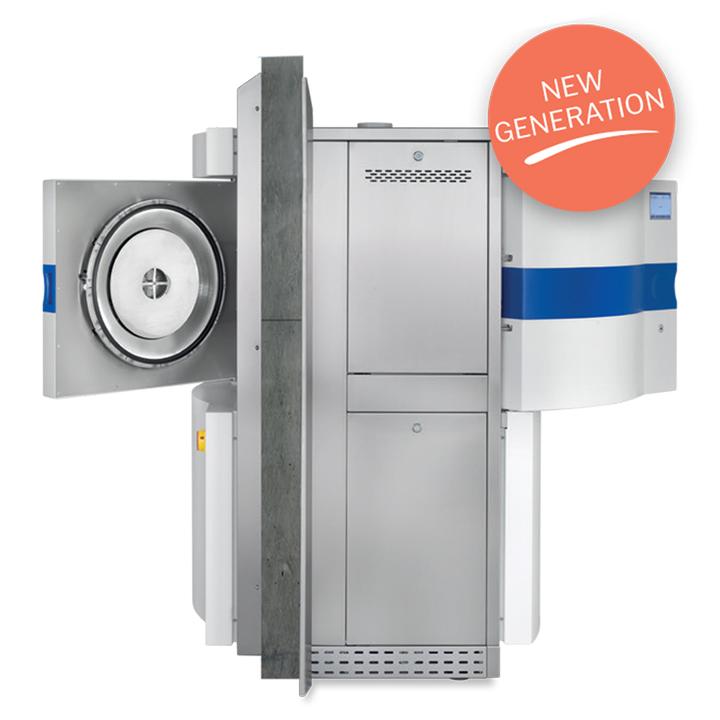 Autoclaves
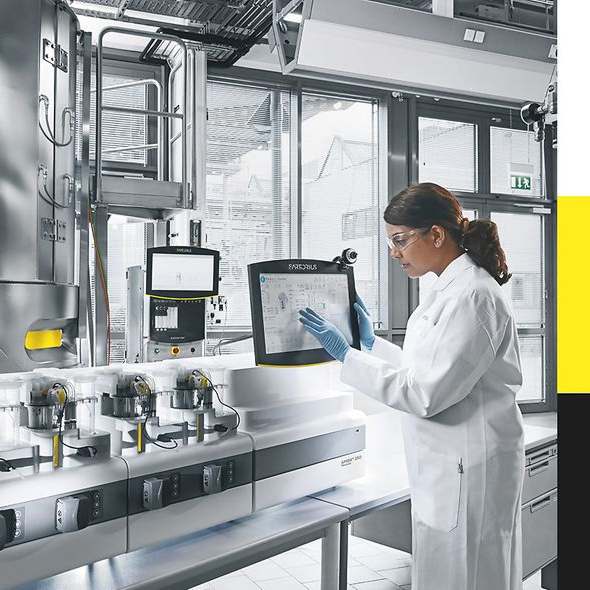 Biotechnology Equipment and Solutions
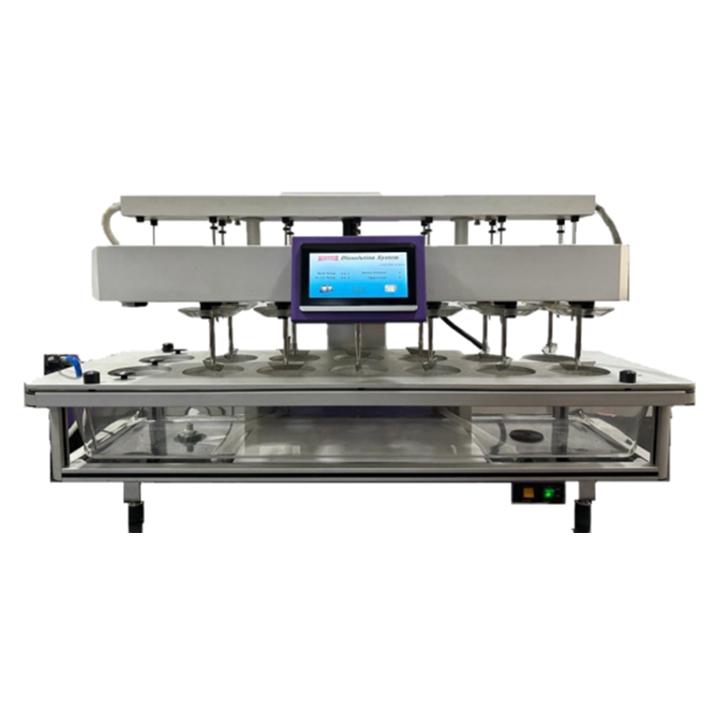 Pharmaceutical Equipment
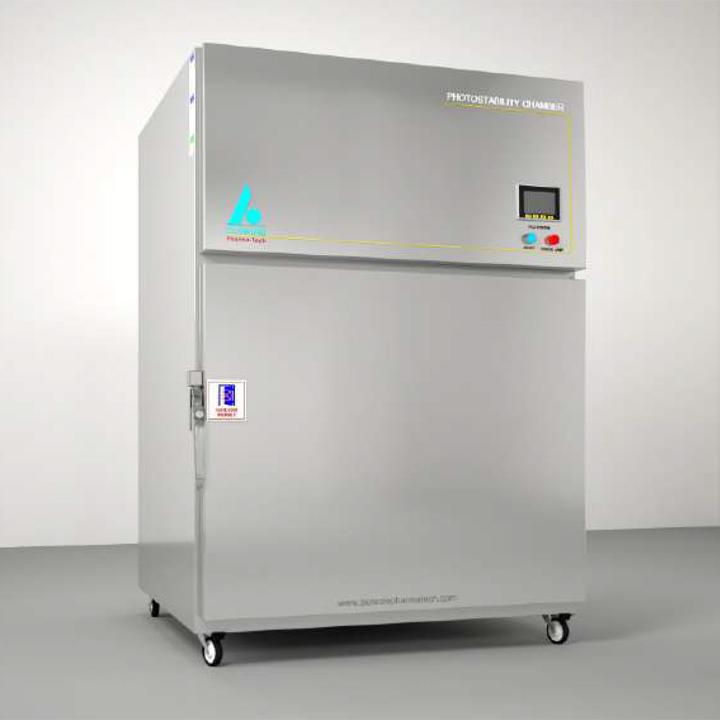 Shelf-life Testing Equipment
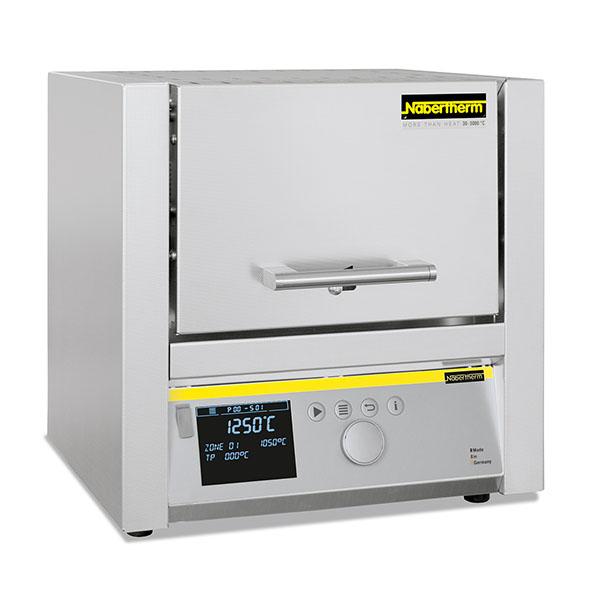
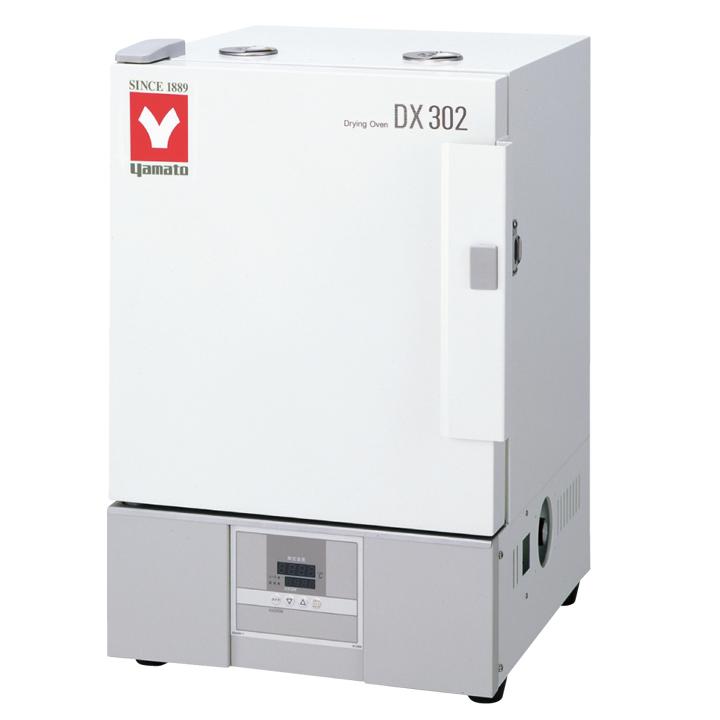
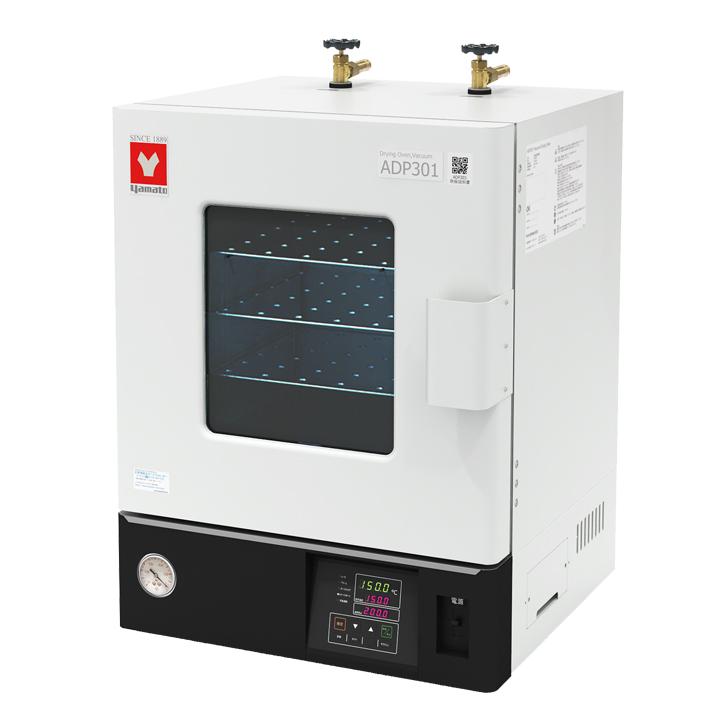 Drying Ovens
 Incubators
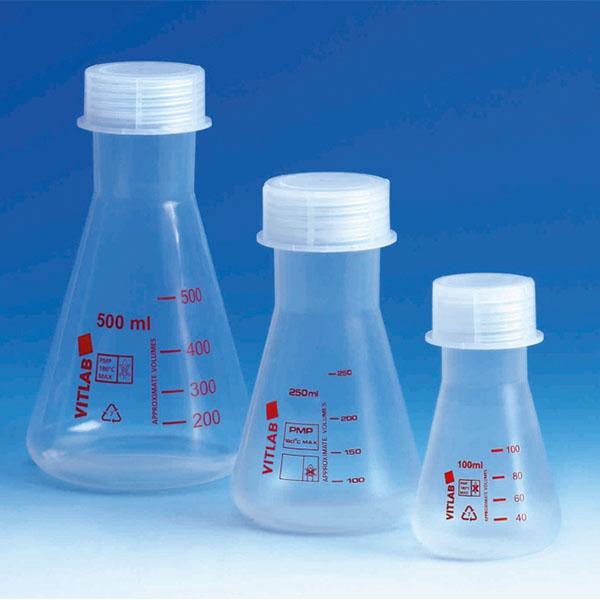 Laboratory Flasks
 Beakers, Measuring Jugs
 Liquid Handling Tools
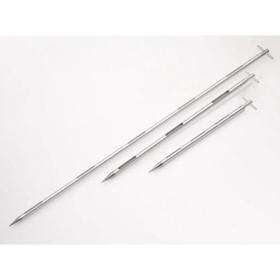 Sampling Tools
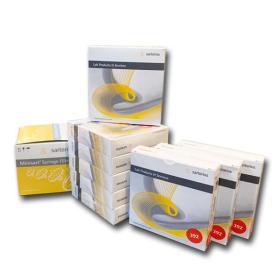 Filtration Tools and Consumables
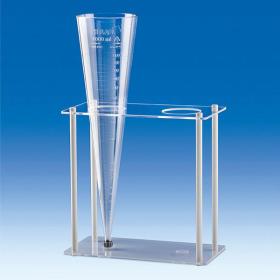 Racks and Stands
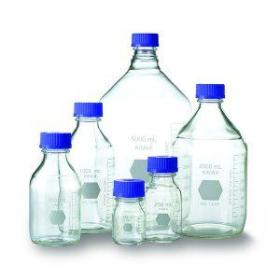 Laboratory Bottles and Vials
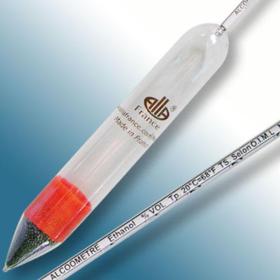 Thermometers, Hydrometers, Baumé Hydrometers, Alcoholmeters
 Pipettes
 Test tubes
 Graduated cylinders
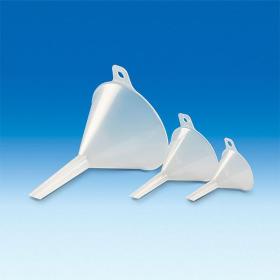 Funnels
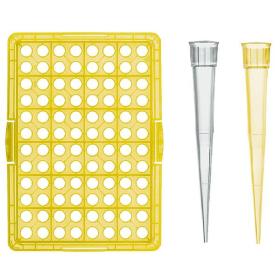 Tips & tip boxes
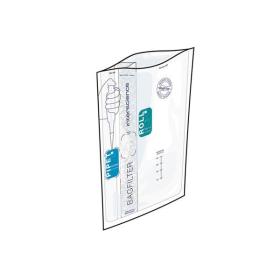 Homogenizer bags
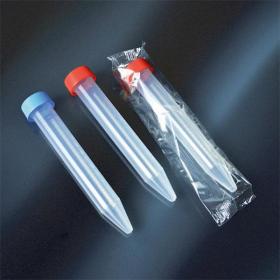 Centrifuge tubes
 Petri dishes
 Others
- Glass capillary tubes
- Glass melting point tubes
- Condensers
- Plastic weighing boats
- Glass stirring rods
- Filtration and separation equipment
- Alcohol burners
- Glass weighing bottles
- Crucibles
- Crucible tongs
- Blender bag openers
- BagClip sealing clips
- Autoclave deodorant capsules
- Magnetic stir bars
- Test tube brushes
- Glass watch glasses
- Glass beads
- Glass wool
- Glass slides
- Plastic buckets
- Stainless steel bucket
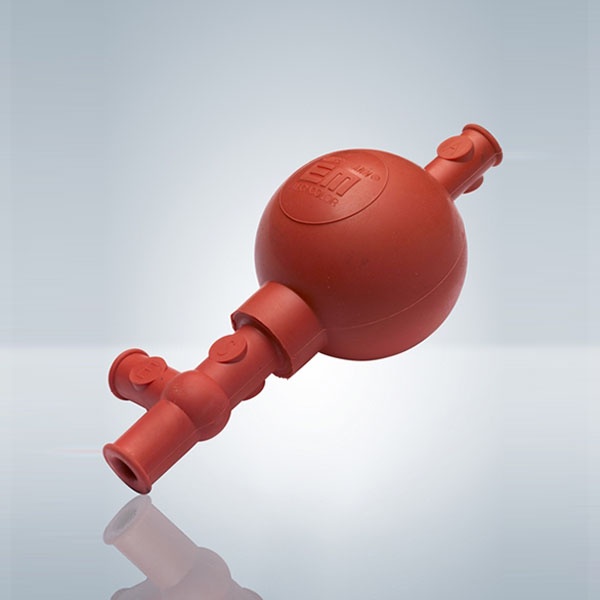
- Rubber bulb
- Inoculation loop
- Sampling rod
- Plastic spoon
- Stainless steel spoon
- Plastic tweezers
- Glass burette
- Glass slide
- Glass filter crucible


Horizontal autoclaves
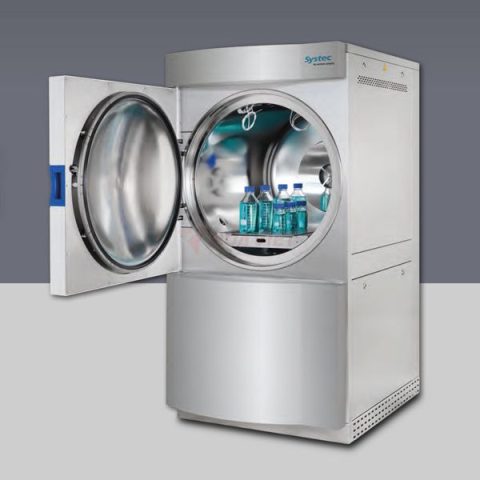
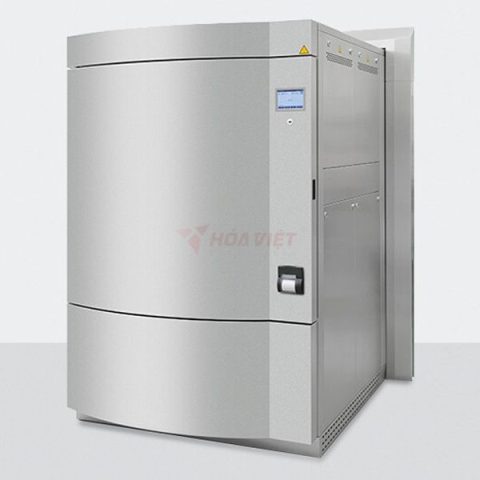
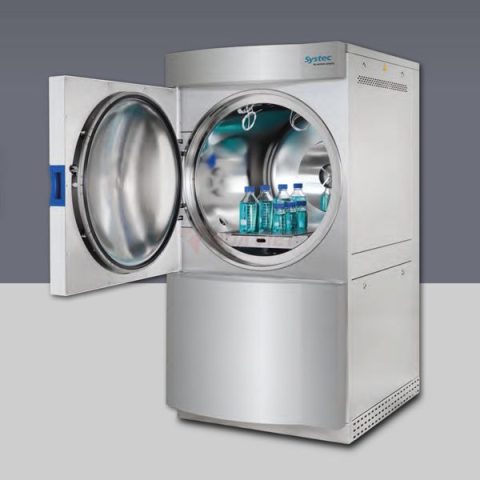
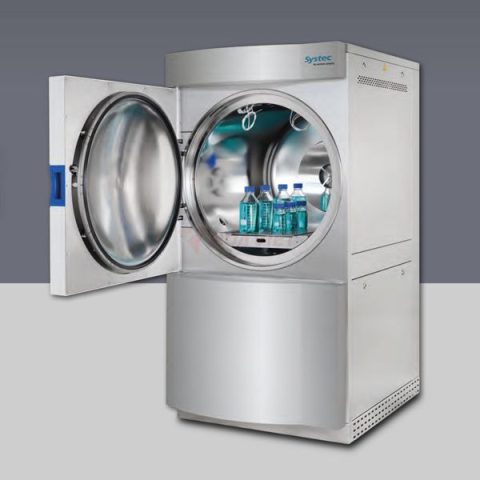
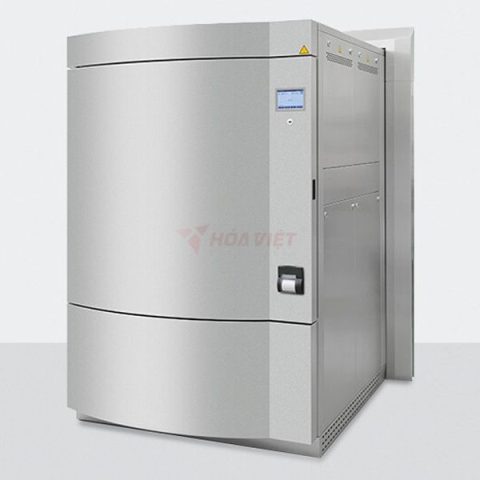
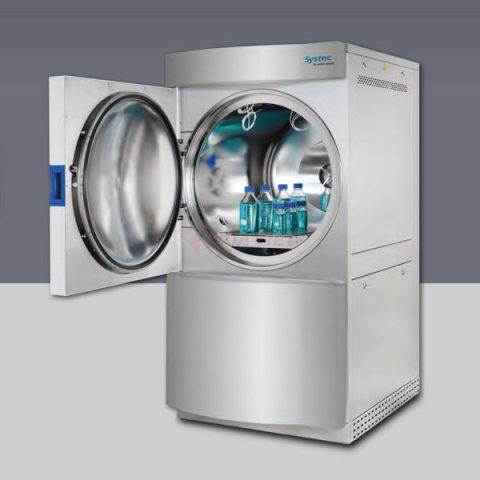
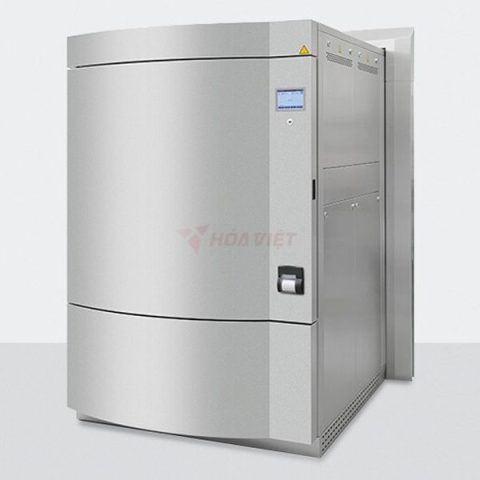
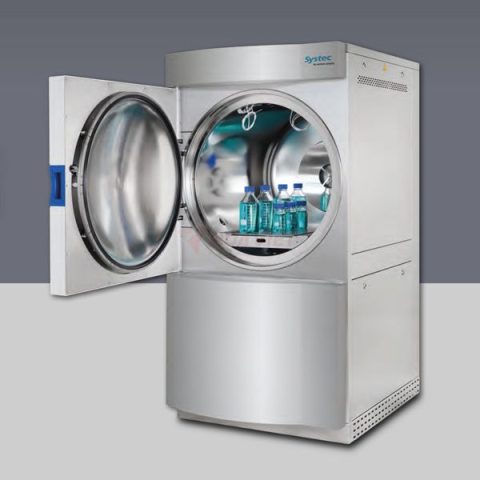
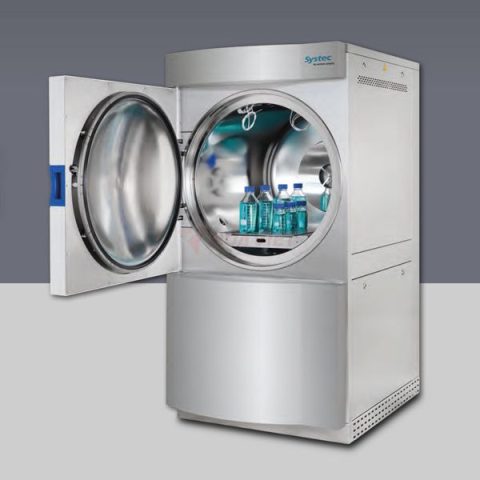
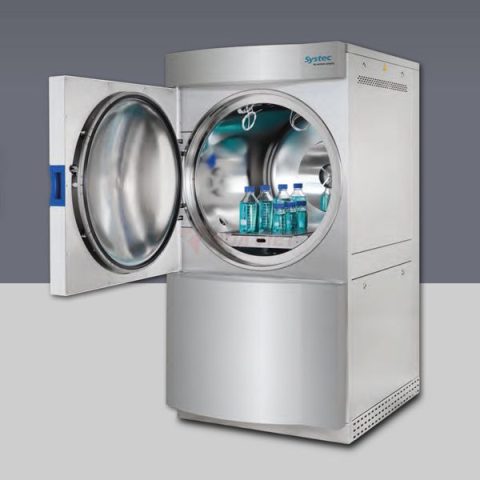
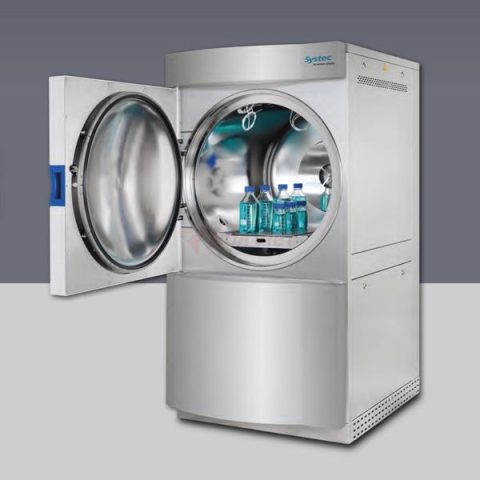
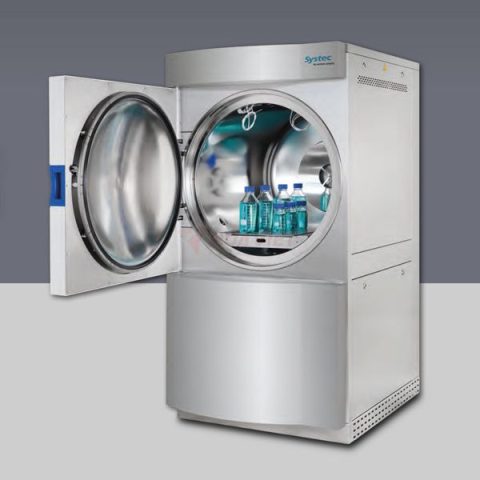
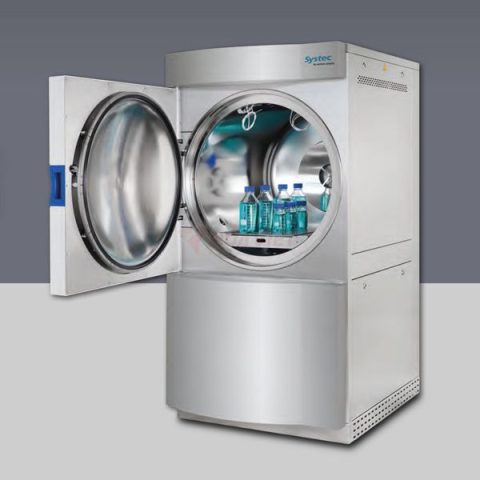
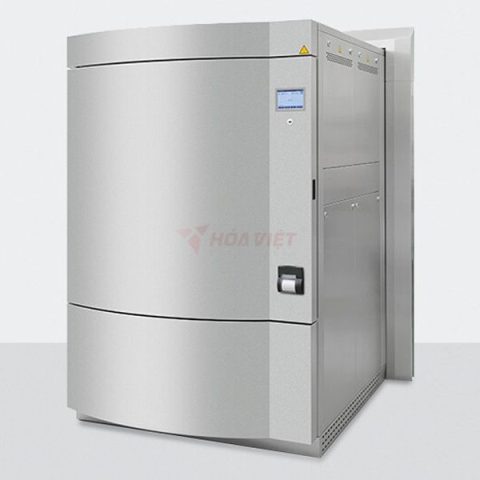
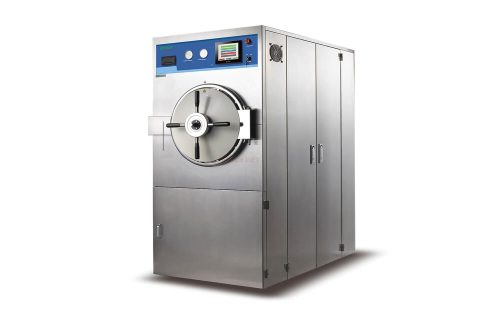
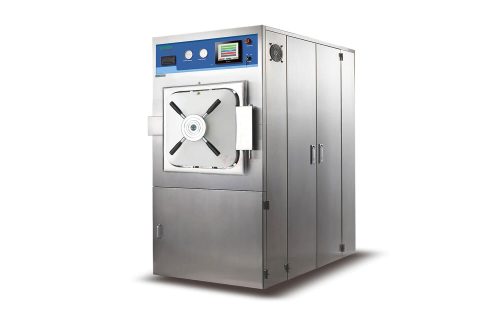
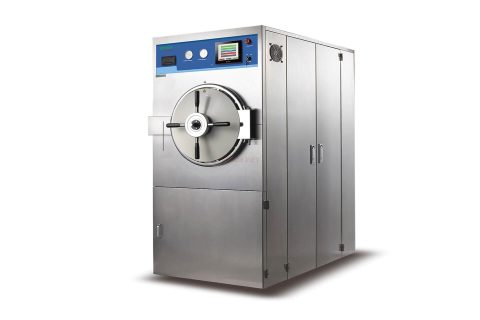
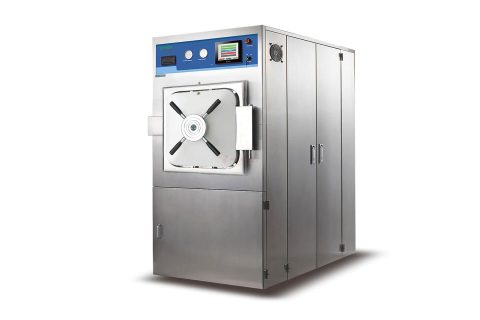
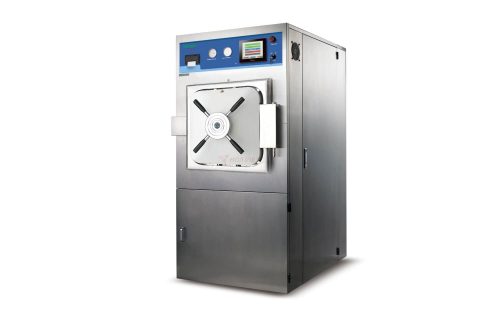
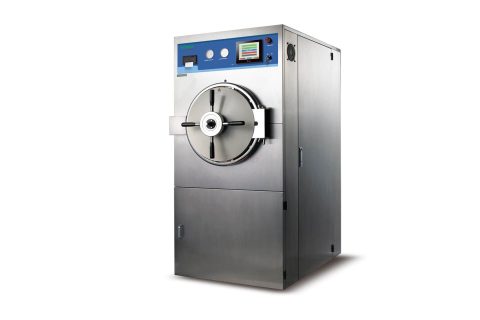
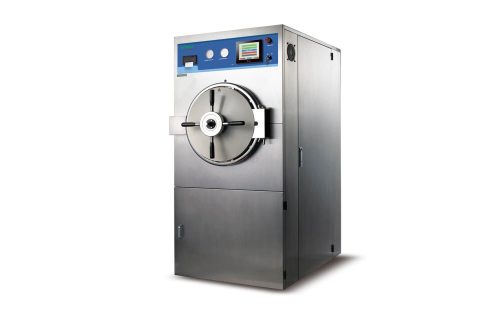
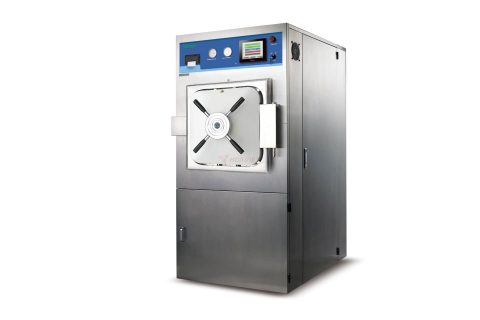
Introduction to Horizontal autoclaves
A horizontal autoclave is a sterilization device featuring a horizontal chamber that uses pressurized steam to sterilize laboratory instruments, medical supplies, and culture media. The horizontal opening door allows operators to easily load sample trays or bulky items into the chamber while optimizing loading efficiency.
When selecting an autoclave, users should consider the volume of items to be processed to choose a suitable capacity, ranging from 65 liters to large capacities like 350L or 848L. Additionally, control interfaces such as touchscreens or color HMIs simplify the setup and monitoring of sterilization cycles. Currently, Hoa Viet supplies horizontal autoclaves from Systec (Germany) and Sturdy (Taiwan), meeting infection control requirements in research and analysis.
What are the advantages of horizontal autoclaves compared to vertical autoclaves?
Horizontal autoclaves allow sample trays, bottles, or bulky items to be loaded horizontally with ease. This structure is particularly suitable for facilities requiring large batch processing or continuous loading and unloading operations.
Which brands of horizontal autoclaves does Hoa Viet supply?
Hoa Viet distributes horizontal autoclaves from Systec (Germany) and Sturdy (Taiwan). Customers can Contact us directly for advice on suitable models and to Request a quote.
What factors should be considered when selecting the chamber capacity of a horizontal autoclave?
Users should consider the maximum batch size to be sterilized in a single cycle and the available laboratory footprint. Medium-scale research facilities can choose a 65-liter chamber, while high-volume sterilization demands are best served by 350L or 848L capacity lines.
What should be noted regarding the feed water supply for horizontal autoclaves?
Autoclaves require pure feed water, such as distilled or demineralized water, to generate steam during operation. This prevents scaling inside the sterilization chamber, protects sensors, and extends the service life of exhaust valve components.
