



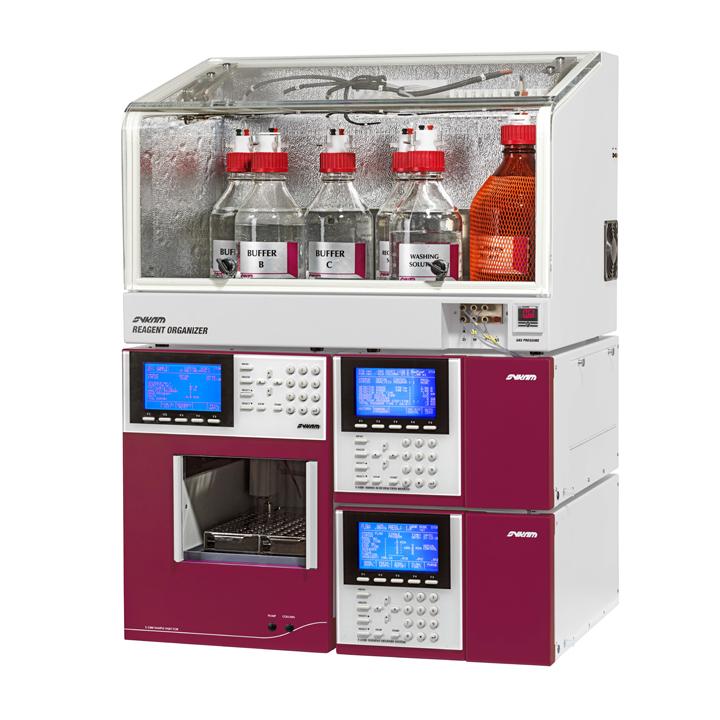
 Analytical Equipment
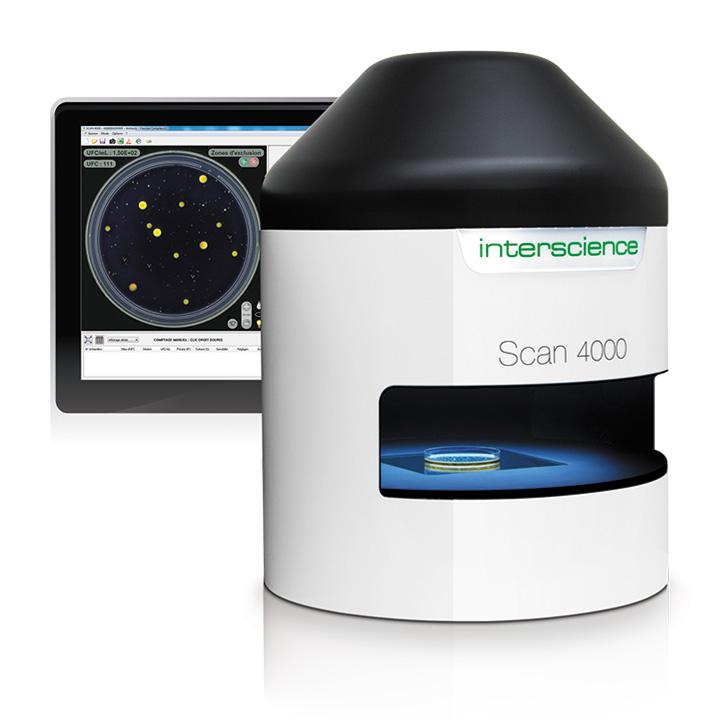 Microbiology Equipment
- Gravimetric Diluters and Sample Weighing Systems
- Mediaprep Automated Media Preparators
- Mediafill Automated Media Distributors
- Manual Media Dispensers
- Lab Blenders / Homogenizers
- Automated Spiral Platers
- Manual Colony Counters
- Automated Colony Counters
- Inhibition Zone Readers
- Automated Incubators and Colony Counters
- Biosafety Cabinets
- Laminar Flow Hoods
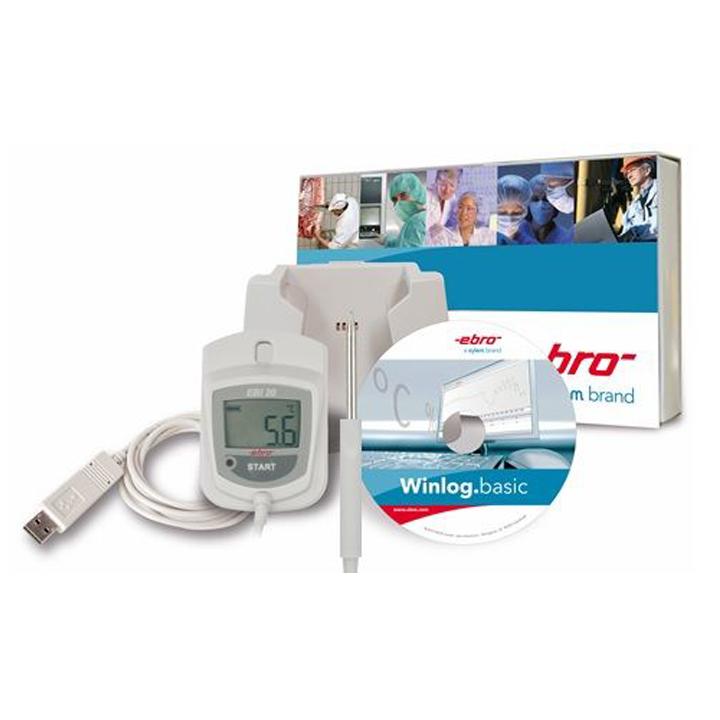 Temperature, Humidity, and Pressure Measuring Instruments
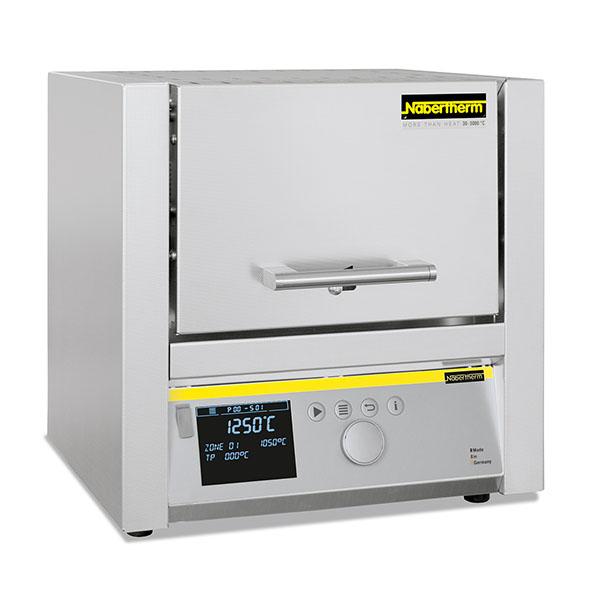 Other Basic Equipment
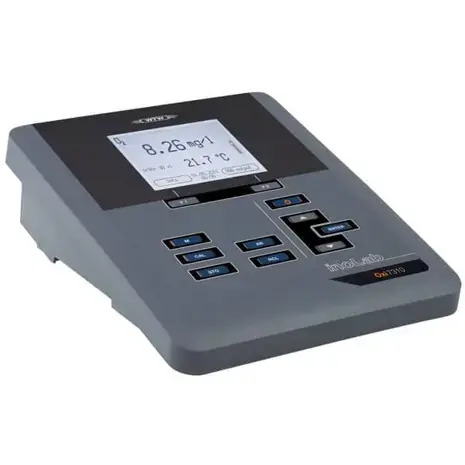 Multiparameter Water Quality Meters
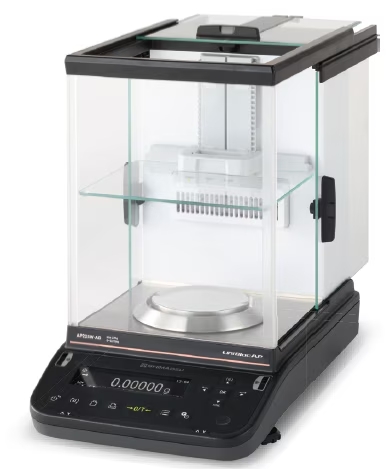 Balances
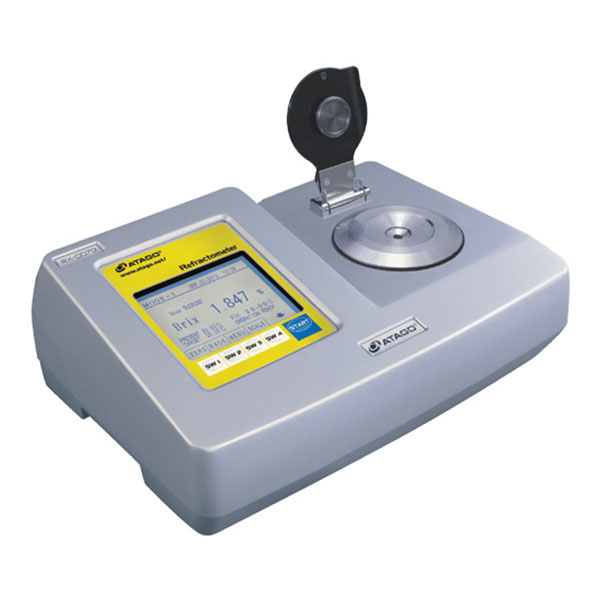 Polarimeters, Refractometers
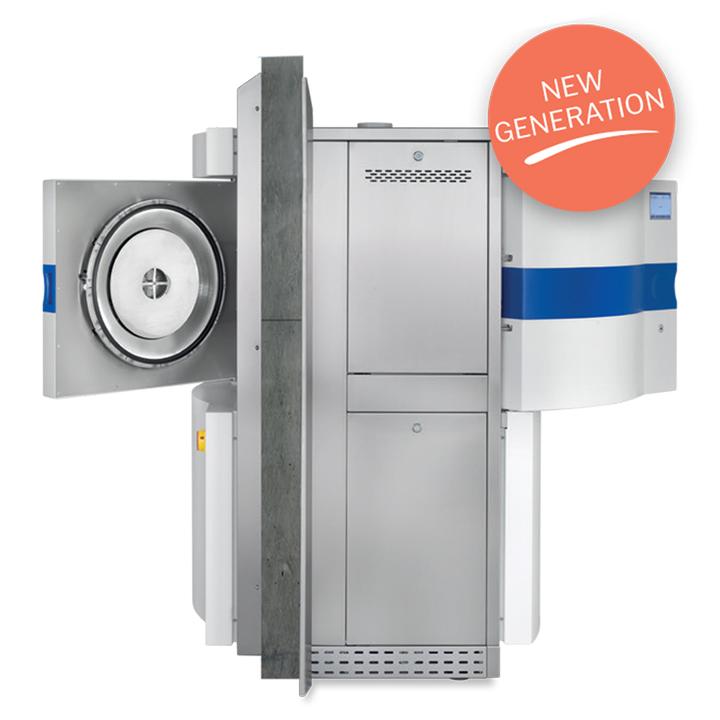 Autoclaves
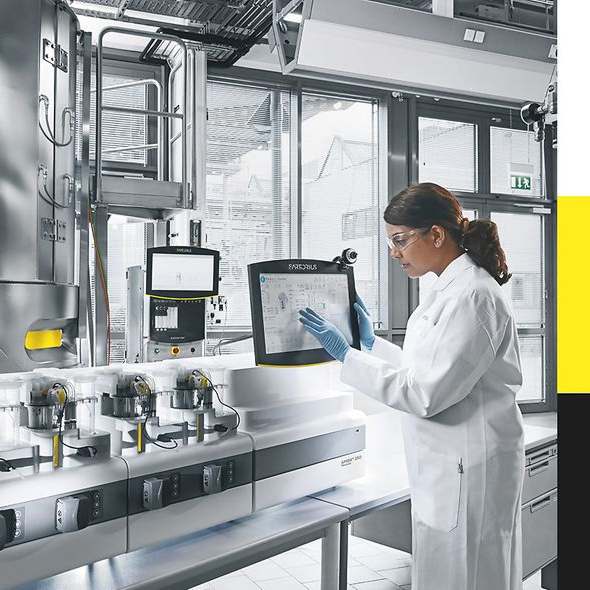 Biotechnology Equipment and Solutions
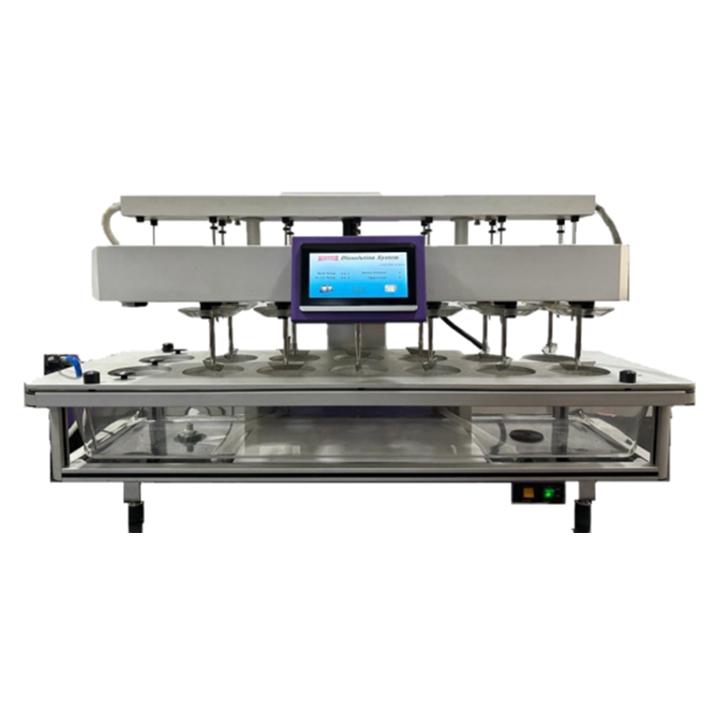 Pharmaceutical Equipment
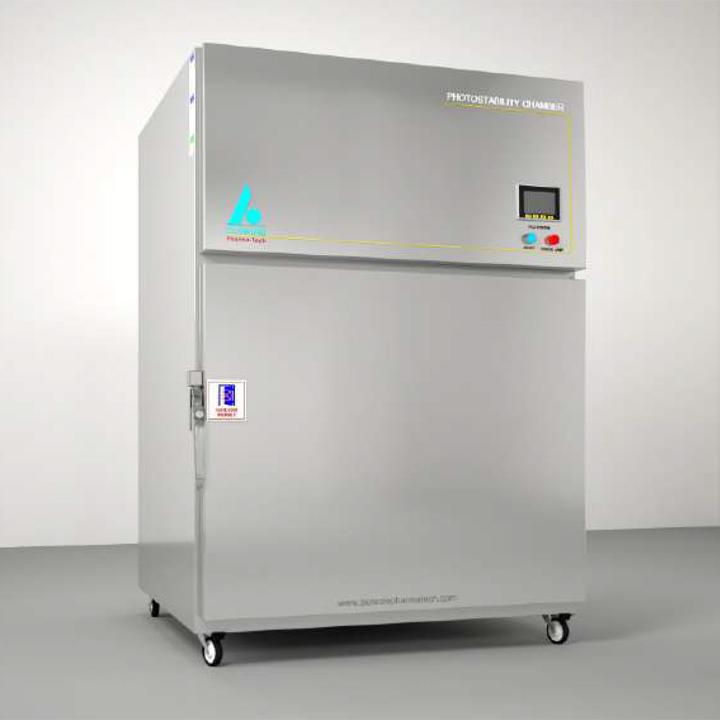 Shelf-life Testing Equipment
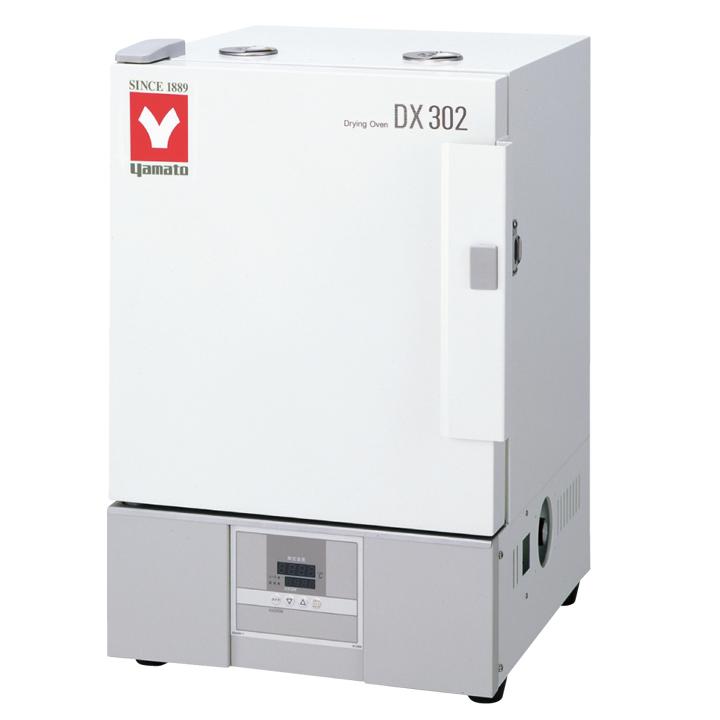
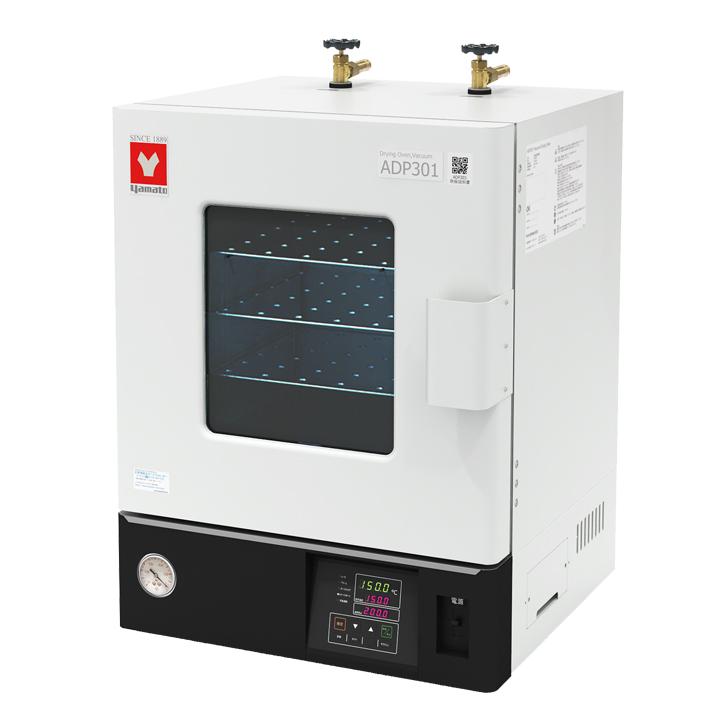 Drying Ovens
 Incubators
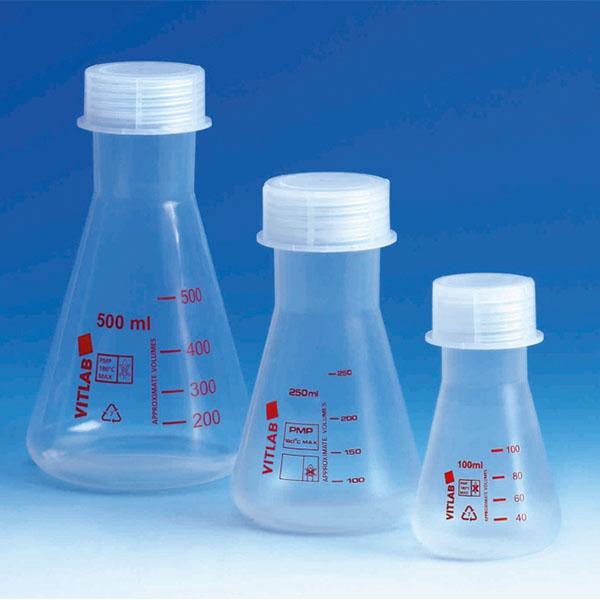 Laboratory Flasks
 Beakers, Measuring Jugs
 Liquid Handling Tools
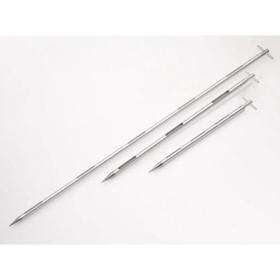 Sampling Tools
 Filtration Tools and Consumables
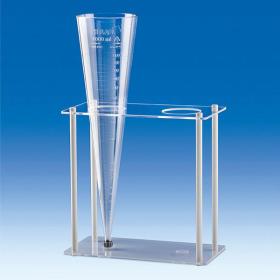 Racks and Stands
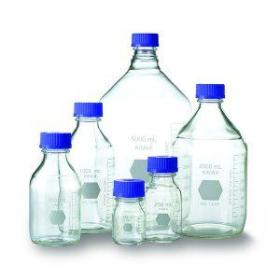 Laboratory Bottles and Vials
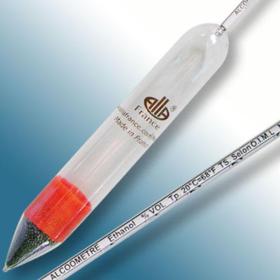 Thermometers, Hydrometers, Baumé Hydrometers, Alcoholmeters
 Pipettes
 Test tubes
 Graduated cylinders
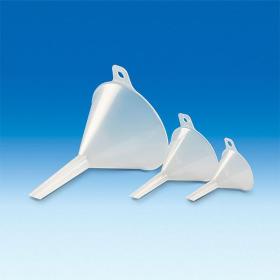 Funnels
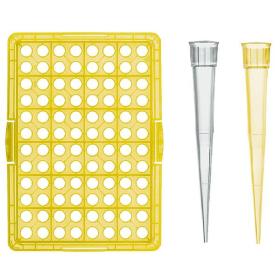 Tips & tip boxes
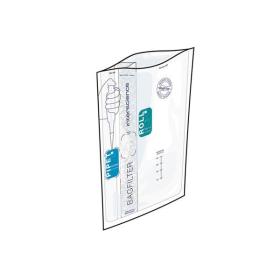 Homogenizer bags
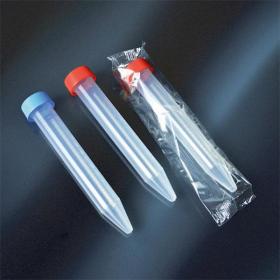 Centrifuge tubes
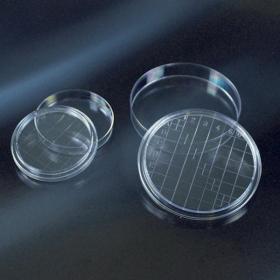 Petri dishes
 Others
- Glass capillary tubes
- Glass melting point tubes
- Condensers
- Plastic weighing boats
- Glass stirring rods
- Filtration and separation equipment
- Alcohol burners
- Glass weighing bottles
- Crucibles
- Crucible tongs
- Blender bag openers
- BagClip sealing clips
- Autoclave deodorant capsules
- Magnetic stir bars
- Test tube brushes
- Glass watch glasses
- Glass beads
- Glass wool
- Glass slides
- Plastic buckets
- Stainless steel bucket
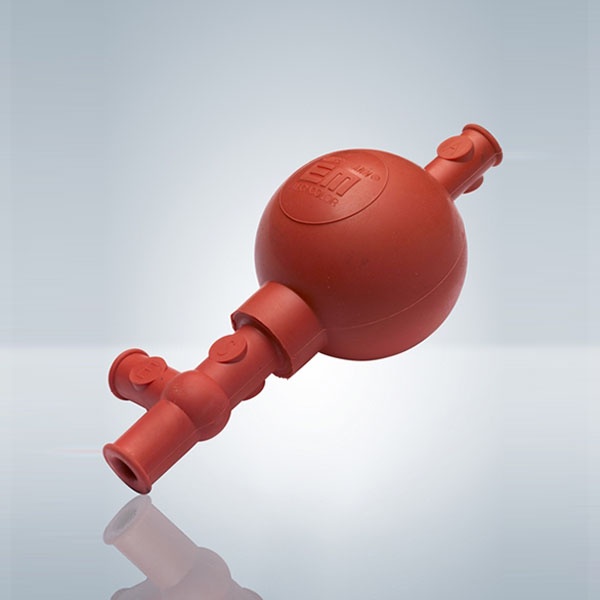
- Rubber bulb
- Inoculation loop
- Sampling rod
- Plastic spoon
- Stainless steel spoon
- Plastic tweezers
- Glass burette
- Glass slide
- Glass filter crucible
Homogenizer bags
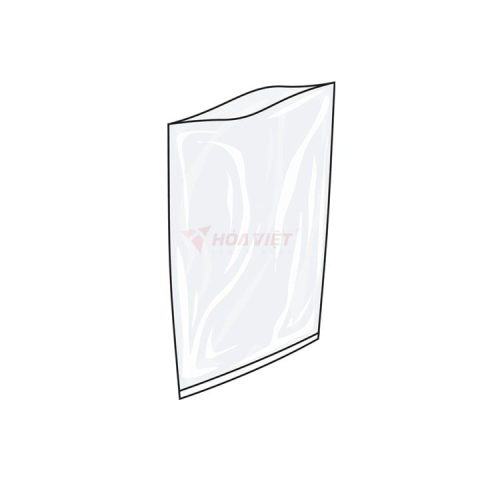
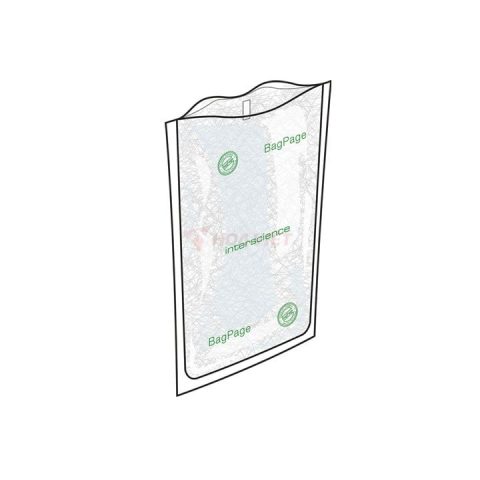
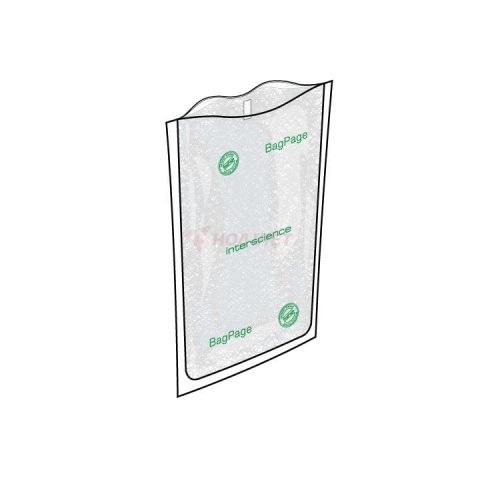
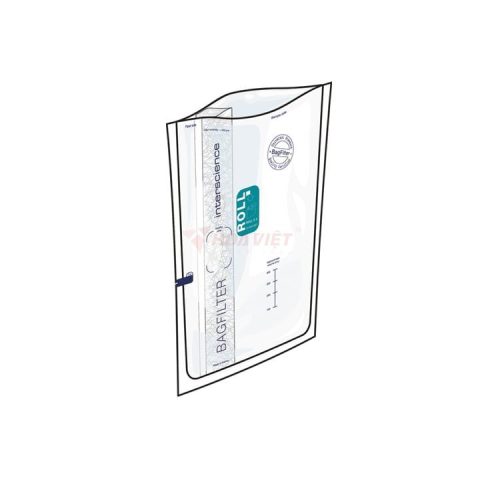
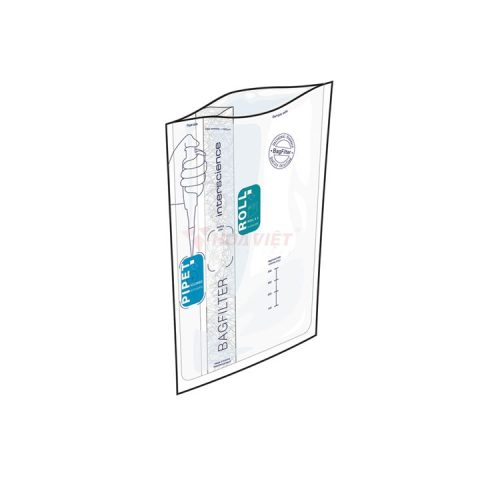


Introduction to Homogenizer bags
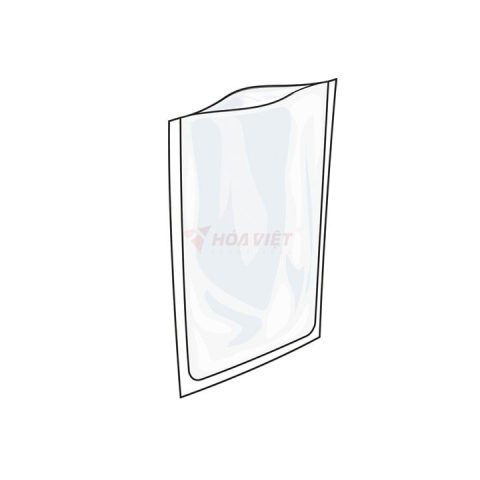
Blender bags are specialized sample containers in microbiology laboratories, used with paddle blenders to homogenize and prepare analytical samples while minimizing cross-contamination risks. Made from materials like PolySilk or Multilayer film, they provide high mechanical strength to withstand intense blending and mixing processes.
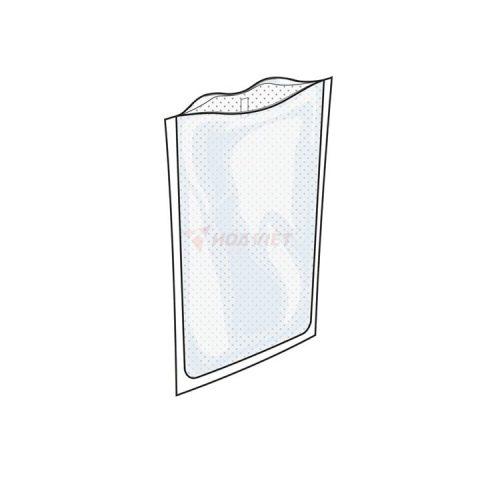
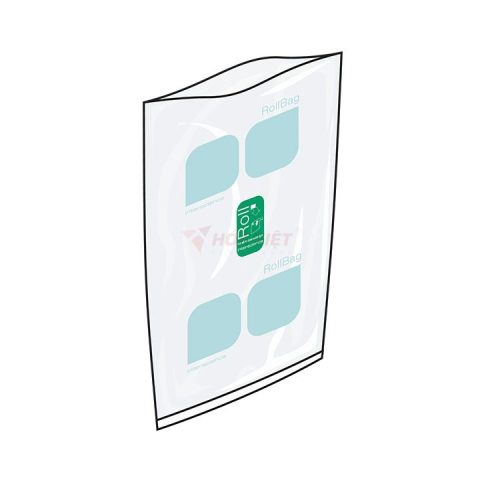
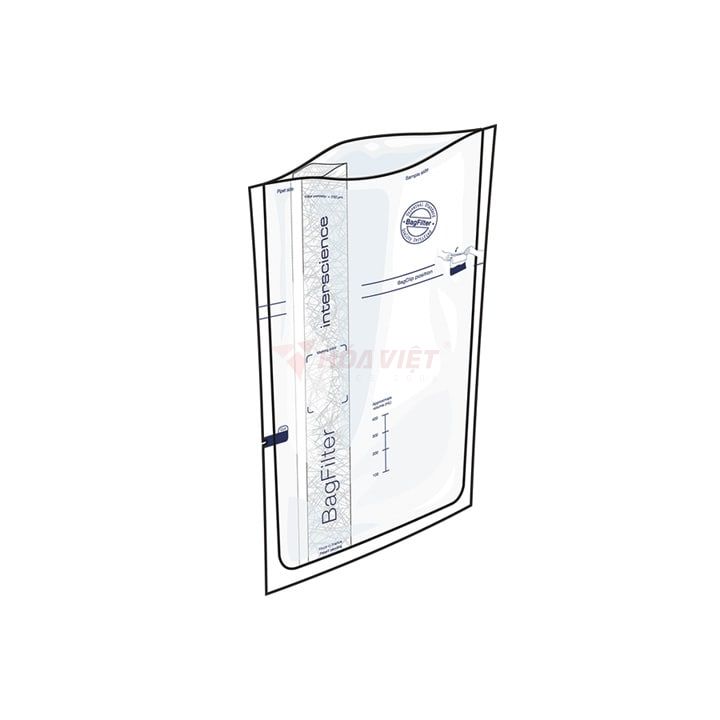
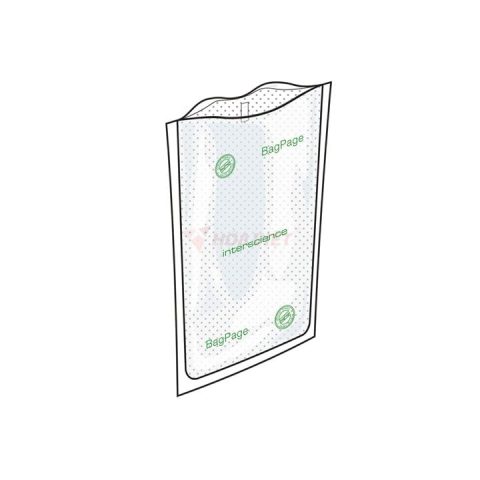
When selecting blender bags, users should determine their analytical requirements to choose between non-filter bags, filter bags (equipped with non-woven filter membranes like BagFilter, BagPage), or RollBag sampling bags. Bag volume and dimensions must be compatible with sample sizes and processing equipment, commonly in 100ml, 400ml, 3500ml volumes or 75mm x 200mm dimensions, featuring designs that facilitate easy pipetting. Currently, Hoa Viet supplies blender bags from manufacturers Interscience (France) and EBRO (Germany).
When should I choose a filter blender bag instead of a non-filter bag?
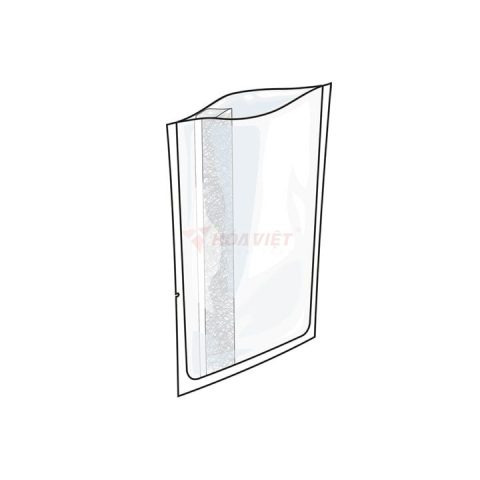
Filter blender bags feature an integrated non-woven filter membrane that separates debris and solid particles from the liquid after homogenization, facilitating smooth pipetting without tip clogging. Non-filter bags are typically preferred for simple sample preparation or liquid samples free of coarse debris.
Which brands and capacities of blender bags does Hoa Viet supply?
Hoa Viet distributes blender bags from Interscience (France) and EBRO (Germany). Products are available in capacities of 100ml, 400ml, 3500ml, and sizes of 75mm x 200mm for the Rollbag sample collection line.
What is the difference between PolySilk and Multilayer materials in blender bags?
PolySilk material offers high flexibility and elasticity, ensuring safety for routine sample preparation. In contrast, the reinforced Multilayer structure enhances tear and impact resistance, making it ideal for hard samples or prolonged blending processes.
What benefits do the BagFilter Pull-Up and Pipet designs offer during sampling?
These bag lines are designed with optimized filter compartments and access channels for pipette sampling of the filtrate. This structure allows technicians to work accurately, even when using short pipette tips.
