


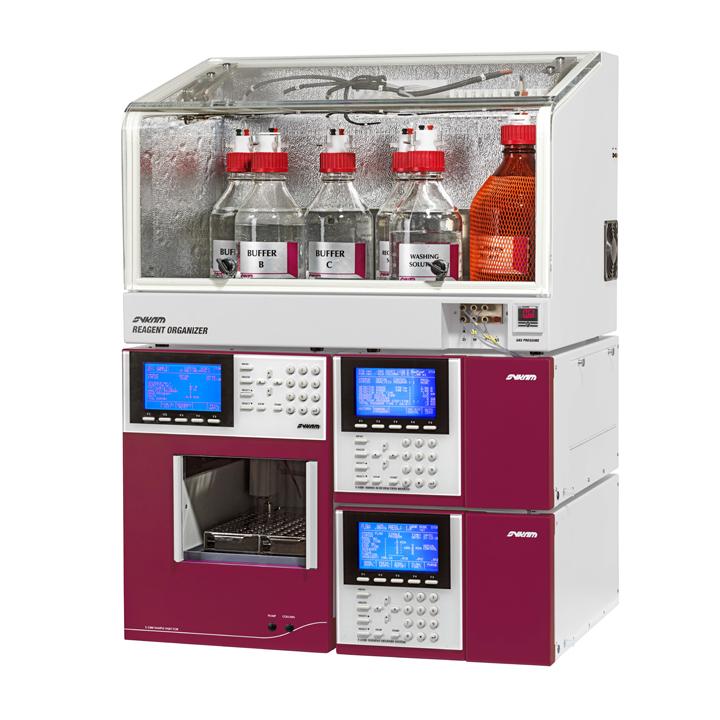
 Analytical Equipment
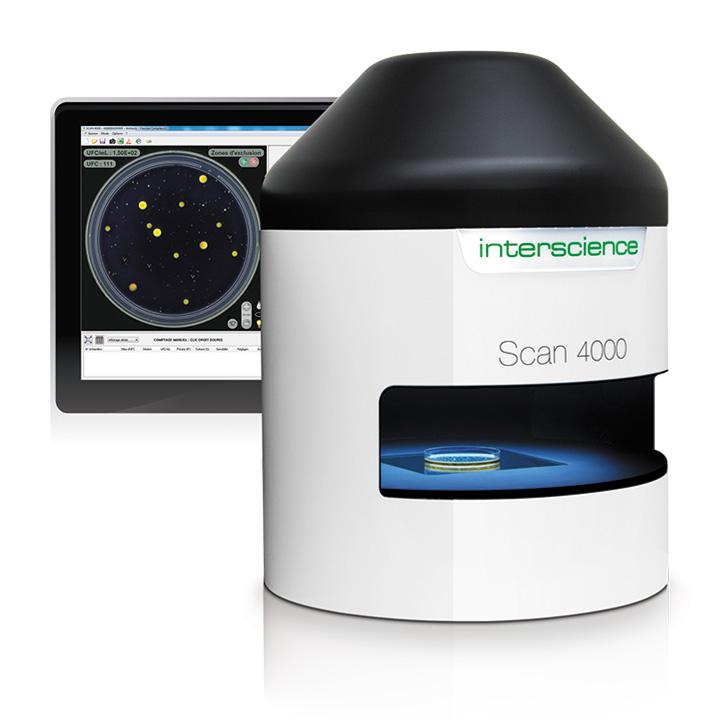 Microbiology Equipment
- Gravimetric Diluters and Sample Weighing Systems
- Mediaprep Automated Media Preparators
- Mediafill Automated Media Distributors
- Manual Media Dispensers
- Lab Blenders / Homogenizers
- Automated Spiral Platers
- Manual Colony Counters
- Automated Colony Counters
- Inhibition Zone Readers
- Automated Incubators and Colony Counters
- Biosafety Cabinets
- Laminar Flow Hoods
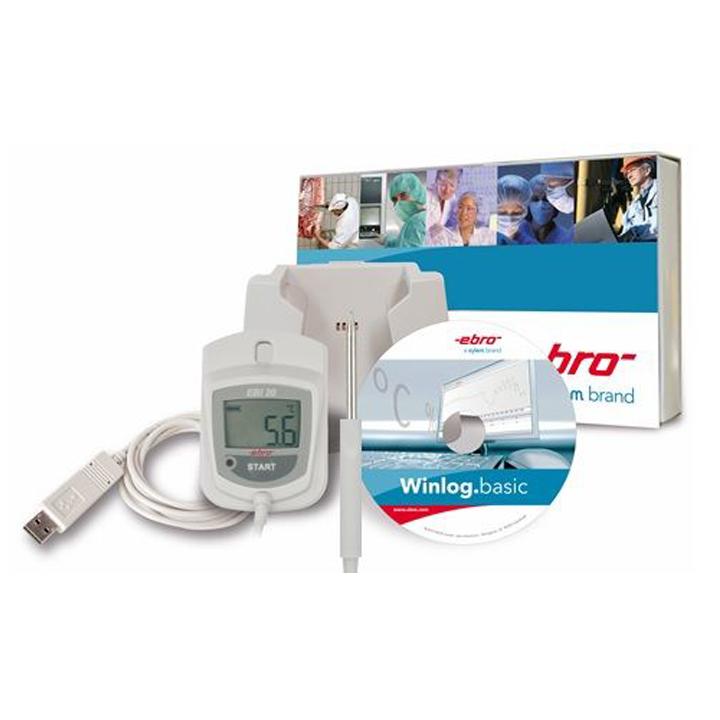 Temperature, Humidity, and Pressure Measuring Instruments
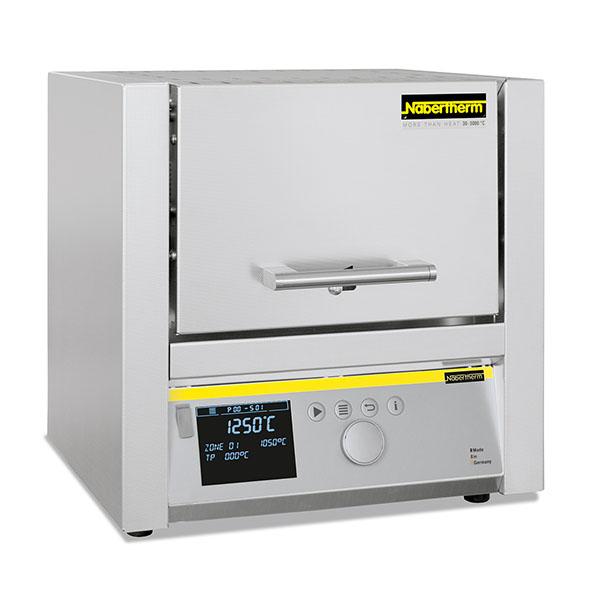 Other Basic Equipment
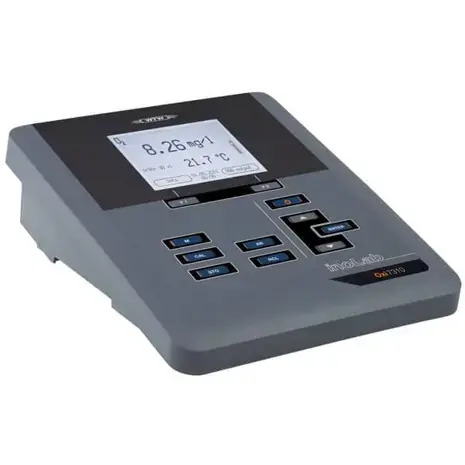 Multiparameter Water Quality Meters
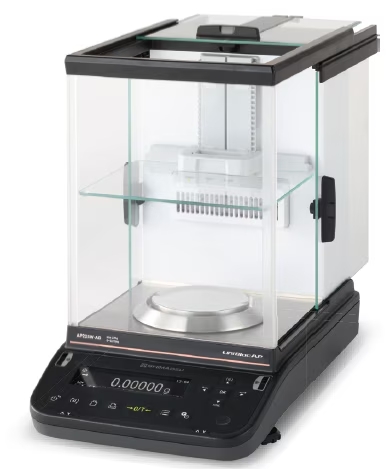 Balances
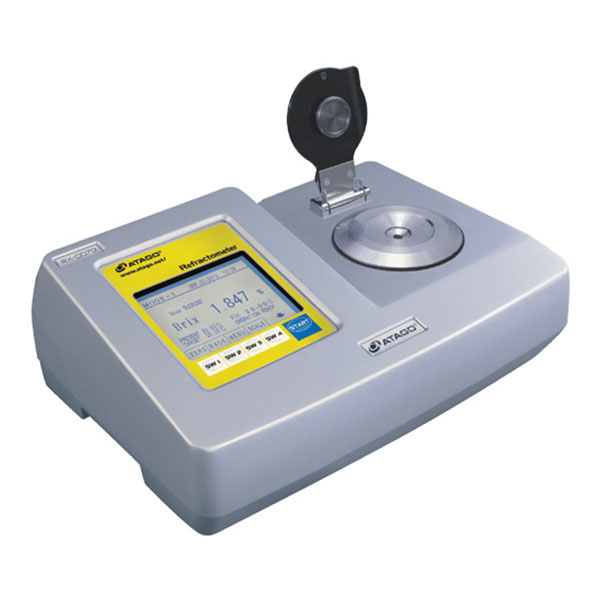 Polarimeters, Refractometers
 Autoclaves
 Biotechnology Equipment and Solutions
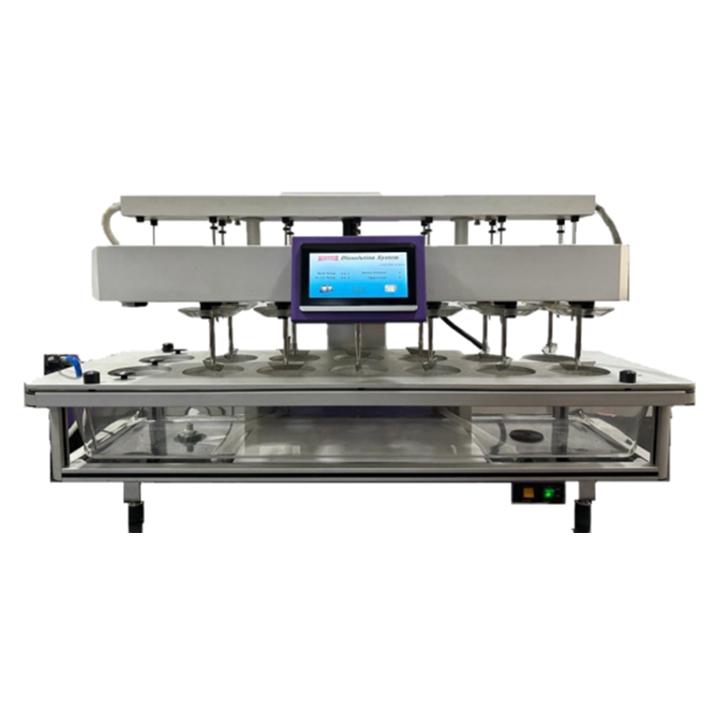 Pharmaceutical Equipment
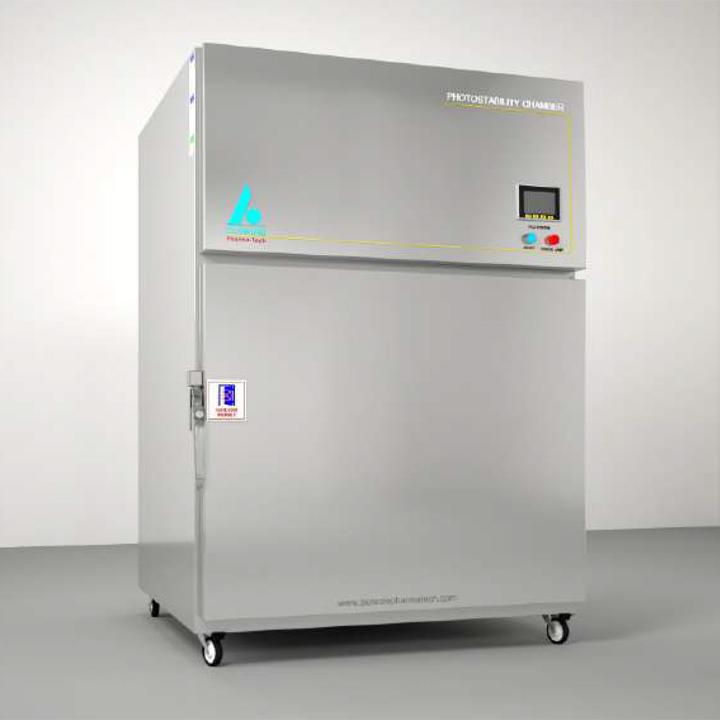 Shelf-life Testing Equipment
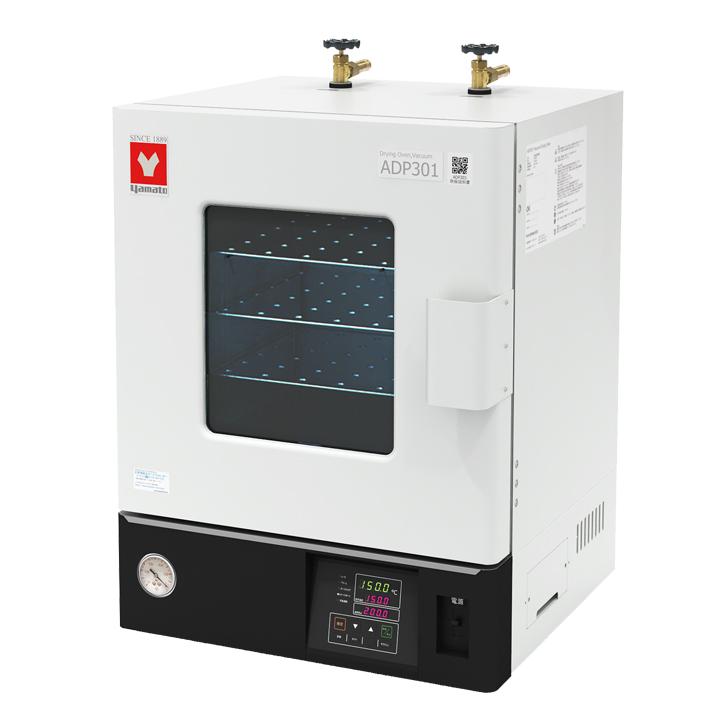 Drying Ovens
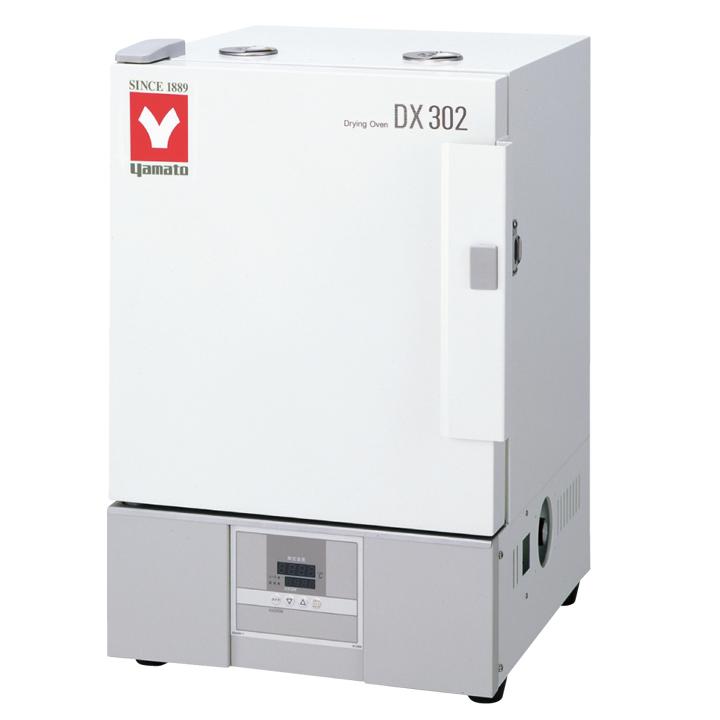 Incubators
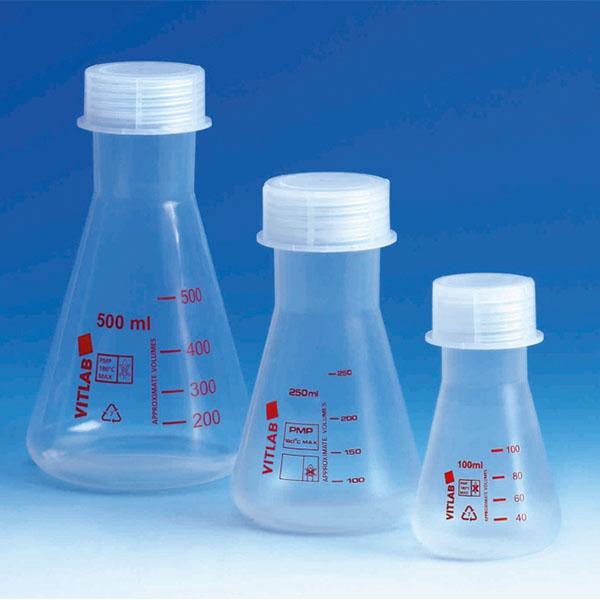 Laboratory Flasks
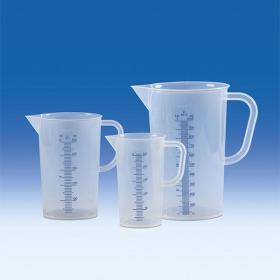 Beakers, Measuring Jugs
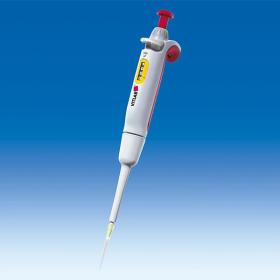 Liquid Handling Tools
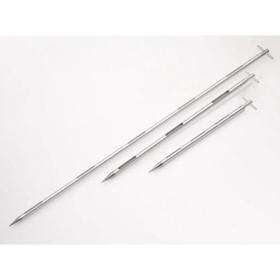 Sampling Tools
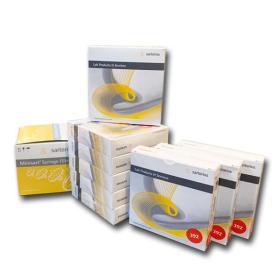 Filtration Tools and Consumables
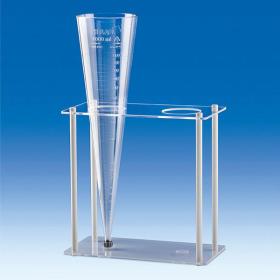 Racks and Stands
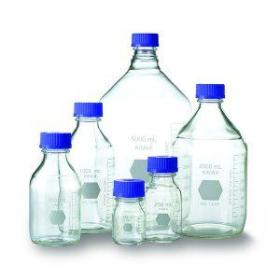 Laboratory Bottles and Vials
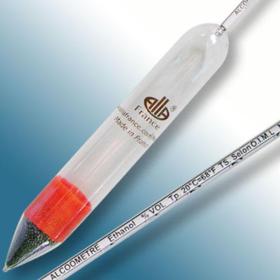 Thermometers, Hydrometers, Baumé Hydrometers, Alcoholmeters
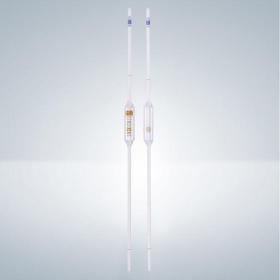 Pipettes
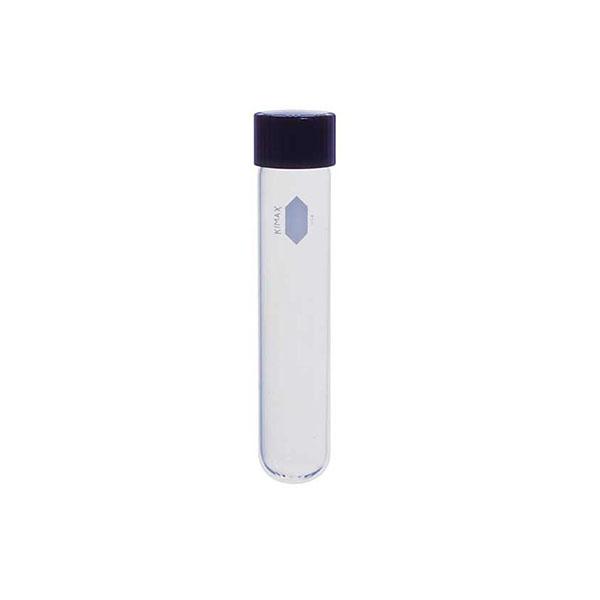 Test tubes
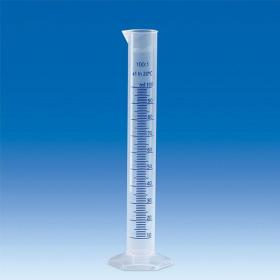 Graduated cylinders
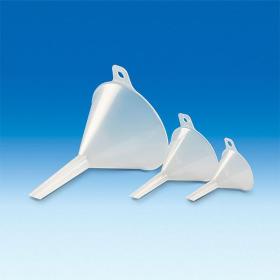 Funnels
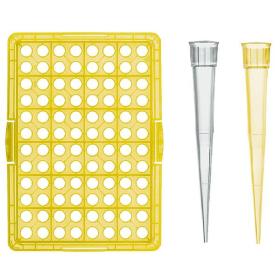 Tips & tip boxes
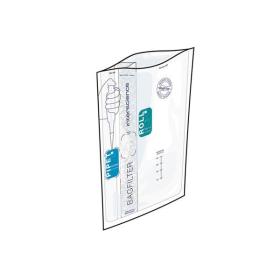 Homogenizer bags
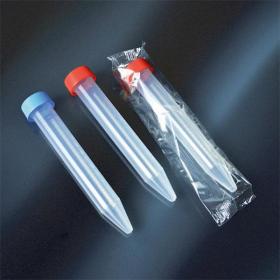 Centrifuge tubes
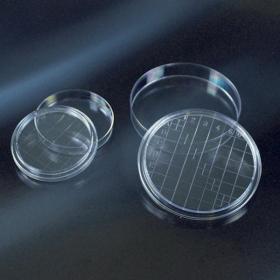 Petri dishes
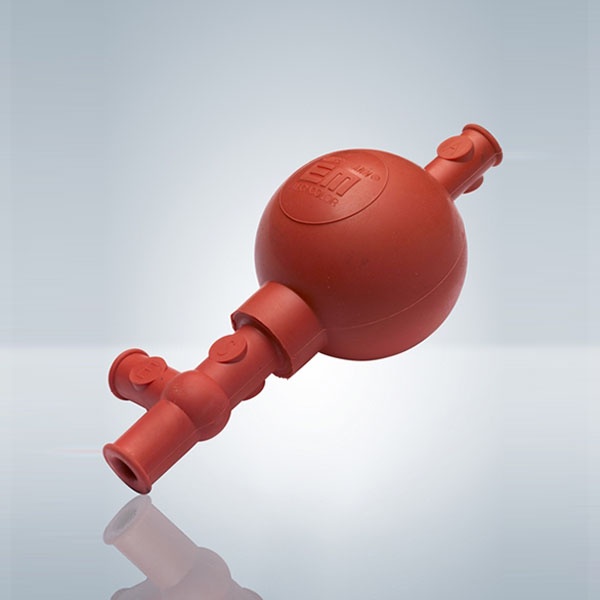 Others
- Glass capillary tubes
- Glass melting point tubes
- Condensers
- Plastic weighing boats
- Glass stirring rods
- Filtration and separation equipment
- Alcohol burners
- Glass weighing bottles
- Crucibles
- Crucible tongs
- Blender bag openers
- BagClip sealing clips
- Autoclave deodorant capsules
- Magnetic stir bars
- Test tube brushes
- Glass watch glasses
- Glass beads
- Glass wool
- Glass slides
- Plastic buckets
- Stainless steel bucket
- Rubber bulb
- Inoculation loop
- Sampling rod
- Plastic spoon
- Stainless steel spoon
- Plastic tweezers
- Glass burette
- Glass slide
- Glass filter crucible
Glass stirring rods
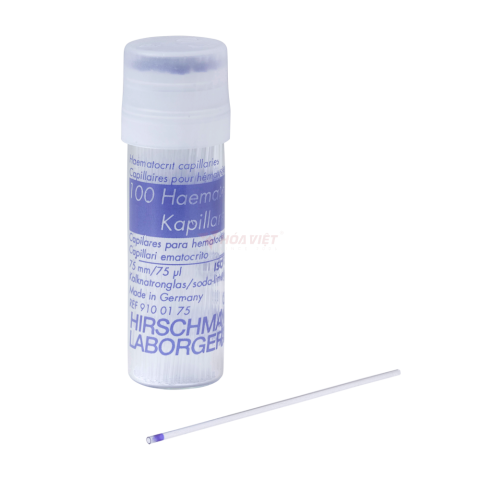 Glass capillary tubes
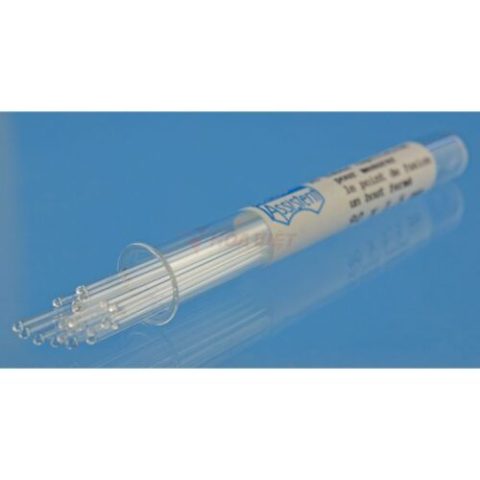 Glass melting point tubes
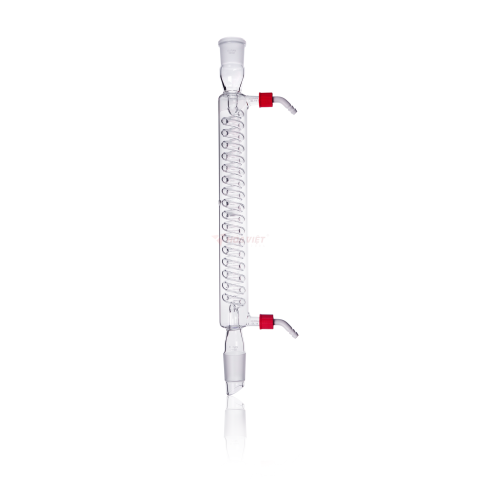 Condensers
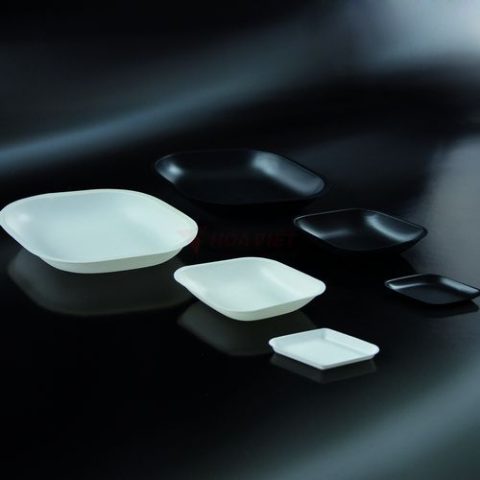 Plastic weighing boats
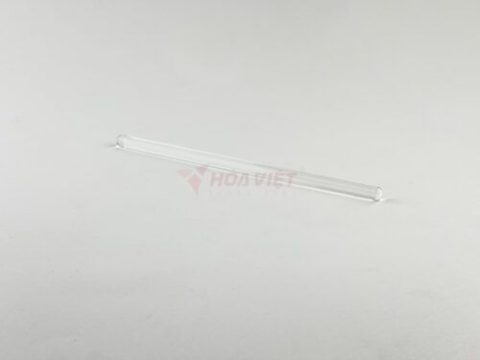 Glass stirring rods
- Filtration and separation equipment
- Alcohol burners
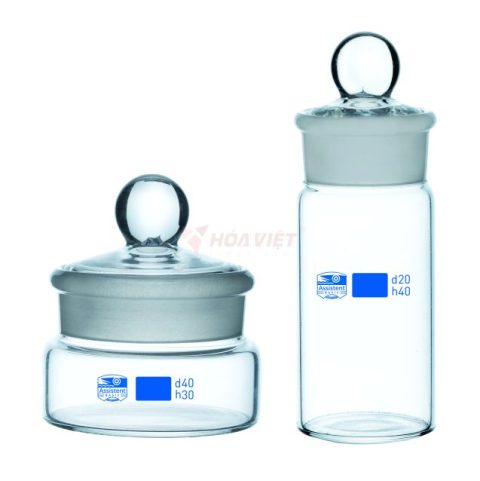 Glass weighing bottles
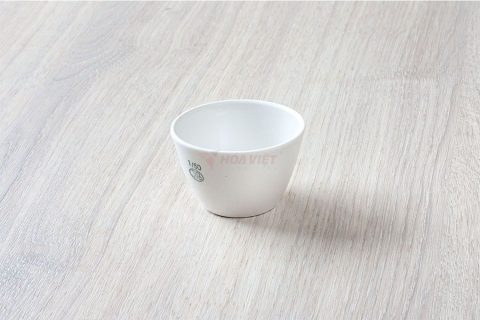 Crucibles
- Crucible tongs
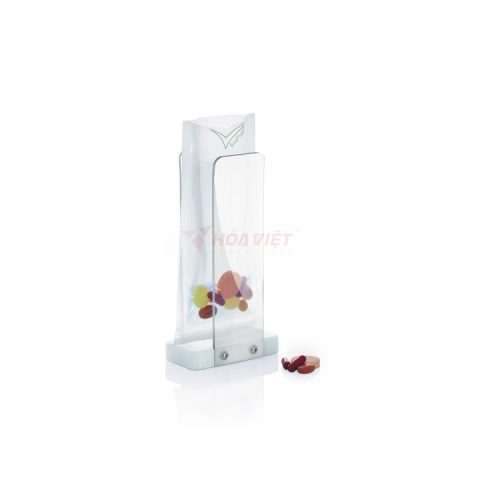 Blender bag openers
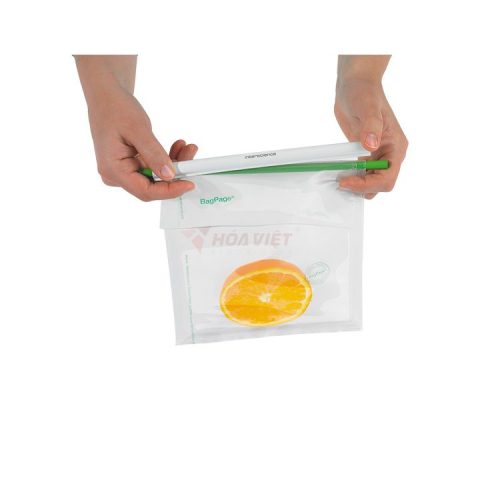 BagClip sealing clips
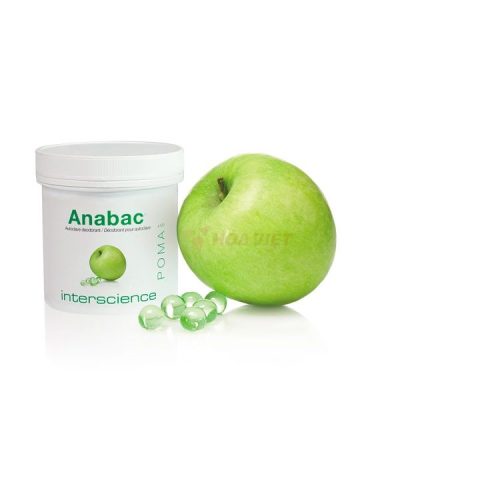 Autoclave deodorant capsules
 Magnetic stir bars
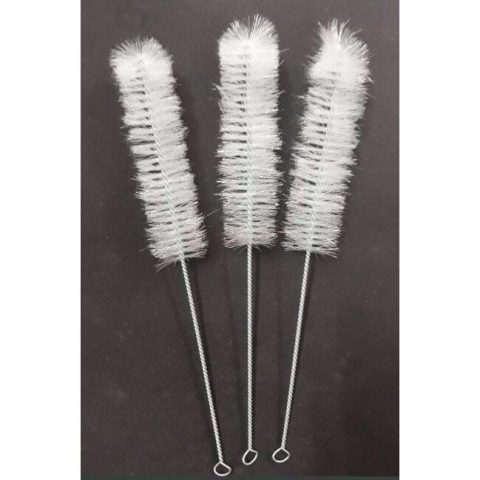 Test tube brushes
- Glass watch glasses
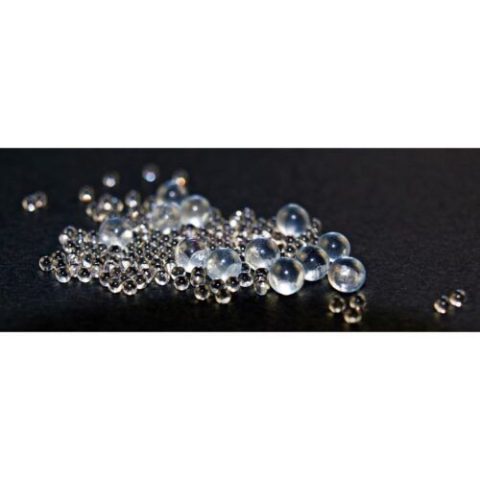 Glass beads
 Glass wool
 Glass slides
 Plastic buckets
- Stainless steel bucket
 Rubber bulb
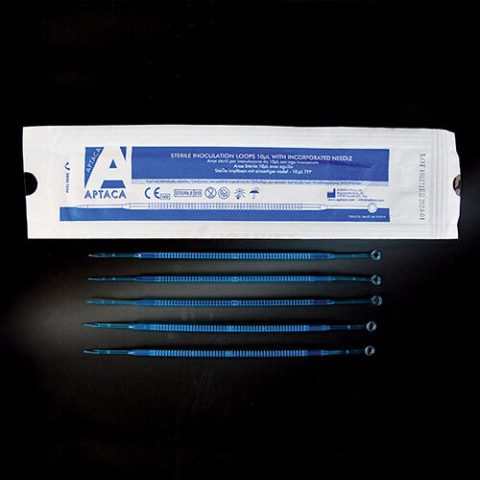 Inoculation loop
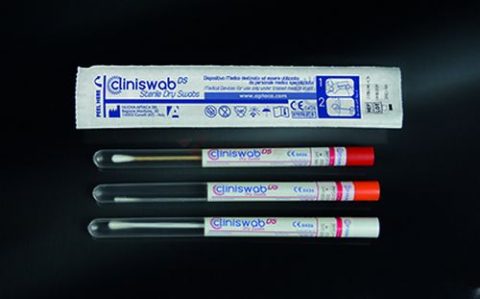 Sampling rod
 Plastic spoon
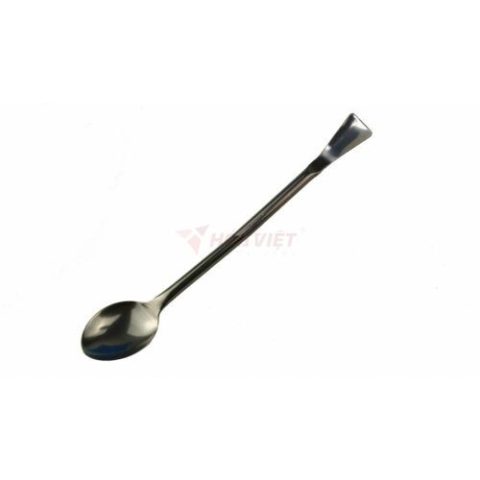 Stainless steel spoon
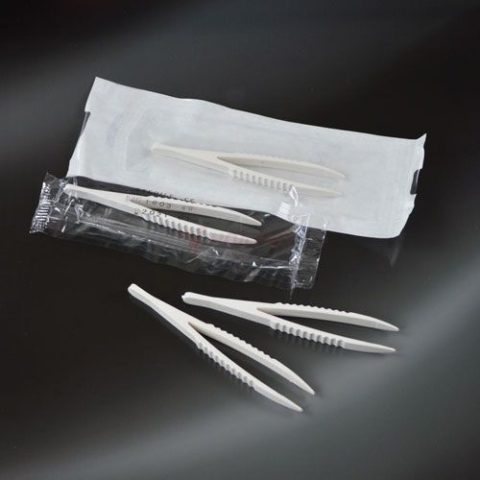 Plastic tweezers
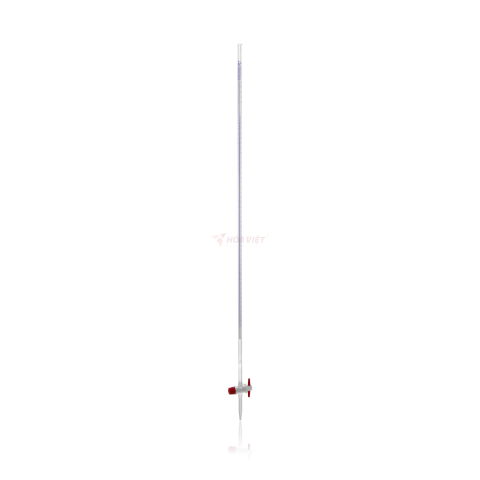 Glass burette
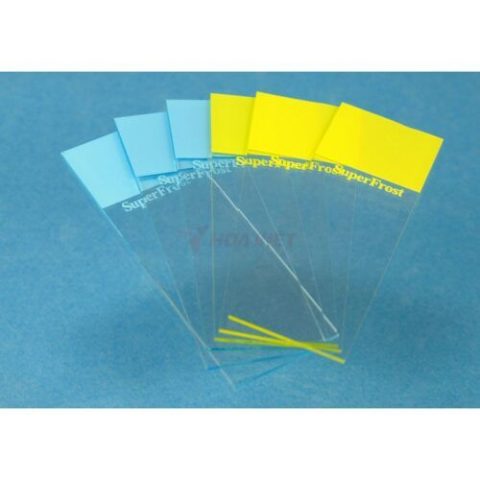 Glass slide
- Glass filter crucible
Introduction to Glass stirring rods
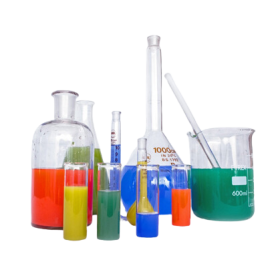
Glass stirring rods are cylindrical laboratory tools used for mixing chemicals, dissolving solutes, and guiding liquid flow during pouring. Thanks to their chemically inert glass material, they do not denature experimental solutions, while their smooth surface minimizes sample adhesion and facilitates cleaning after use.
Important criteria when selecting glass stirring rods are diameter and length, ensuring compatibility with the height and volume of the beaker or sample container. Currently, Hoa Viet supplies glass stirring rods in dimensions such as 150mm, 4x100mm, 6x200mm, and 9x300mm from Assistent (Germany) and Eulab. Depending on operational requirements in Erlenmeyer flasks, beakers, or test tubes, customers can contact Hoa Viet for advice on suitable specifications.
How to select the right glass stirring rod size for sample containers?
The length of the glass rod should exceed the rim height of the beaker or container to ensure a comfortable grip and easy stirring. For small containers, sizes of 4x100mm or 150mm are recommended, whereas larger vessels are better suited for 6x200mm or 9x300mm rods.
Which brands of glass stirring rods does Hoa Viet currently supply?
Hoa Viet distributes glass stirring rods from Assistent (Germany) and Eulab, offering various specifications in length and diameter.
How do glass stirring rods assist in pouring liquids?
When pouring liquids, the operator rests the rod against the beaker spout and directs its tip toward the inner wall of the receiving vessel to guide smooth flow. This technique ensures precise fluid guidance and prevents chemical splashing.
What precautions should be taken to maintain and avoid breaking glass stirring rods?
Do not use the rod to crush solid chemical lumps or strike forcefully against the vessel bottom to avoid chipping or cracking. After exposure to high temperatures, allow the rod to cool naturally before washing with cold water to prevent thermal shock.
