




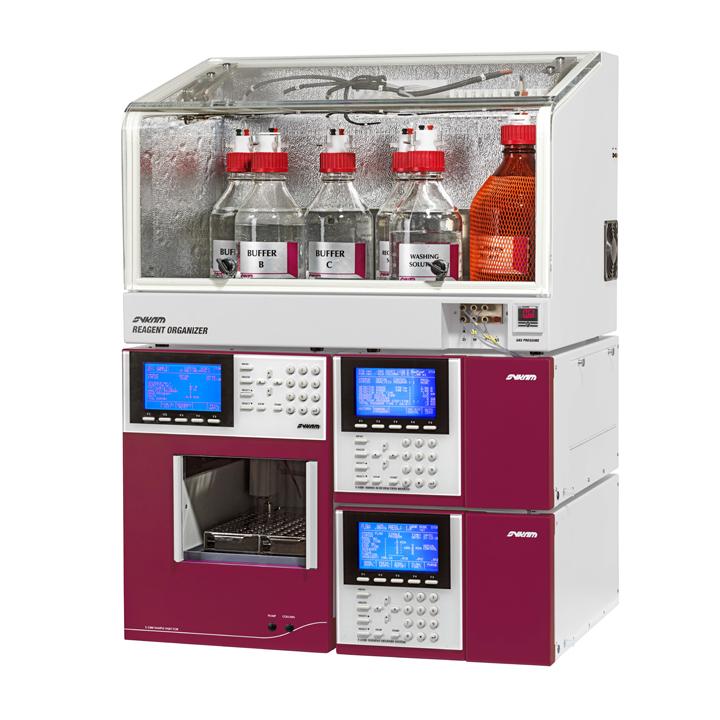
 Analytical Equipment
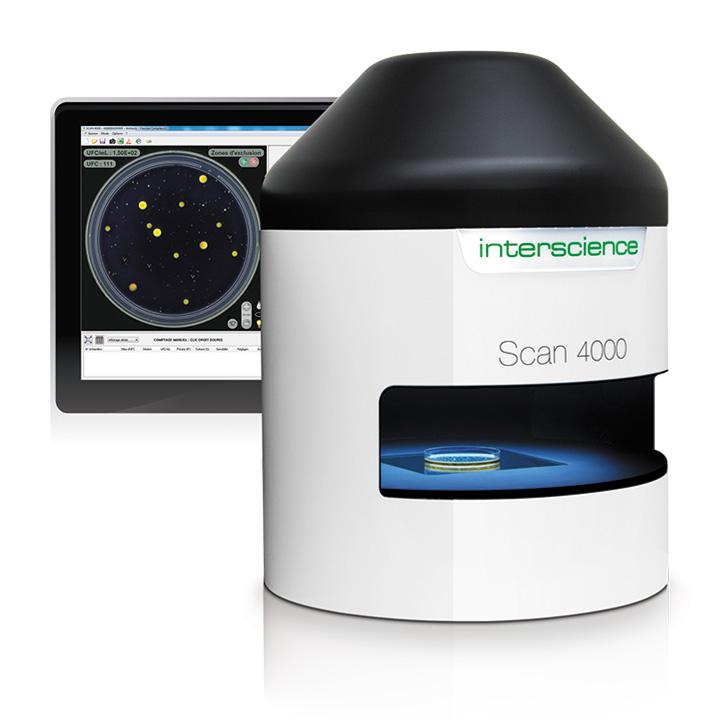 Microbiology Equipment
- Gravimetric Diluters and Sample Weighing Systems
- Mediaprep Automated Media Preparators
- Mediafill Automated Media Distributors
- Manual Media Dispensers
- Lab Blenders / Homogenizers
- Automated Spiral Platers
- Manual Colony Counters
- Automated Colony Counters
- Inhibition Zone Readers
- Automated Incubators and Colony Counters
- Biosafety Cabinets
- Laminar Flow Hoods
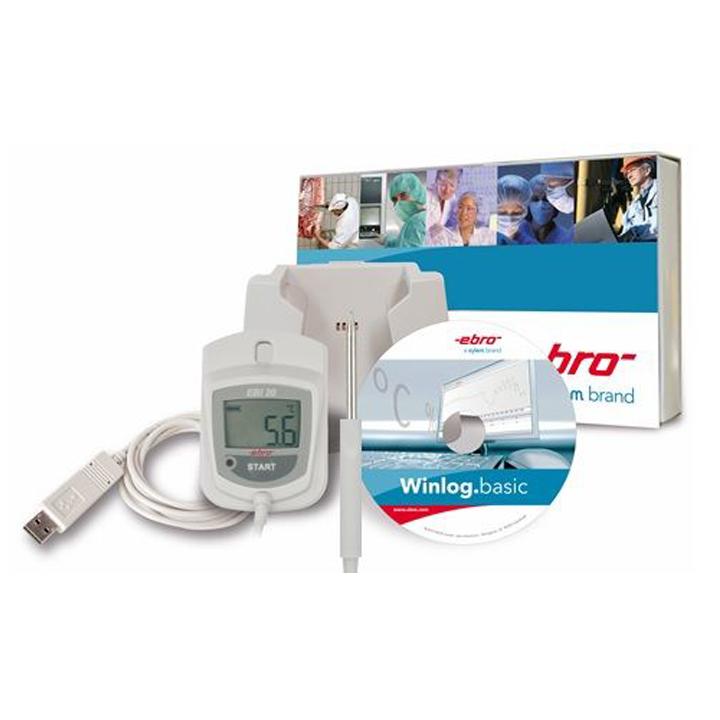 Temperature, Humidity, and Pressure Measuring Instruments
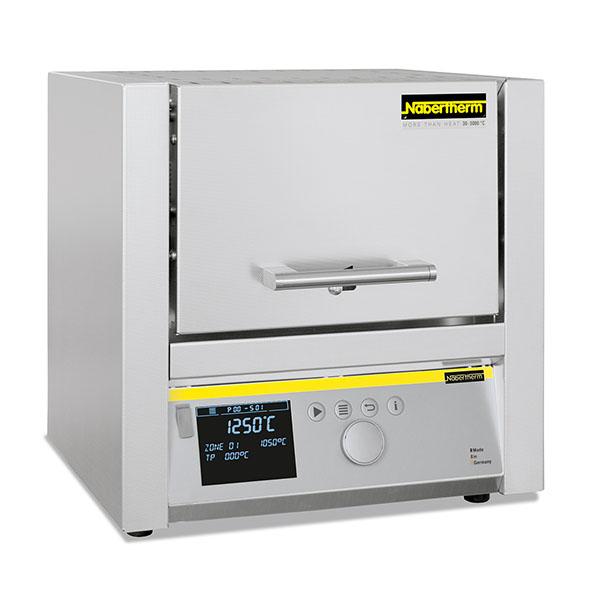 Other Basic Equipment
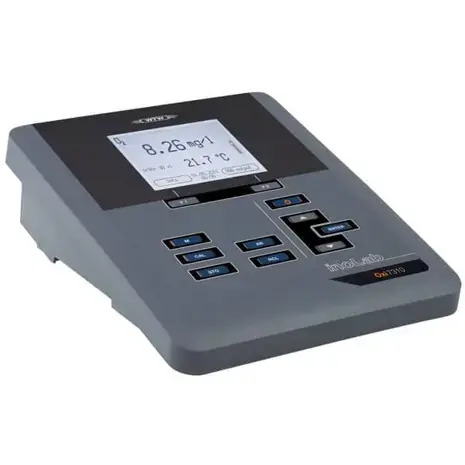 Multiparameter Water Quality Meters
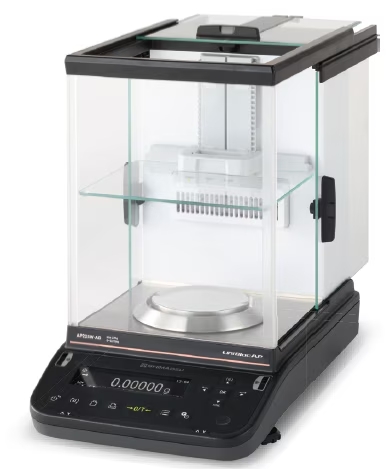 Balances
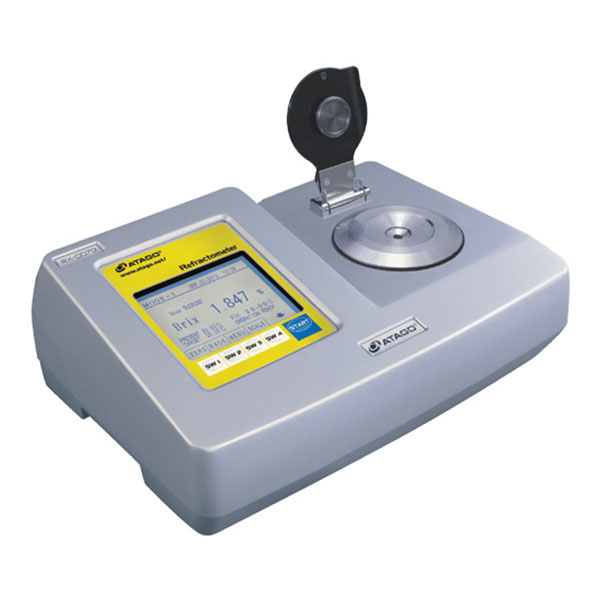 Polarimeters, Refractometers
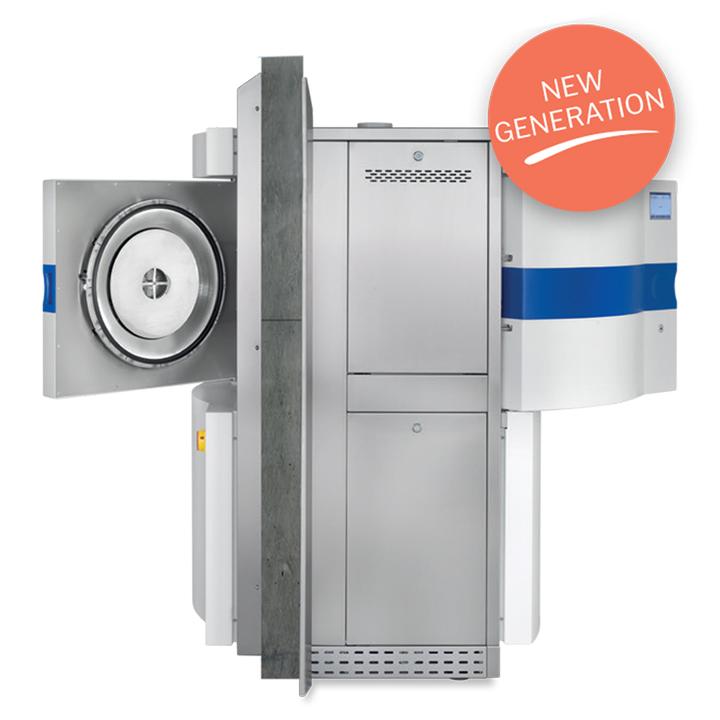 Autoclaves
 Biotechnology Equipment and Solutions
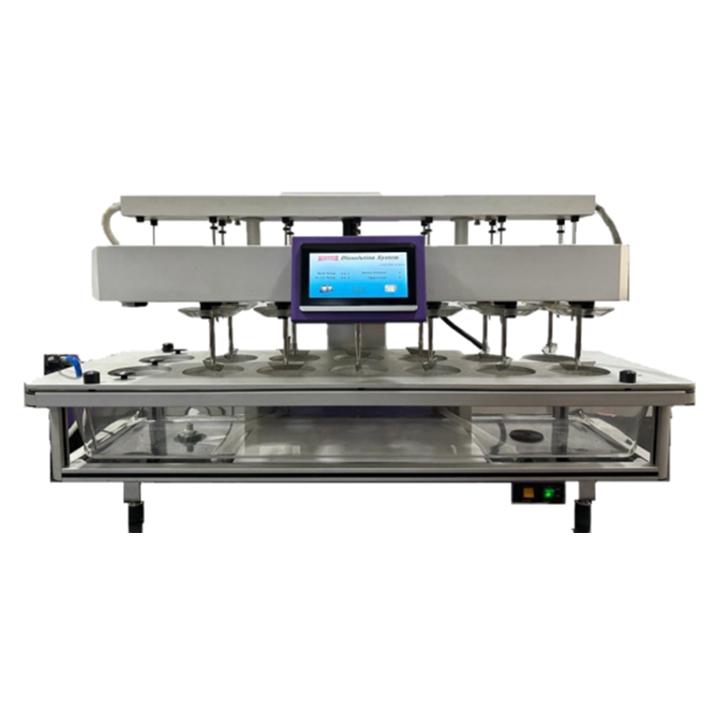 Pharmaceutical Equipment
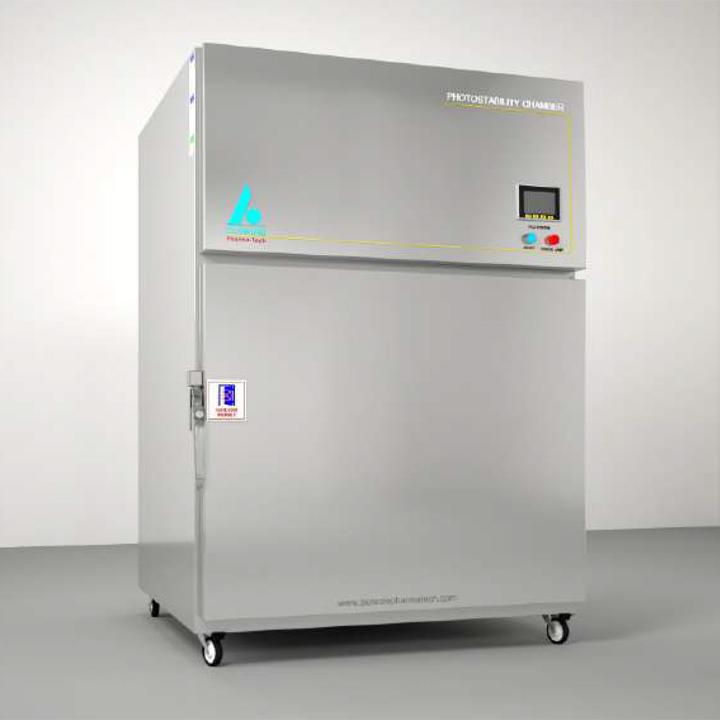 Shelf-life Testing Equipment
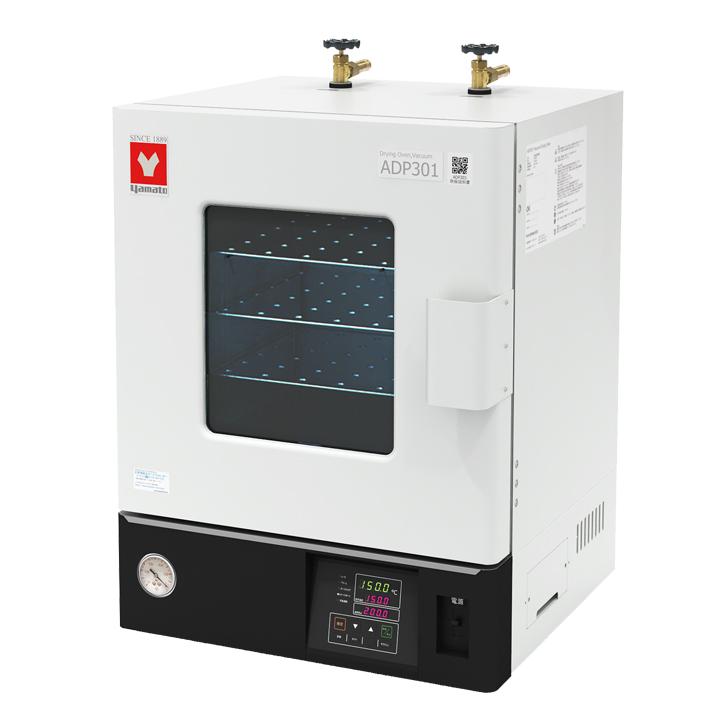 Drying Ovens
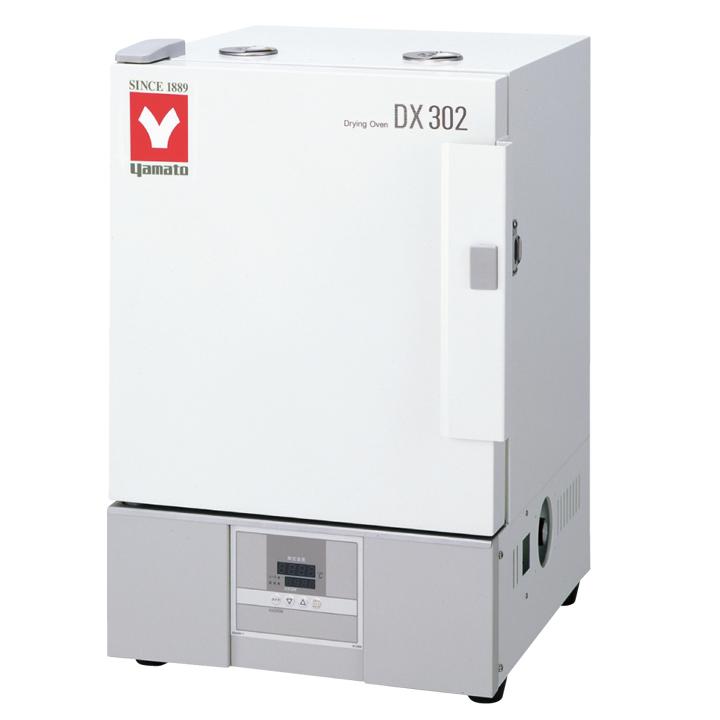 Incubators
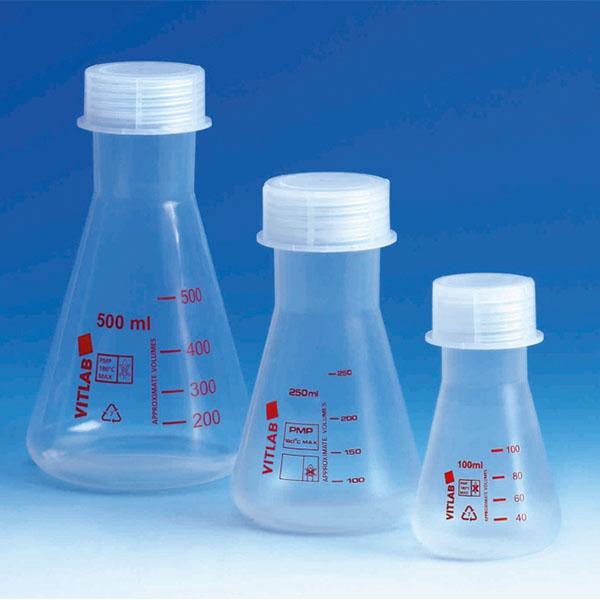 Laboratory Flasks
 Beakers, Measuring Jugs
 Liquid Handling Tools
 Sampling Tools
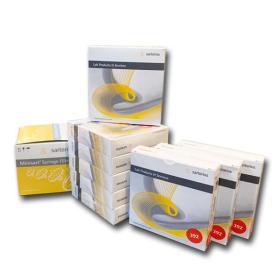 Filtration Tools and Consumables
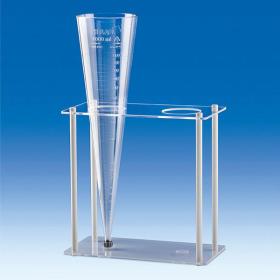 Racks and Stands
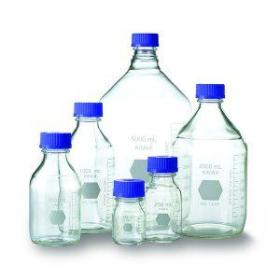 Laboratory Bottles and Vials
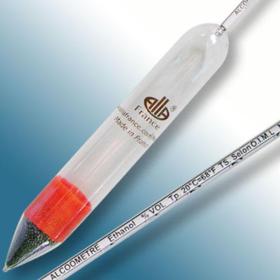 Thermometers, Hydrometers, Baumé Hydrometers, Alcoholmeters
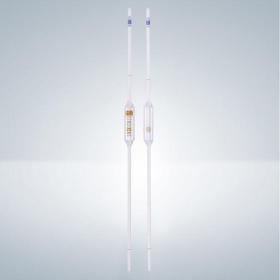 Pipettes
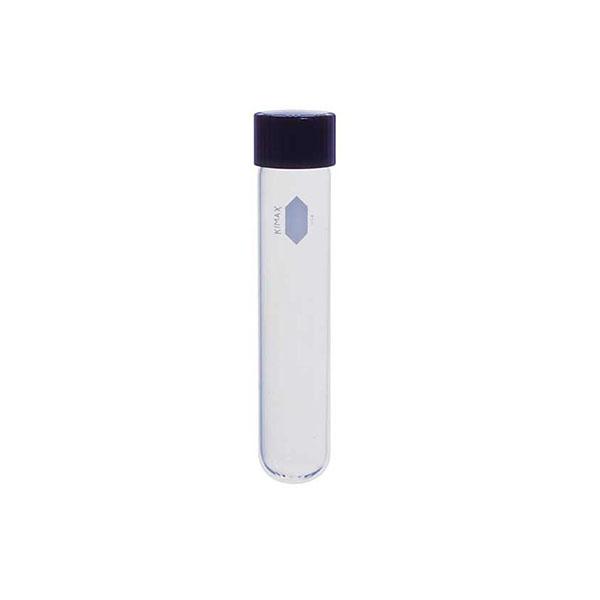 Test tubes
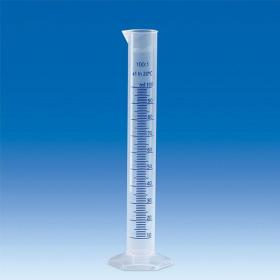 Graduated cylinders
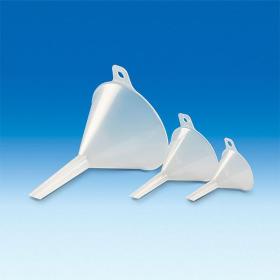 Funnels
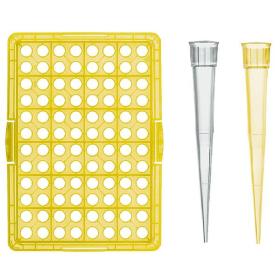 Tips & tip boxes
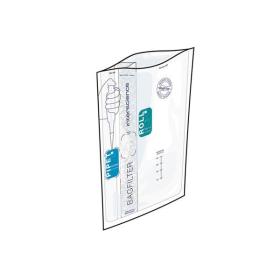 Homogenizer bags
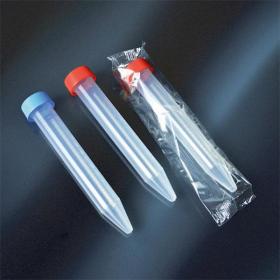 Centrifuge tubes
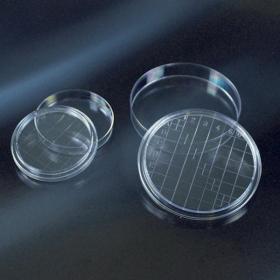 Petri dishes
 Others
- Glass capillary tubes
- Glass melting point tubes
- Condensers
- Plastic weighing boats
- Glass stirring rods
- Filtration and separation equipment
- Alcohol burners
- Glass weighing bottles
- Crucibles
- Crucible tongs
- Blender bag openers
- BagClip sealing clips
- Autoclave deodorant capsules
- Magnetic stir bars
- Test tube brushes
- Glass watch glasses
- Glass beads
- Glass wool
- Glass slides
- Plastic buckets
- Stainless steel bucket
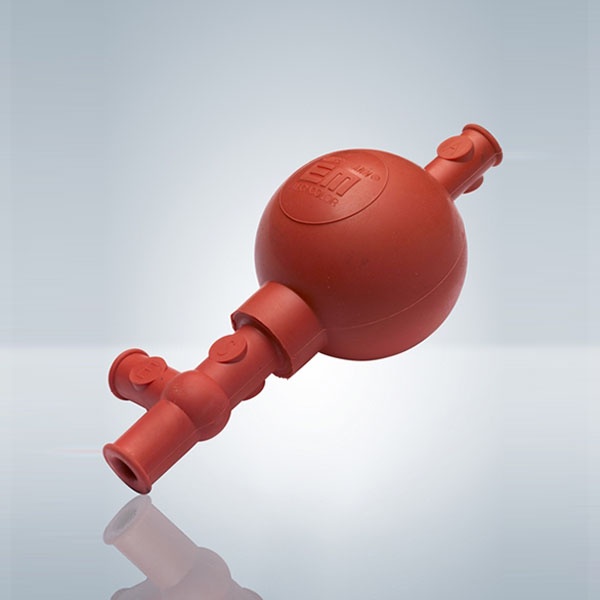
- Rubber bulb
- Inoculation loop
- Sampling rod
- Plastic spoon
- Stainless steel spoon
- Plastic tweezers
- Glass burette
- Glass slide
- Glass filter crucible

Condensers
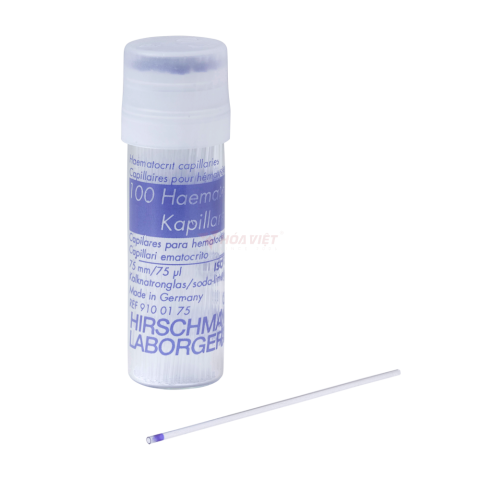 Glass capillary tubes
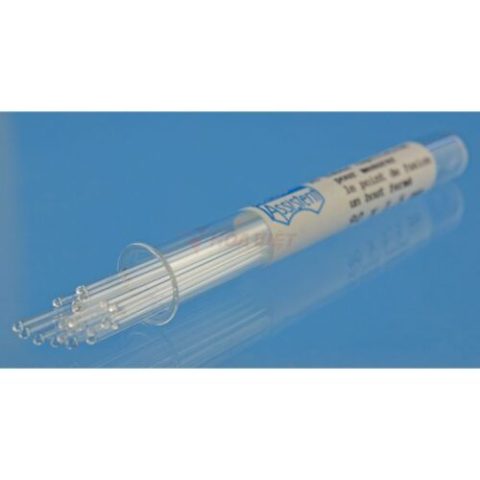 Glass melting point tubes
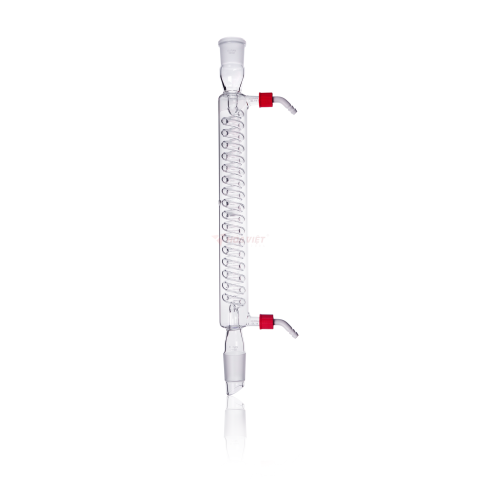 Condensers
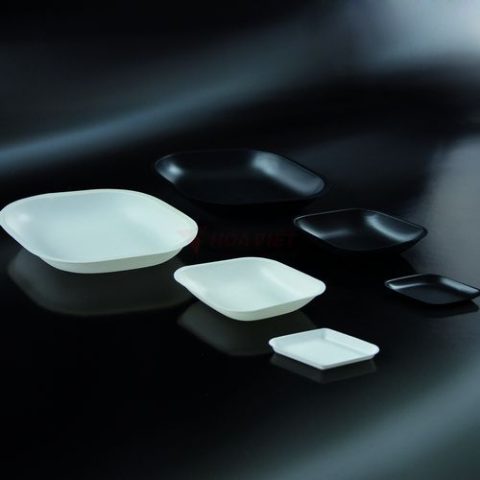 Plastic weighing boats
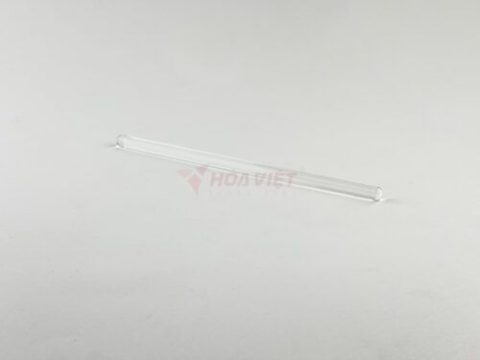 Glass stirring rods
- Filtration and separation equipment
- Alcohol burners
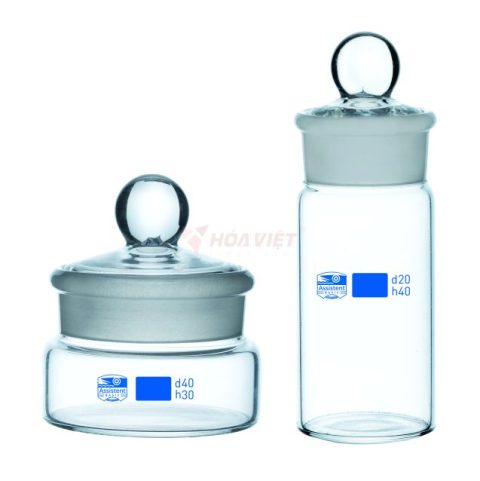 Glass weighing bottles
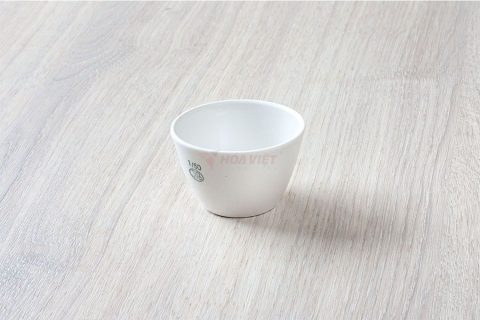 Crucibles
- Crucible tongs
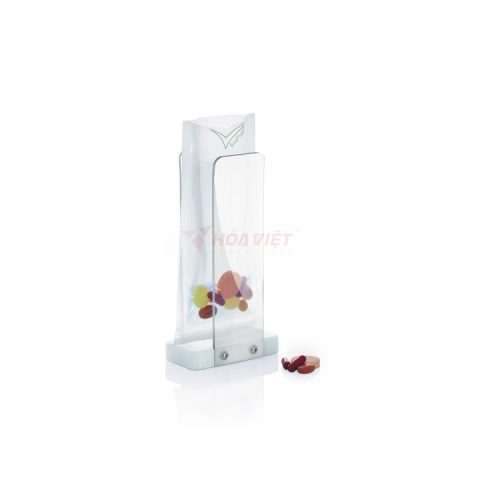 Blender bag openers
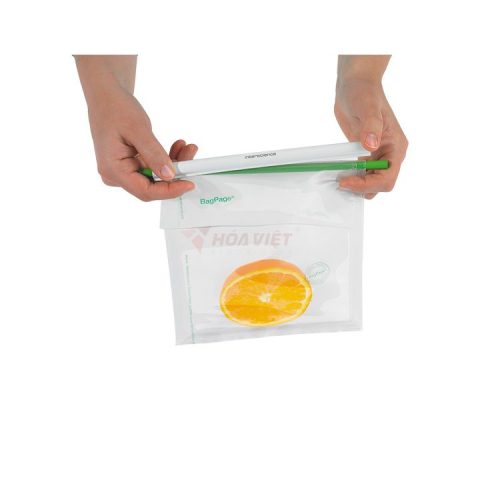 BagClip sealing clips
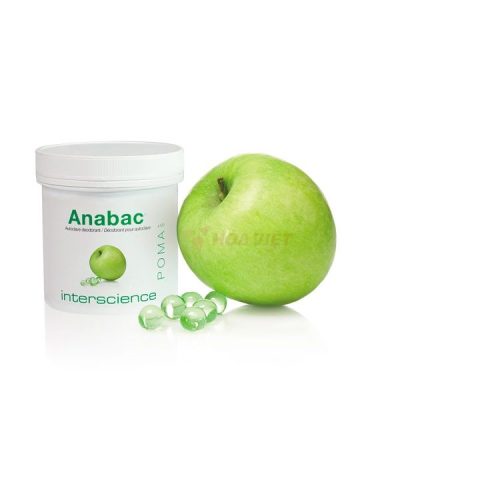 Autoclave deodorant capsules
 Magnetic stir bars
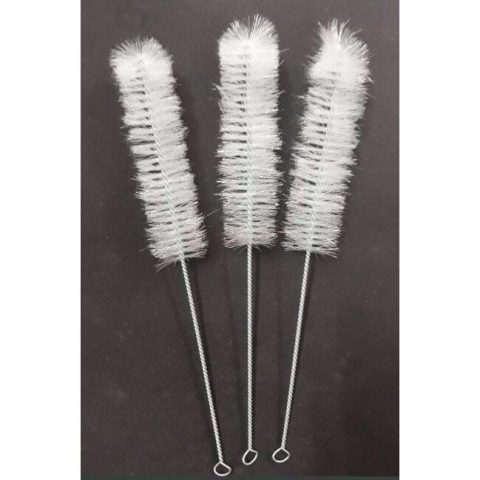 Test tube brushes
- Glass watch glasses
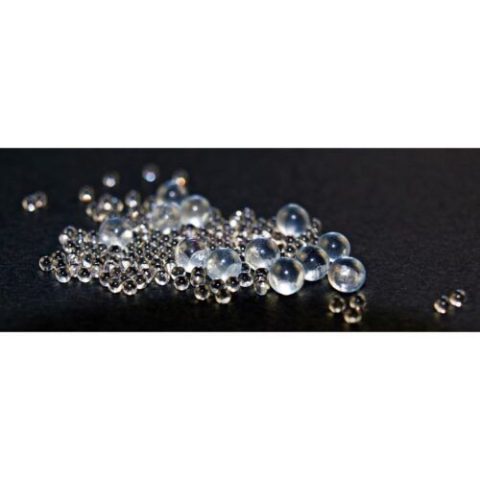 Glass beads
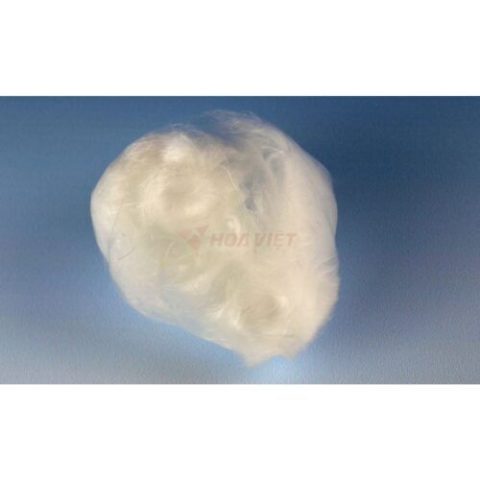 Glass wool
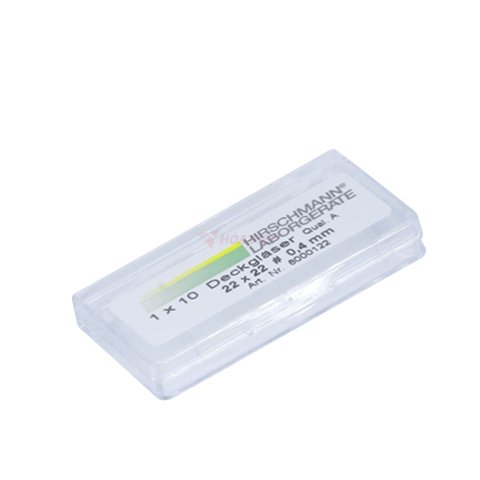 Glass slides
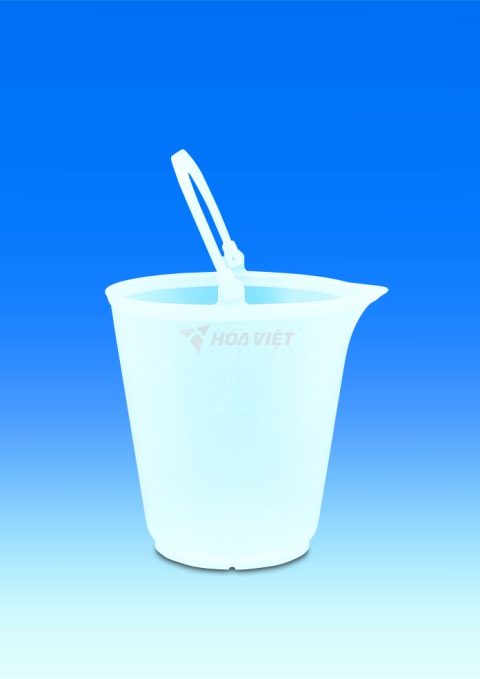 Plastic buckets
- Stainless steel bucket
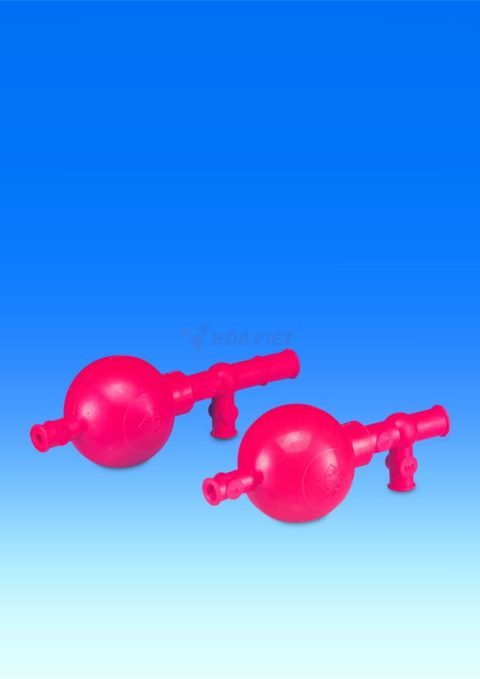 Rubber bulb
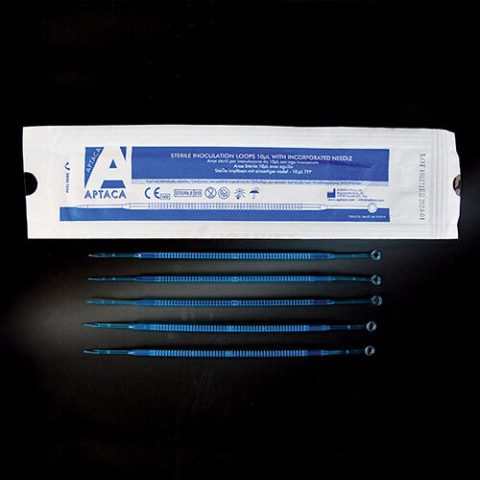 Inoculation loop
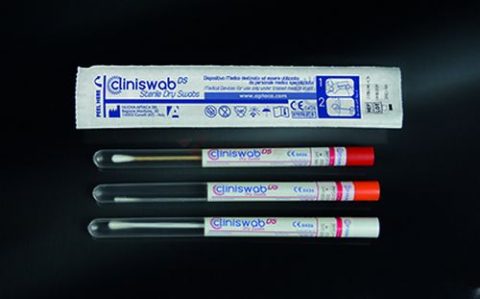 Sampling rod
 Plastic spoon
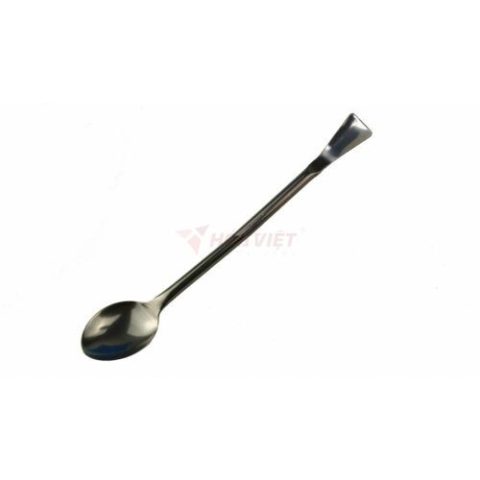 Stainless steel spoon
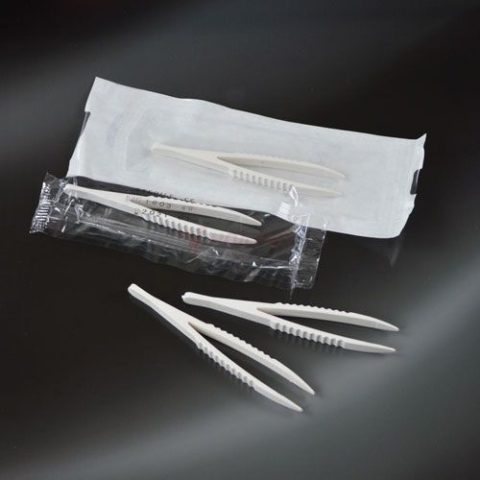 Plastic tweezers
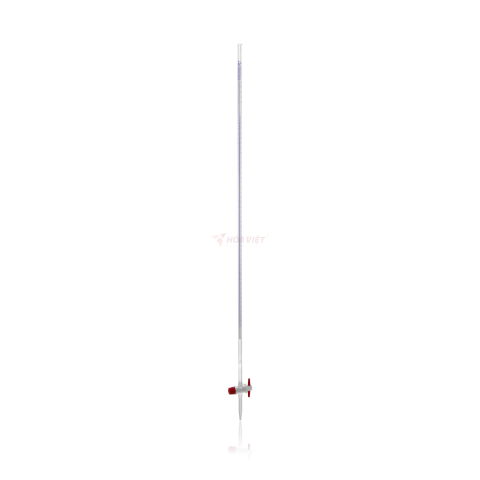 Glass burette
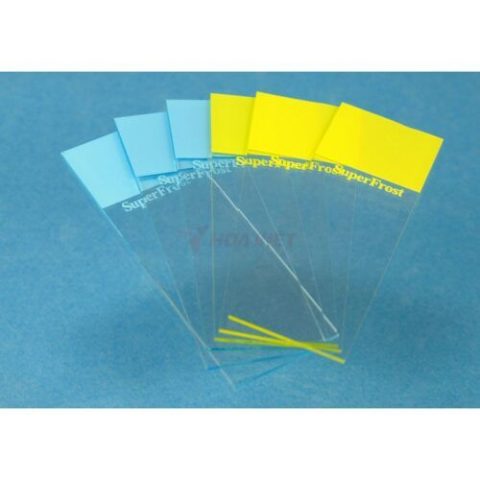 Glass slide
- Glass filter crucible
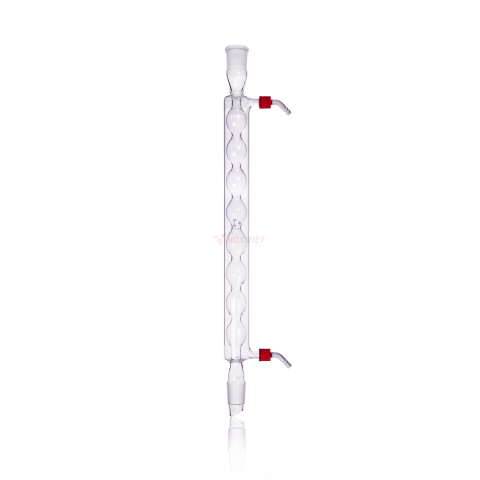
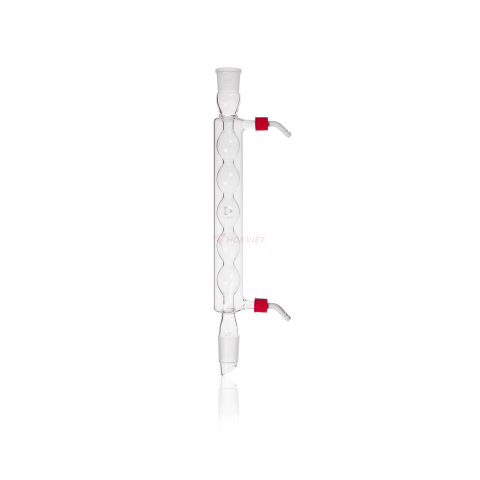
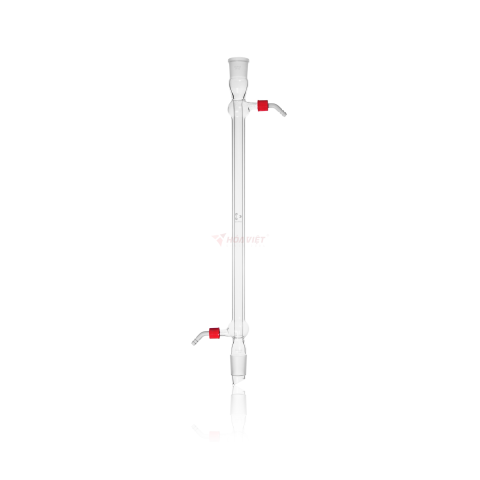
Introduction to Condensers
Condensers are laboratory glassware used to cool and condense vapors into liquids during distillation or reflux reactions. The device operates on the principle of heat exchange between the inner solvent vapor stream and a coolant flowing through the outer water jacket.
When choosing a condenser, users need to consider the tube design suitable for their specific application, such as Liebig (straight), Allihn (bulb), or coiled types to achieve optimal cooling contact area. Furthermore, selecting the correct standard ground joint sizes (such as 14/20, 14/23, NS 29/32), tube length (110 mm, 160 mm, or jacket lengths of 250 mm, 300 mm, 400 mm), and threaded hose connectors will ensure tight sealing and operational safety. Hoa Viet currently distributes glass condensers from brands including Duran, Assistent (Germany), and Kimble-DWK (USA).
How do Liebig, Allihn, and coiled condensers differ?
Liebig condensers feature a simple straight inner tube design, commonly used for standard distillation systems. Allihn condensers with bulb segments and coiled condensers provide an increased surface area for cooling, making them particularly suitable for solvent reflux processes.
How to select the correct joint size and condenser dimensions?
Buyers need to determine the joint size of the reaction flask or distillation head (such as 14/20, 14/23, NS 29/32) for a tight and secure fit. The jacket length (250 mm, 300 mm, 400 mm) is selected based on the solvent boiling point and the condensation vapor load.
Which brands of condensers does Hoa Viet provide?
Hoa Viet currently supplies glass condensers from Duran (Germany), Assistent (Germany), and Kimble-DWK (USA). Customers can Request a quote or Contact us for advice on the right model.
In which direction should the cooling water be connected to a condenser?
The cooling water stream must enter through the lower connection and exit through the upper connection. This flow direction ensures that the water completely fills the cooling jacket cavity, prevents air pocket formation, and optimizes heat exchange efficiency.
