


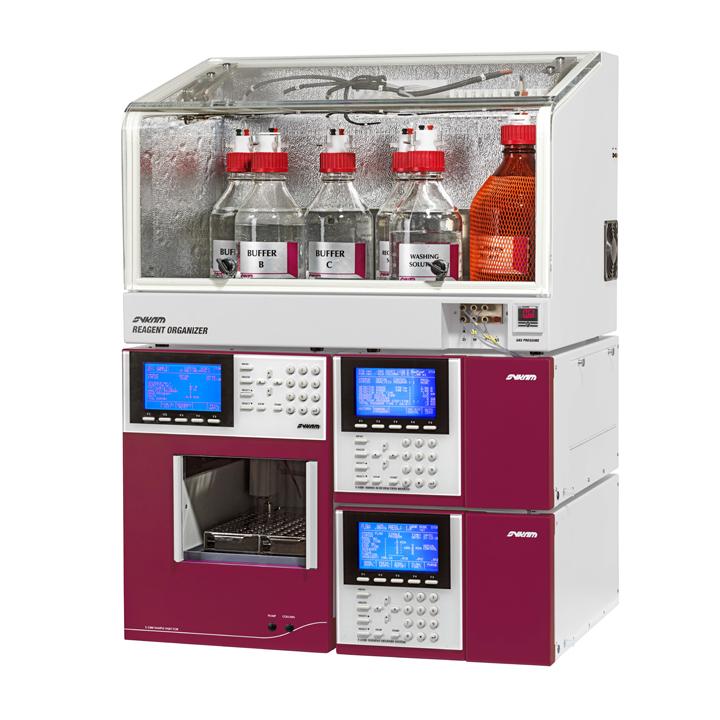
 Analytical Equipment
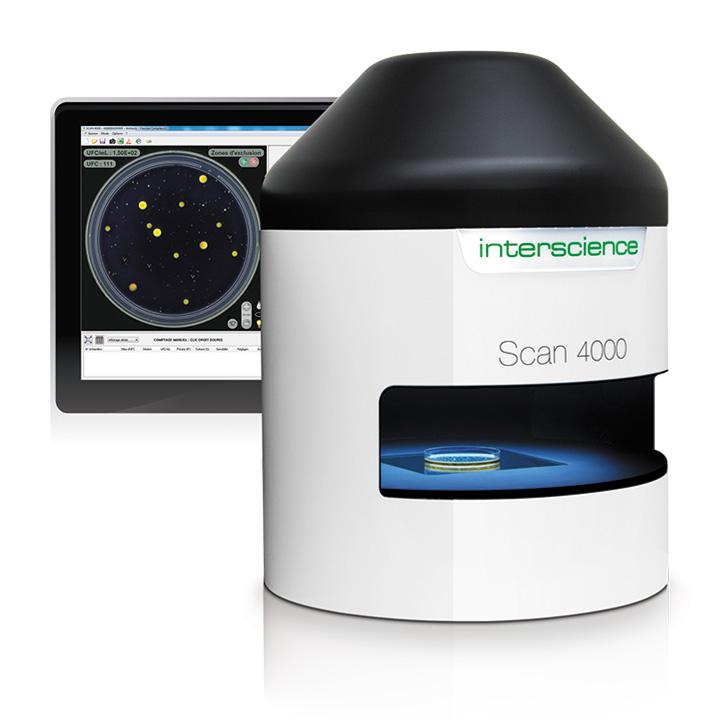 Microbiology Equipment
- Gravimetric Diluters and Sample Weighing Systems
- Mediaprep Automated Media Preparators
- Mediafill Automated Media Distributors
- Manual Media Dispensers
- Lab Blenders / Homogenizers
- Automated Spiral Platers
- Manual Colony Counters
- Automated Colony Counters
- Inhibition Zone Readers
- Automated Incubators and Colony Counters
- Biosafety Cabinets
- Laminar Flow Hoods
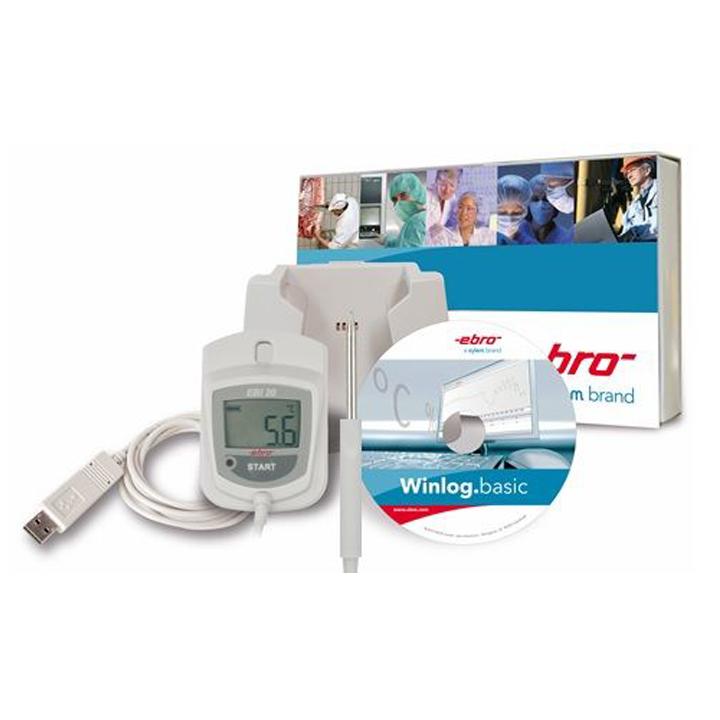 Temperature, Humidity, and Pressure Measuring Instruments
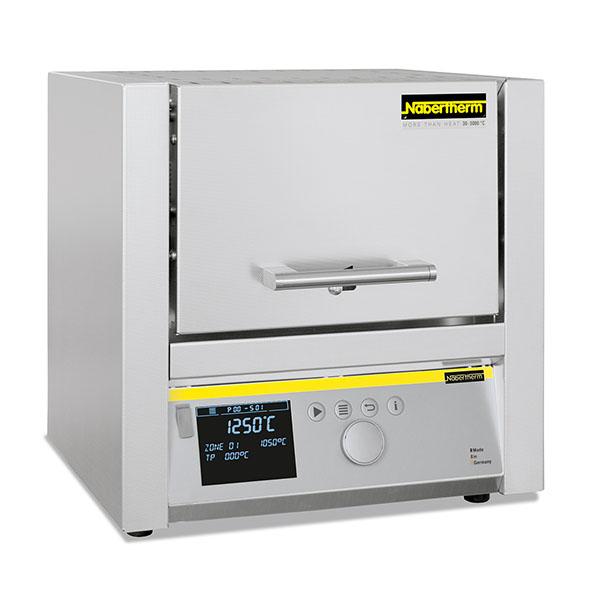 Other Basic Equipment
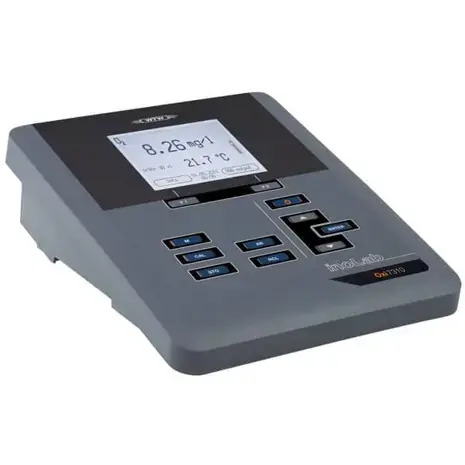 Multiparameter Water Quality Meters
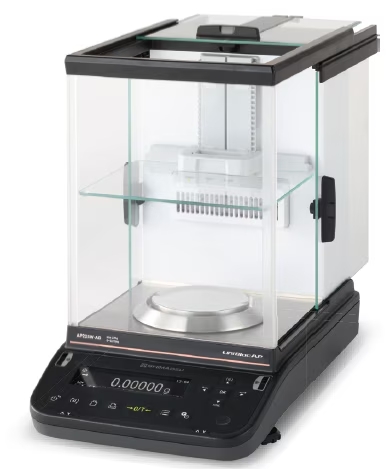 Balances
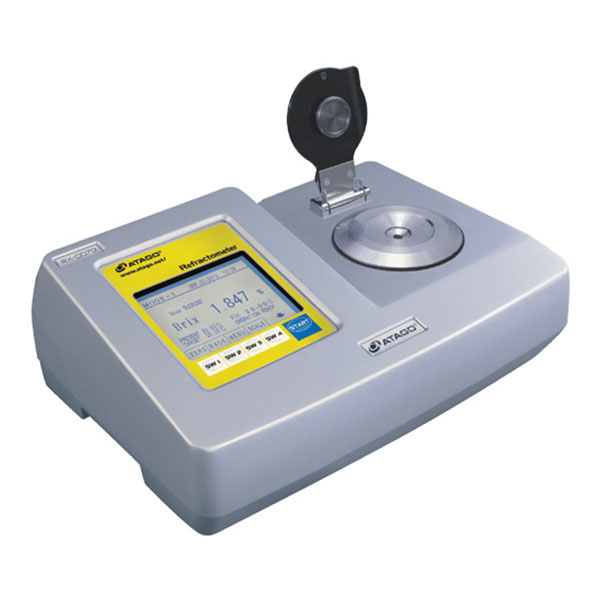 Polarimeters, Refractometers
 Autoclaves
 Biotechnology Equipment and Solutions
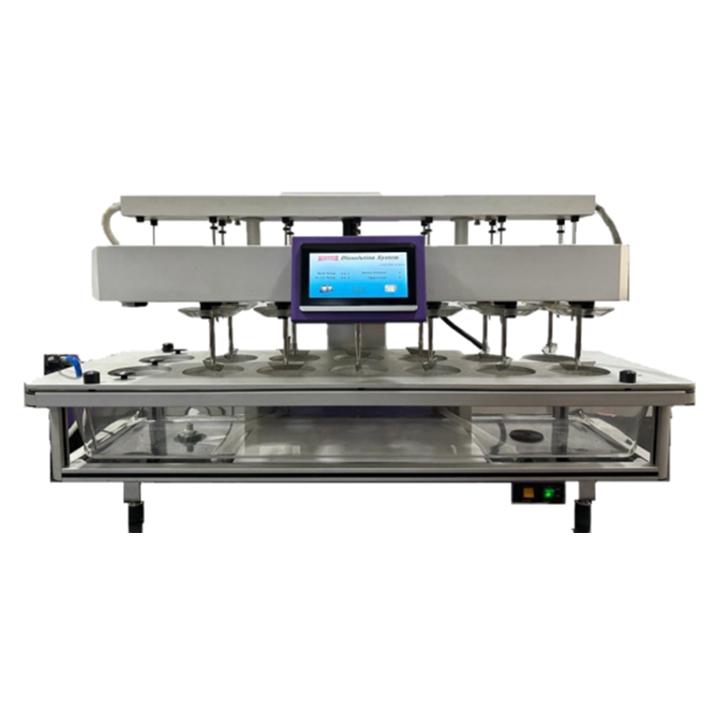 Pharmaceutical Equipment
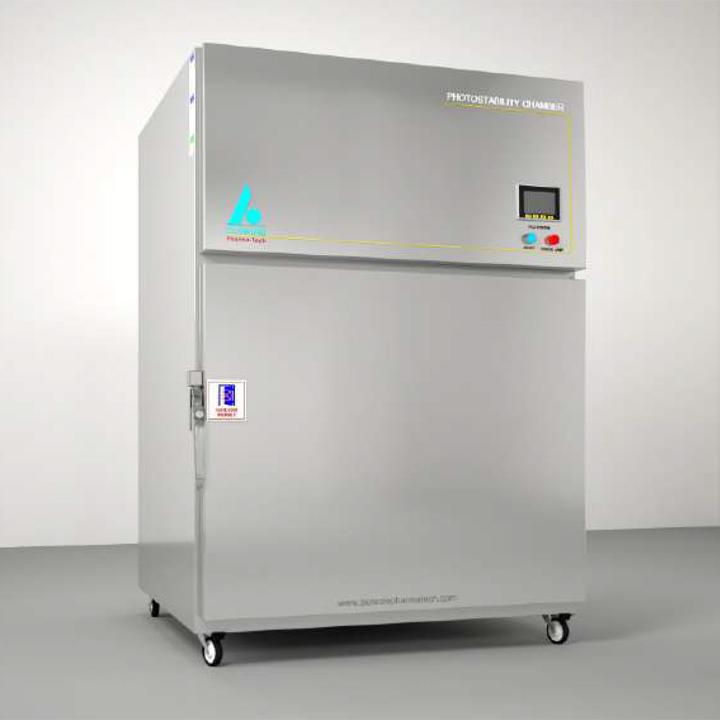 Shelf-life Testing Equipment
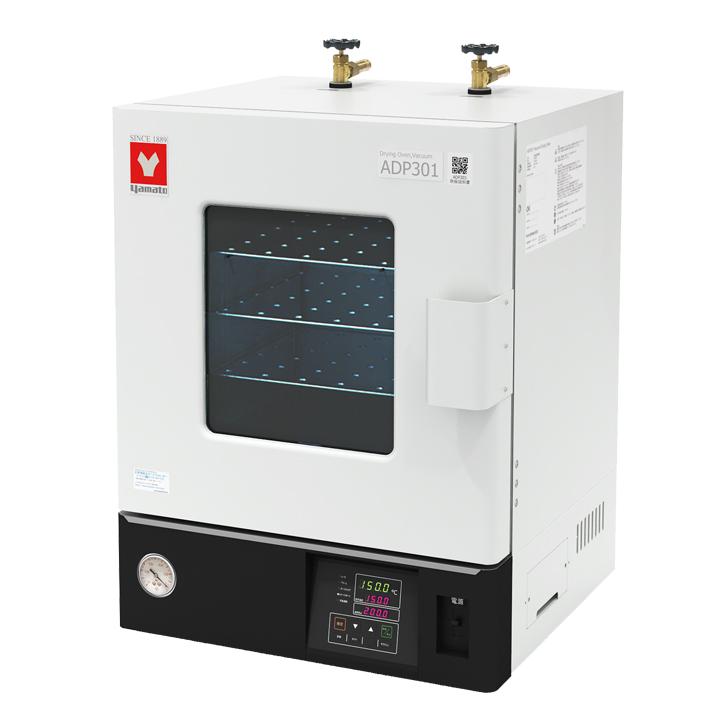 Drying Ovens
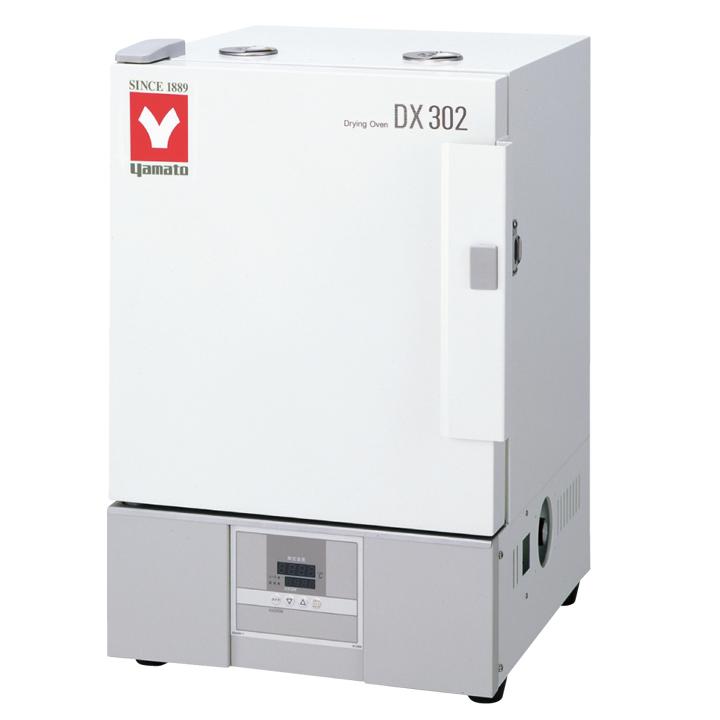 Incubators
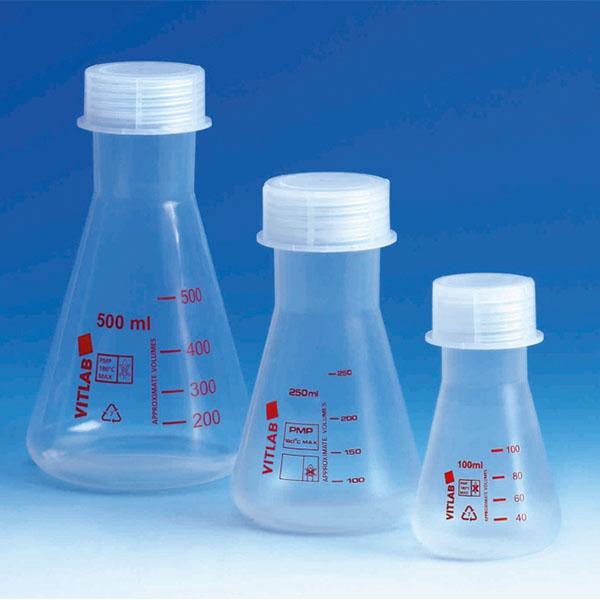 Laboratory Flasks
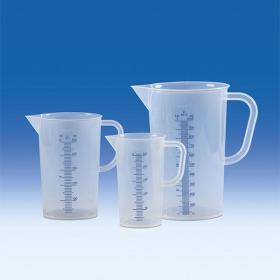 Beakers, Measuring Jugs
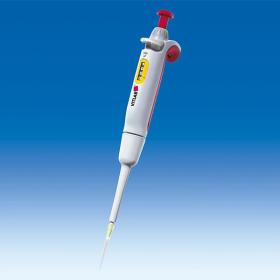 Liquid Handling Tools
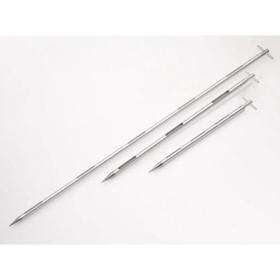 Sampling Tools
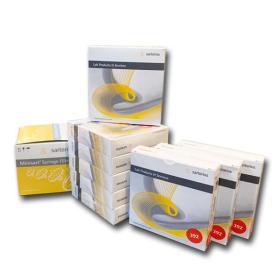 Filtration Tools and Consumables
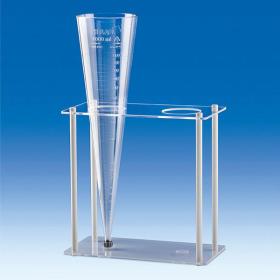 Racks and Stands
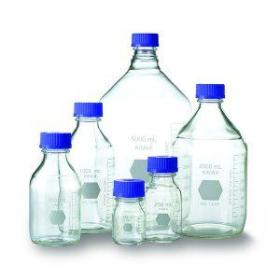 Laboratory Bottles and Vials
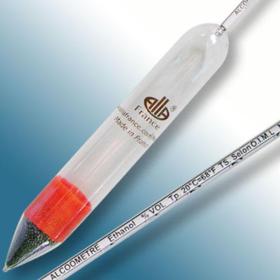 Thermometers, Hydrometers, Baumé Hydrometers, Alcoholmeters
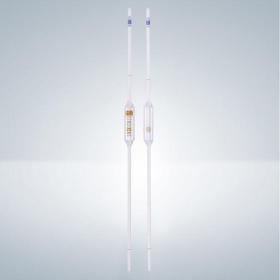 Pipettes
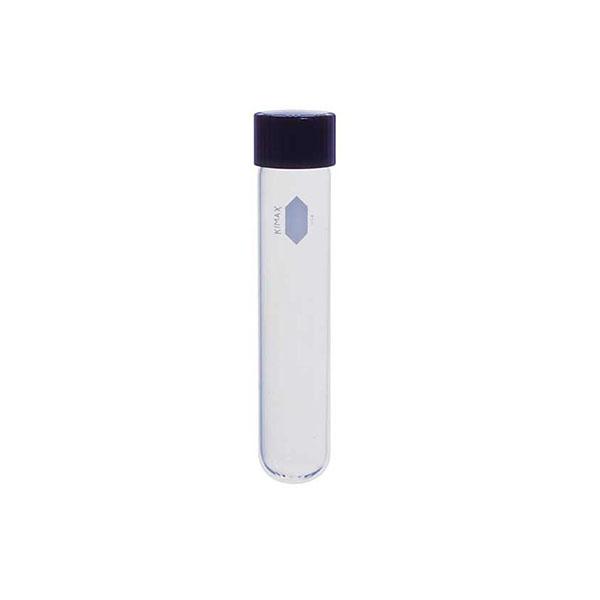 Test tubes
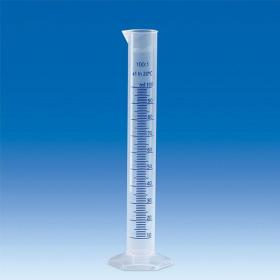 Graduated cylinders
 Funnels
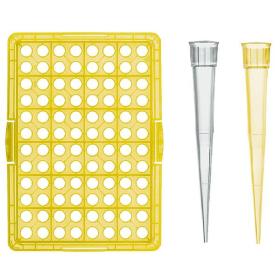 Tips & tip boxes
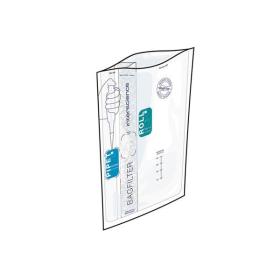 Homogenizer bags
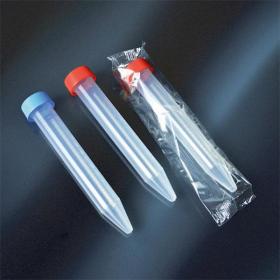 Centrifuge tubes
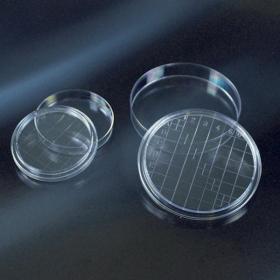 Petri dishes
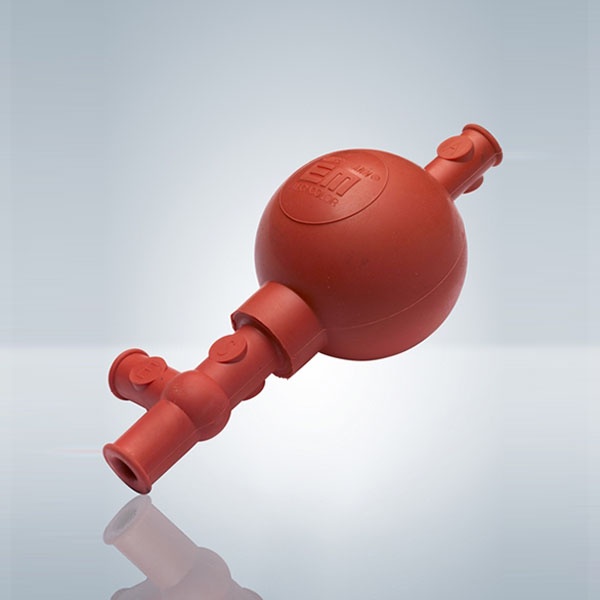 Others
- Glass capillary tubes
- Glass melting point tubes
- Condensers
- Plastic weighing boats
- Glass stirring rods
- Filtration and separation equipment
- Alcohol burners
- Glass weighing bottles
- Crucibles
- Crucible tongs
- Blender bag openers
- BagClip sealing clips
- Autoclave deodorant capsules
- Magnetic stir bars
- Test tube brushes
- Glass watch glasses
- Glass beads
- Glass wool
- Glass slides
- Plastic buckets
- Stainless steel bucket
- Rubber bulb
- Inoculation loop
- Sampling rod
- Plastic spoon
- Stainless steel spoon
- Plastic tweezers
- Glass burette
- Glass slide
- Glass filter crucible

Labware washers
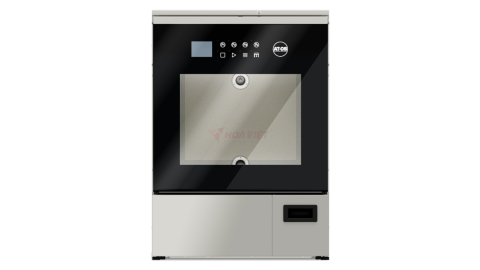
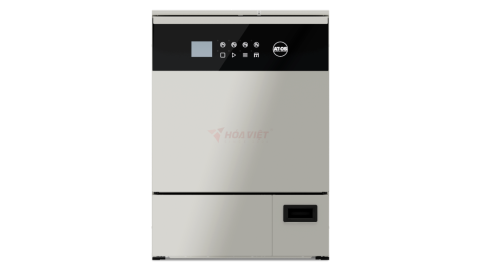
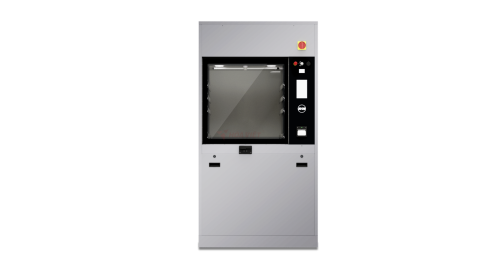
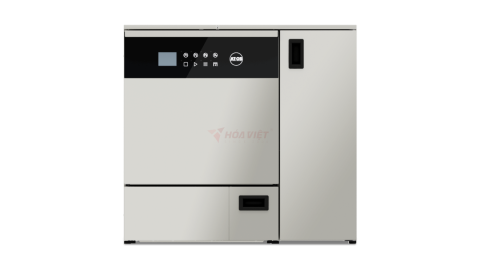
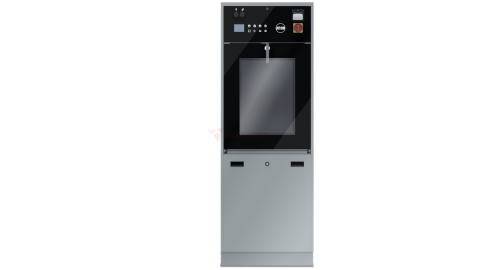
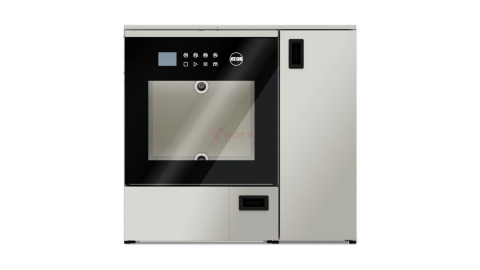
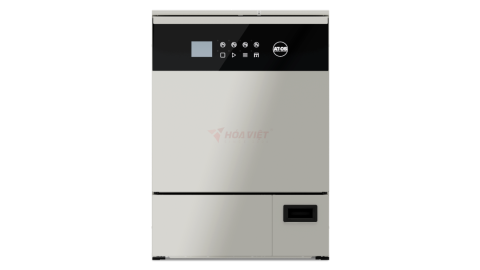
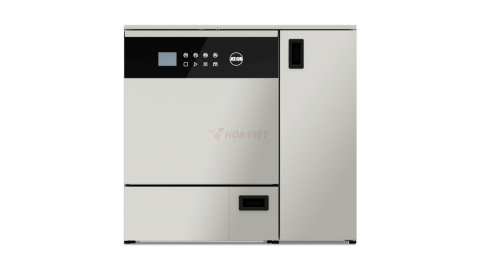
Introduction to Labware Washers
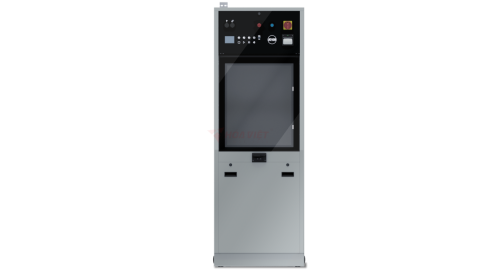
Glassware washers are specialized cleaning equipment designed to automatically wash, decontaminate, and dry laboratory glassware and consumables. This equipment helps standardize glassware processing protocols, remove chemical residues, and minimize the risk of exposure to solvents or hazardous agents for analysts compared to manual cleaning methods.
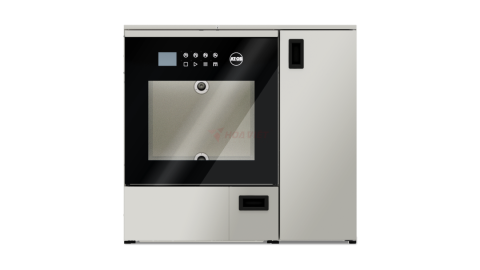
When selecting a glassware washer, users should consider the chemical resistance of construction materials, the viewing chamber door design, and the presence of a forced-air drying system to ensure dry glassware after the cycle. Currently, Hoa Viet supplies laboratory glassware washers from AT-OS (Italy), notably the AWD655-15A-LAB model equipped with an automatic double-layer chemical-resistant tempered glass sliding door, helping control cross-contamination and improve operational efficiency.
How do laboratory glassware washers differ from conventional washers?
Laboratory glassware washers are constructed from high chemical-resistant materials and utilize optimal spray pressure to thoroughly clean organic and inorganic residues. In addition, the equipment supports purified water rinse cycles and forced-air drying to ensure labware is free of residue and cross-contamination.
Which brand of glassware washers does Hoa Viet currently supply?
Hoa Viet currently distributes laboratory glassware washers from AT-OS (Italy), featuring model AWD655-15A-LAB. Customers can contact Hoa Viet directly for detailed technical advice and to request a quote.
What is the function of the forced-air drying system in a labware washer?
The forced-air drying system circulates a uniform hot air stream inside the wash chamber and deep into narrow glassware cavities. This mechanism ensures complete drying of glassware, prevents water condensation, and prepares it for subsequent test procedures.
What should be noted when loading labware into the wash chamber?
Glassware should be loaded inverted (facing down) and securely positioned on suitable wash racks to ensure uniform solution contact and natural drainage. Avoid stacking items on top of each other to minimize the risk of collisions and breakage during the washing cycle.
