





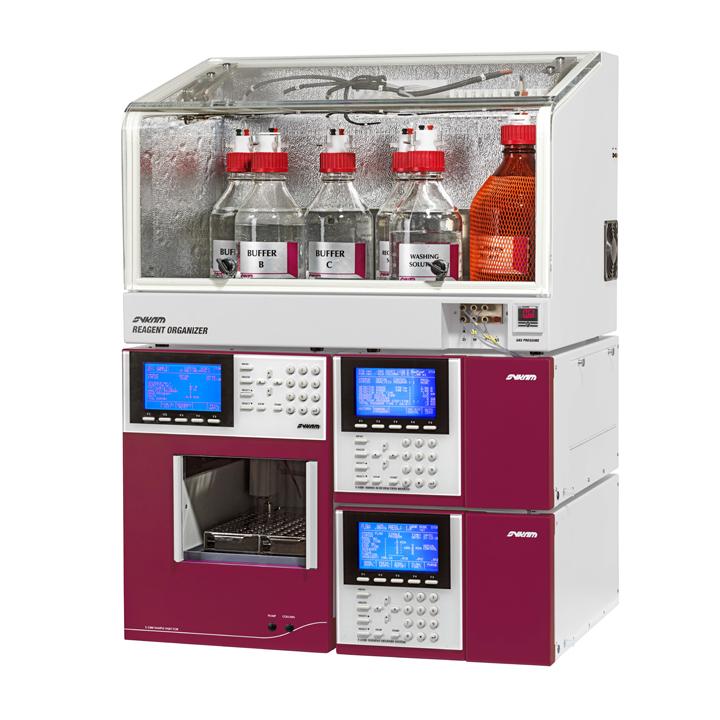
 Analytical Equipment
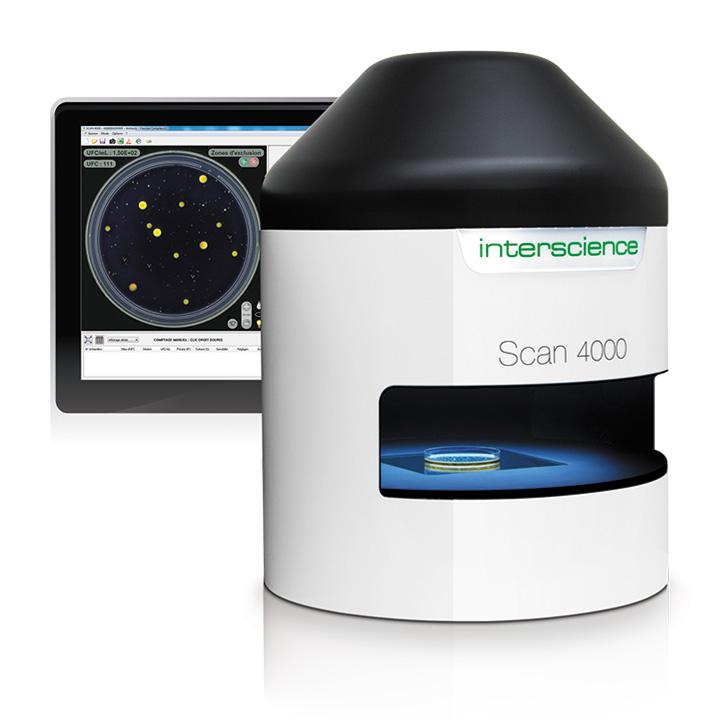 Microbiology Equipment
- Gravimetric Diluters and Sample Weighing Systems
- Mediaprep Automated Media Preparators
- Mediafill Automated Media Distributors
- Manual Media Dispensers
- Lab Blenders / Homogenizers
- Automated Spiral Platers
- Manual Colony Counters
- Automated Colony Counters
- Inhibition Zone Readers
- Automated Incubators and Colony Counters
- Biosafety Cabinets
- Laminar Flow Hoods
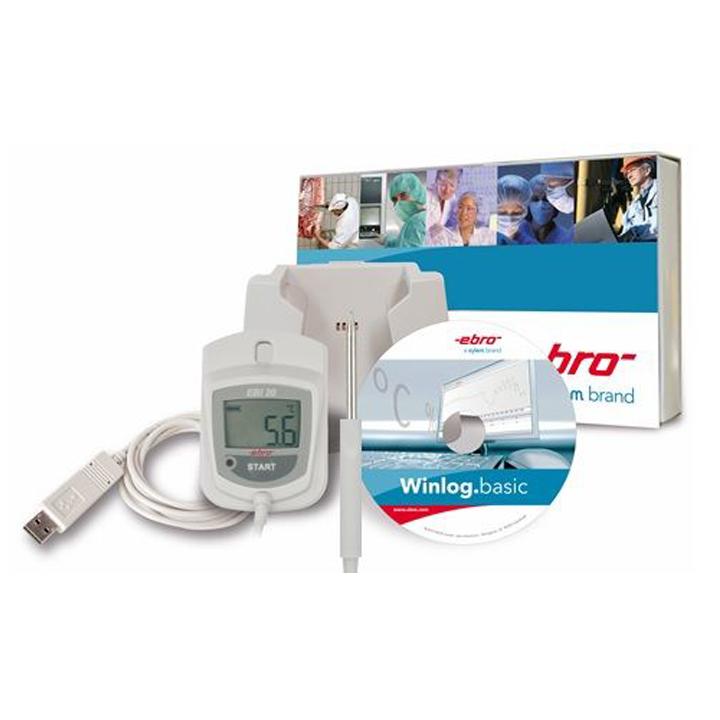 Temperature, Humidity, and Pressure Measuring Instruments
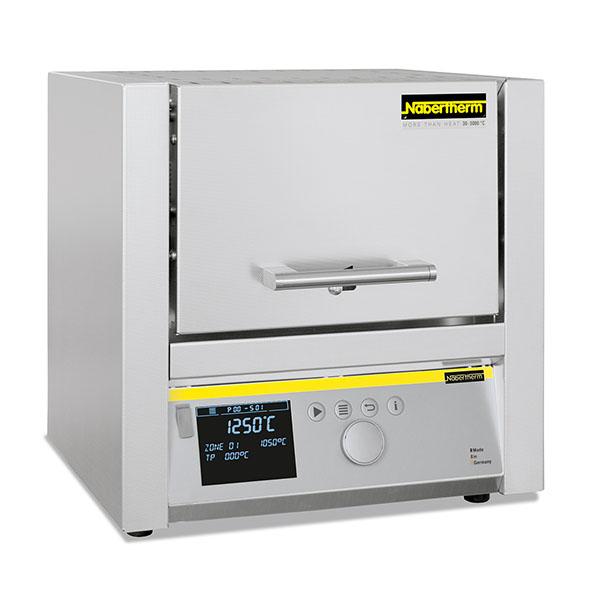 Other Basic Equipment
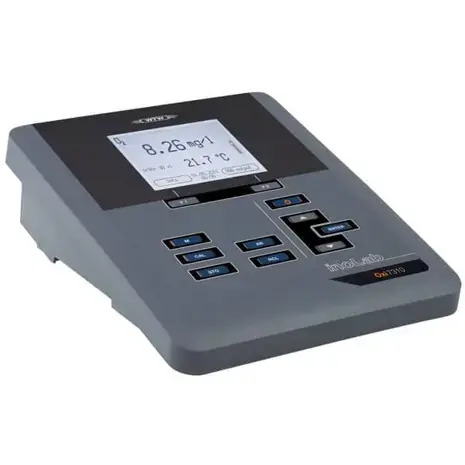 Multiparameter Water Quality Meters
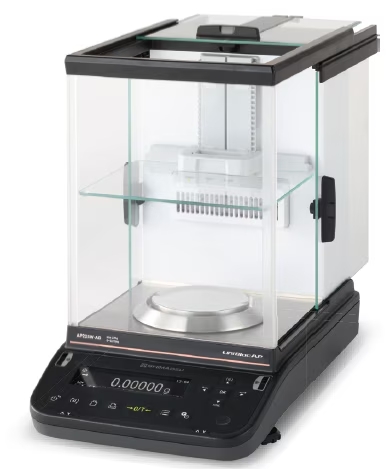 Balances
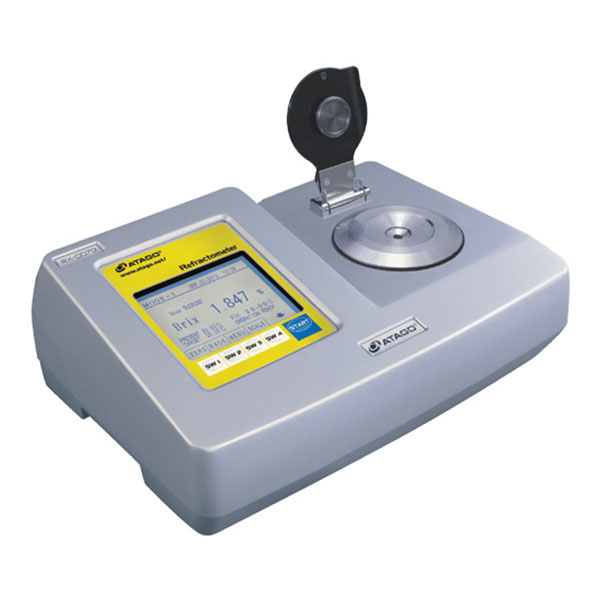 Polarimeters, Refractometers
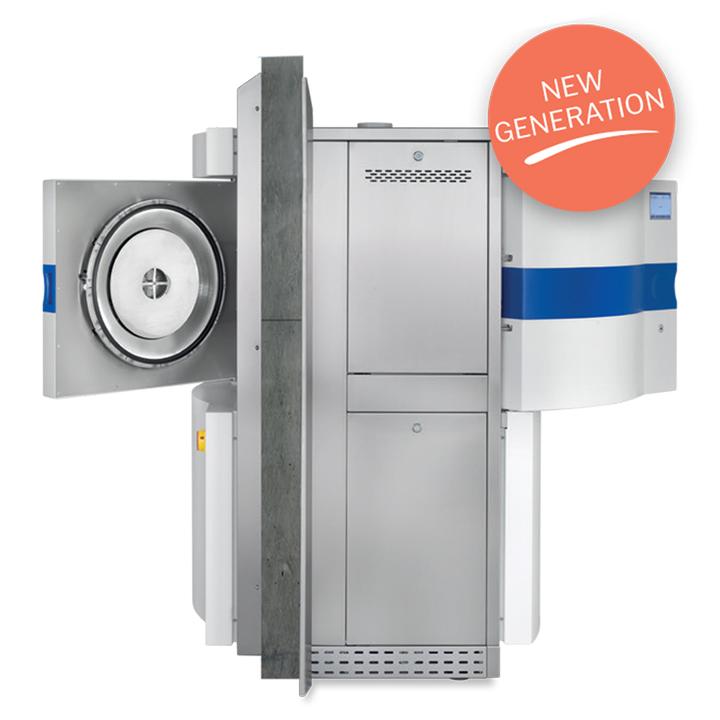 Autoclaves
 Biotechnology Equipment and Solutions
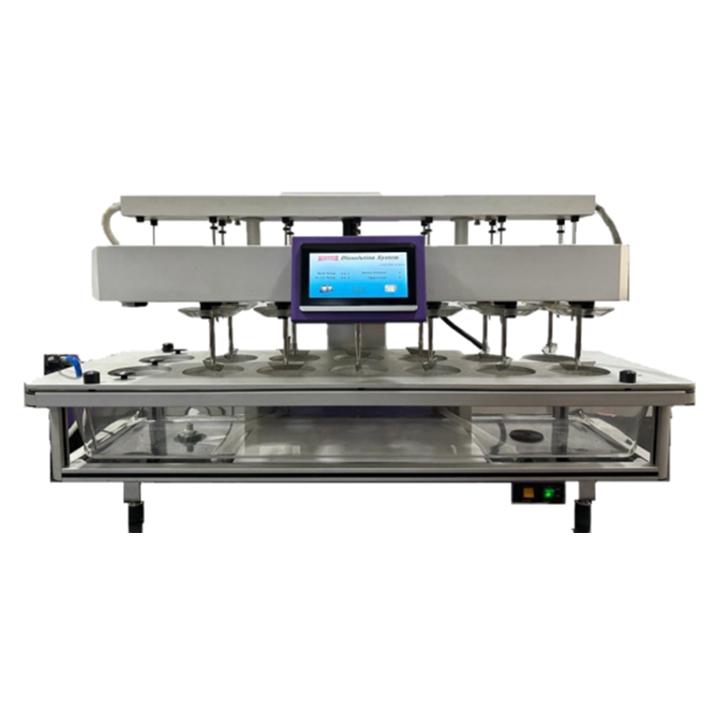 Pharmaceutical Equipment
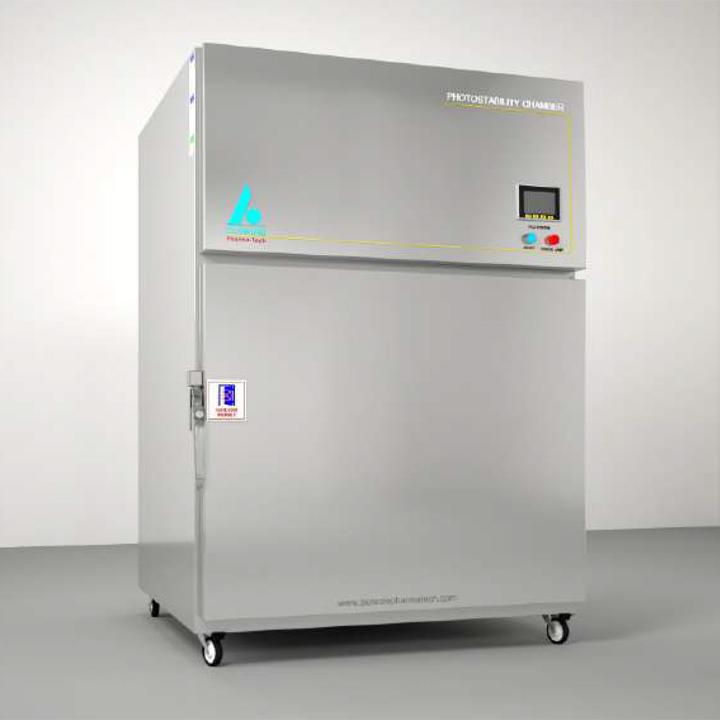 Shelf-life Testing Equipment
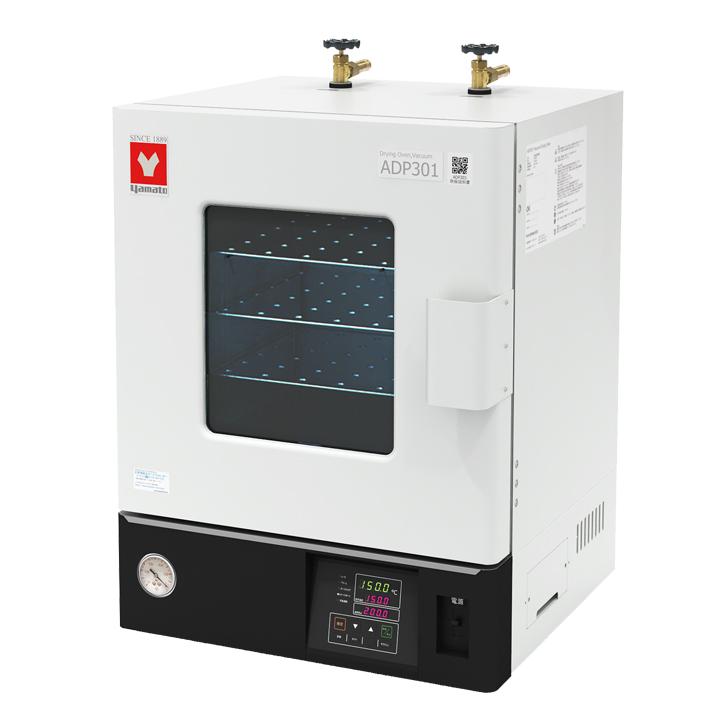 Drying Ovens
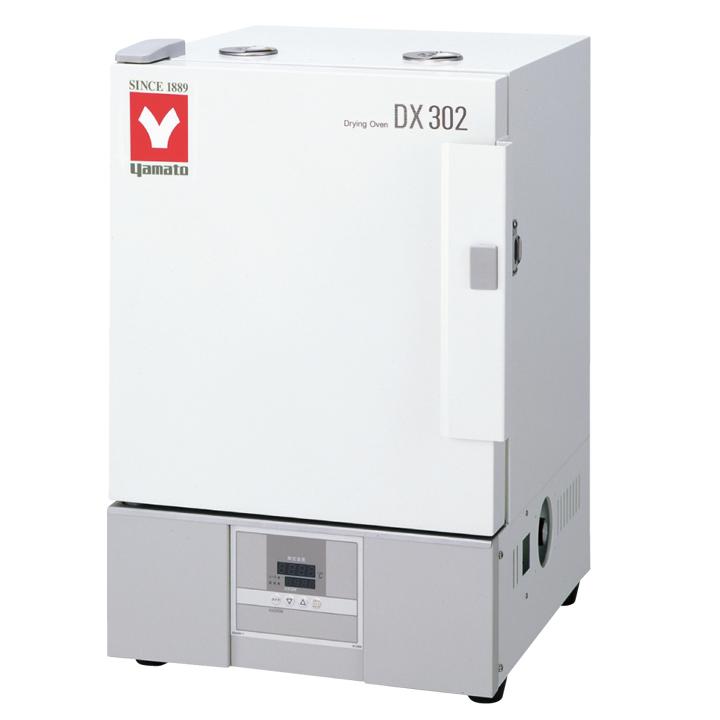 Incubators
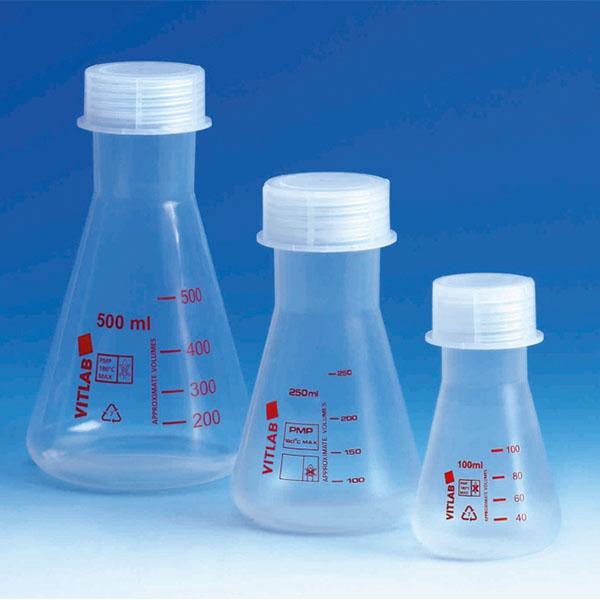 Laboratory Flasks
 Beakers, Measuring Jugs
 Liquid Handling Tools
 Sampling Tools
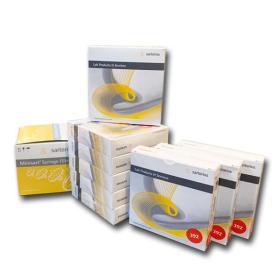 Filtration Tools and Consumables
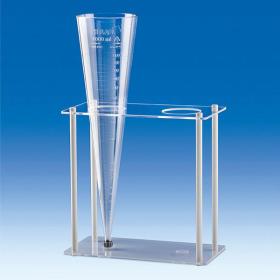 Racks and Stands
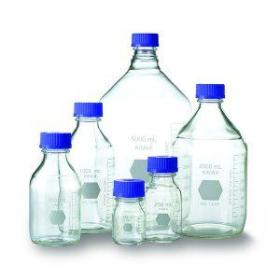 Laboratory Bottles and Vials
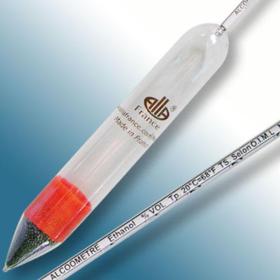 Thermometers, Hydrometers, Baumé Hydrometers, Alcoholmeters
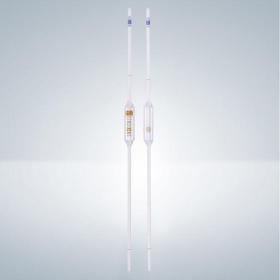 Pipettes
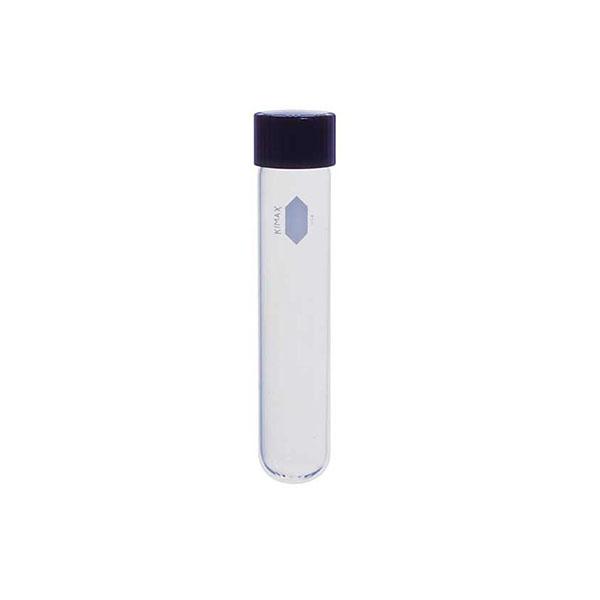 Test tubes
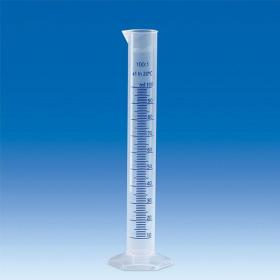 Graduated cylinders
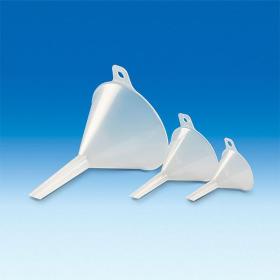 Funnels
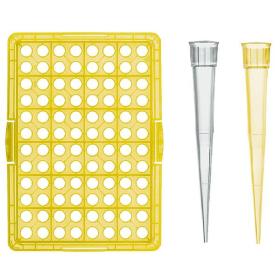 Tips & tip boxes
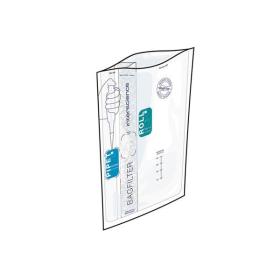 Homogenizer bags
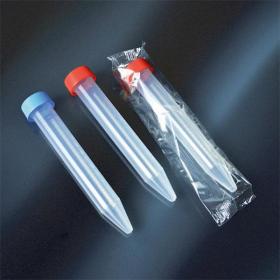 Centrifuge tubes
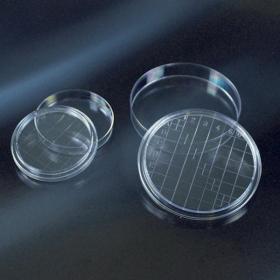 Petri dishes
 Others
- Glass capillary tubes
- Glass melting point tubes
- Condensers
- Plastic weighing boats
- Glass stirring rods
- Filtration and separation equipment
- Alcohol burners
- Glass weighing bottles
- Crucibles
- Crucible tongs
- Blender bag openers
- BagClip sealing clips
- Autoclave deodorant capsules
- Magnetic stir bars
- Test tube brushes
- Glass watch glasses
- Glass beads
- Glass wool
- Glass slides
- Plastic buckets
- Stainless steel bucket
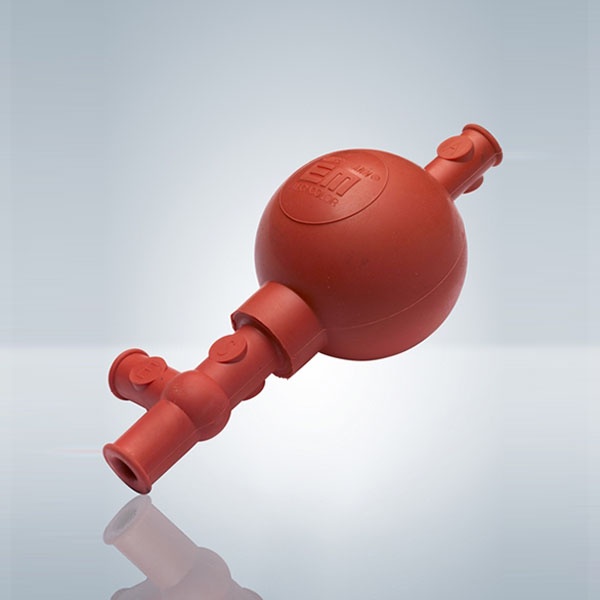
- Rubber bulb
- Inoculation loop
- Sampling rod
- Plastic spoon
- Stainless steel spoon
- Plastic tweezers
- Glass burette
- Glass slide
- Glass filter crucible
Desiccator

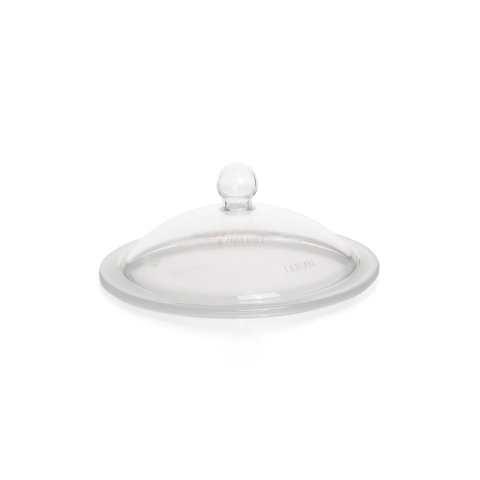
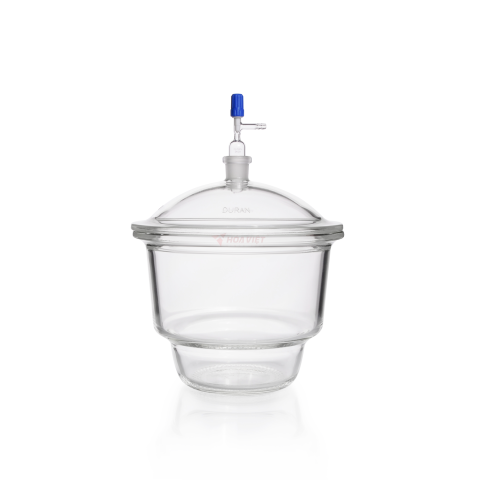
About Desiccators
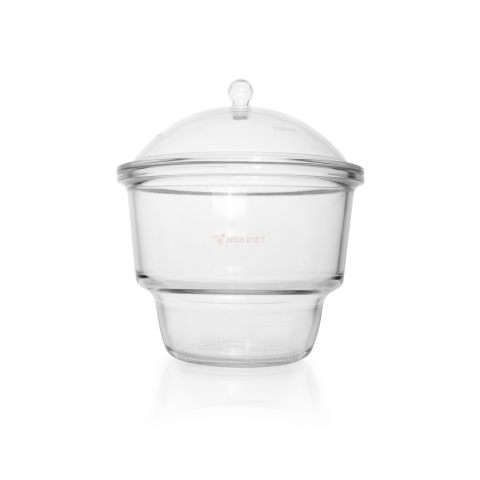
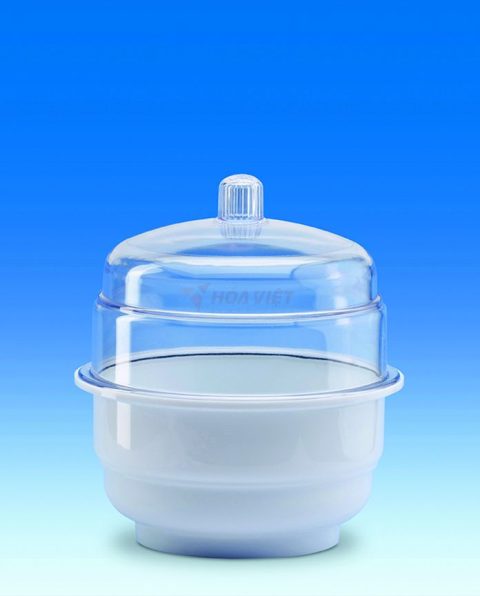
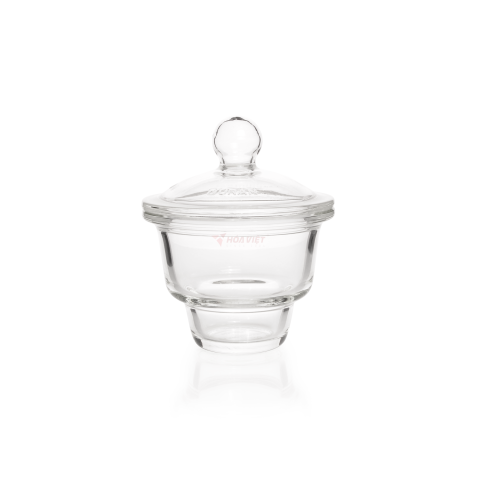
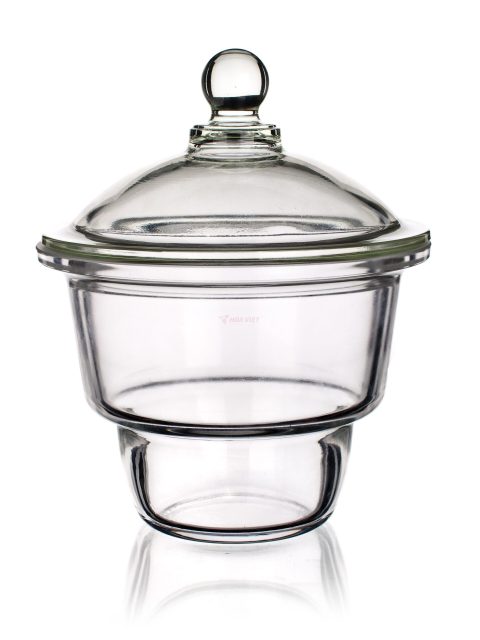
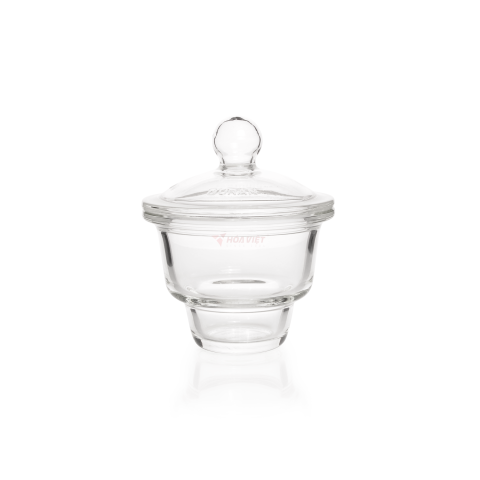
A desiccator is a laboratory apparatus used for drying samples, preserving moisture-sensitive substances, or cooling test samples in a dry environment. The unit operates by containing a desiccant in the bottom compartment and placing the sample to be stored on an internal perforated plate.
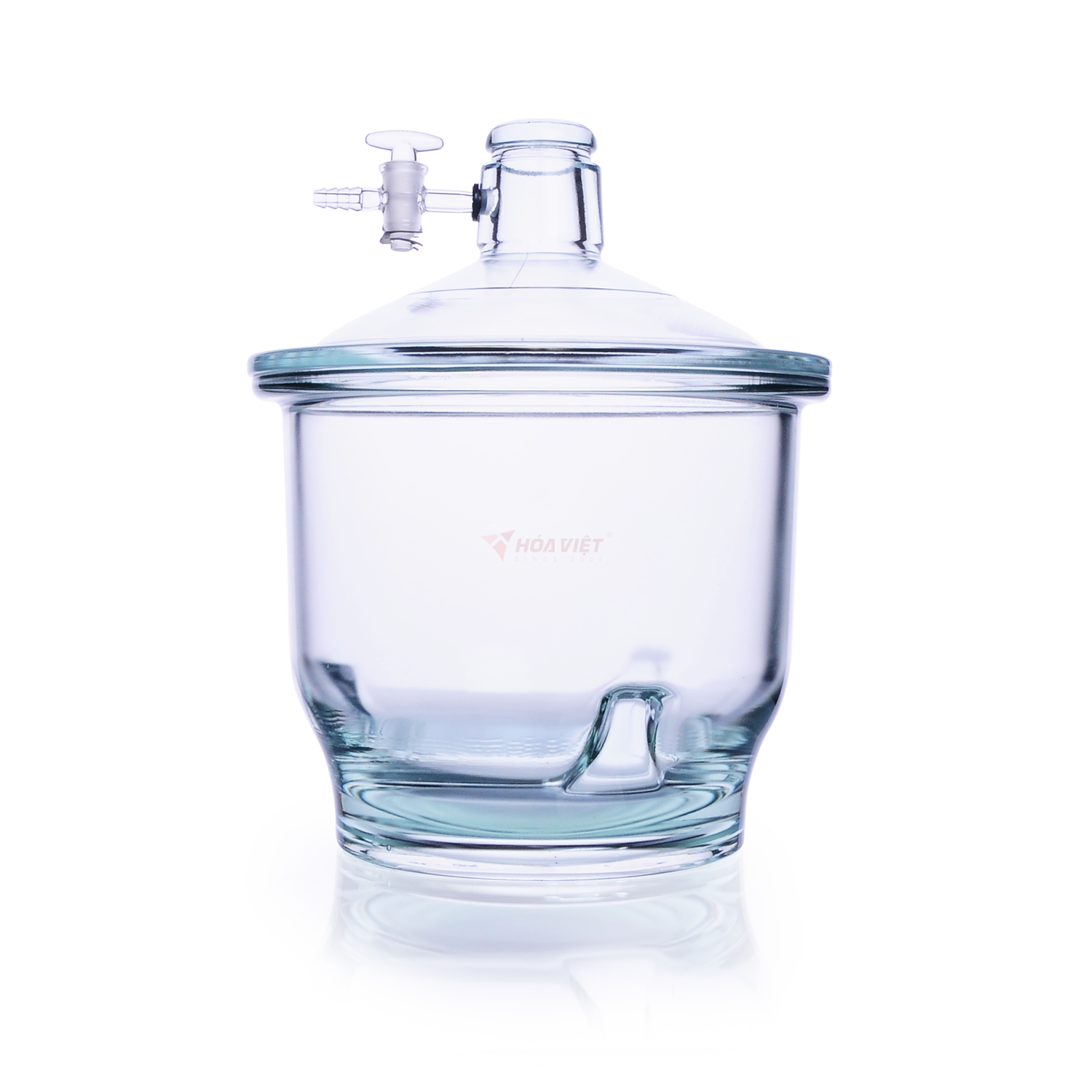
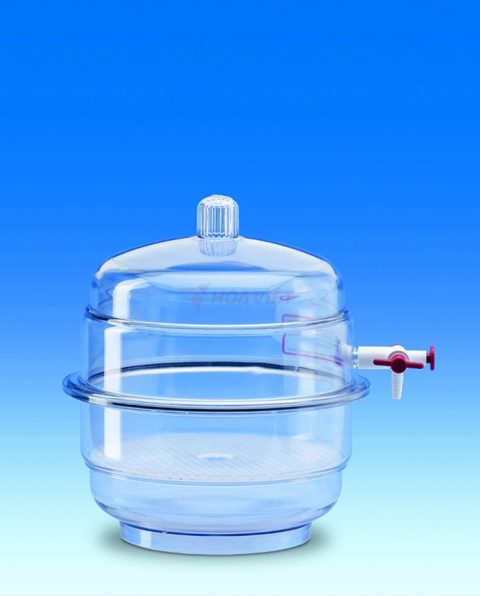
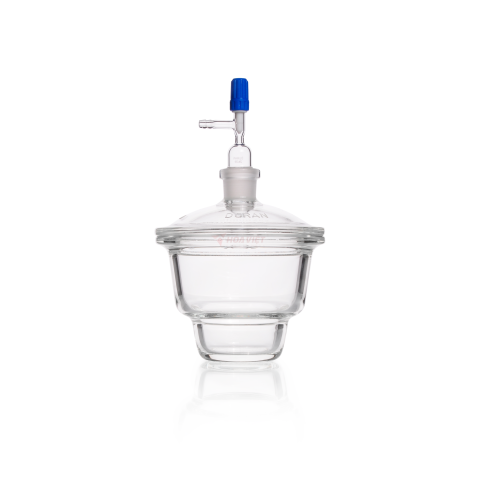
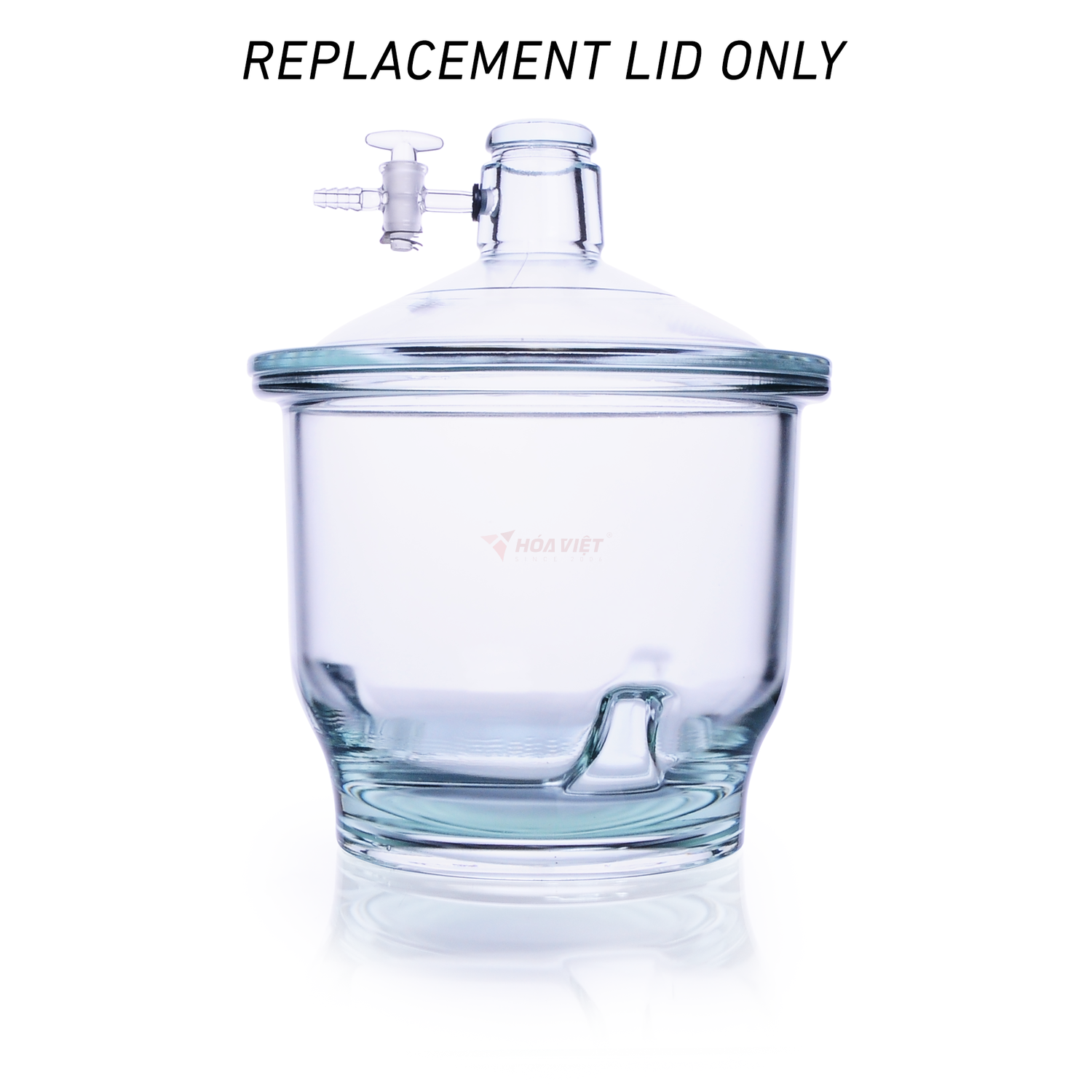
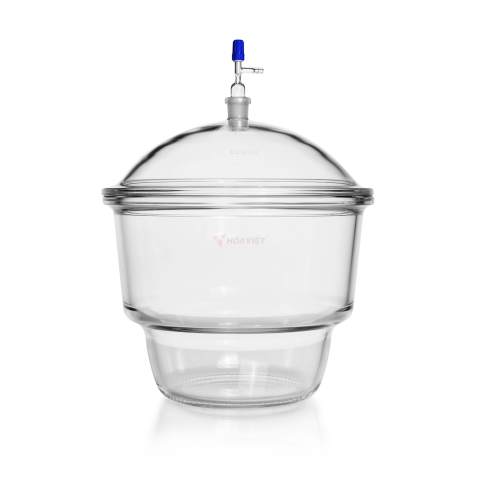
When selecting desiccators, users must consider construction materials such as heat-resistant, chemically inert borosilicate glass or shatterproof, transparent PP/PC plastic. Depending on procedural requirements, you can choose non-vacuum types with knobbed lids or vacuum types with stopcocks and NS ground joints for vacuum application to accelerate sample drying. Common diameters include 100mm, 140mm, 171mm, DN 200, and DN 300. Hoa Viet currently supplies desiccators and replacement lid accessories from brands including Assistent (Germany), Duran (Germany), Vitlab (Germany), and Kimble-DWK (USA).
What is the difference between stopcock and non-stopcock desiccators?
Non-stopcock desiccators use a tight lid with a knob, suitable for storing or drying static samples at atmospheric pressure. Desiccators with a stopcock or NS vacuum connection port allow connection to a vacuum pump to evacuate air, accelerating the desiccation and sample drying process.
Should I choose a glass or PP/PC plastic desiccator?
Borosilicate glass desiccators provide good thermal and chemical resistance, ideal when placing heated samples or using corrosive chemicals. PP/PC plastic desiccators offer the advantages of being durable, shatterproof, lightweight, and equipped with a neoprene seal for the lid.
Which desiccator brands does Hoa Viet currently supply?
Hoa Viet distributes genuine desiccators and accessories from Assistent (Germany), Duran (Germany), Vitlab (Germany), and Kimble-DWK (USA). Customers can contact us to receive detailed information and request a quote.
Can replacement lids for desiccators be purchased separately?
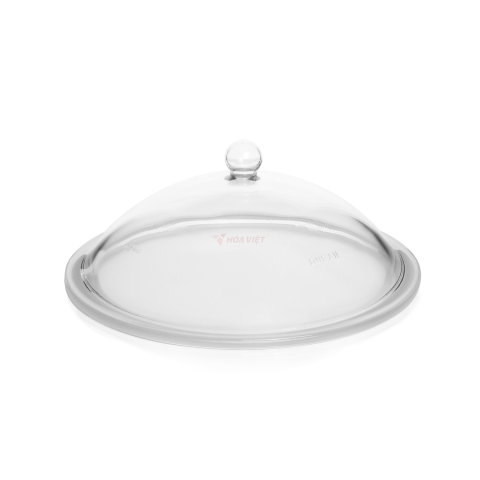
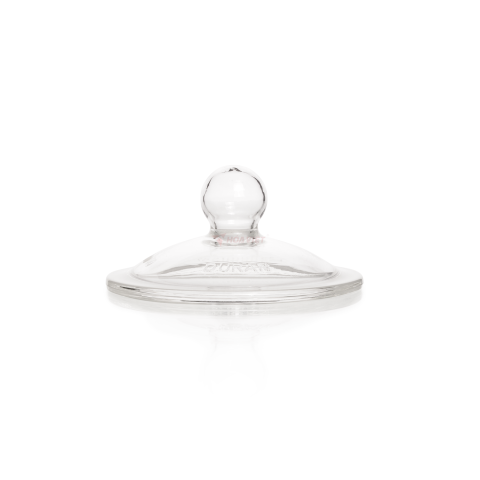
Yes, manufacturers provide separate lids matched to standard flange diameters, such as knobbed lids or lids with vacuum stopcocks. Customers simply need to determine the dimensions or the part number of their current desiccator to contact us for advice on a suitable replacement lid.
