



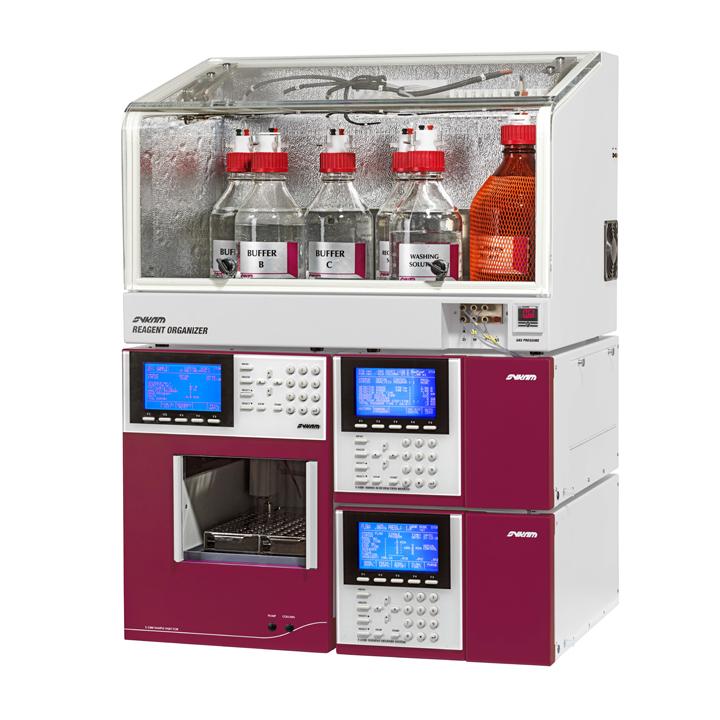
 Analytical Equipment
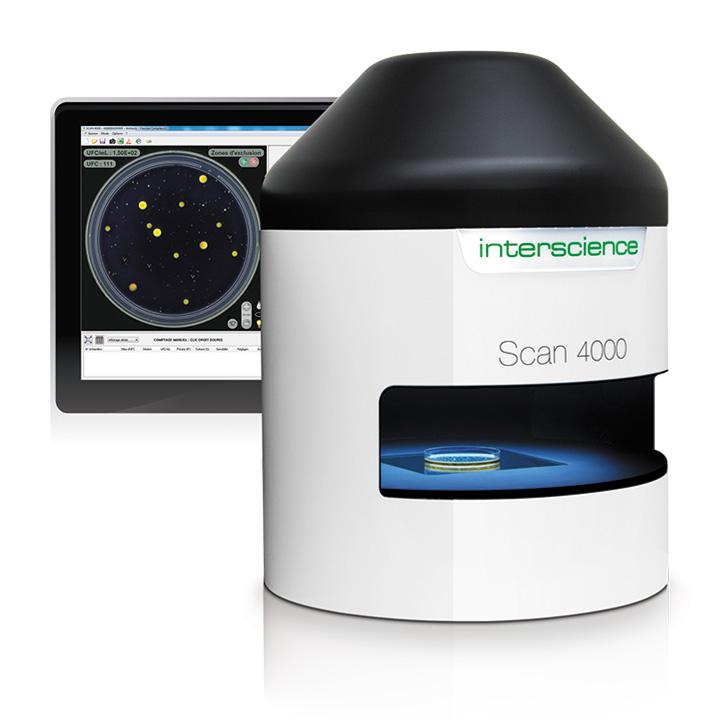 Microbiology Equipment
- Gravimetric Diluters and Sample Weighing Systems
- Mediaprep Automated Media Preparators
- Mediafill Automated Media Distributors
- Manual Media Dispensers
- Lab Blenders / Homogenizers
- Automated Spiral Platers
- Manual Colony Counters
- Automated Colony Counters
- Inhibition Zone Readers
- Automated Incubators and Colony Counters
- Biosafety Cabinets
- Laminar Flow Hoods
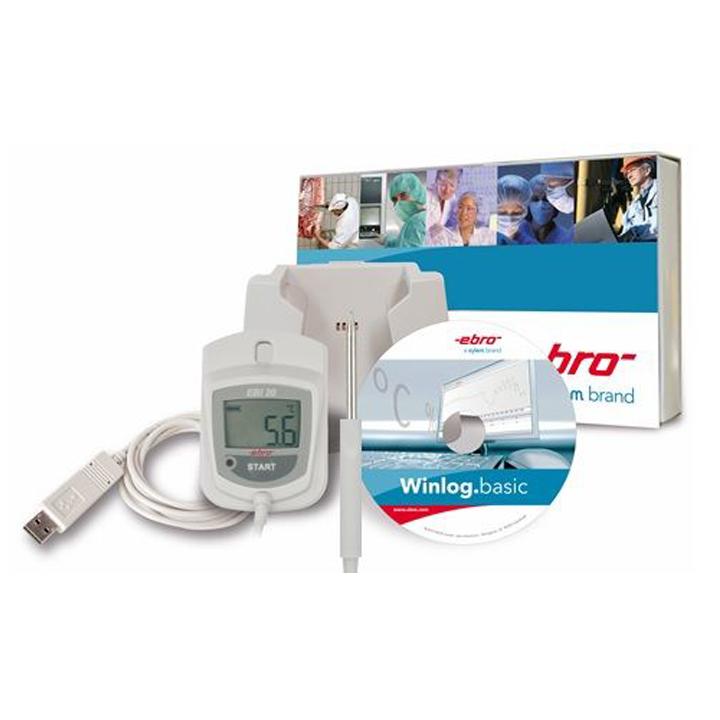 Temperature, Humidity, and Pressure Measuring Instruments
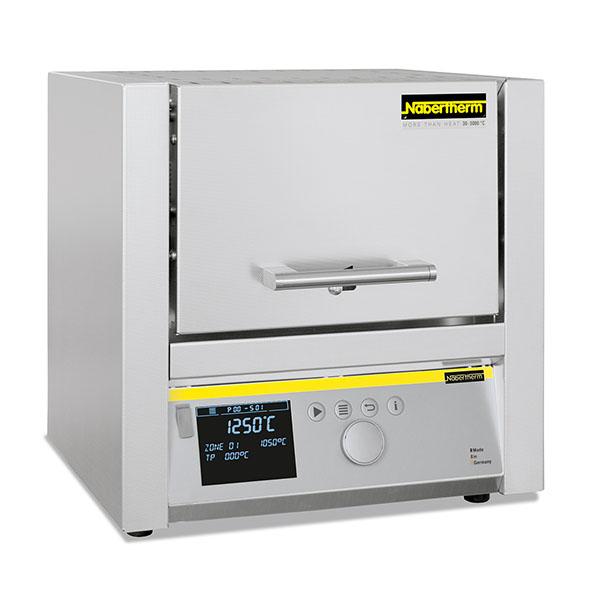 Other Basic Equipment
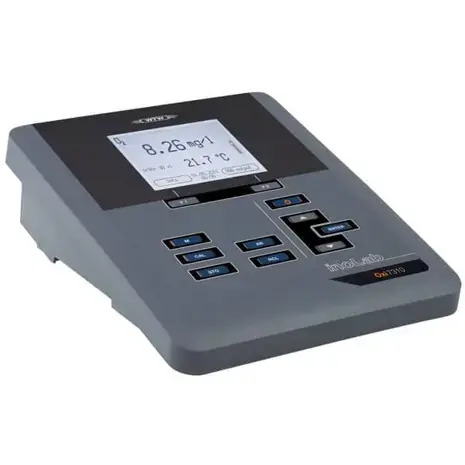 Multiparameter Water Quality Meters
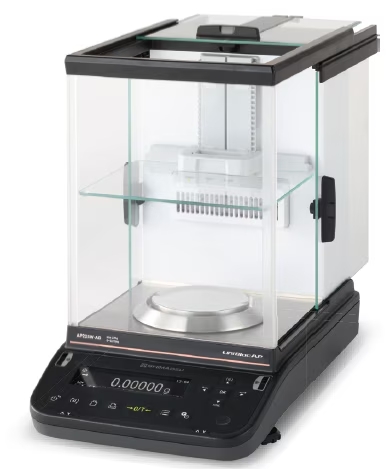 Balances
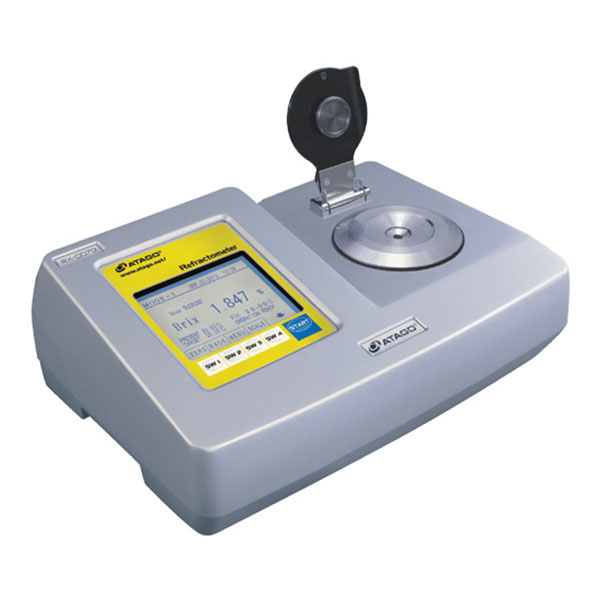 Polarimeters, Refractometers
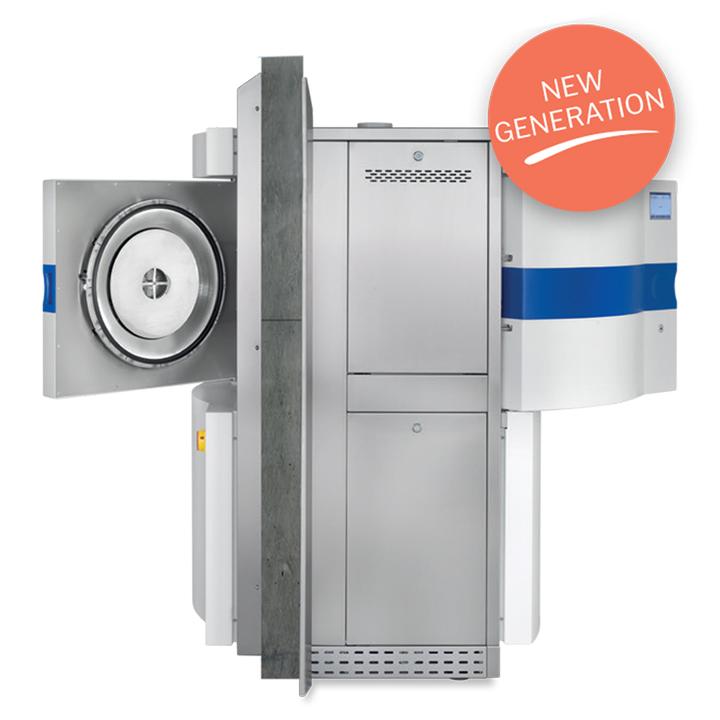 Autoclaves
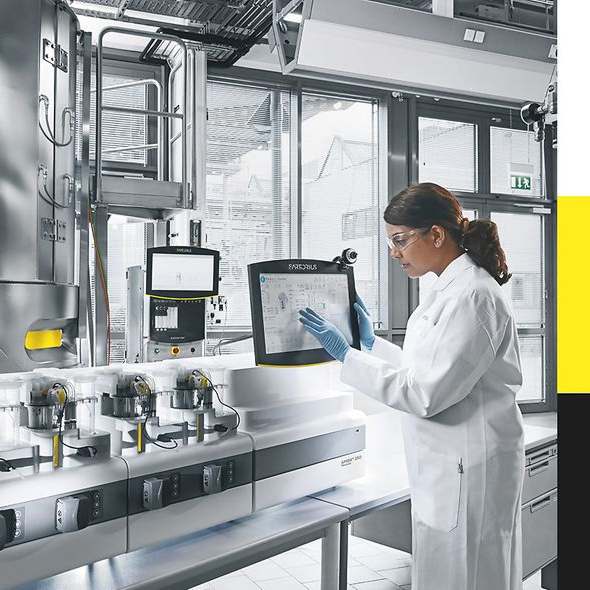 Biotechnology Equipment and Solutions
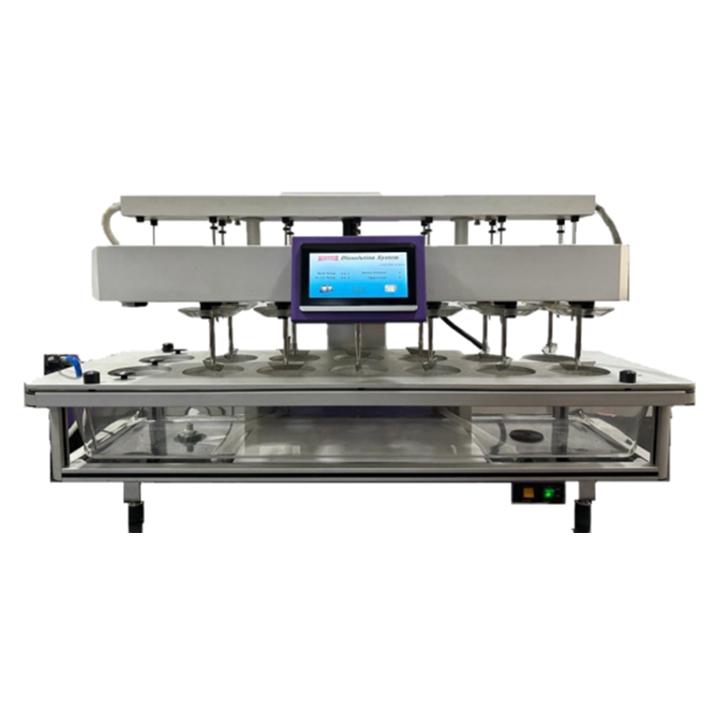 Pharmaceutical Equipment
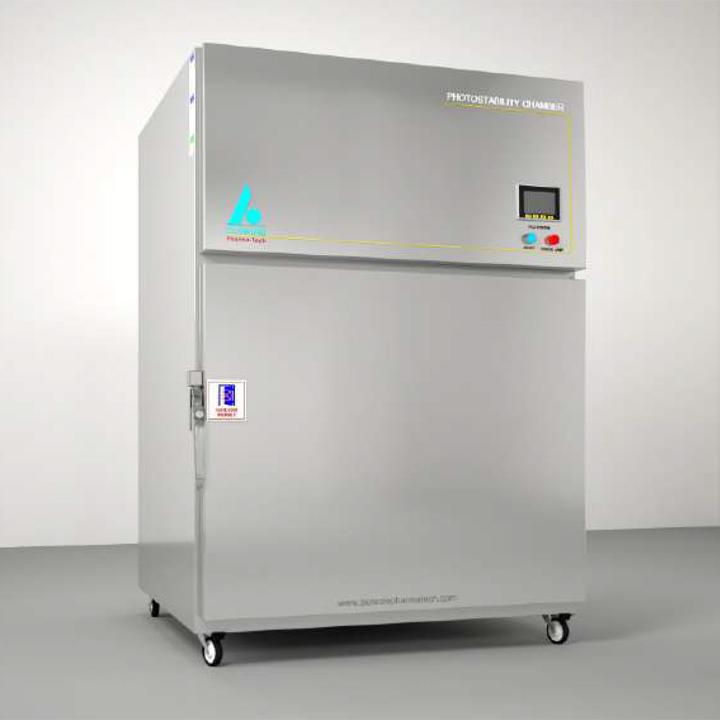 Shelf-life Testing Equipment
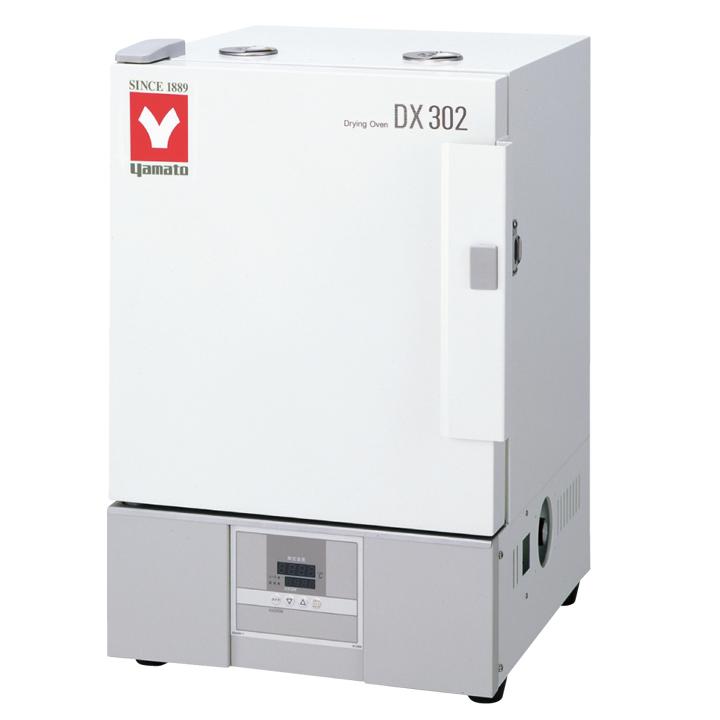
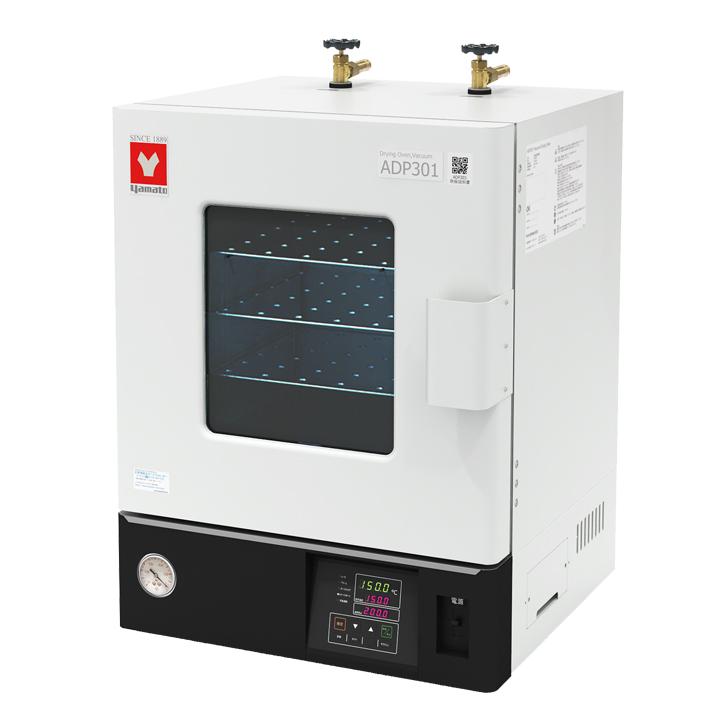 Drying Ovens
 Incubators
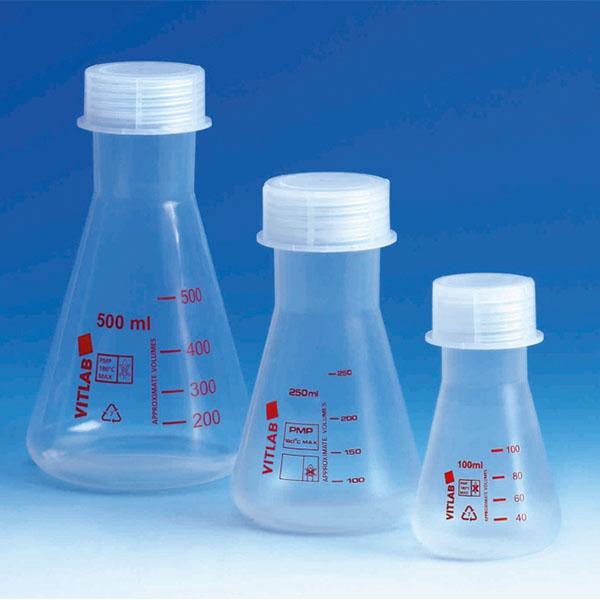 Laboratory Flasks
 Beakers, Measuring Jugs
 Liquid Handling Tools
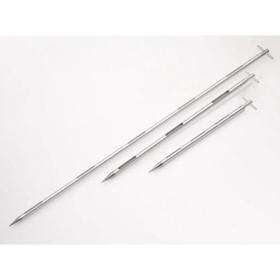 Sampling Tools
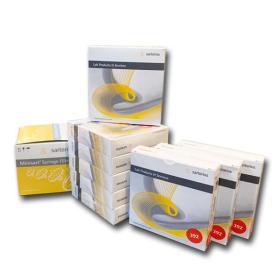 Filtration Tools and Consumables
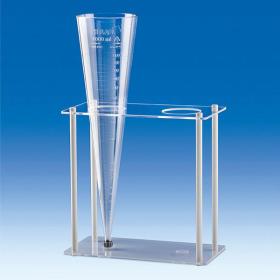 Racks and Stands
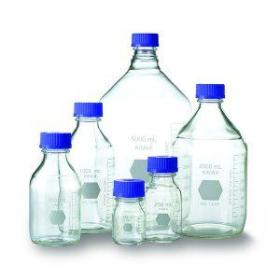 Laboratory Bottles and Vials
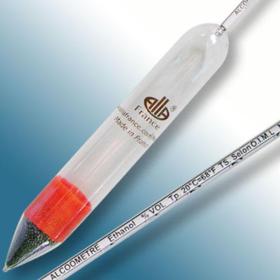 Thermometers, Hydrometers, Baumé Hydrometers, Alcoholmeters
 Pipettes
 Test tubes
 Graduated cylinders
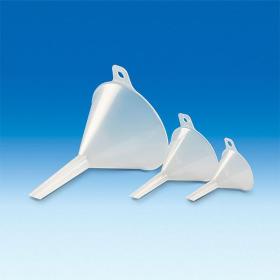 Funnels
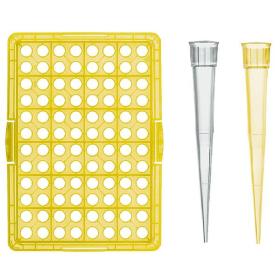 Tips & tip boxes
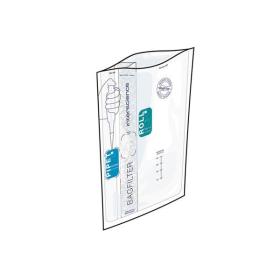 Homogenizer bags
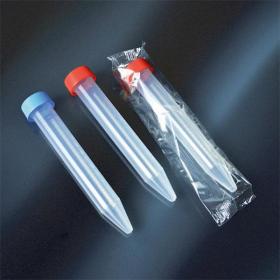 Centrifuge tubes
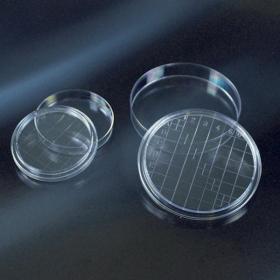 Petri dishes
 Others
- Glass capillary tubes
- Glass melting point tubes
- Condensers
- Plastic weighing boats
- Glass stirring rods
- Filtration and separation equipment
- Alcohol burners
- Glass weighing bottles
- Crucibles
- Crucible tongs
- Blender bag openers
- BagClip sealing clips
- Autoclave deodorant capsules
- Magnetic stir bars
- Test tube brushes
- Glass watch glasses
- Glass beads
- Glass wool
- Glass slides
- Plastic buckets
- Stainless steel bucket
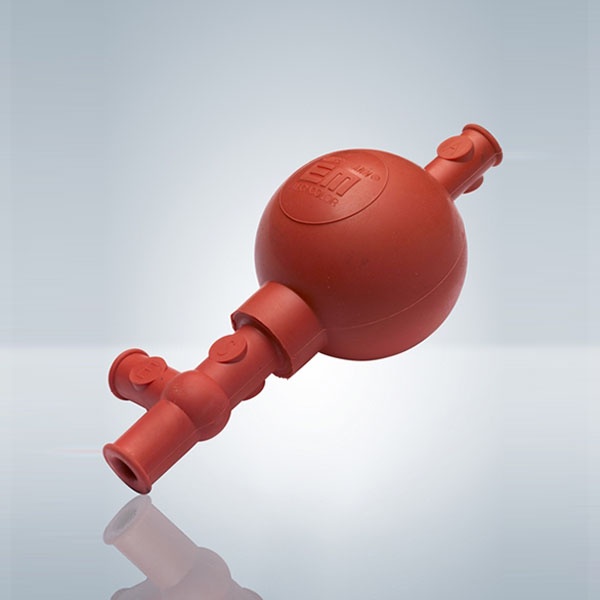
- Rubber bulb
- Inoculation loop
- Sampling rod
- Plastic spoon
- Stainless steel spoon
- Plastic tweezers
- Glass burette
- Glass slide
- Glass filter crucible
Eppendorf tubes
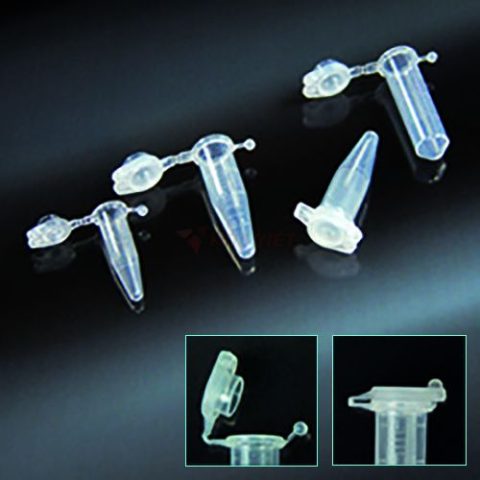
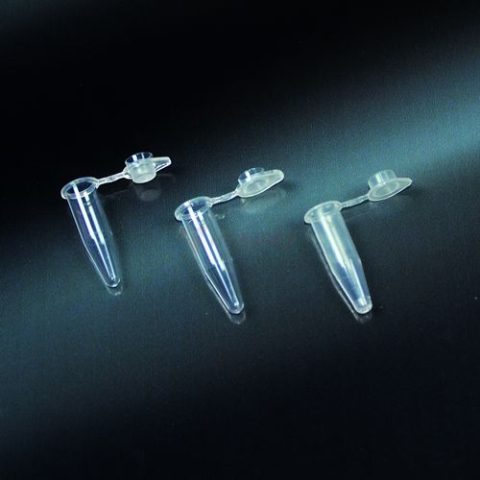
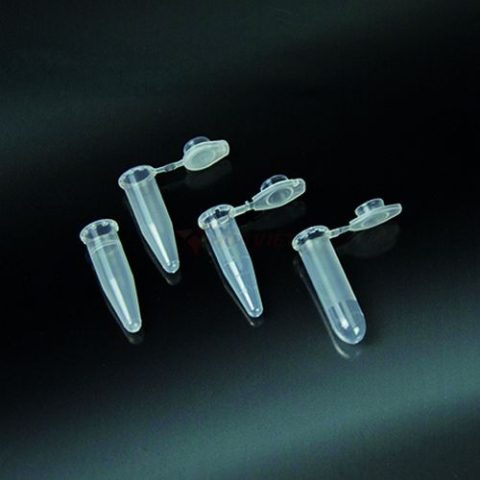
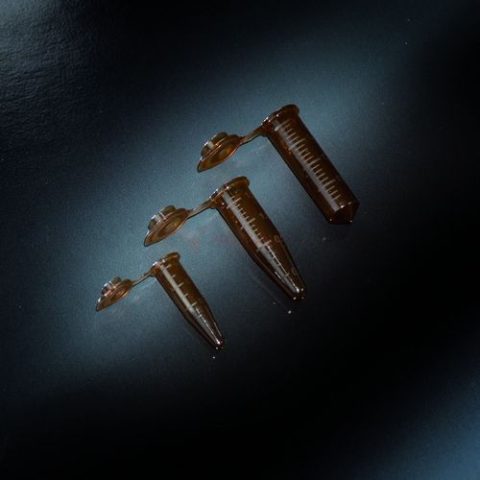
Introduction to Eppendorf tubes
Eppendorf tubes are microcentrifuge tubes used for containing, storing, mixing, and centrifuging small-volume samples in molecular biology, biochemistry, or medical testing laboratories. Depending on operational requirements, the tubes feature an easily pierceable flat flip-cap or a capless design, with an integrated graduated scale and a convenient marking area on the surface.
Selection criteria for Eppendorf tubes are based on working volume such as 0.5ml, 0.75ml, 1.5ml, or 2ml, alongside materials like PP, PE, or HDPE plastic. PP tubes can operate from -80 °C to +100 °C and are autoclavable at +121 °C for 20 minutes. Users can choose the SuperLock series with a secure seal against evaporation, pre-sterilized DNase-, RNase-, and pyrogen-free types, or amber tubes to protect light-sensitive samples. Hoa Viet currently distributes products from Aptaca (Italy) and Jet Biofil (China).
Which brands of Eppendorf tubes does Hoa Viet supply?
Hoa Viet currently supplies Eppendorf tube lines from two brands, Aptaca (Italy) and Jet Biofil (China), with packaging configurations of 500 pcs/pack or 1000 pcs/pack.
Can PP Eppendorf tubes be autoclaved?
Aptaca's PP Eppendorf tubes can be autoclaved at +121 °C for 20 minutes with the cap open. Additionally, this tube series has an operating temperature range from -80 °C to +100 °C.
When should SuperLock or amber Eppendorf tubes be used?
SuperLock tubes feature a safety lock system that prevents accidental cap opening and minimizes solution evaporation. Meanwhile, amber (brown) tubes are used to shield and protect light-sensitive samples.
What capacities of Eppendorf tubes are available at Hoa Viet?
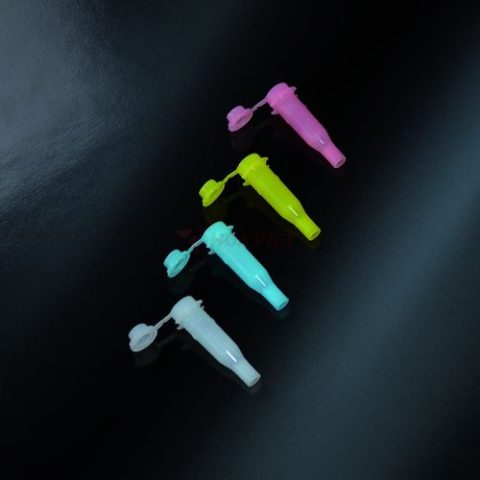
Products are currently available in capacities of 0.5ml, 0.75ml, 1.5ml, and 2ml. Customers can choose capped, capless, graduated, or various colored models such as clear, blue, yellow, and pink depending on sample sorting requirements.
