



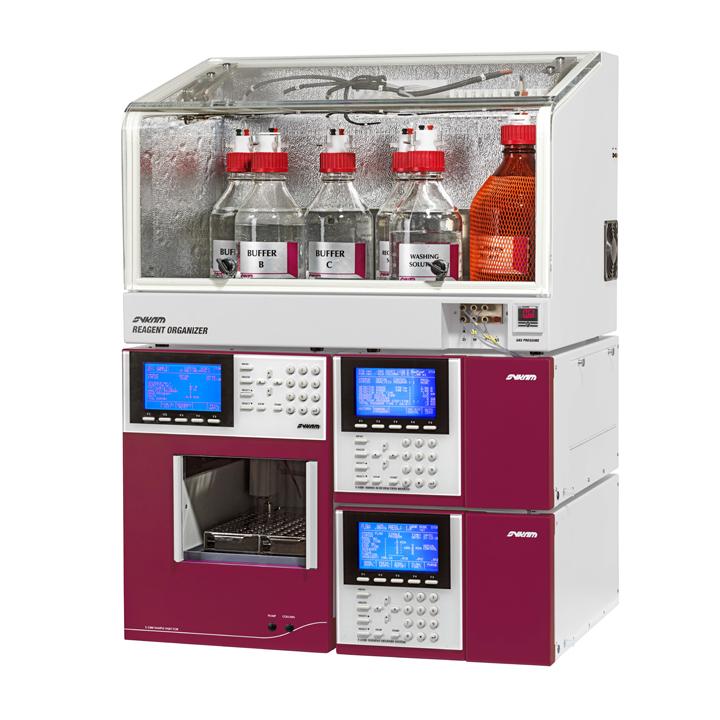
 Analytical Equipment
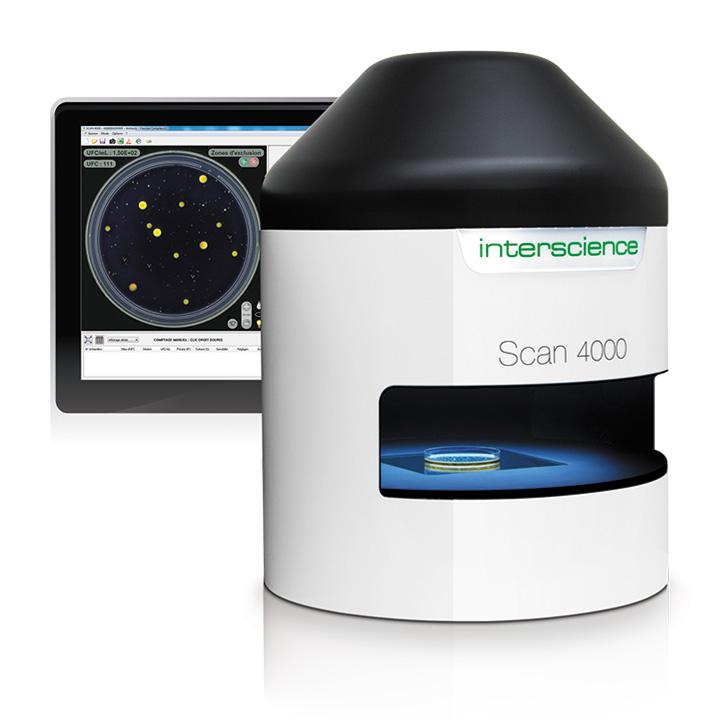 Microbiology Equipment
- Gravimetric Diluters and Sample Weighing Systems
- Mediaprep Automated Media Preparators
- Mediafill Automated Media Distributors
- Manual Media Dispensers
- Lab Blenders / Homogenizers
- Automated Spiral Platers
- Manual Colony Counters
- Automated Colony Counters
- Inhibition Zone Readers
- Automated Incubators and Colony Counters
- Biosafety Cabinets
- Laminar Flow Hoods
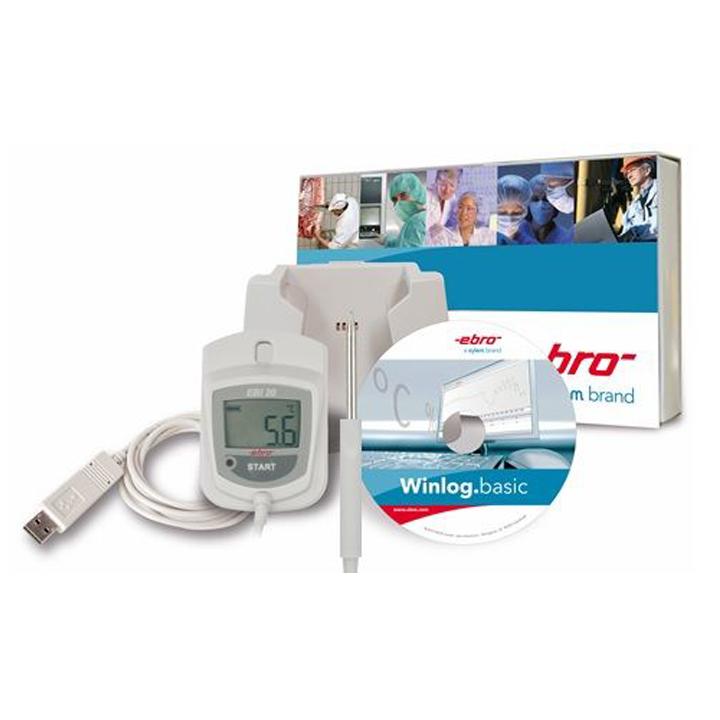 Temperature, Humidity, and Pressure Measuring Instruments
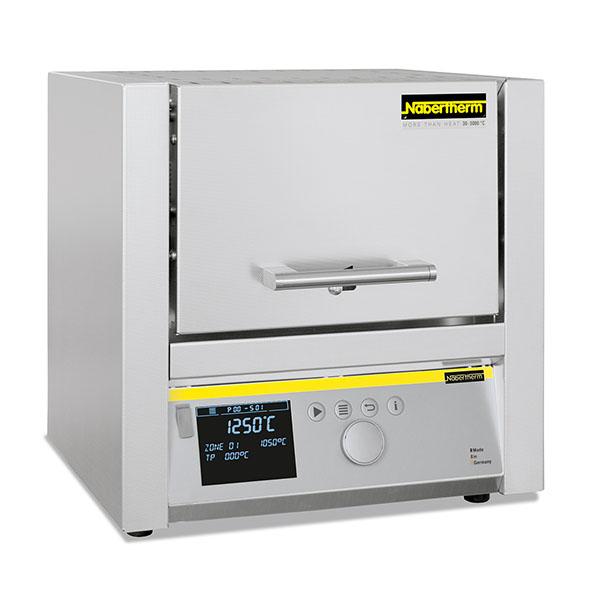 Other Basic Equipment
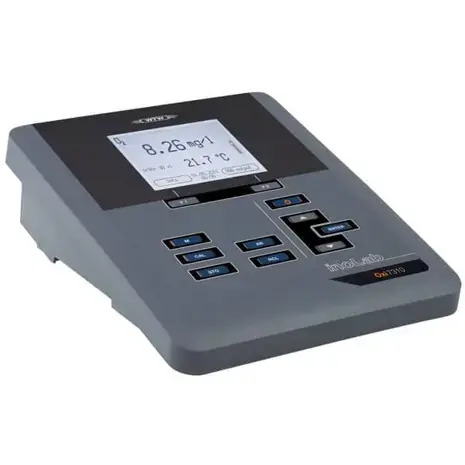 Multiparameter Water Quality Meters
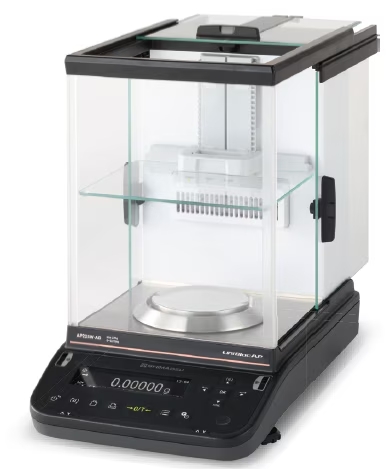 Balances
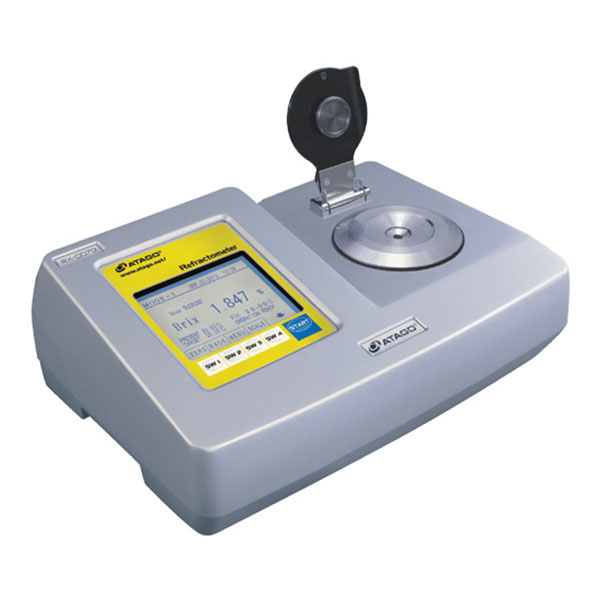 Polarimeters, Refractometers
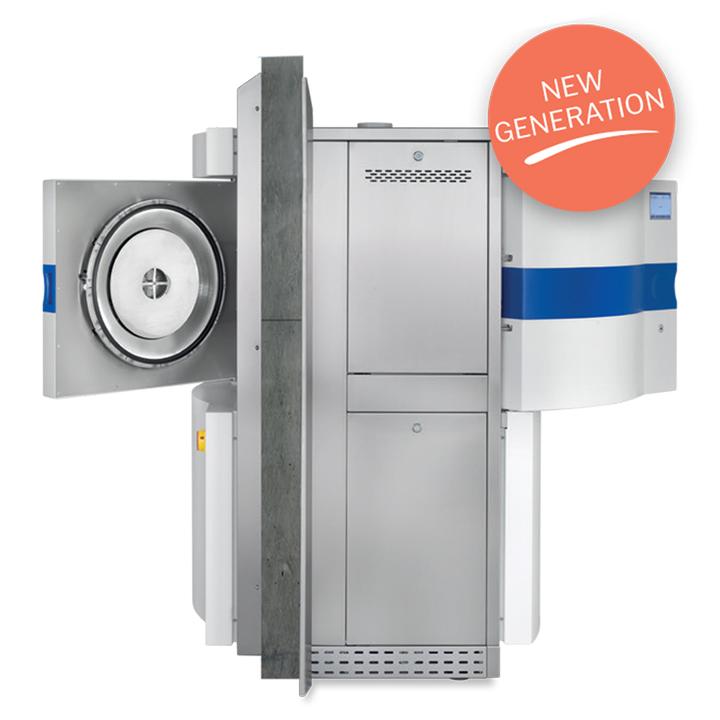 Autoclaves
 Biotechnology Equipment and Solutions
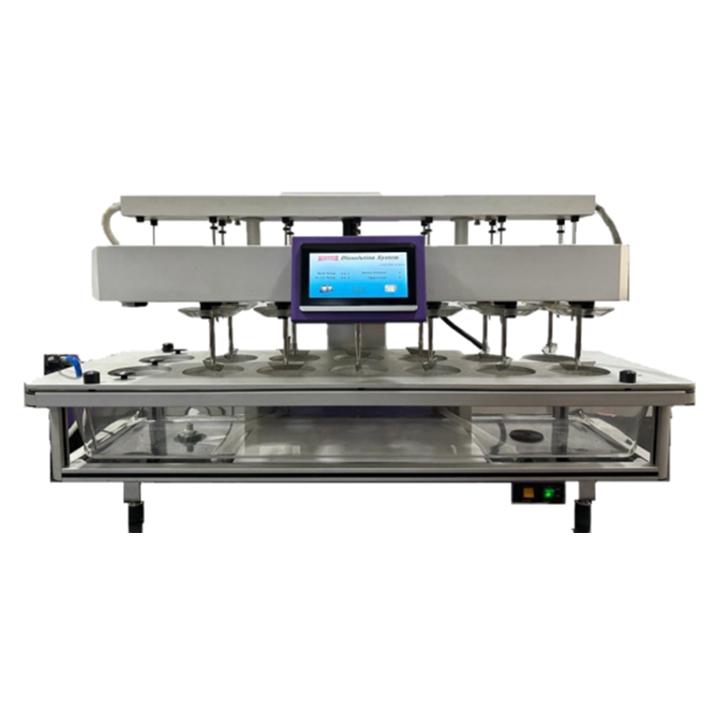 Pharmaceutical Equipment
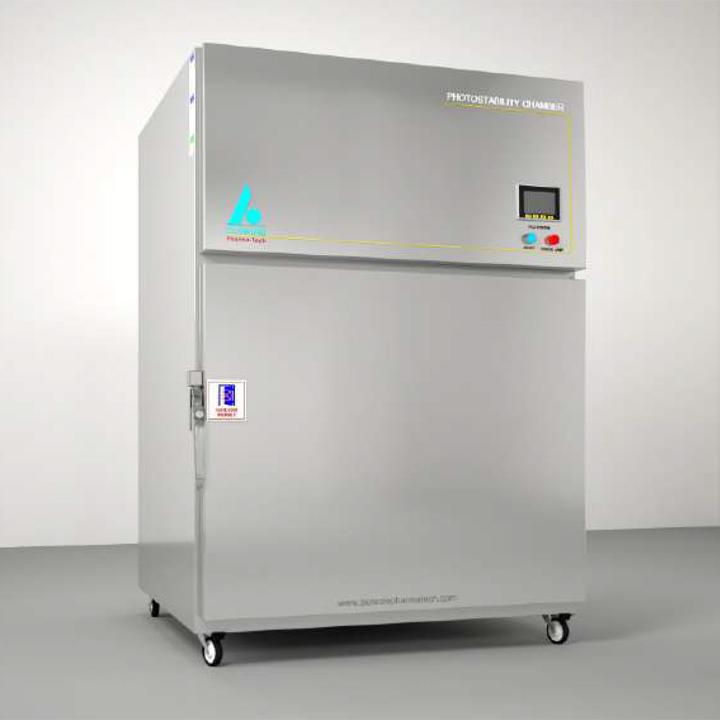 Shelf-life Testing Equipment
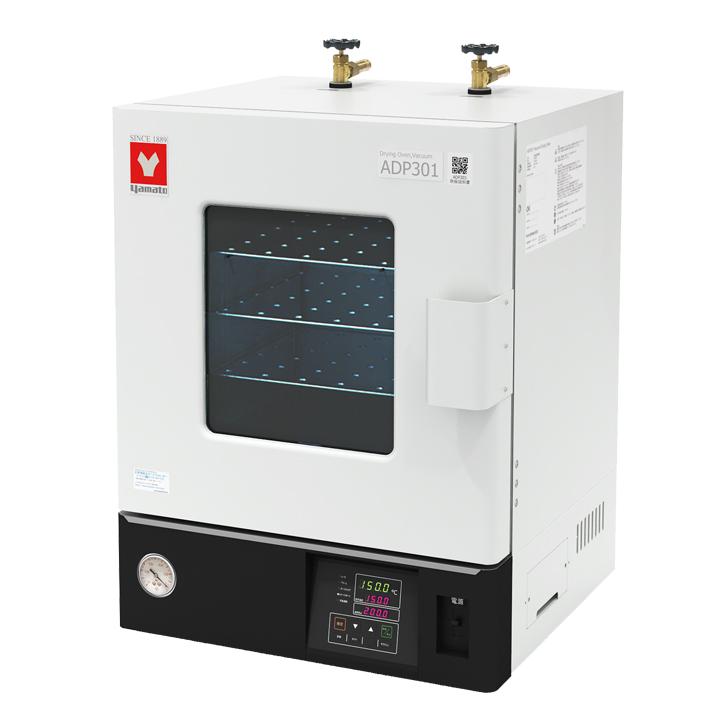 Drying Ovens
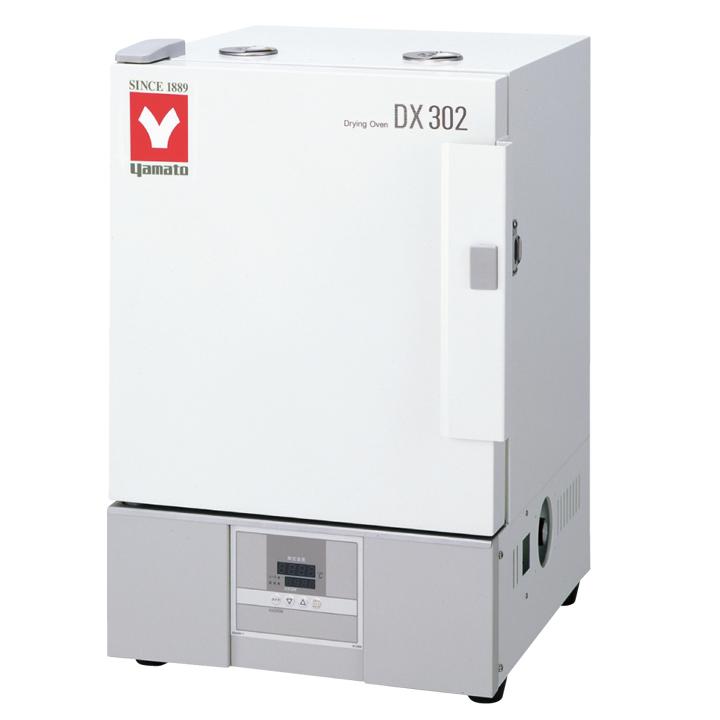 Incubators
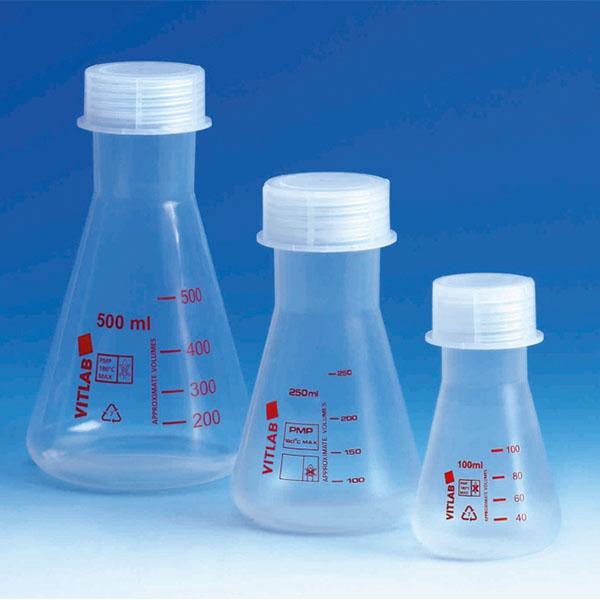 Laboratory Flasks
 Beakers, Measuring Jugs
 Liquid Handling Tools
 Sampling Tools
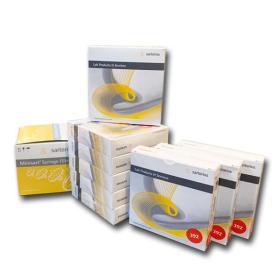 Filtration Tools and Consumables
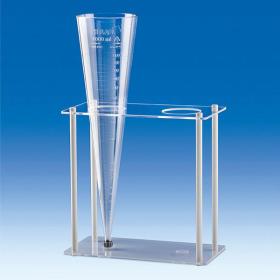 Racks and Stands
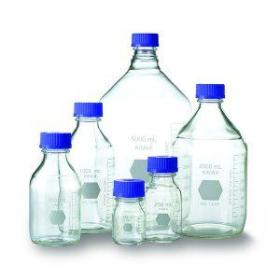 Laboratory Bottles and Vials
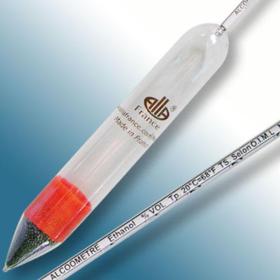 Thermometers, Hydrometers, Baumé Hydrometers, Alcoholmeters
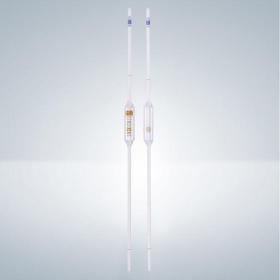 Pipettes
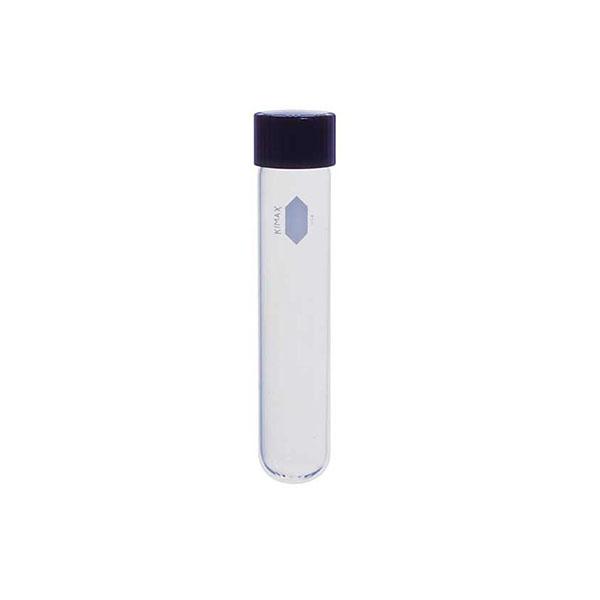 Test tubes
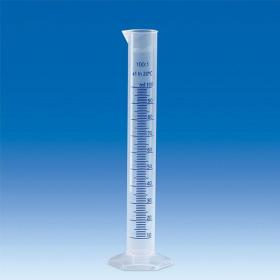 Graduated cylinders
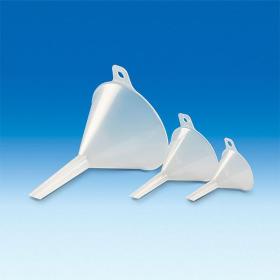 Funnels
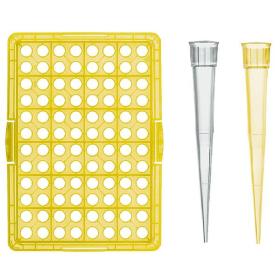 Tips & tip boxes
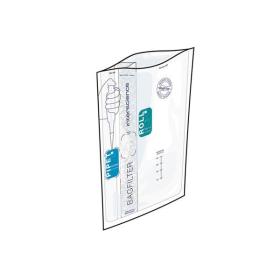 Homogenizer bags
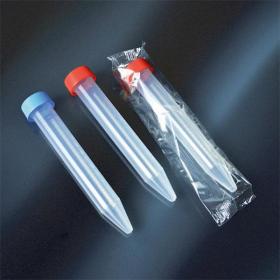 Centrifuge tubes
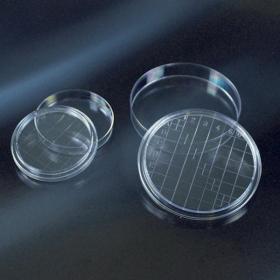 Petri dishes
 Others
- Glass capillary tubes
- Glass melting point tubes
- Condensers
- Plastic weighing boats
- Glass stirring rods
- Filtration and separation equipment
- Alcohol burners
- Glass weighing bottles
- Crucibles
- Crucible tongs
- Blender bag openers
- BagClip sealing clips
- Autoclave deodorant capsules
- Magnetic stir bars
- Test tube brushes
- Glass watch glasses
- Glass beads
- Glass wool
- Glass slides
- Plastic buckets
- Stainless steel bucket
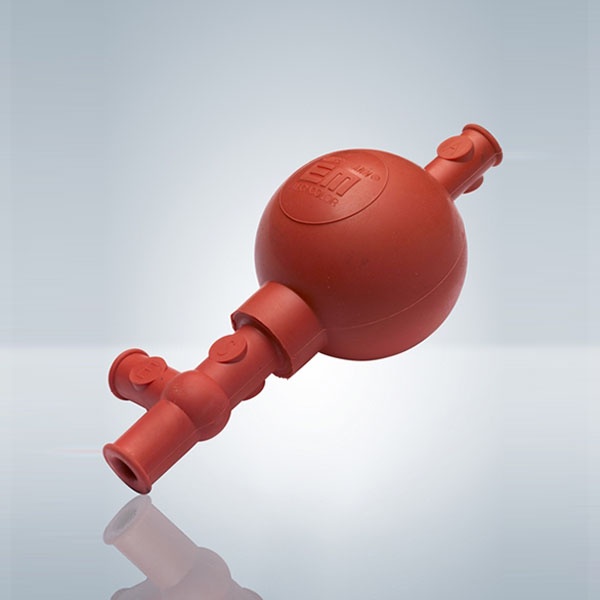
- Rubber bulb
- Inoculation loop
- Sampling rod
- Plastic spoon
- Stainless steel spoon
- Plastic tweezers
- Glass burette
- Glass slide
- Glass filter crucible
Filter paper

Introduction to Filter paper
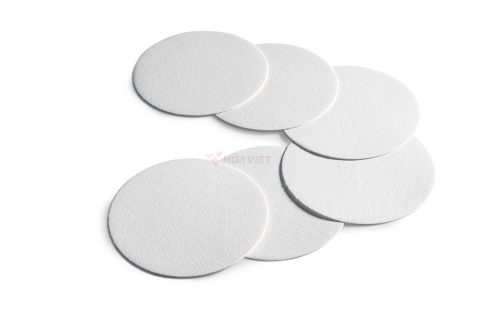
Filter paper is a porous fibrous consumable used to separate solids from liquids in laboratory sample preparation and analytical procedures. This material plays a fundamental role in filtering precipitates, clarifying solutions, and supporting chemical tests as well as industrial applications.
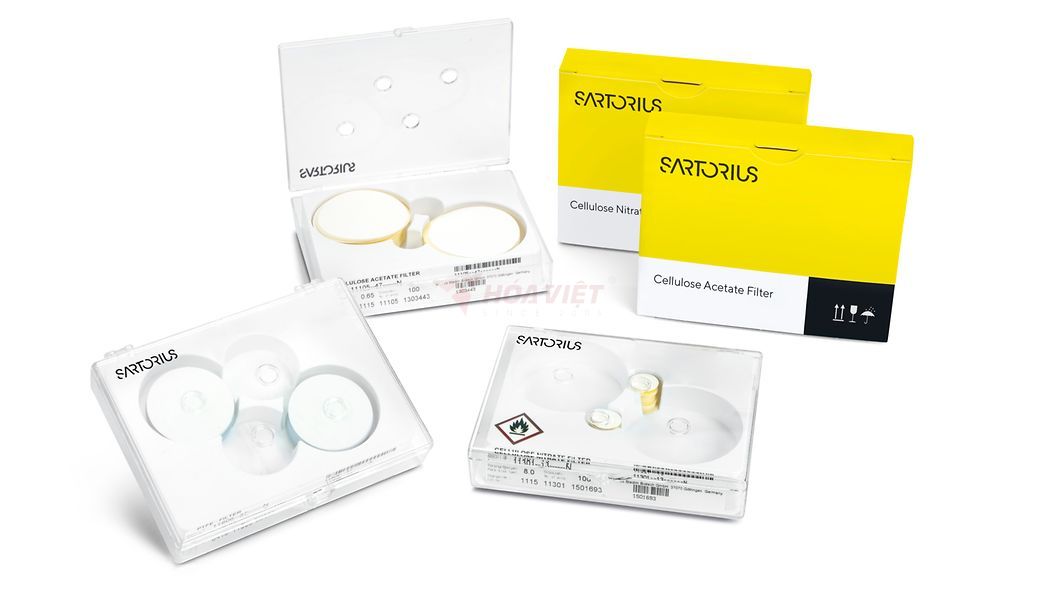
To choose the appropriate filter paper, users need to clearly determine the purpose of quantitative or technical qualitative analysis, along with fast, medium, or slow filtration speeds according to each type of precipitate. Filter dimensions are also an important criterion, featuring round filter formats from 15mm, 42.5mm, 45mm, 55mm, 70mm to 400mm, or square sheets of 600 x 600mm. Hoa Viet currently distributes filter paper lines from Newstar (China) and Sartorius (Germany) in packages of 100 pieces per box or pack, meeting diverse customer sample filtration needs.
How do qualitative filter paper and quantitative filter paper differ?
Qualitative filter paper is mainly used for separating precipitates and clarifying solutions in qualitative tests without the need to weigh the residual mass. Quantitative filter paper is treated to minimize ash content after incineration, dedicated to precise gravimetric analysis.
What factors should be considered when choosing fast, medium, or slow filtration speeds?
The filtration rate is selected based on the size and state of the precipitate particles in the solution. Fast filter paper is suitable for coarse or gelatinous precipitates, while medium and slow filter papers are suitable for fine precipitates to avoid turbidity in the filtrate.
Which brands of filter paper does Hoa Viet distribute?
Hoa Viet currently supplies qualitative and quantitative filter paper products from two manufacturers: Newstar (China) and Sartorius (Germany). Products are packaged as 100 sheets per box or pack, available in a full range of circular and square sheet sizes.
How should laboratory filter paper be stored to maintain its durability?
Filter paper should be stored in a dry place, away from high humidity environments and direct sunlight to prevent altering the paper fiber structure. After taking out the product, users should tightly close the box or reseal the pack to prevent dust intrusion and sample contamination.
