




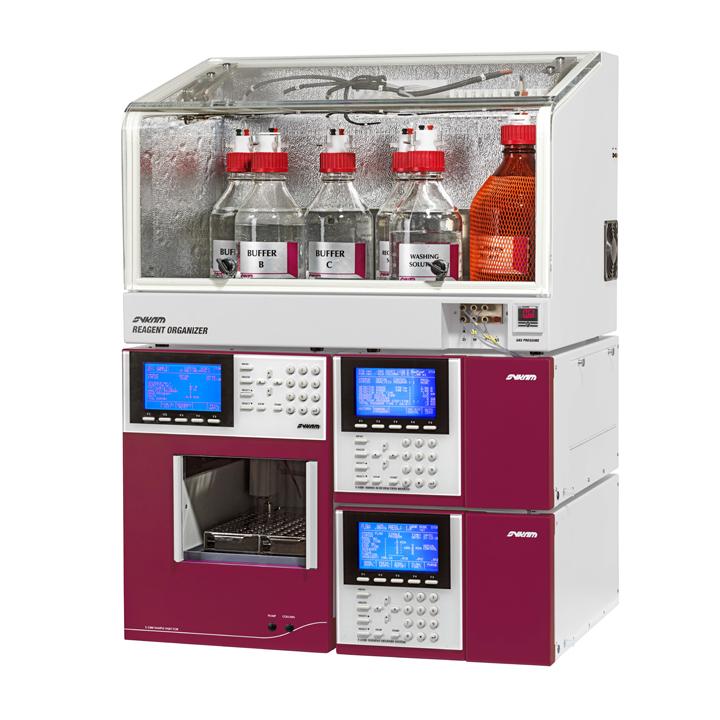
 Analytical Equipment
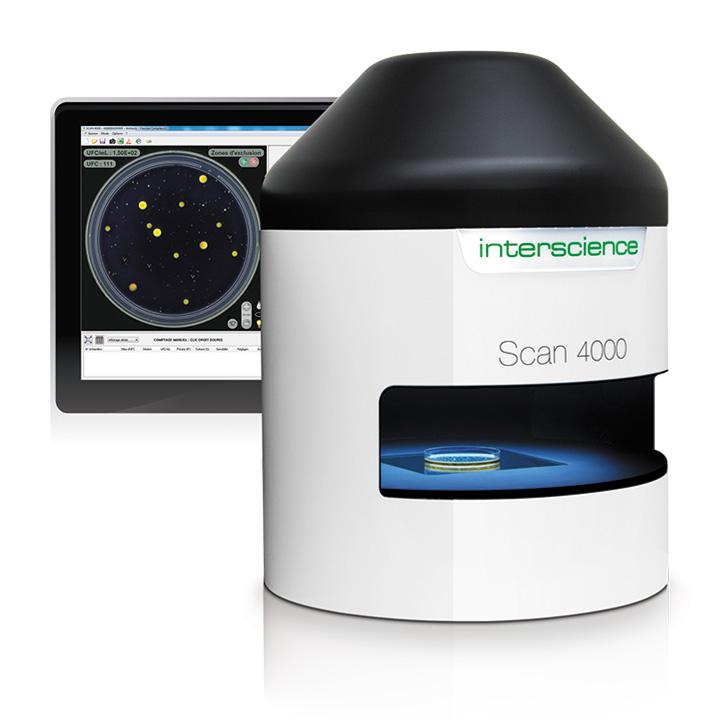 Microbiology Equipment
- Gravimetric Diluters and Sample Weighing Systems
- Mediaprep Automated Media Preparators
- Mediafill Automated Media Distributors
- Manual Media Dispensers
- Lab Blenders / Homogenizers
- Automated Spiral Platers
- Manual Colony Counters
- Automated Colony Counters
- Inhibition Zone Readers
- Automated Incubators and Colony Counters
- Biosafety Cabinets
- Laminar Flow Hoods
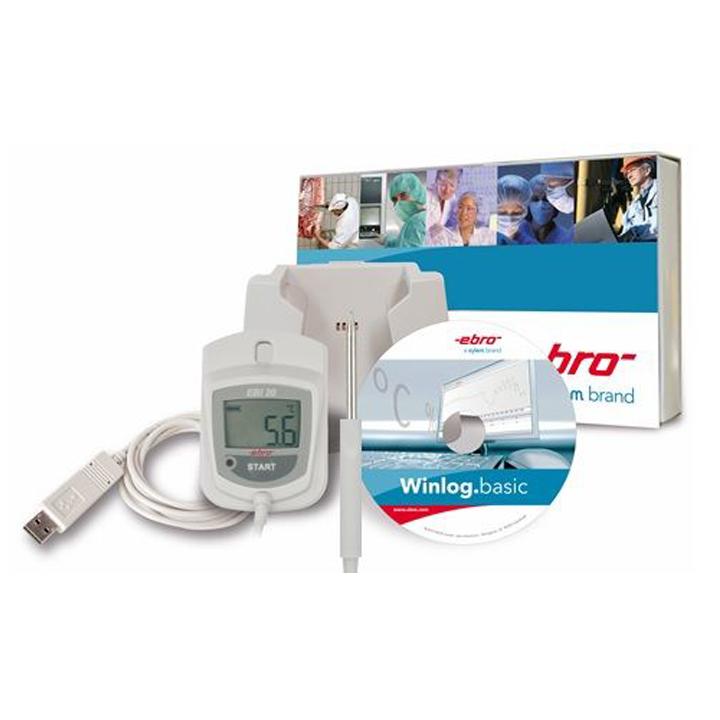 Temperature, Humidity, and Pressure Measuring Instruments
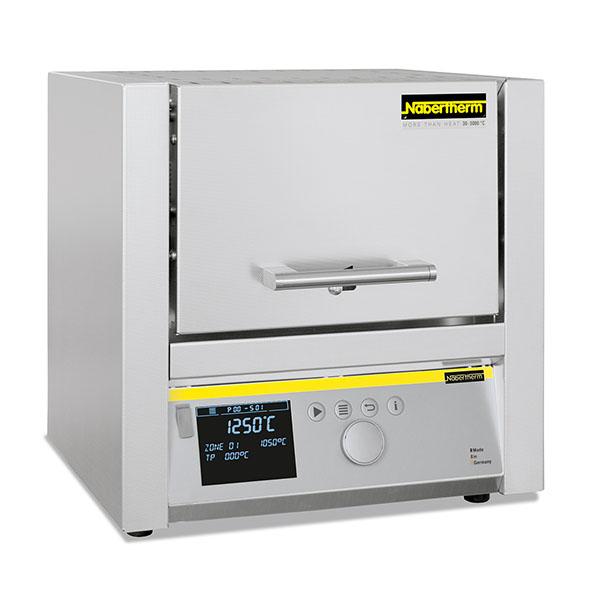 Other Basic Equipment
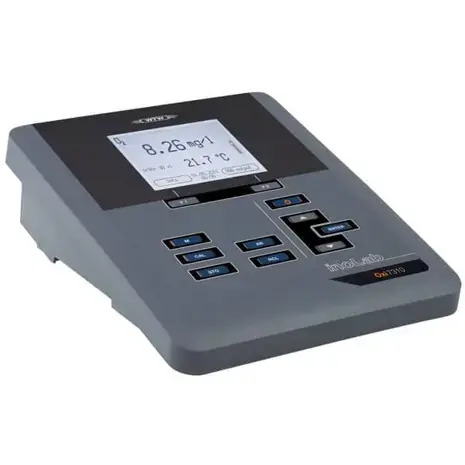 Multiparameter Water Quality Meters
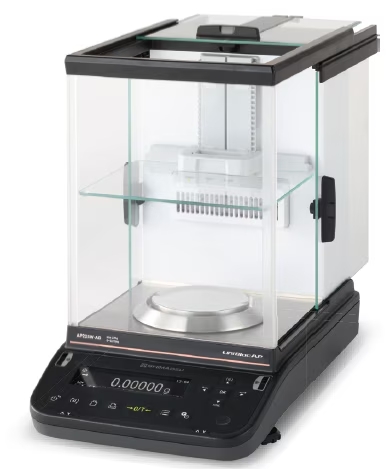 Balances
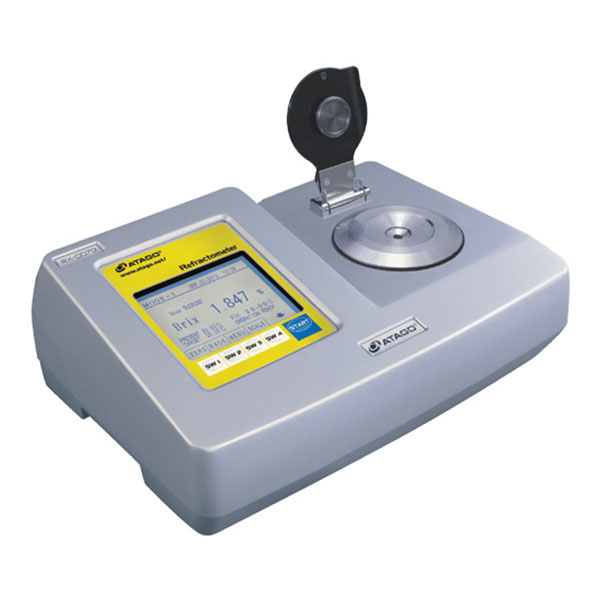 Polarimeters, Refractometers
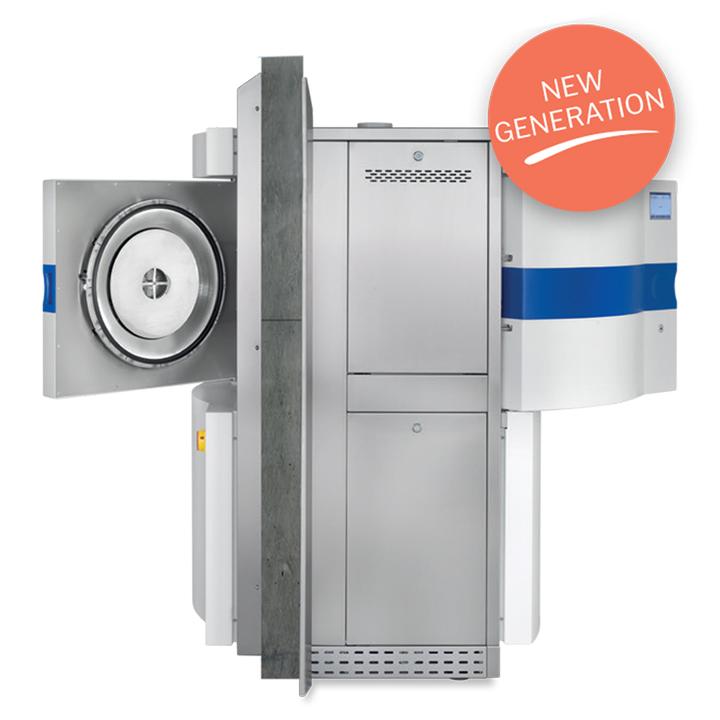 Autoclaves
 Biotechnology Equipment and Solutions
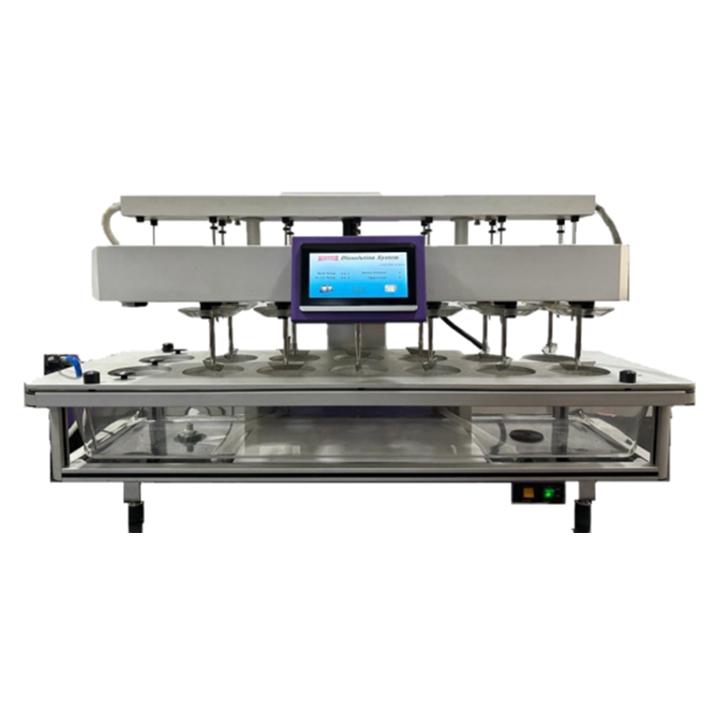 Pharmaceutical Equipment
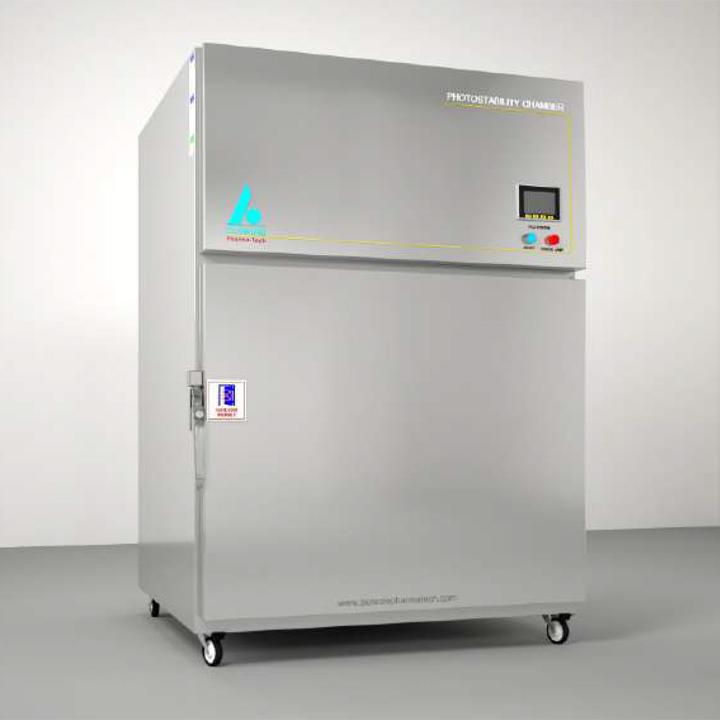 Shelf-life Testing Equipment
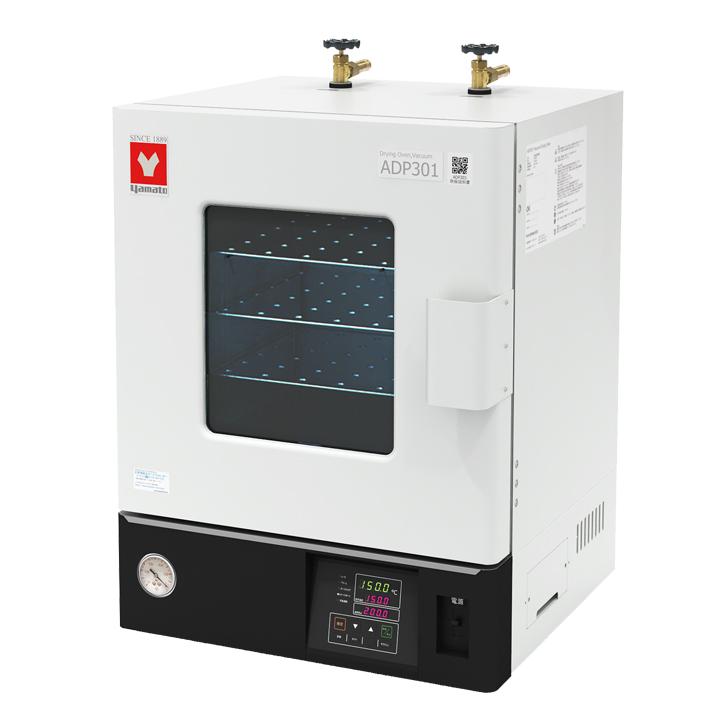 Drying Ovens
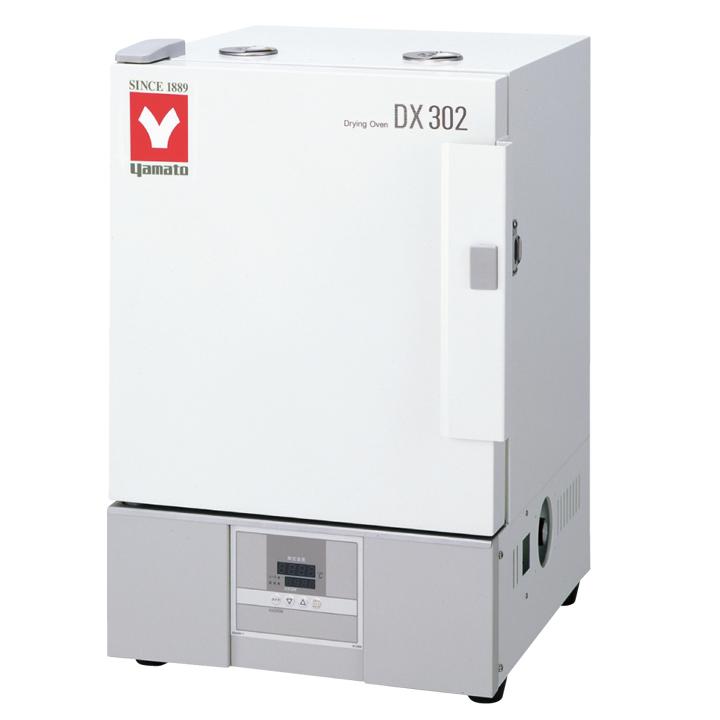 Incubators
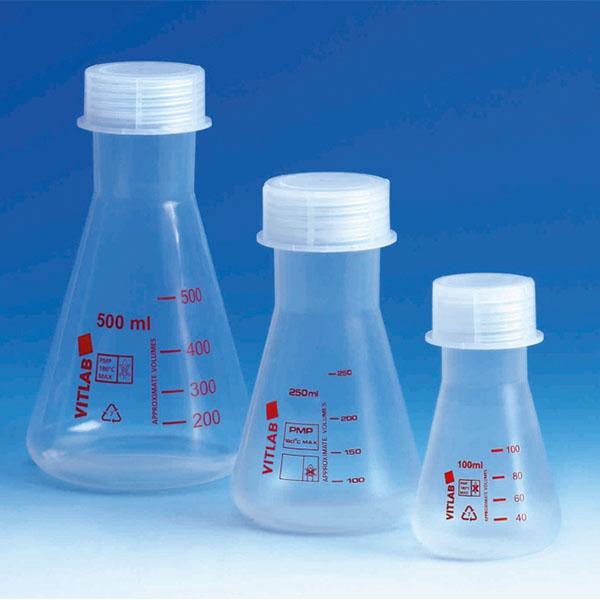 Laboratory Flasks
 Beakers, Measuring Jugs
 Liquid Handling Tools
 Sampling Tools
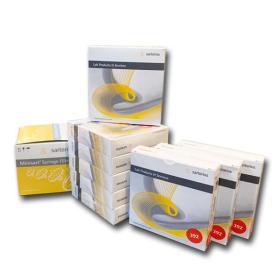 Filtration Tools and Consumables
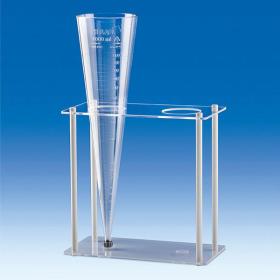 Racks and Stands
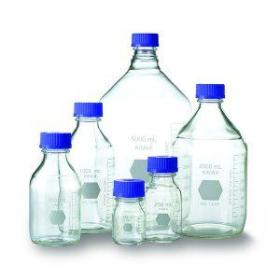 Laboratory Bottles and Vials
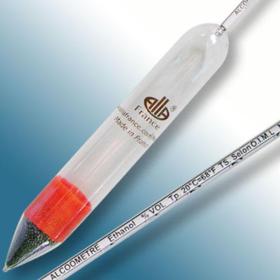 Thermometers, Hydrometers, Baumé Hydrometers, Alcoholmeters
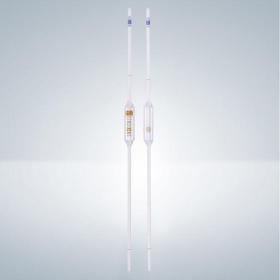 Pipettes
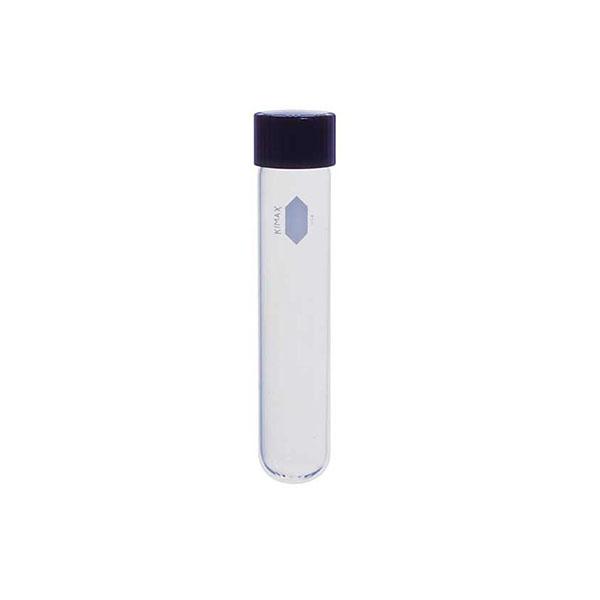 Test tubes
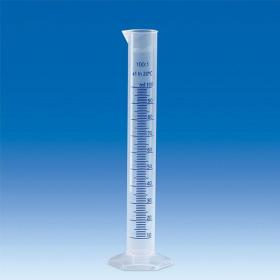 Graduated cylinders
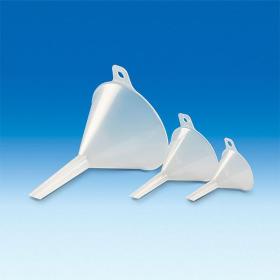 Funnels
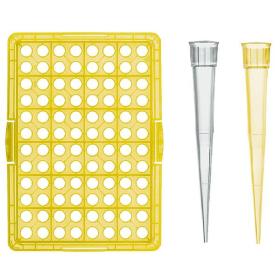 Tips & tip boxes
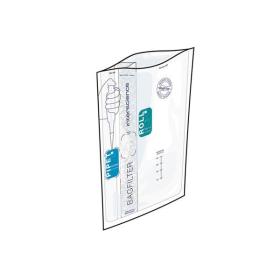 Homogenizer bags
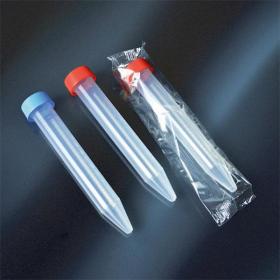 Centrifuge tubes
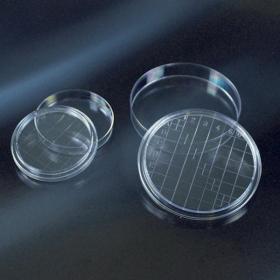 Petri dishes
 Others
- Glass capillary tubes
- Glass melting point tubes
- Condensers
- Plastic weighing boats
- Glass stirring rods
- Filtration and separation equipment
- Alcohol burners
- Glass weighing bottles
- Crucibles
- Crucible tongs
- Blender bag openers
- BagClip sealing clips
- Autoclave deodorant capsules
- Magnetic stir bars
- Test tube brushes
- Glass watch glasses
- Glass beads
- Glass wool
- Glass slides
- Plastic buckets
- Stainless steel bucket
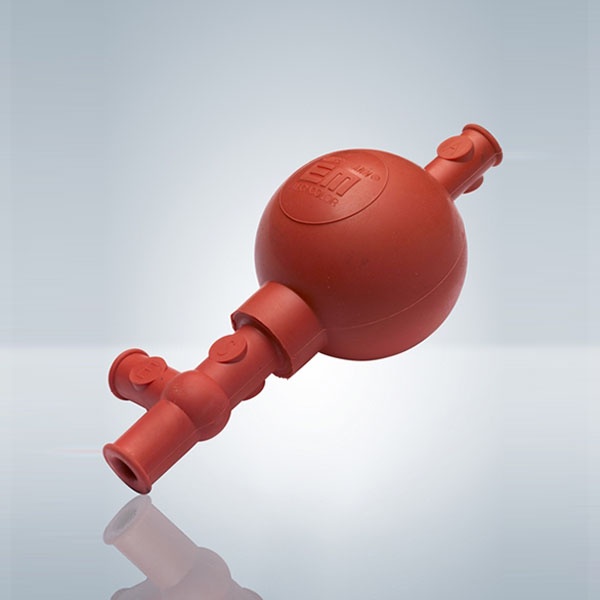
- Rubber bulb
- Inoculation loop
- Sampling rod
- Plastic spoon
- Stainless steel spoon
- Plastic tweezers
- Glass burette
- Glass slide
- Glass filter crucible
Glass beakers
Introduction to Glass beakers
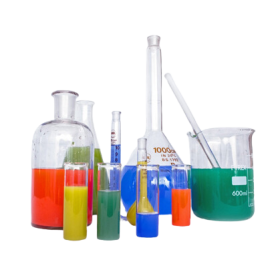
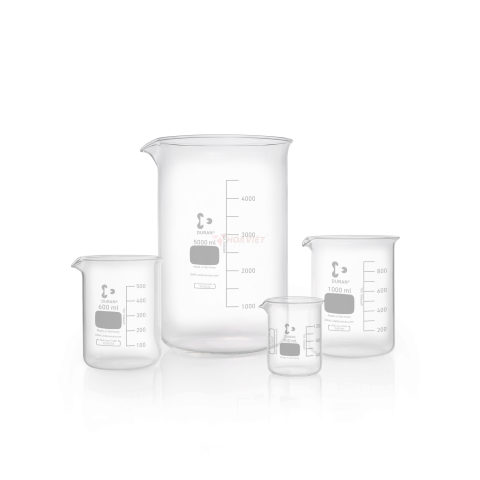
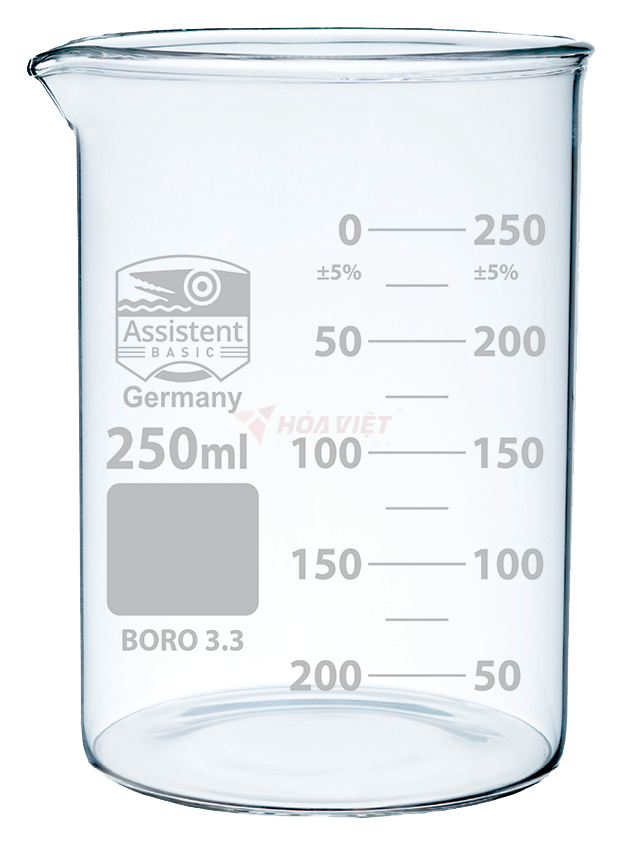
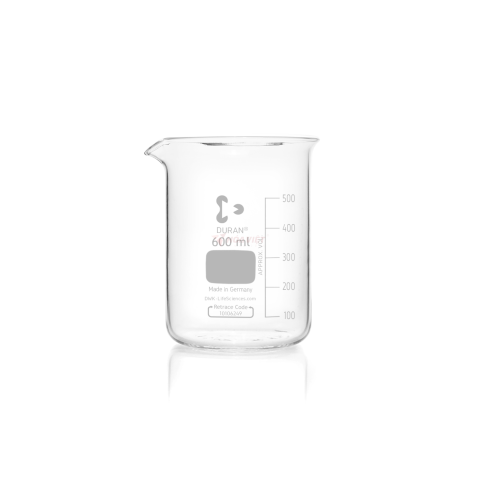
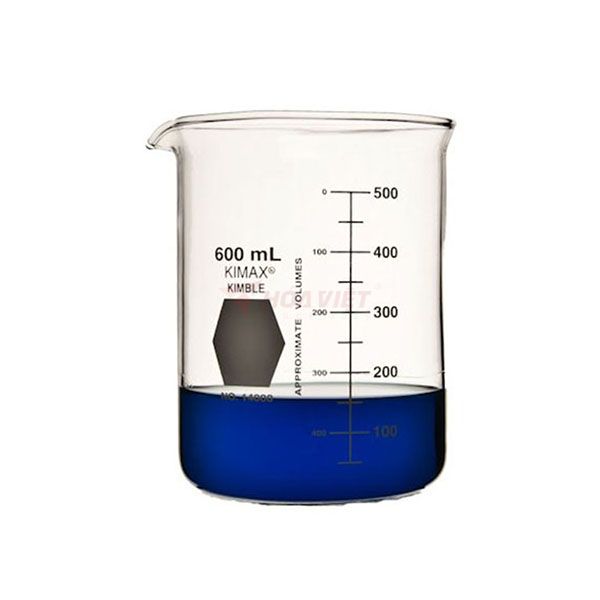
A glass beaker is a fundamental laboratory tool used for holding, mixing, dissolving, heating, and estimating the volume of liquids in the laboratory. Manufactured from borosilicate glass 3.3 with uniform wall and bottom thickness, it provides excellent thermal resistance, chemical resistance, and thermal shock resistance.
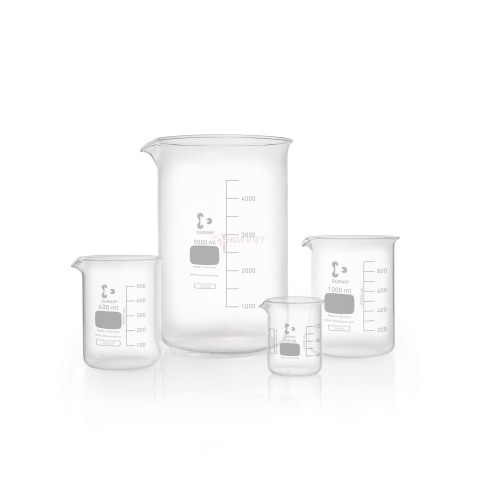
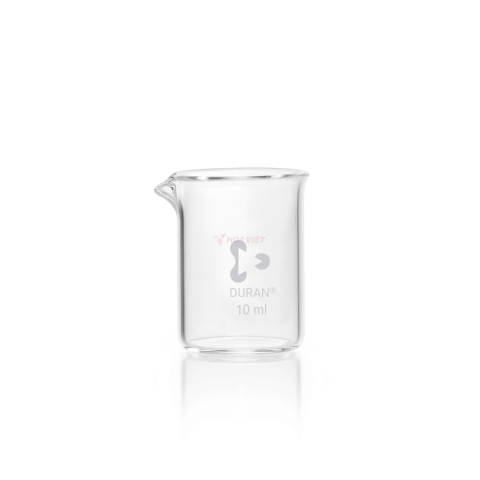
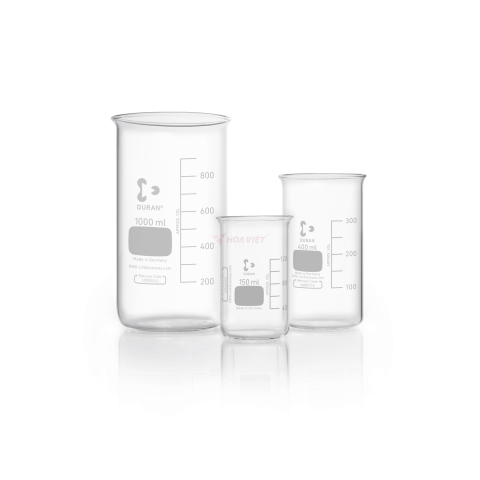
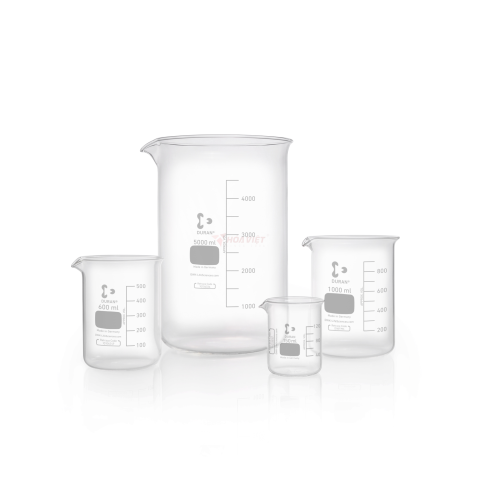
When purchasing, users can select between low-form or tall-form beakers, with or without spouts, and graduated or non-graduated designs based on operational needs. The capacity ranges from 5 ml, 10 ml, 50 ml, 100 ml, 600 ml up to 2000 ml, complying with standards such as DIN EN ISO 3819 or ASTM E960 Type I. Hoa Viet currently distributes genuine glass beakers from brands including Duran (Germany), Assistent (Germany), and Kimble-DWK (USA).
How do low-form and tall-form glass beakers differ?
Low-form beakers have a wider base diameter, providing good stability and convenience when mixing or heating solutions. Tall-form beakers feature vertical walls and a greater height, helping to minimize chemical splashing during vigorous reactions or stirring.
Are the graduation marks on glass beakers used for accurate volume measurement?
Graduation marks on glass beakers are intended only for rough volume estimation during preparation. If an analytical procedure requires high volumetric accuracy, laboratory personnel must use graduated cylinders, pipettes, or volumetric flasks.
Which technical standards do laboratory glass beakers comply with?
Depending on origin and brand, glass beakers may comply with DIN EN ISO 3819 or ASTM E960 Type I standards. These standards specify requirements for borosilicate glass 3.3 material, geometric dimensions, and uniform wall thickness.
Which manufacturers' glass beakers does Hoa Viet distribute?
Hoa Viet currently supplies laboratory glass beakers from brands including Duran (Germany), Assistent (Germany), and Kimble-DWK (USA). Customers can contact Hoa Viet directly for technical consultation and to Request a quote for specific catalogue numbers.
