




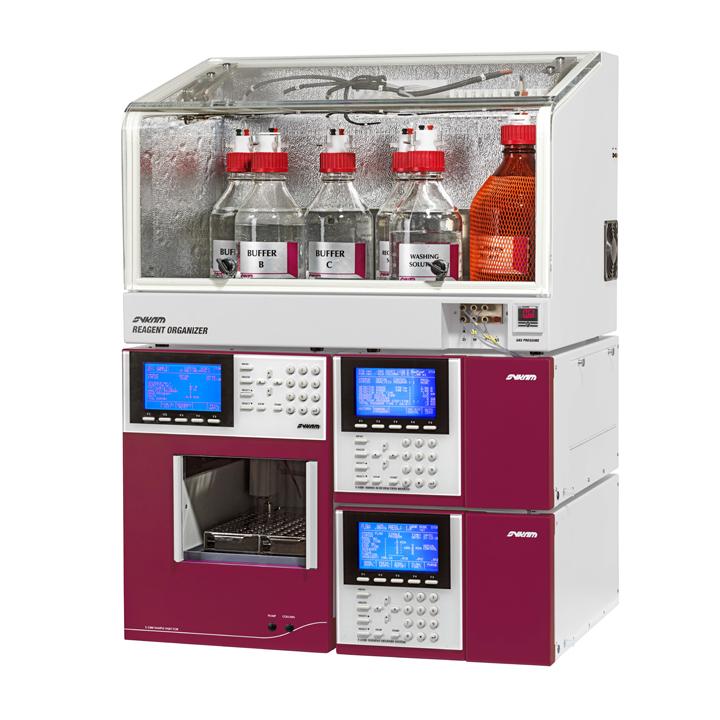
 Analytical Equipment
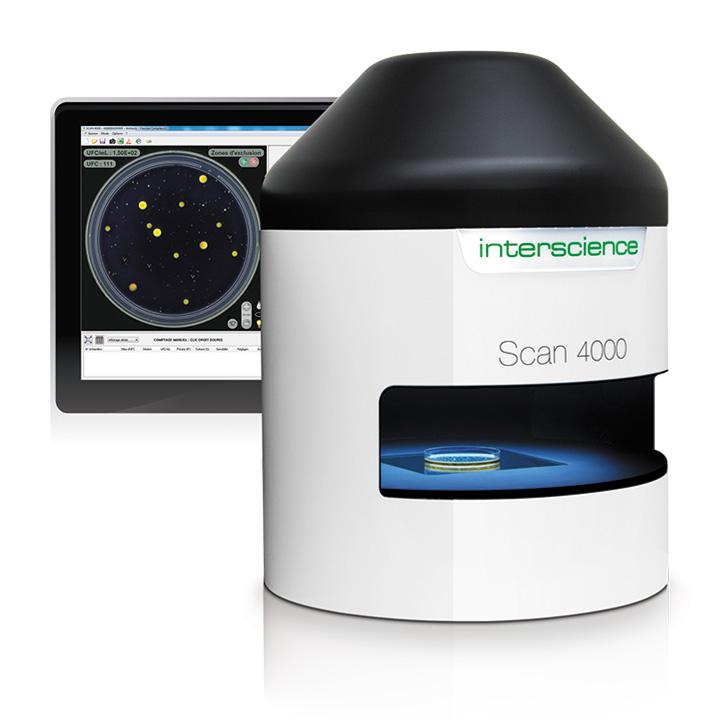 Microbiology Equipment
- Gravimetric Diluters and Sample Weighing Systems
- Mediaprep Automated Media Preparators
- Mediafill Automated Media Distributors
- Manual Media Dispensers
- Lab Blenders / Homogenizers
- Automated Spiral Platers
- Manual Colony Counters
- Automated Colony Counters
- Inhibition Zone Readers
- Automated Incubators and Colony Counters
- Biosafety Cabinets
- Laminar Flow Hoods
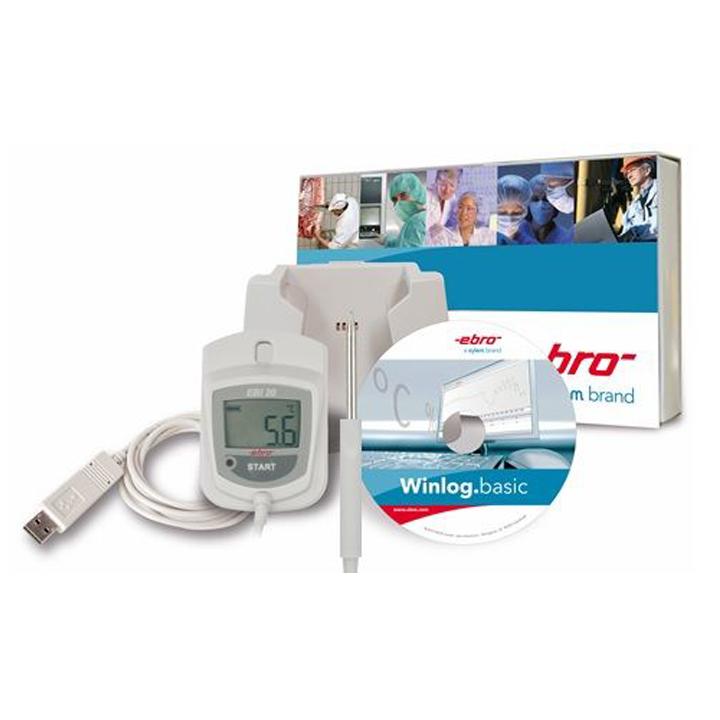 Temperature, Humidity, and Pressure Measuring Instruments
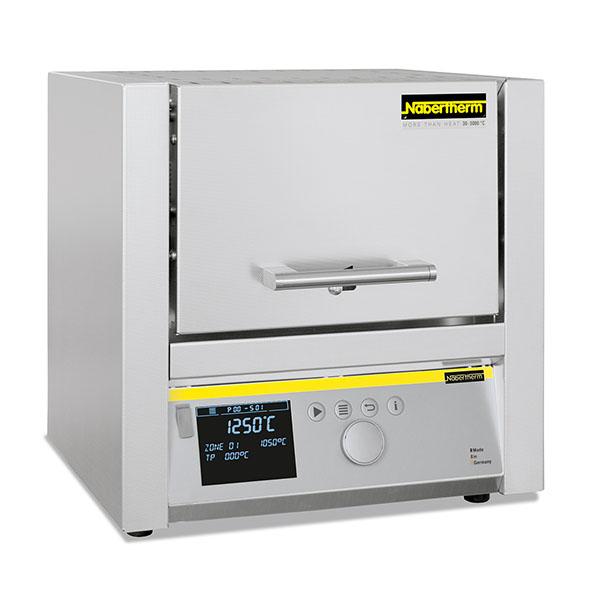 Other Basic Equipment
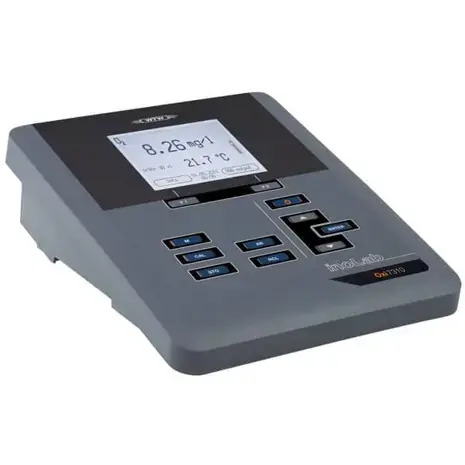 Multiparameter Water Quality Meters
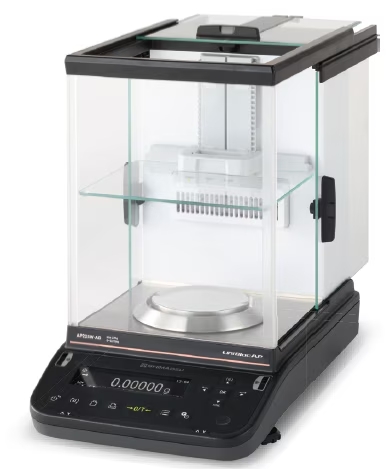 Balances
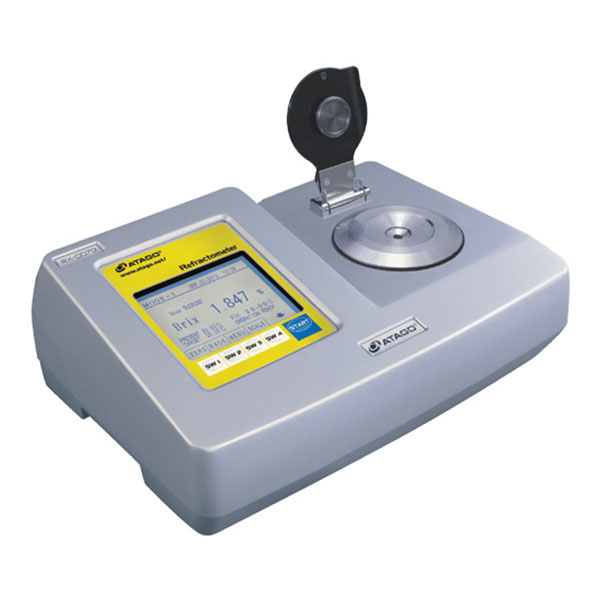 Polarimeters, Refractometers
 Autoclaves
 Biotechnology Equipment and Solutions
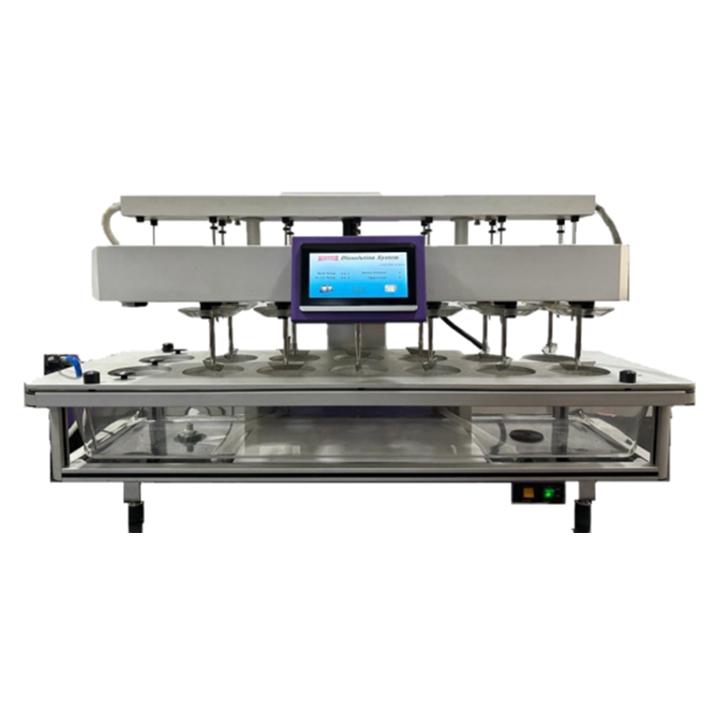 Pharmaceutical Equipment
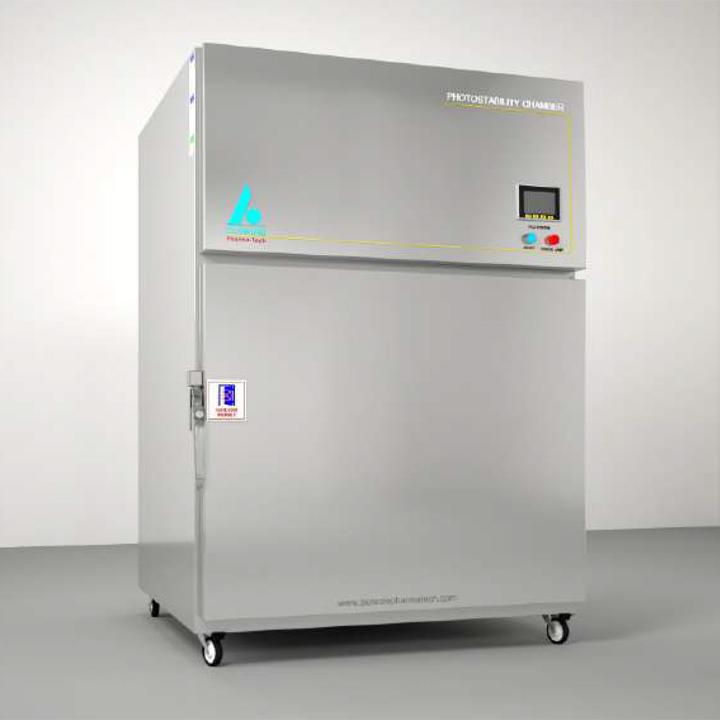 Shelf-life Testing Equipment
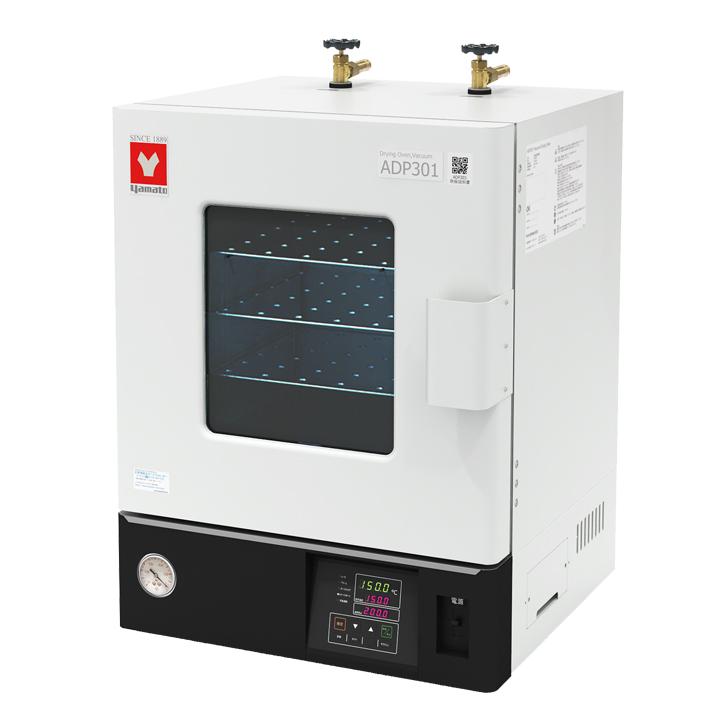 Drying Ovens
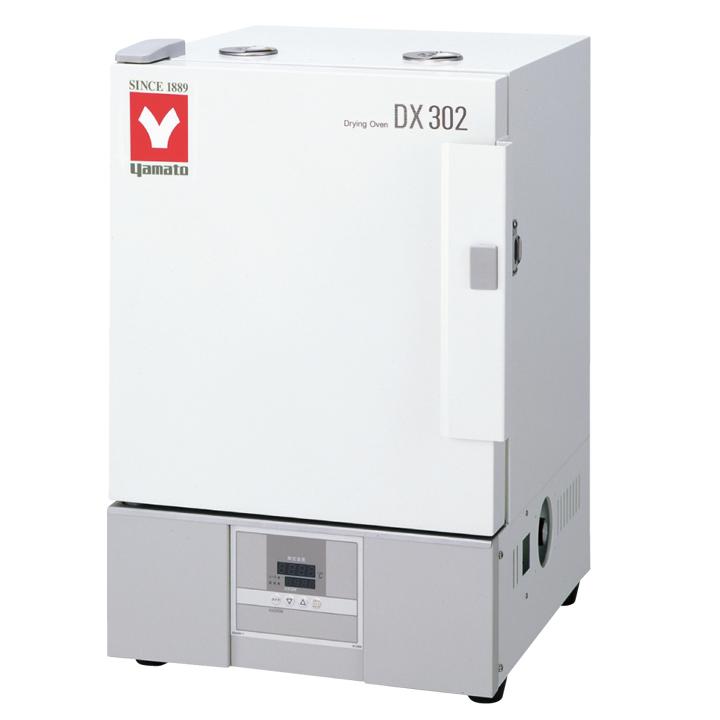 Incubators
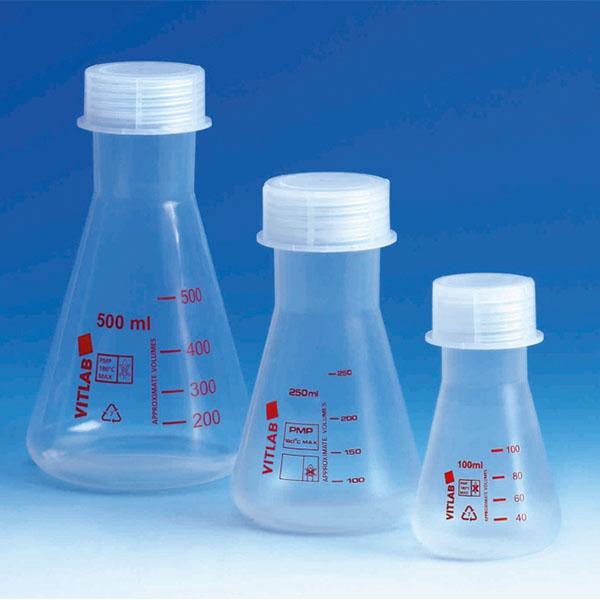 Laboratory Flasks
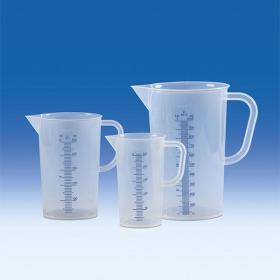 Beakers, Measuring Jugs
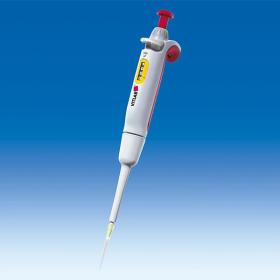 Liquid Handling Tools
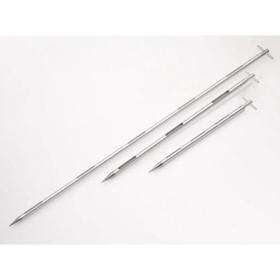 Sampling Tools
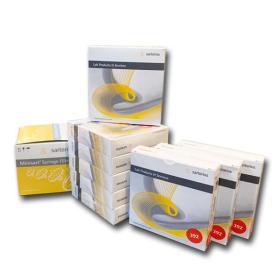 Filtration Tools and Consumables
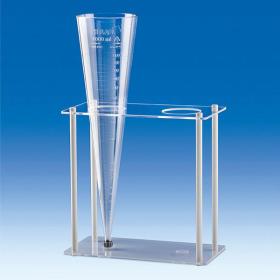 Racks and Stands
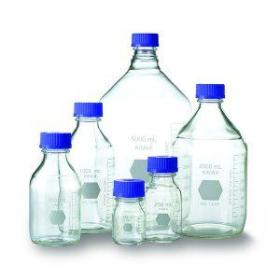 Laboratory Bottles and Vials
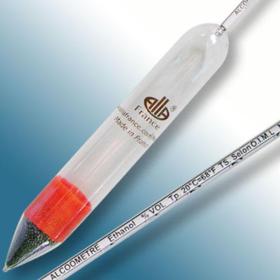 Thermometers, Hydrometers, Baumé Hydrometers, Alcoholmeters
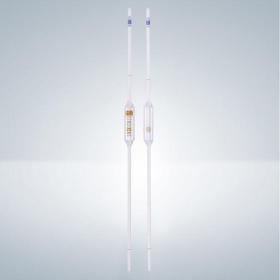 Pipettes
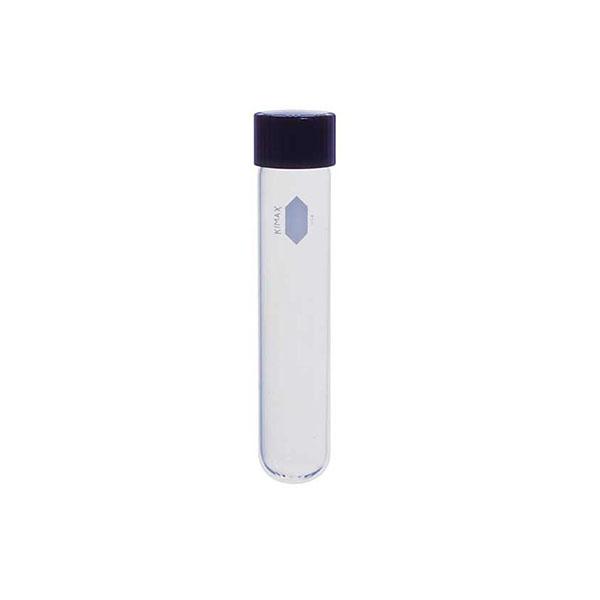 Test tubes
 Graduated cylinders
 Funnels
 Tips & tip boxes
 Homogenizer bags
 Centrifuge tubes
 Petri dishes
 Others
- Glass capillary tubes
- Glass melting point tubes
- Condensers
- Plastic weighing boats
- Glass stirring rods
- Filtration and separation equipment
- Alcohol burners
- Glass weighing bottles
- Crucibles
- Crucible tongs
- Blender bag openers
- BagClip sealing clips
- Autoclave deodorant capsules
- Magnetic stir bars
- Test tube brushes
- Glass watch glasses
- Glass beads
- Glass wool
- Glass slides
- Plastic buckets
- Stainless steel bucket
- Rubber bulb
- Inoculation loop
- Sampling rod
- Plastic spoon
- Stainless steel spoon
- Plastic tweezers
- Glass burette
- Glass slide
- Glass filter crucible

Glass test tube

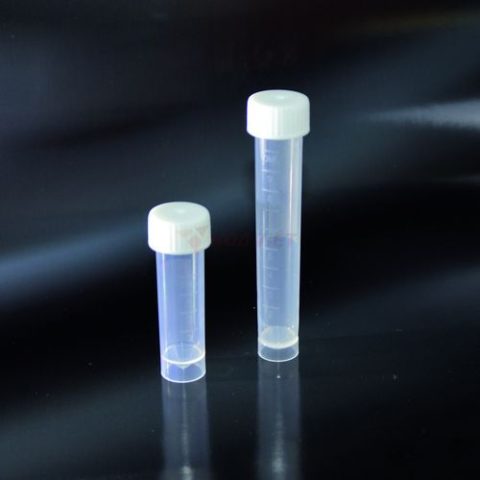
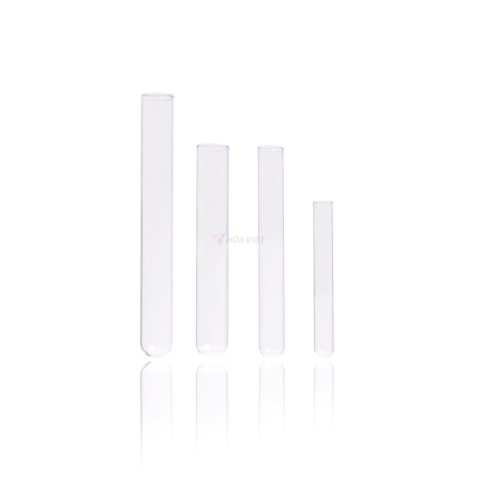
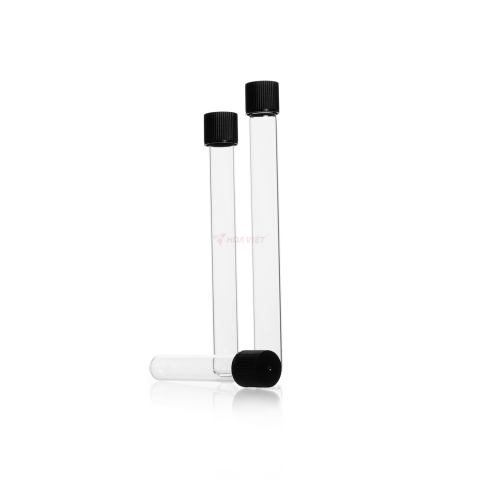
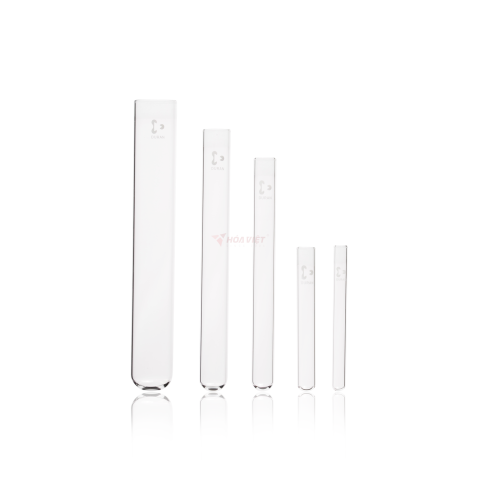
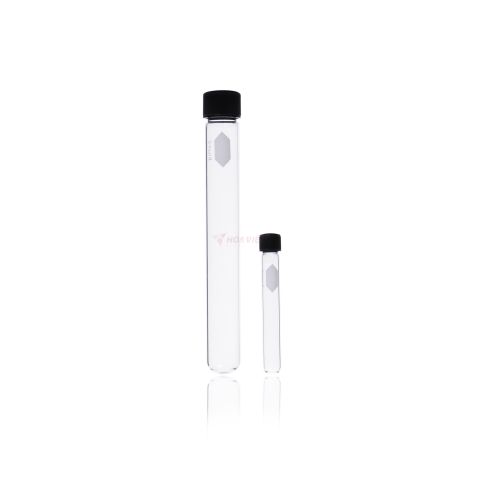
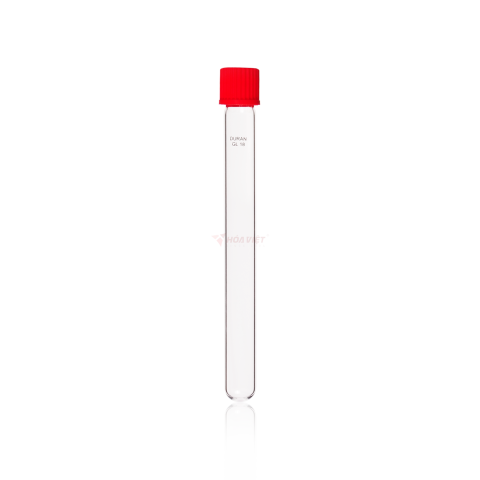
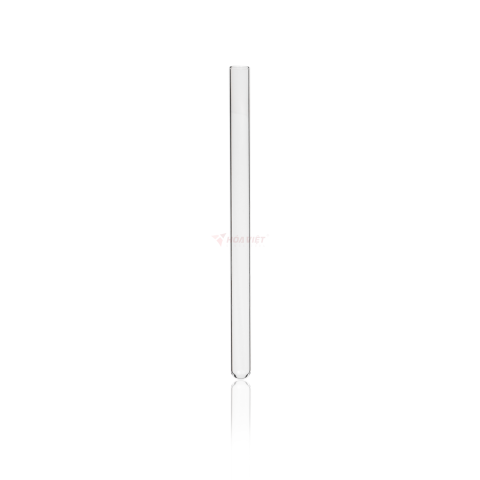
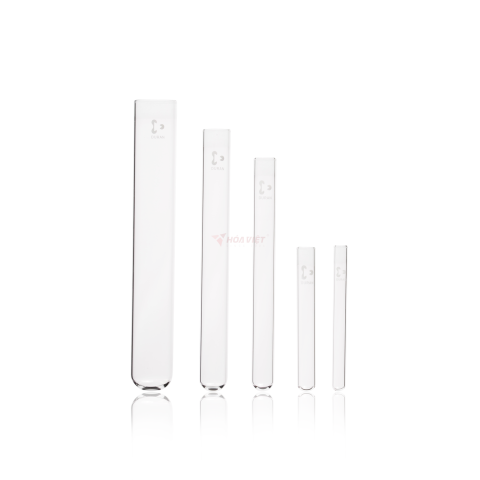
Introduction to Glass test tube
Glass test tubes are round-bottom cylindrical sample containers used in laboratories to carry out chemical reactions, microbial culture, heating, and test sample analysis. Depending on test requirements, users can choose heat-resistant borosilicate glass or disposable soda-lime glass.
When selecting glass test tubes, laboratories need to consider the rim style, including rimmed, rimless, or screw-thread caps such as GL14 and GL18. Test tube sizes are highly diverse, ranging from small sizes like 6 x 50 mm, 8 x 70 mm (2 ml), and 10 x 75 mm (4 ml) to large sizes like 20 x 180 mm (40 ml) or 25 x 150 mm. Hoa Viet distributes reusable and disposable glass test tube lines from Assistent (Germany), Duran (Germany), and Kimble-DWK (USA).
When should rimmed and rimless test tubes be chosen?
Rimmed test tubes facilitate handling and liquid pouring, and are easy to secure in racks or with laboratory clamps. Conversely, the rimless type is typically suitable when tighter rubber stopper sealing is required or for placement in centrifuge and shaker racks.
What materials are available for glass test tubes at Hoa Viet?
The portfolio currently includes products manufactured from heat-resistant borosilicate glass suitable for reuse, and soda-lime glass dedicated to disposable culture.
Which brands of glass test tubes does Hoa Viet currently supply?
Hoa Viet distributes glass test tubes from brands including Assistent (Germany), Duran (Germany), and Kimble-DWK (USA) with a full range of specifications: rimmed, rimless, and screw-capped.
How should caps be chosen for culture tubes?
Users should choose according to the tube's thread size, such as standard thread GL14 or GL18, optionally with rubber liners to ensure leak-tight sealing for biological samples.
