



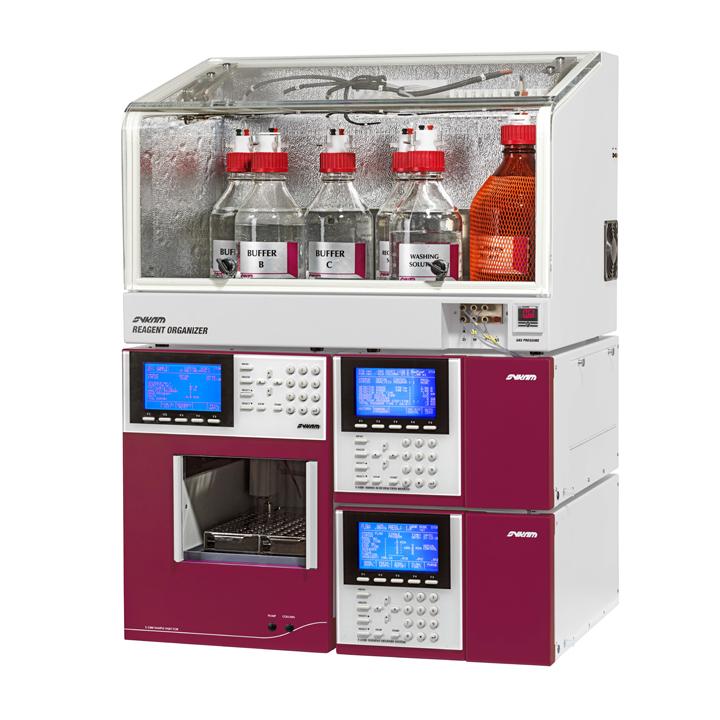
 Analytical Equipment
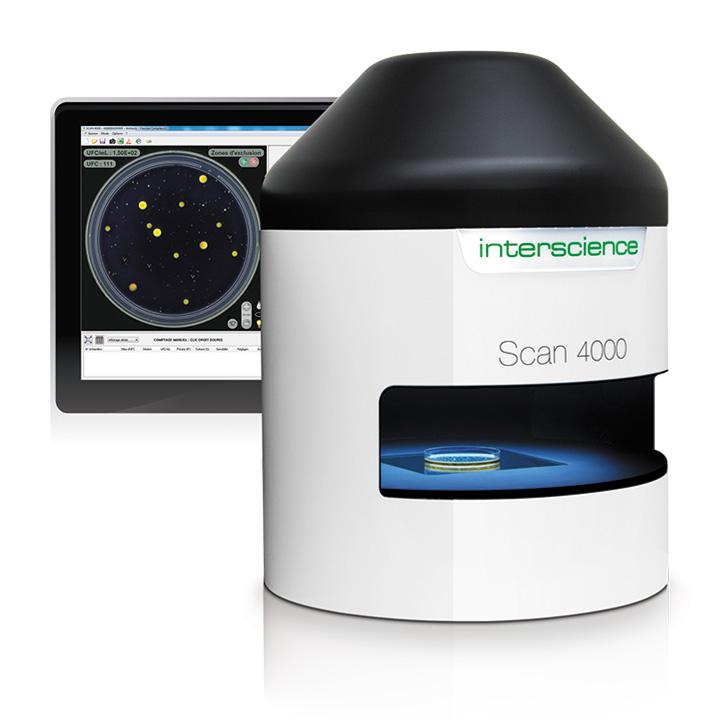 Microbiology Equipment
- Gravimetric Diluters and Sample Weighing Systems
- Mediaprep Automated Media Preparators
- Mediafill Automated Media Distributors
- Manual Media Dispensers
- Lab Blenders / Homogenizers
- Automated Spiral Platers
- Manual Colony Counters
- Automated Colony Counters
- Inhibition Zone Readers
- Automated Incubators and Colony Counters
- Biosafety Cabinets
- Laminar Flow Hoods
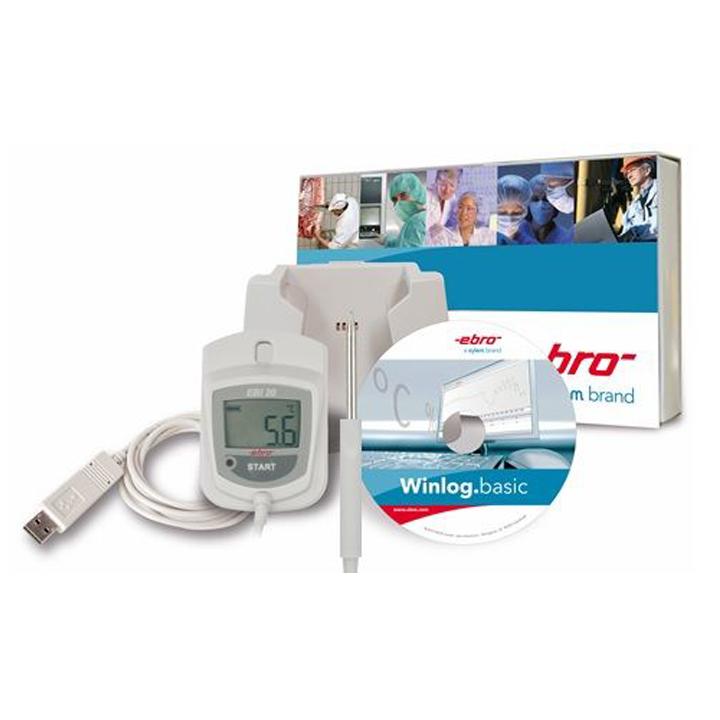 Temperature, Humidity, and Pressure Measuring Instruments
 Other Basic Equipment
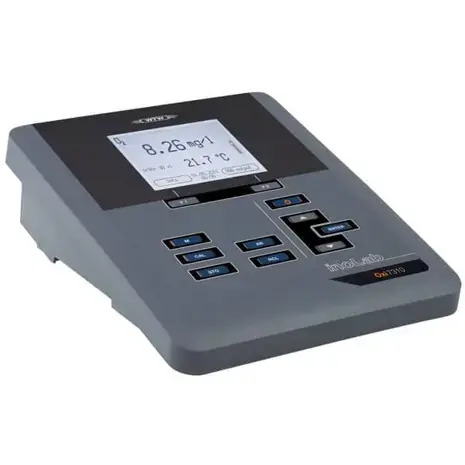 Multiparameter Water Quality Meters
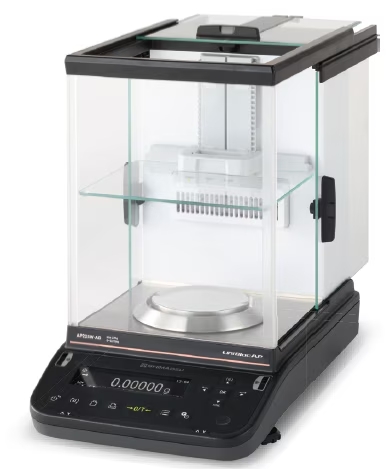 Balances
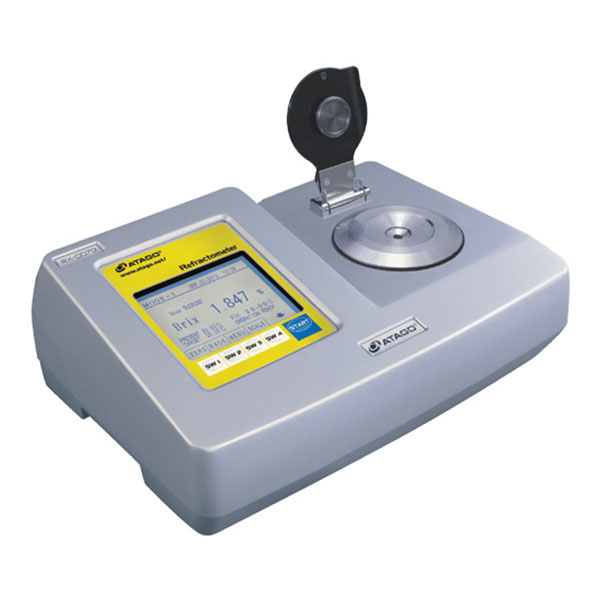 Polarimeters, Refractometers
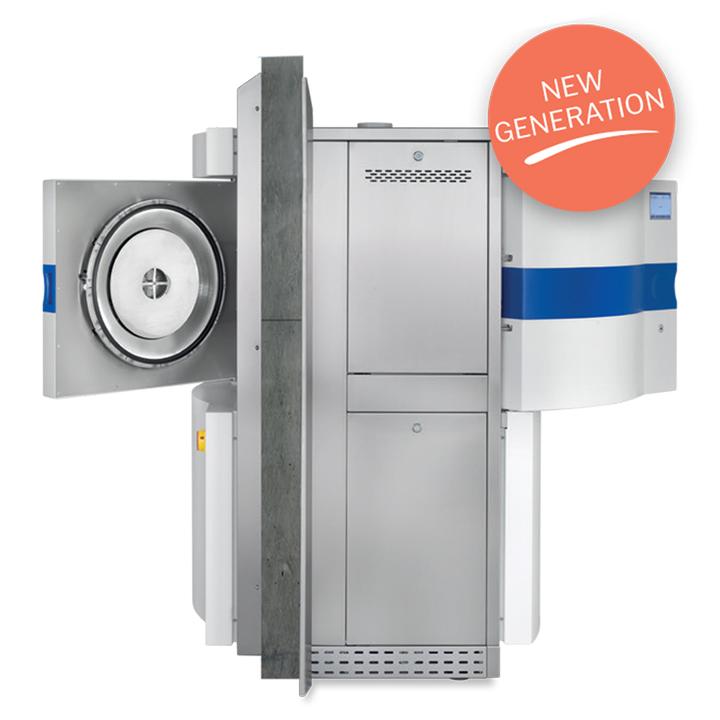 Autoclaves
 Biotechnology Equipment and Solutions
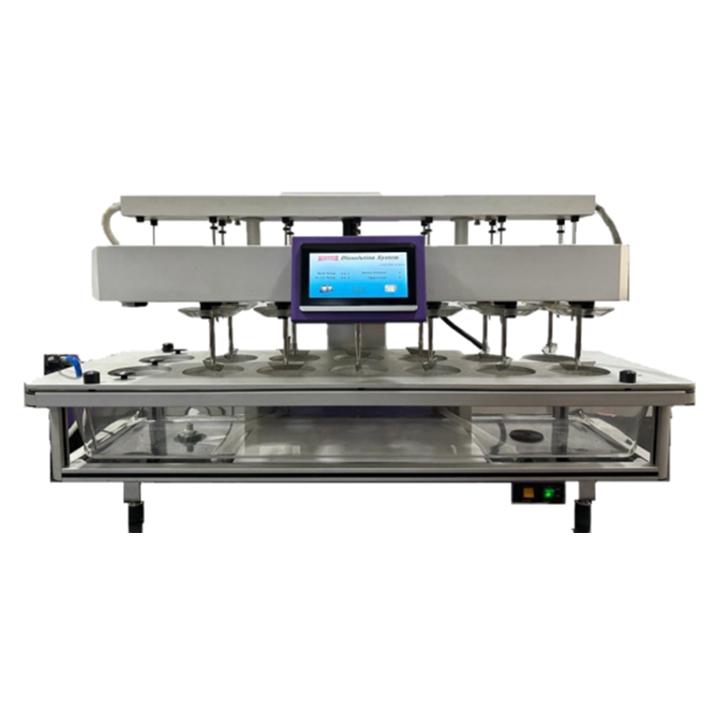 Pharmaceutical Equipment
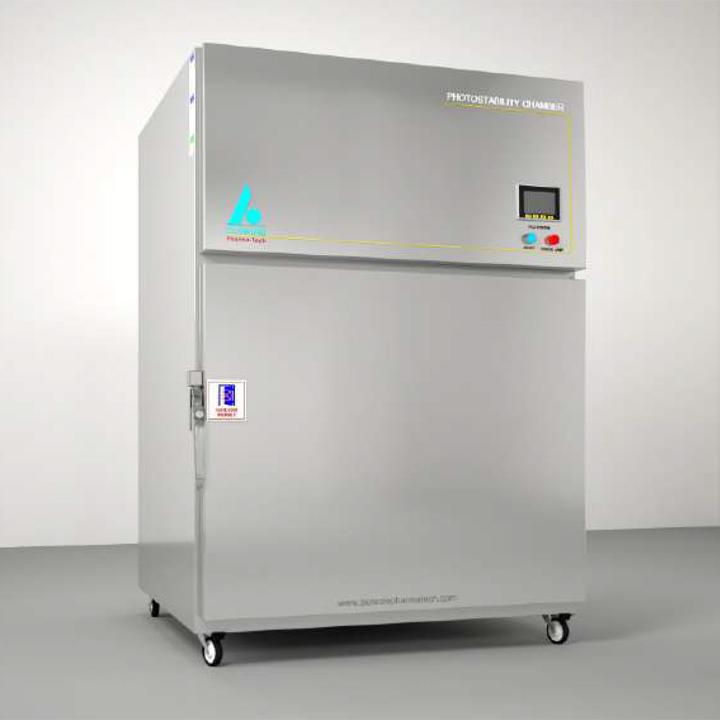 Shelf-life Testing Equipment
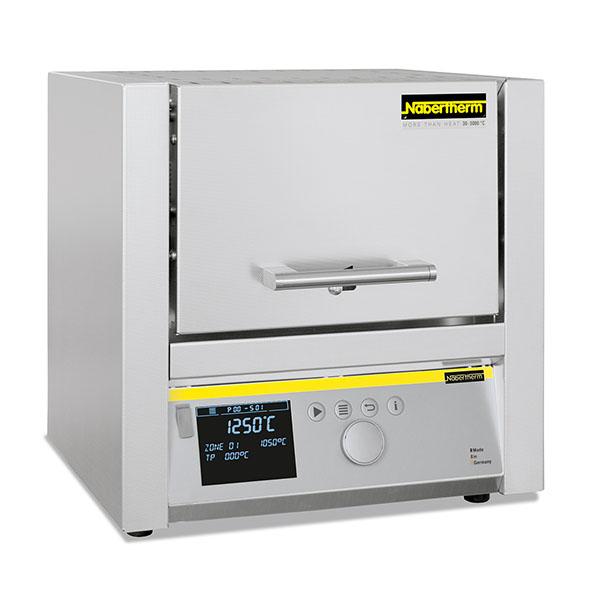
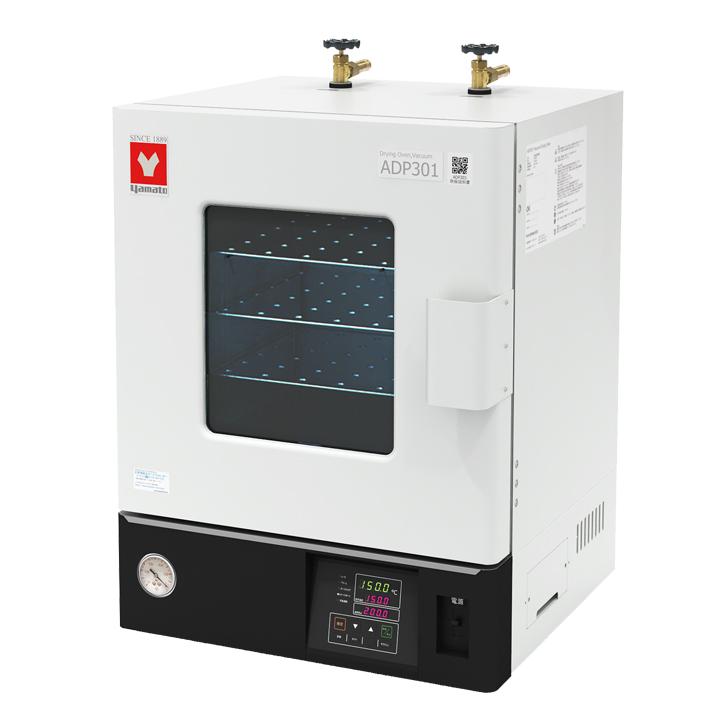 Drying Ovens
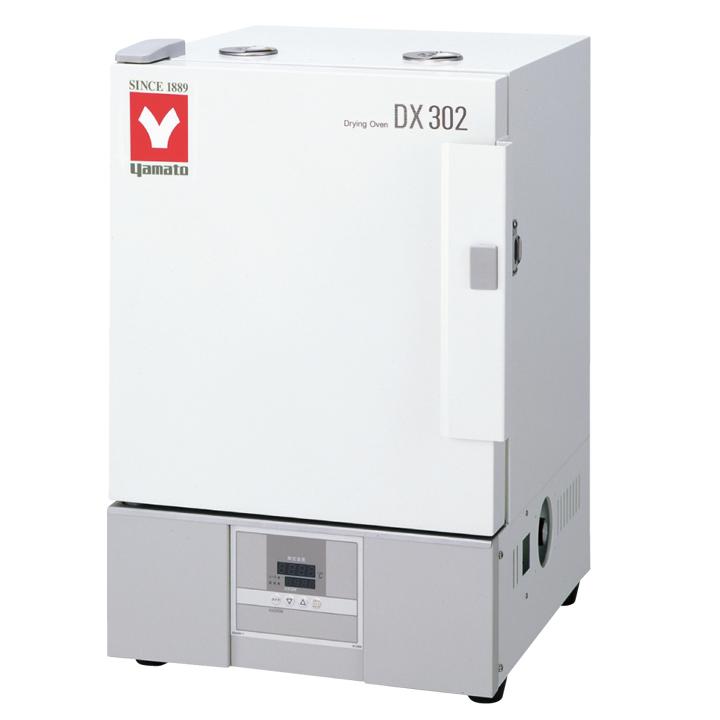 Incubators
 Laboratory Flasks
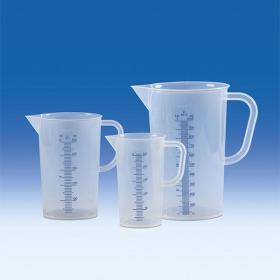 Beakers, Measuring Jugs
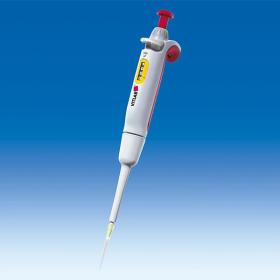 Liquid Handling Tools
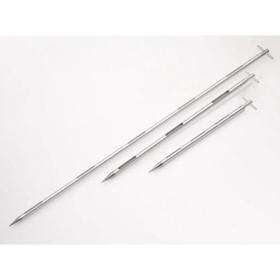 Sampling Tools
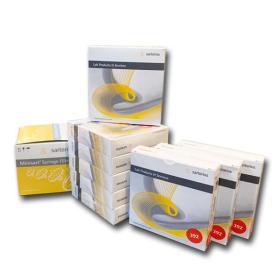 Filtration Tools and Consumables
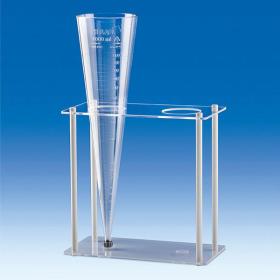 Racks and Stands
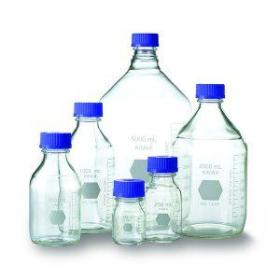 Laboratory Bottles and Vials
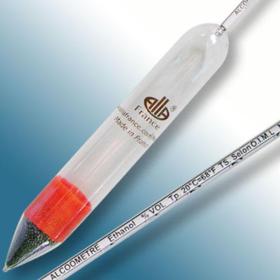 Thermometers, Hydrometers, Baumé Hydrometers, Alcoholmeters
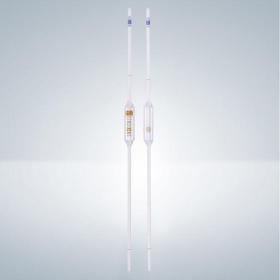 Pipettes
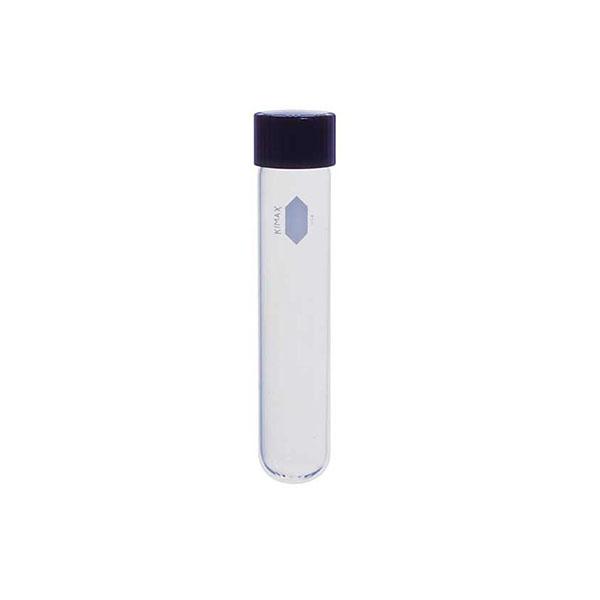 Test tubes
 Graduated cylinders
 Funnels
 Tips & tip boxes
 Homogenizer bags
 Centrifuge tubes
 Petri dishes
 Others
- Glass capillary tubes
- Glass melting point tubes
- Condensers
- Plastic weighing boats
- Glass stirring rods
- Filtration and separation equipment
- Alcohol burners
- Glass weighing bottles
- Crucibles
- Crucible tongs
- Blender bag openers
- BagClip sealing clips
- Autoclave deodorant capsules
- Magnetic stir bars
- Test tube brushes
- Glass watch glasses
- Glass beads
- Glass wool
- Glass slides
- Plastic buckets
- Stainless steel bucket
- Rubber bulb
- Inoculation loop
- Sampling rod
- Plastic spoon
- Stainless steel spoon
- Plastic tweezers
- Glass burette
- Glass slide
- Glass filter crucible


Incubators
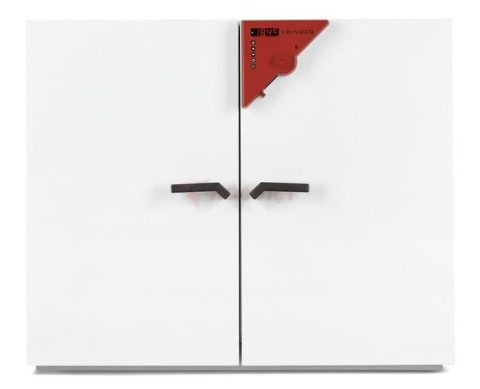
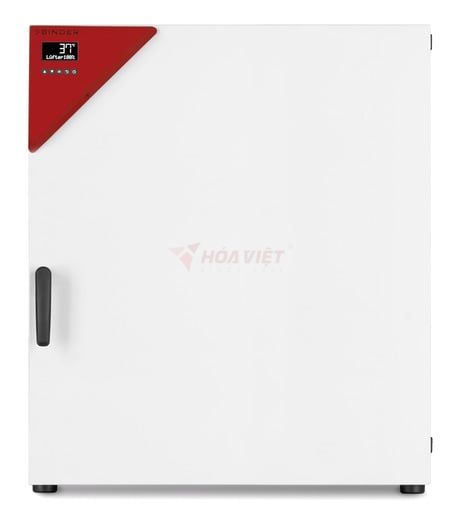
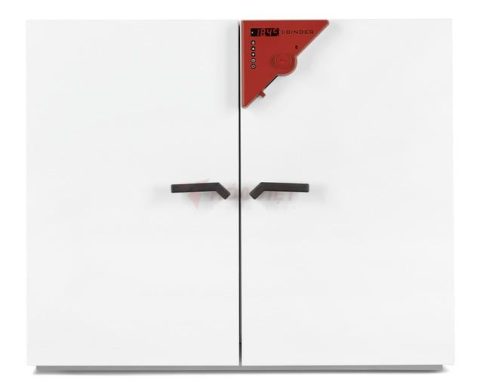
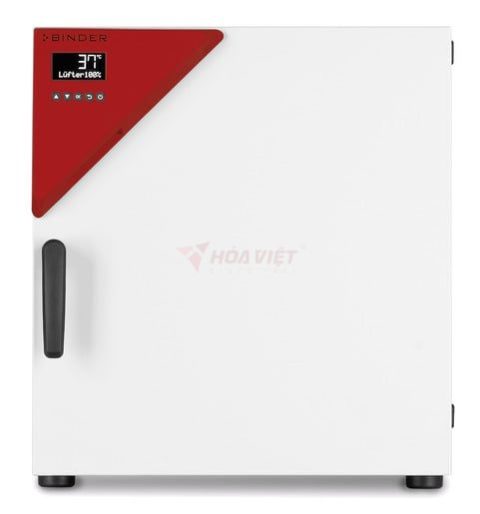
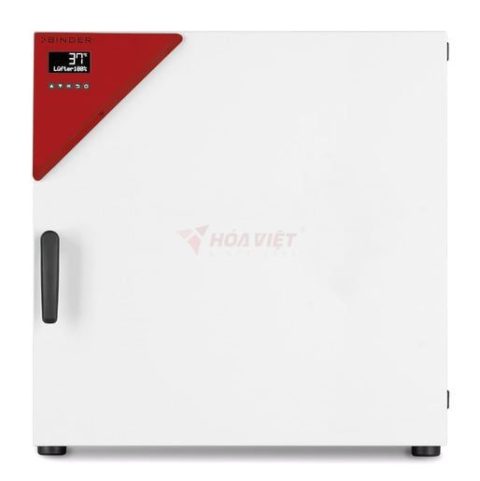
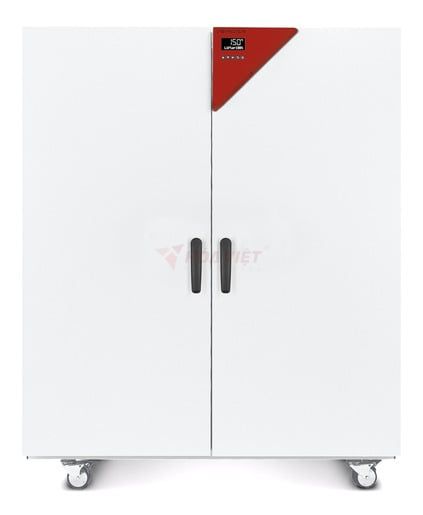
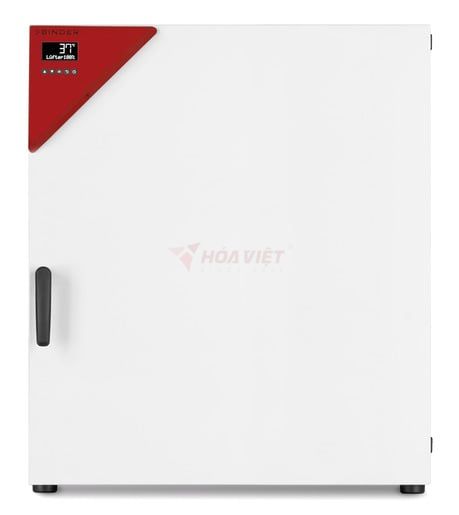
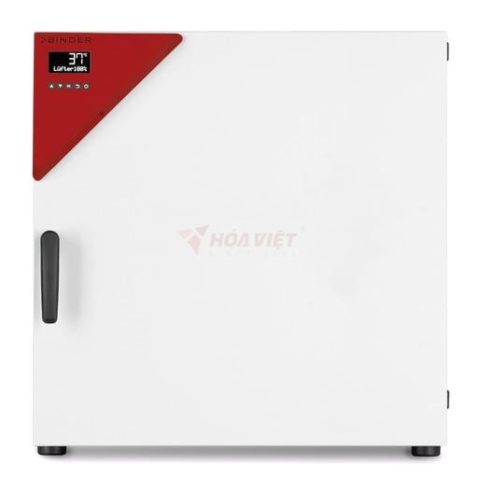
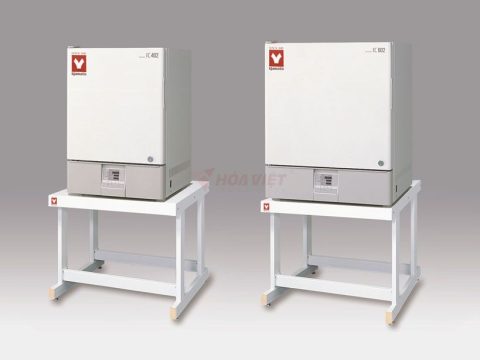
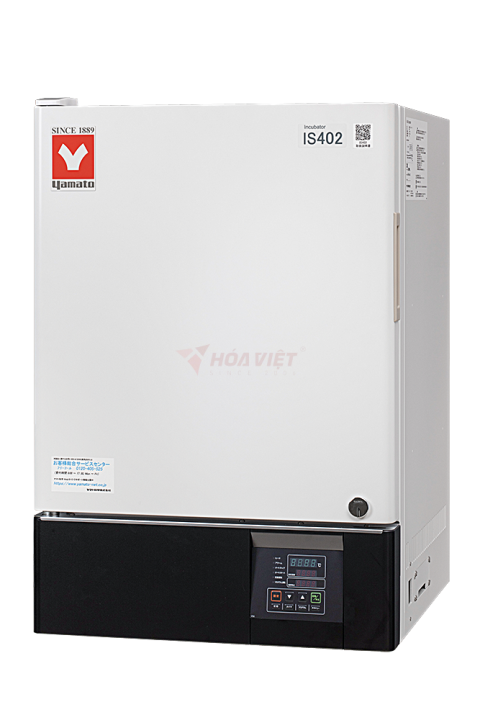
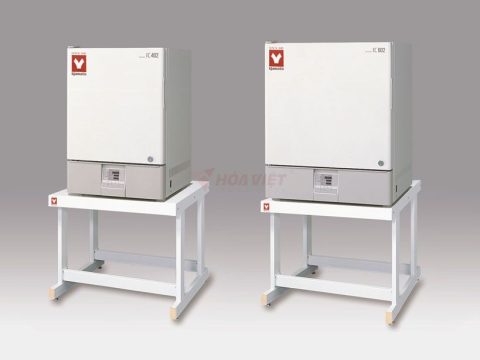
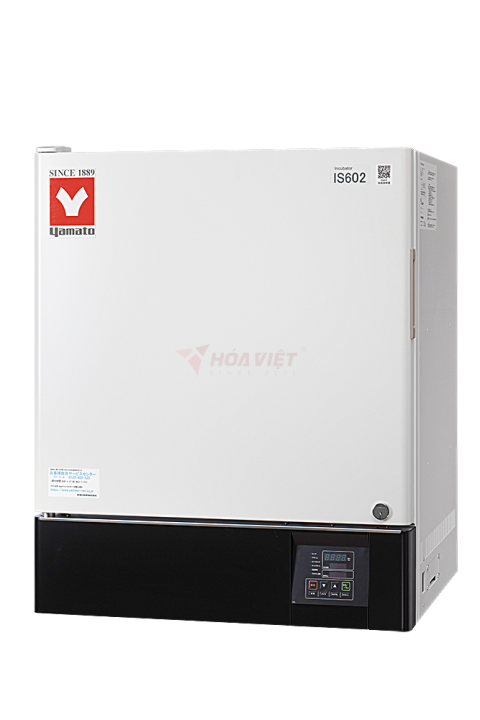
Introduction to Incubators
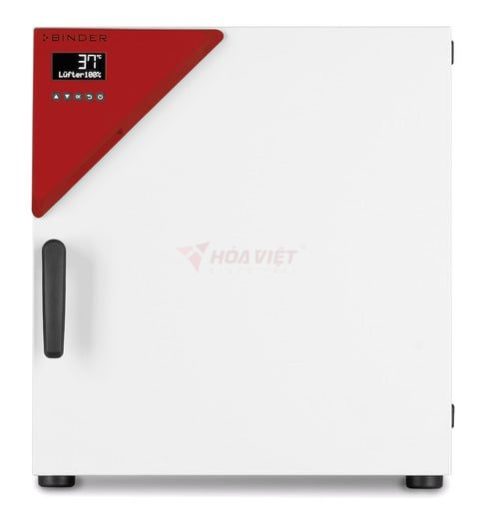
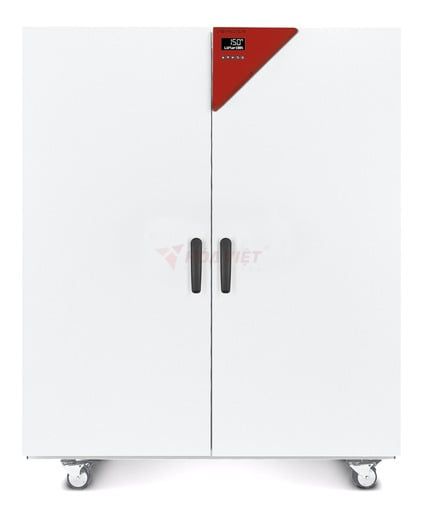
Incubators are laboratory equipment used to control stable temperatures for culturing microorganisms and cells, and conditioning temperature-sensitive media. The equipment plays an essential role in microbiology testing, biotechnology, and scientific research laboratories.
When choosing an incubator, users need to consider the air convection mechanism between natural convection and forced convection. Natural convection protects sensitive samples and minimizes sample drying, while forced convection is effective for high-throughput sample processing or fully loaded chamber conditions. Additionally, buyers can consider models with cycle programming features or an air jacket design to optimize temperature uniformity. Currently, Hoa Viet supplies genuine incubators from Binder (Germany) and Yamato (Japan).
When should natural convection incubators be chosen and when forced convection?
Natural convection incubators are suitable for microorganisms and cells sensitive to air drafts to minimize drying out sample media. Meanwhile, forced convection incubators are ideal for batch sample processing applications or fully loaded chambers thanks to fast and uniform heat distribution.
Which incubator brands does Hoa Viet currently supply?
Hoa Viet distributes laboratory incubator lines from two brands: Binder (Germany) and Yamato (Japan).
What is the purpose of the cycle programming function on incubators?
This function allows users to pre-set operating programs with multiple temperature and time steps in cycles. This feature supports automated incubation without the need for repeated manual intervention.
What should be noted when arranging samples inside the incubator chamber?
Operators should space samples appropriately and avoid placing them too close to the chamber walls. This facilitates airflow circulation, ensuring uniform temperature distribution to each sample position.
