


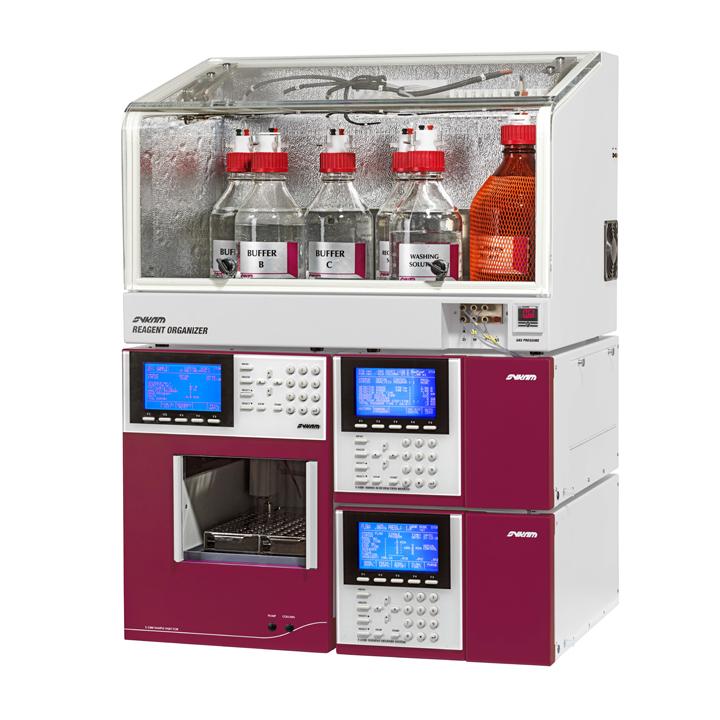
 Analytical Equipment
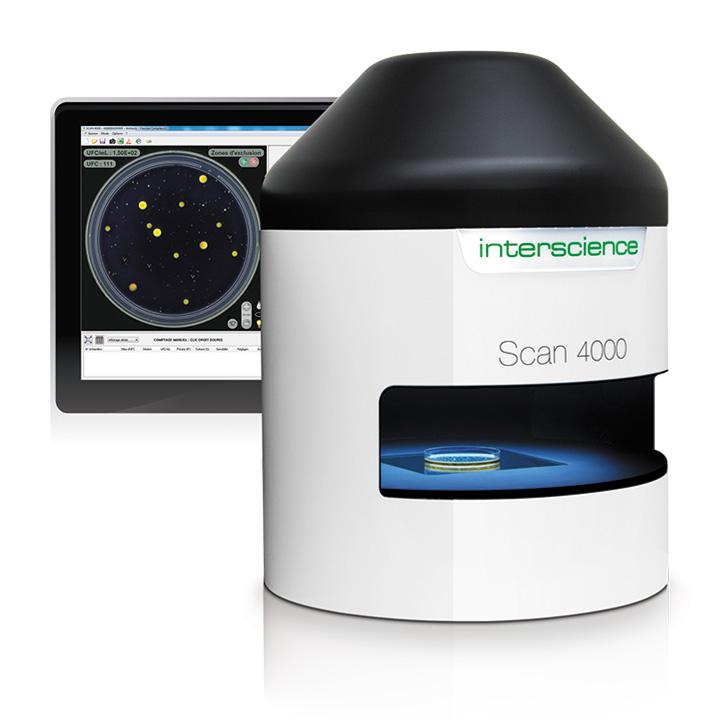 Microbiology Equipment
- Gravimetric Diluters and Sample Weighing Systems
- Mediaprep Automated Media Preparators
- Mediafill Automated Media Distributors
- Manual Media Dispensers
- Lab Blenders / Homogenizers
- Automated Spiral Platers
- Manual Colony Counters
- Automated Colony Counters
- Inhibition Zone Readers
- Automated Incubators and Colony Counters
- Biosafety Cabinets
- Laminar Flow Hoods
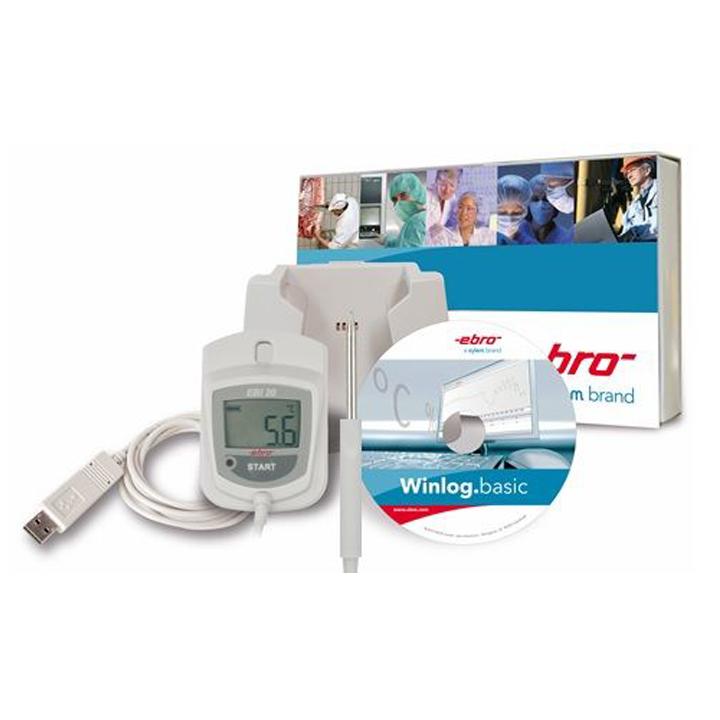 Temperature, Humidity, and Pressure Measuring Instruments
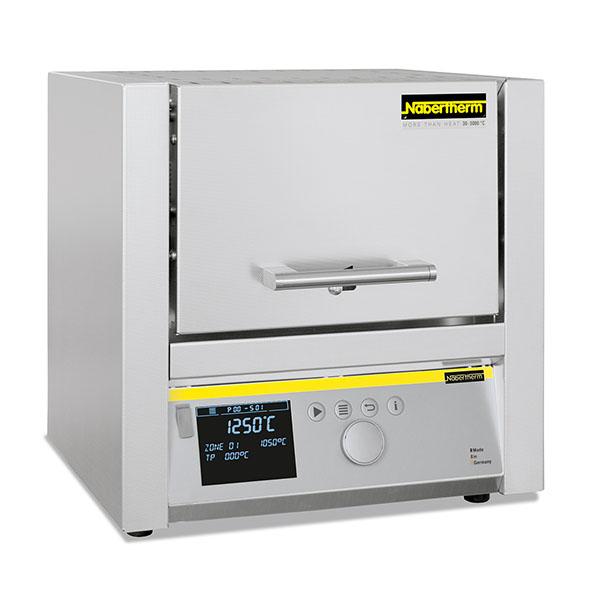 Other Basic Equipment
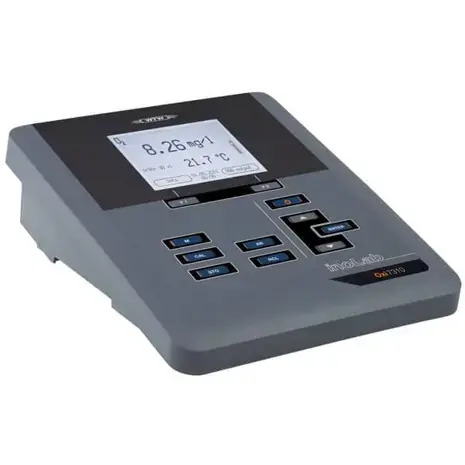 Multiparameter Water Quality Meters
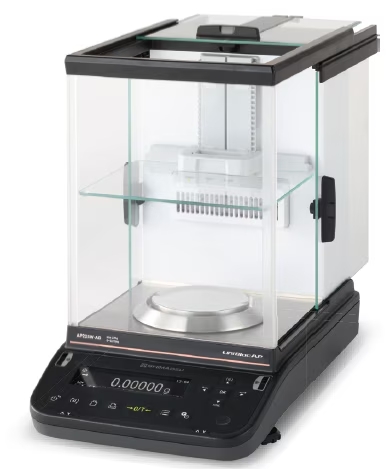 Balances
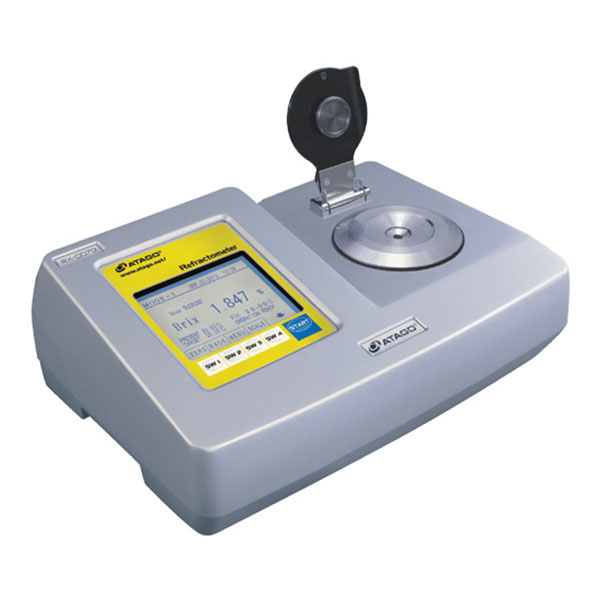 Polarimeters, Refractometers
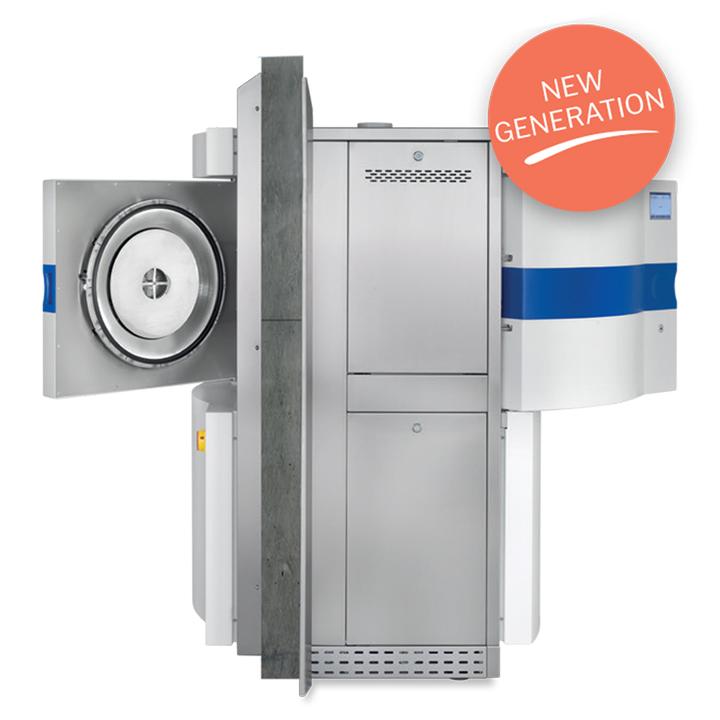 Autoclaves
 Biotechnology Equipment and Solutions
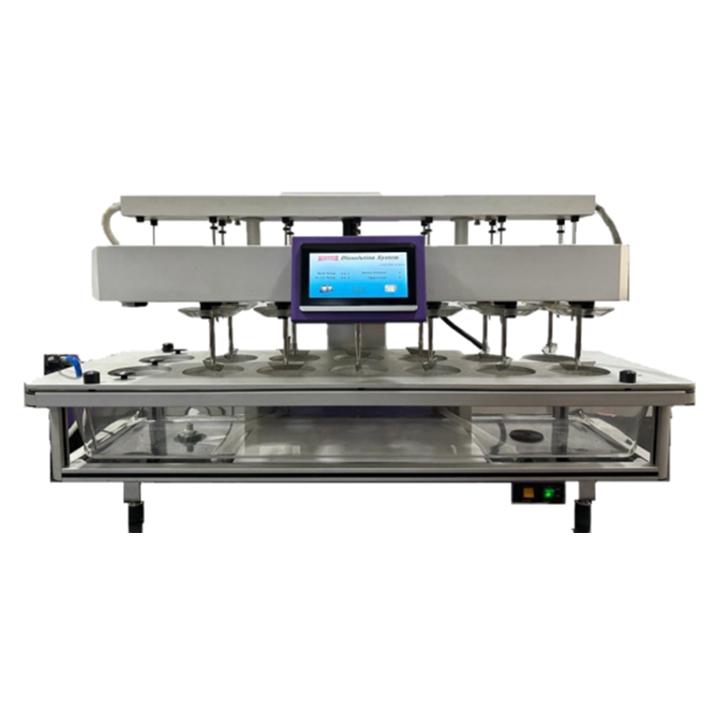 Pharmaceutical Equipment
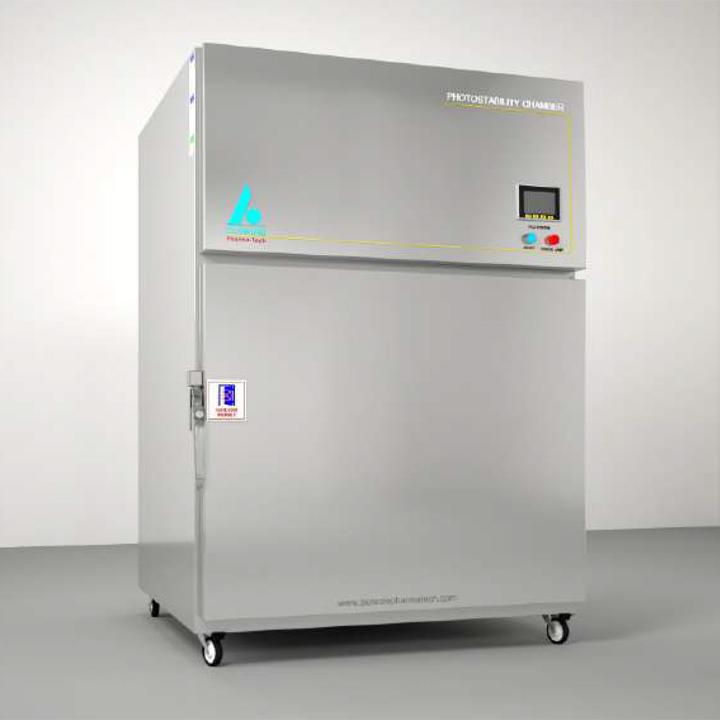 Shelf-life Testing Equipment
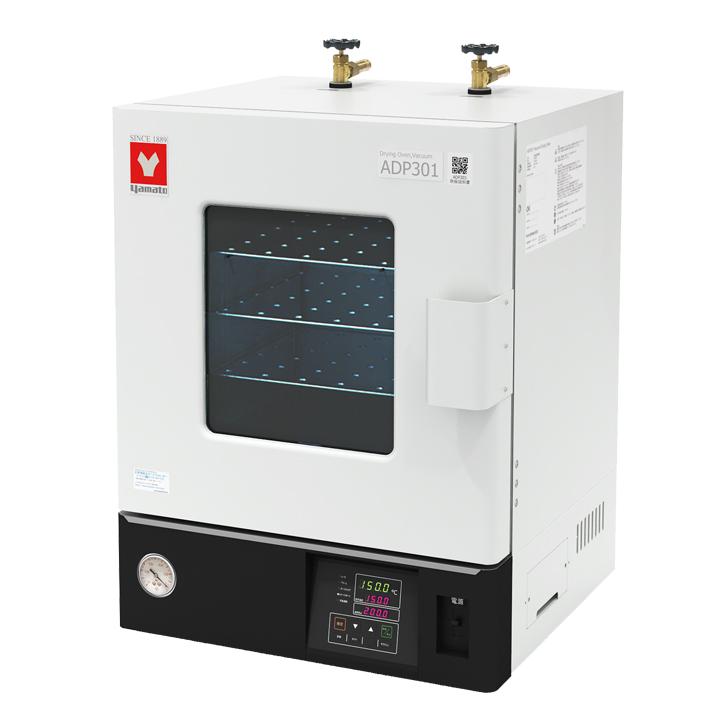 Drying Ovens
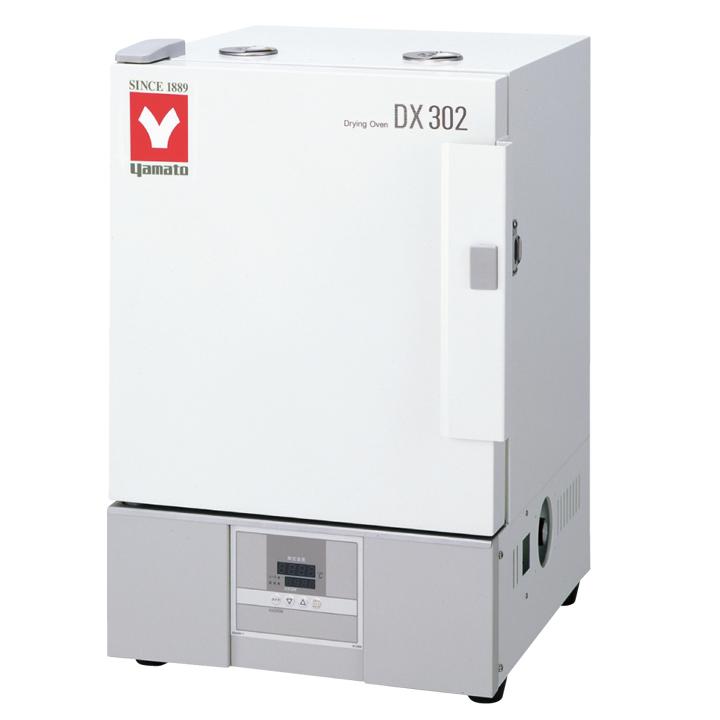 Incubators
 Laboratory Flasks
 Beakers, Measuring Jugs
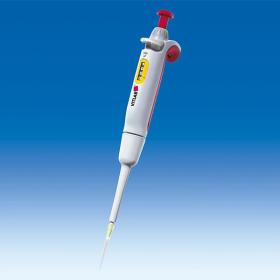 Liquid Handling Tools
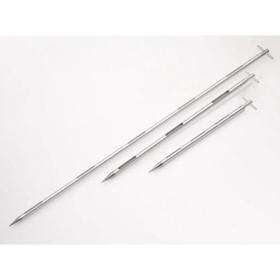 Sampling Tools
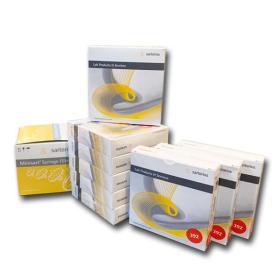 Filtration Tools and Consumables
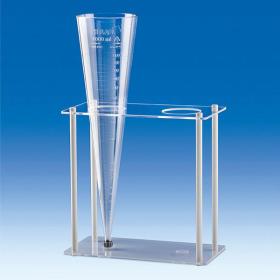 Racks and Stands
 Laboratory Bottles and Vials
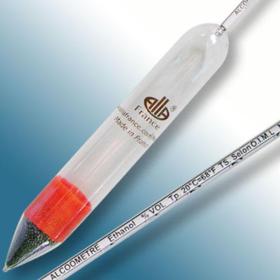 Thermometers, Hydrometers, Baumé Hydrometers, Alcoholmeters
 Pipettes
 Test tubes
 Graduated cylinders
 Funnels
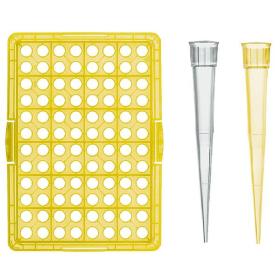 Tips & tip boxes
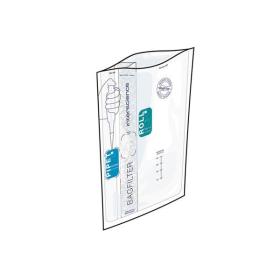 Homogenizer bags
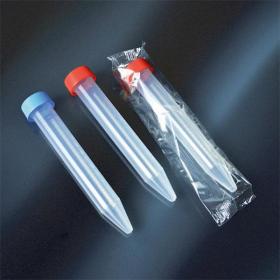 Centrifuge tubes
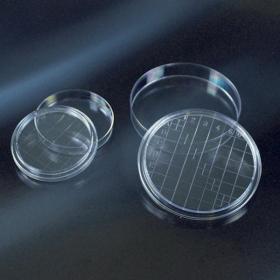 Petri dishes
 Others
- Glass capillary tubes
- Glass melting point tubes
- Condensers
- Plastic weighing boats
- Glass stirring rods
- Filtration and separation equipment
- Alcohol burners
- Glass weighing bottles
- Crucibles
- Crucible tongs
- Blender bag openers
- BagClip sealing clips
- Autoclave deodorant capsules
- Magnetic stir bars
- Test tube brushes
- Glass watch glasses
- Glass beads
- Glass wool
- Glass slides
- Plastic buckets
- Stainless steel bucket
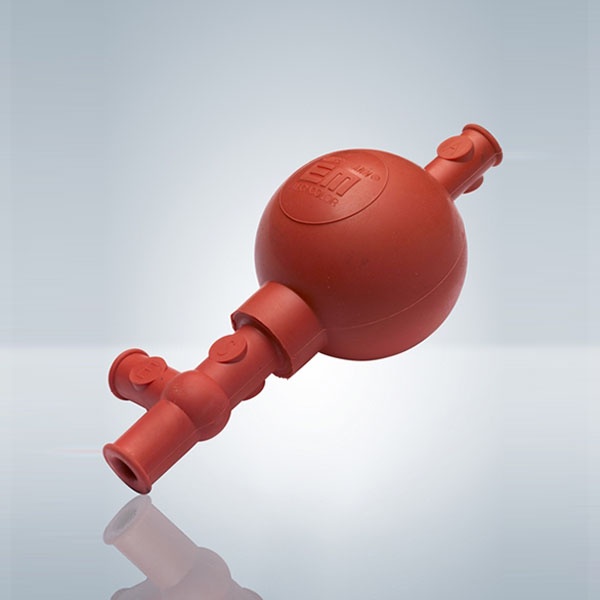
- Rubber bulb
- Inoculation loop
- Sampling rod
- Plastic spoon
- Stainless steel spoon
- Plastic tweezers
- Glass burette
- Glass slide
- Glass filter crucible


Manual Colony Counters
- Gravimetric Diluters and Sample Weighing Systems
- Mediaprep Automated Media Preparators
- Mediafill Automated Media Distributors
- Manual Media Dispensers
- Lab Blenders / Homogenizers
- Automated Spiral Platers
- Manual Colony Counters
- Automated Colony Counters
- Inhibition Zone Readers
- Automated Incubators and Colony Counters
- Biosafety Cabinets
- Laminar Flow Hoods
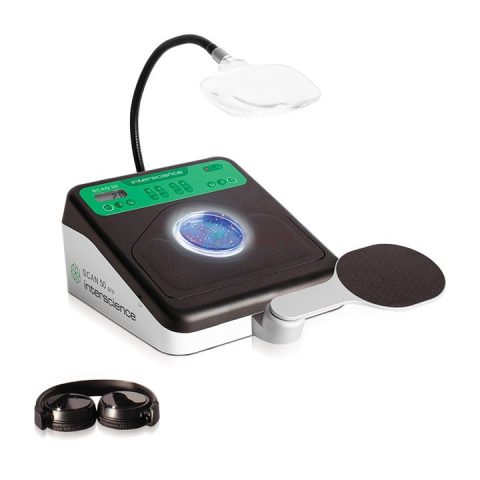
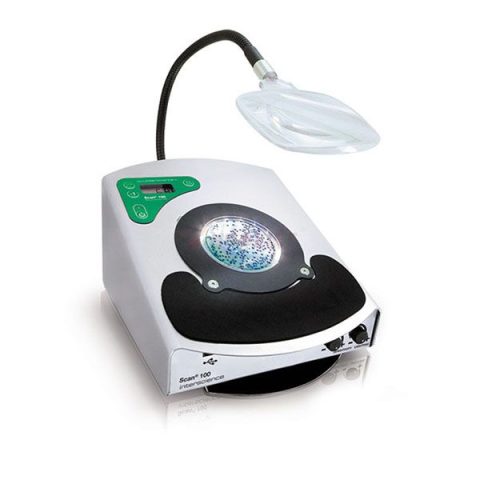
Introduction to Manual Colony Counters
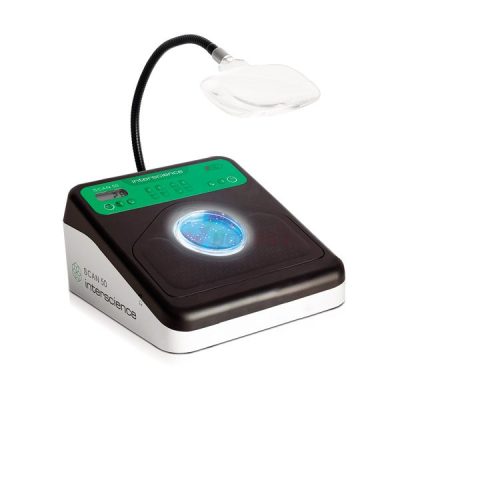
A manual colony counter is a microbiology device used to assist analysts in visually and accurately determining the number of colonies growing on Petri dishes via manual touch counting. This device optimizes observation thanks to an optimal lighting system and a convenient working surface, suitable for routine quantitative microbiological analyses.
When purchasing a manual colony counter, testing laboratories should prioritize ergonomic design criteria to reduce eye fatigue and musculoskeletal disorders during prolonged use. In addition, the ability to provide clear contrast lighting for distinguishing colonies is a key technical factor. Currently, Hoa Viet supplies the Scan manual colony counter series from Interscience (France), delivering an efficient and durable solution for laboratory technicians.
What is the operating principle of a manual colony counter?
The device operates based on a pressure-sensitive mechanism: when the user touches a colony on the culture plate with a specialized pen, each touch triggers an audible signal or indicator light, and the counter automatically increments. The sub-stage backlighting system enhances contrast, allowing easy visual colony detection with the naked eye.
What does the ergonomic design of a colony counter mean for the analyst?
The ergonomic design provides a comfortable sitting posture and arm position, reducing strain on the operator's wrists, arms, and eyes. This minimizes musculoskeletal disorders when technicians perform continuous microbial counting for long hours.
Which brand of manual colony counter does Hoa Viet supply?
Hoa Viet currently supplies manual colony counters from Interscience (France), prominently featuring the Scan50 product line. Customers can contact Hoa Viet for detailed information and technical support on this product line.
What should be noted when maintaining and cleaning manual colony counters?
After finishing work, disconnect the power supply and use a soft cloth moistened with a suitable disinfectant solution to wipe the counting surface and surrounding areas. Avoid liquid entering the device casing, and always place the instrument in a dry, dust-free location.
