



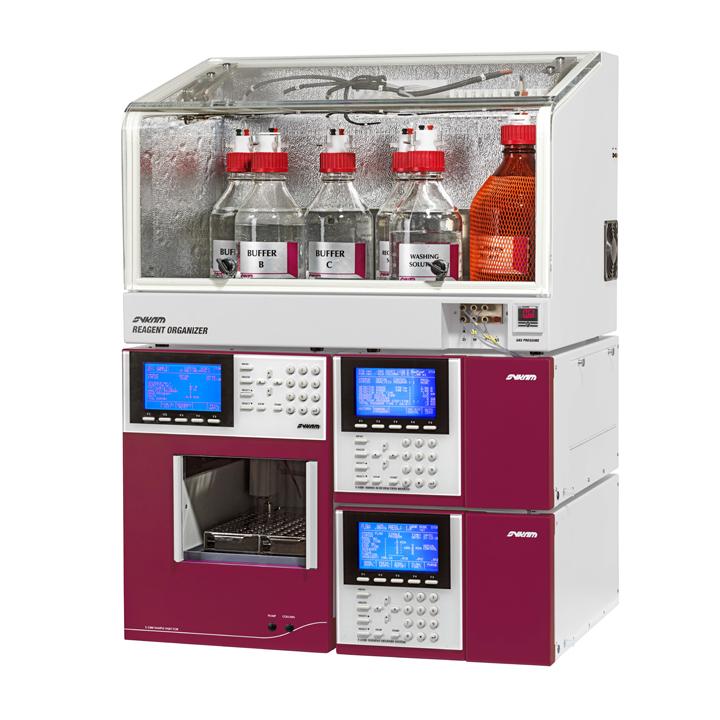
 Analytical Equipment
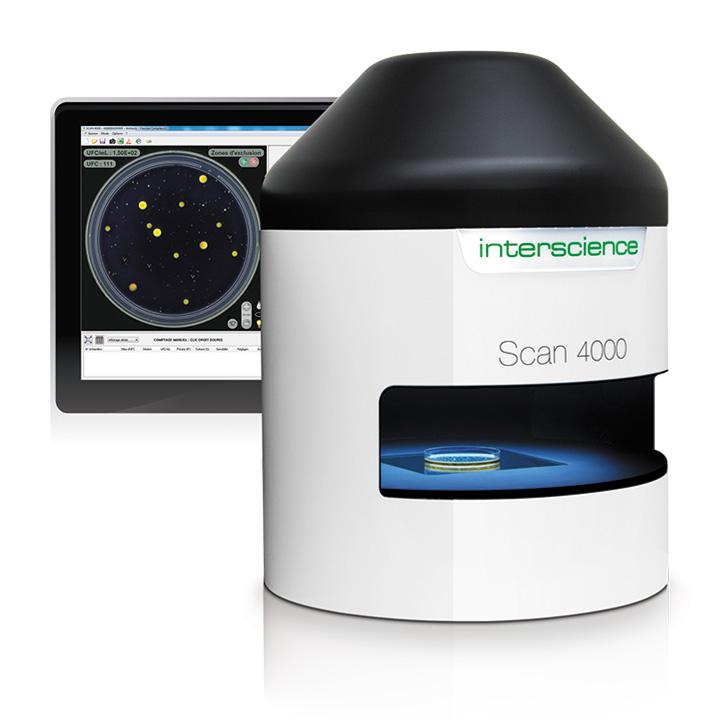 Microbiology Equipment
- Gravimetric Diluters and Sample Weighing Systems
- Mediaprep Automated Media Preparators
- Mediafill Automated Media Distributors
- Manual Media Dispensers
- Lab Blenders / Homogenizers
- Automated Spiral Platers
- Manual Colony Counters
- Automated Colony Counters
- Inhibition Zone Readers
- Automated Incubators and Colony Counters
- Biosafety Cabinets
- Laminar Flow Hoods
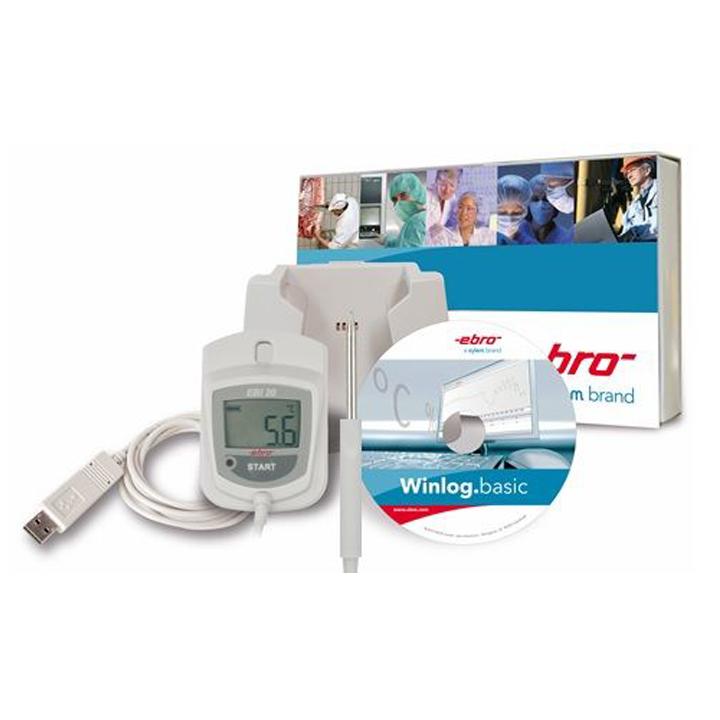 Temperature, Humidity, and Pressure Measuring Instruments
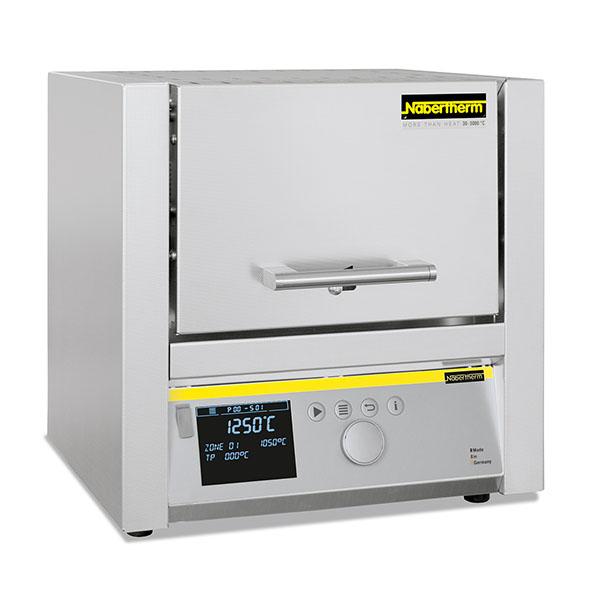 Other Basic Equipment
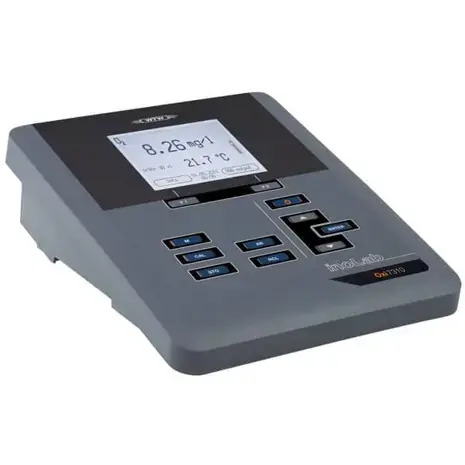 Multiparameter Water Quality Meters
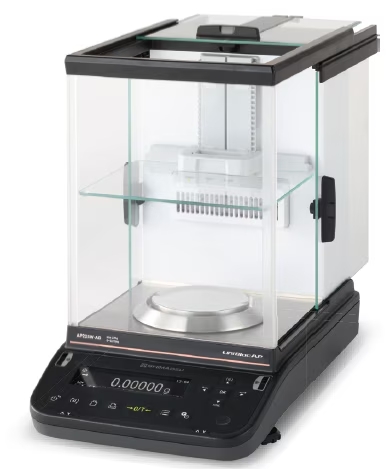 Balances
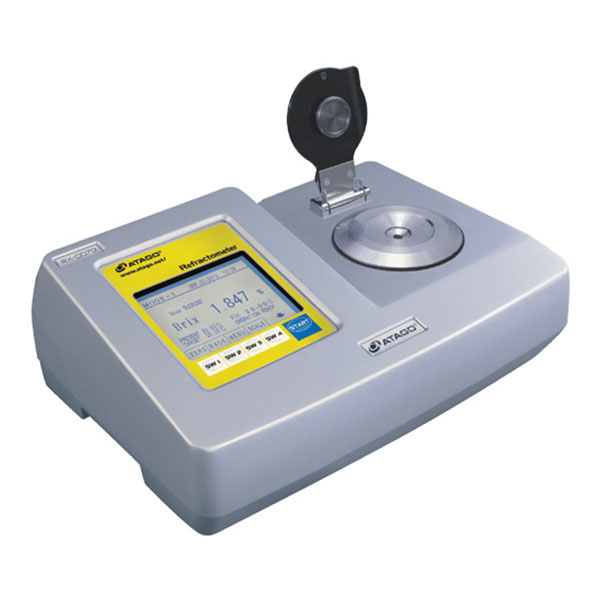 Polarimeters, Refractometers
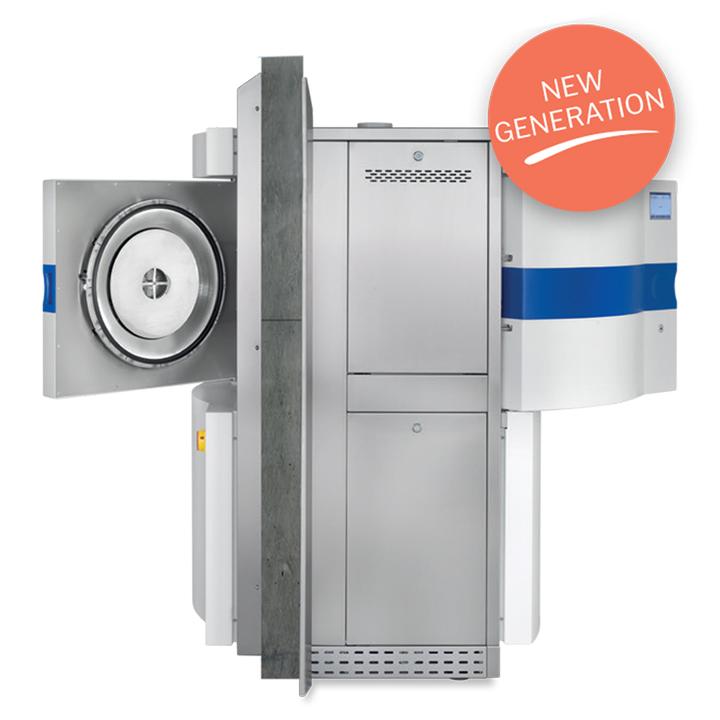 Autoclaves
 Biotechnology Equipment and Solutions
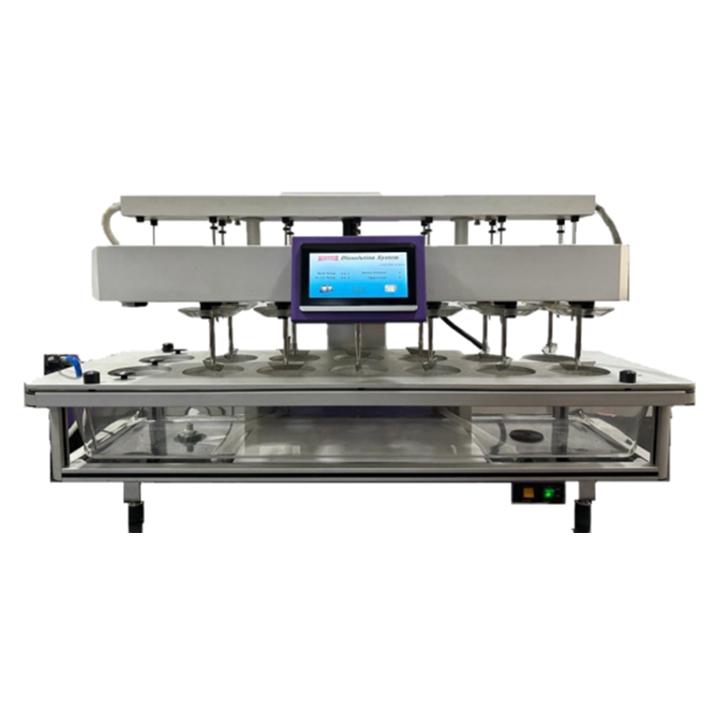 Pharmaceutical Equipment
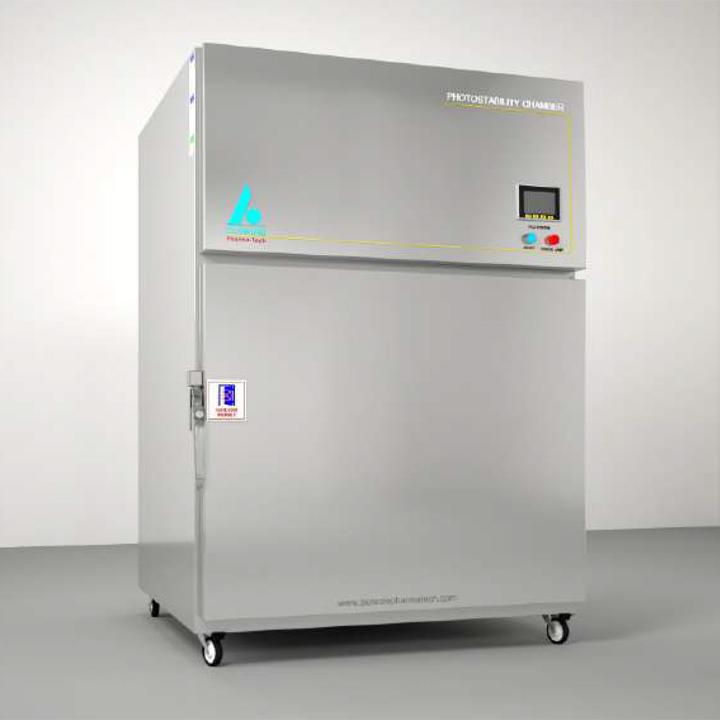 Shelf-life Testing Equipment
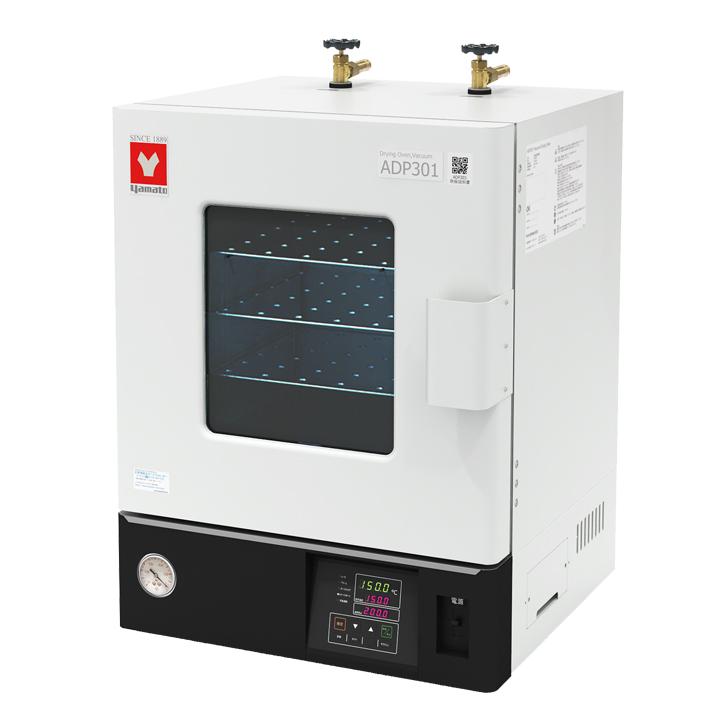 Drying Ovens
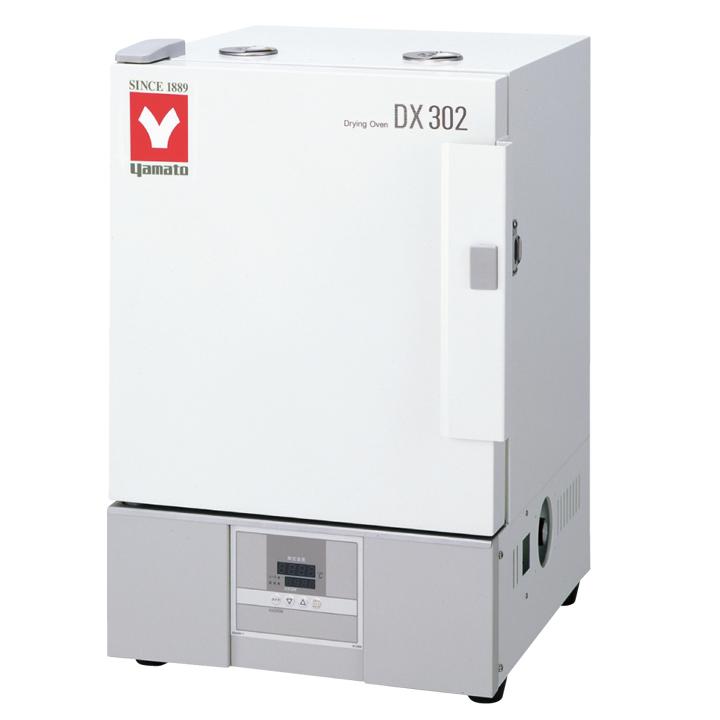 Incubators
 Laboratory Flasks
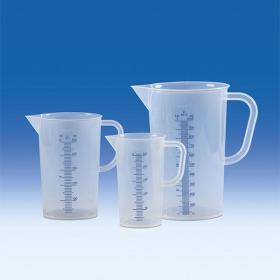 Beakers, Measuring Jugs
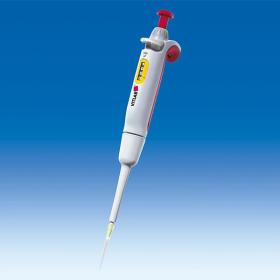 Liquid Handling Tools
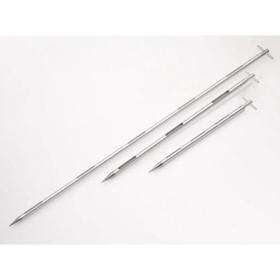 Sampling Tools
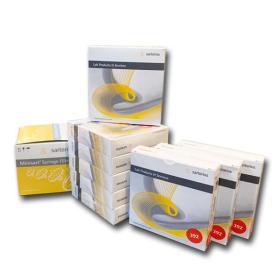 Filtration Tools and Consumables
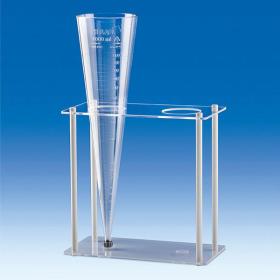 Racks and Stands
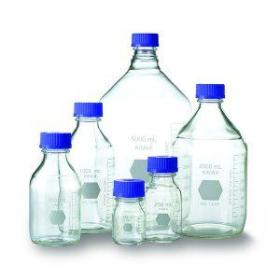 Laboratory Bottles and Vials
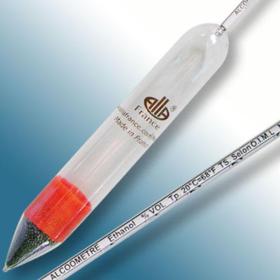 Thermometers, Hydrometers, Baumé Hydrometers, Alcoholmeters
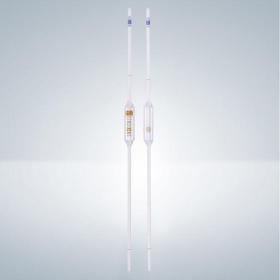 Pipettes
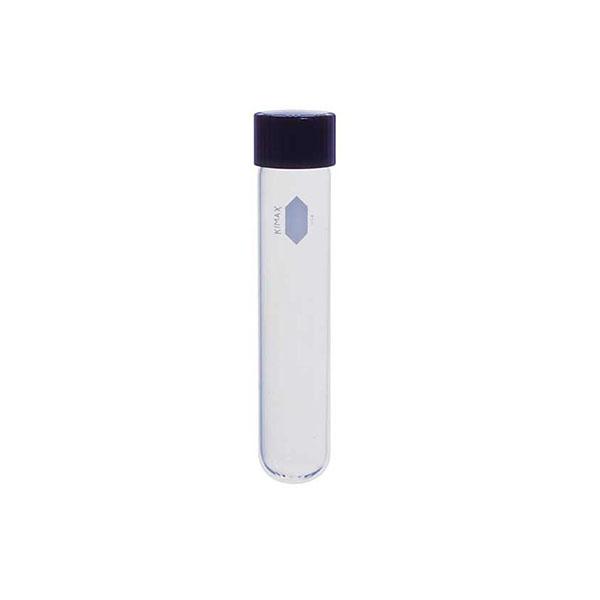 Test tubes
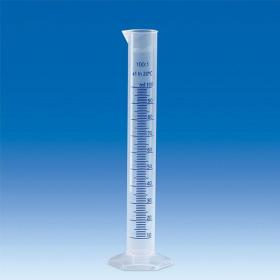 Graduated cylinders
 Funnels
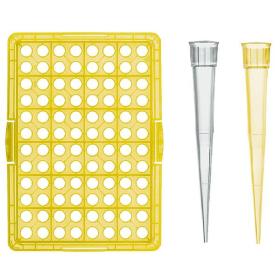 Tips & tip boxes
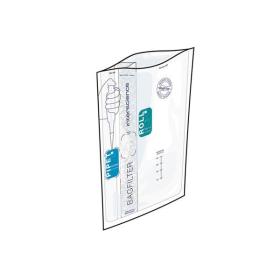 Homogenizer bags
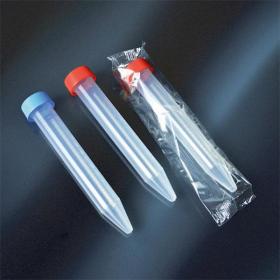 Centrifuge tubes
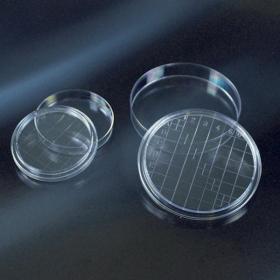 Petri dishes
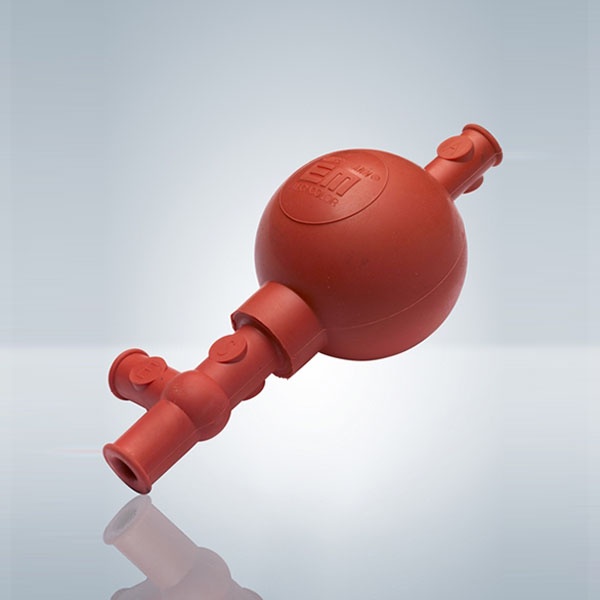 Others
- Glass capillary tubes
- Glass melting point tubes
- Condensers
- Plastic weighing boats
- Glass stirring rods
- Filtration and separation equipment
- Alcohol burners
- Glass weighing bottles
- Crucibles
- Crucible tongs
- Blender bag openers
- BagClip sealing clips
- Autoclave deodorant capsules
- Magnetic stir bars
- Test tube brushes
- Glass watch glasses
- Glass beads
- Glass wool
- Glass slides
- Plastic buckets
- Stainless steel bucket
- Rubber bulb
- Inoculation loop
- Sampling rod
- Plastic spoon
- Stainless steel spoon
- Plastic tweezers
- Glass burette
- Glass slide
- Glass filter crucible
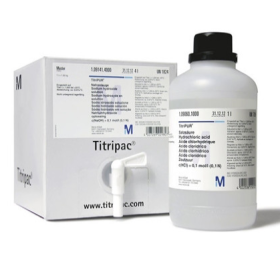

Microbiological filtration units
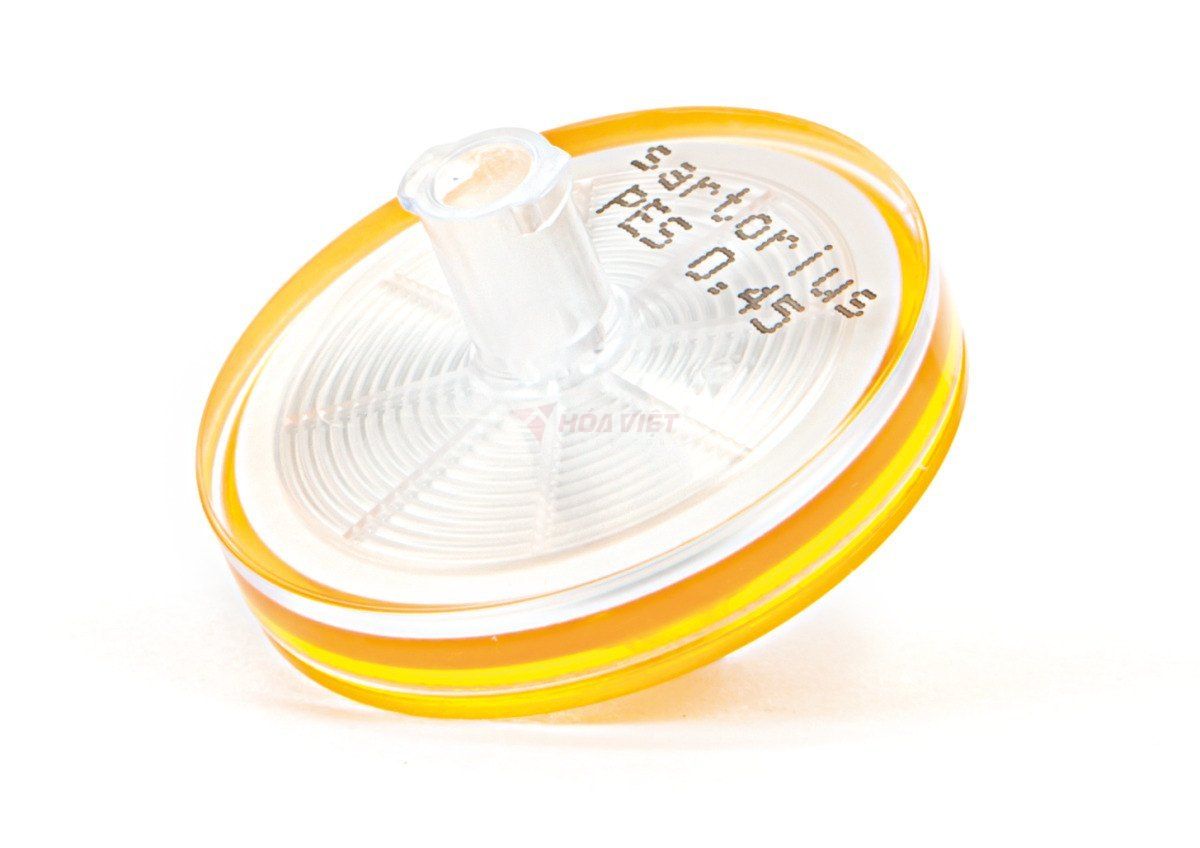
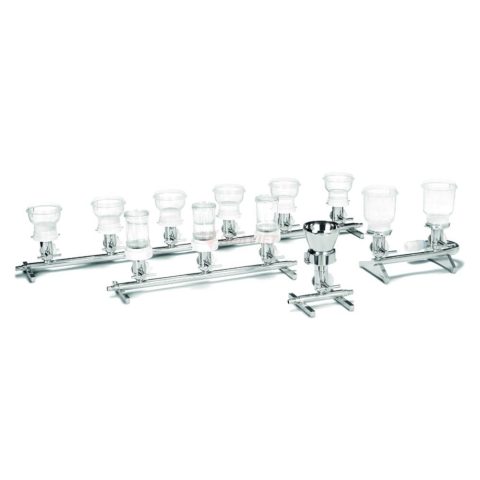
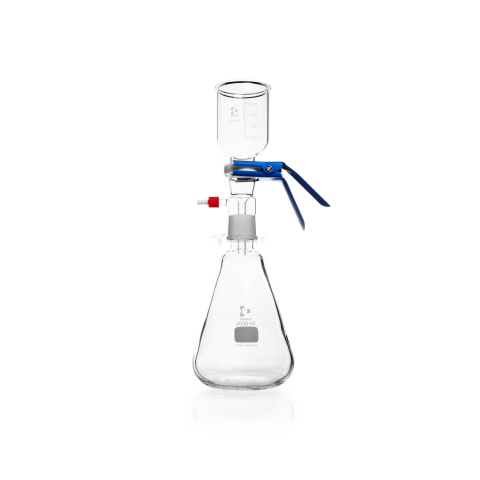
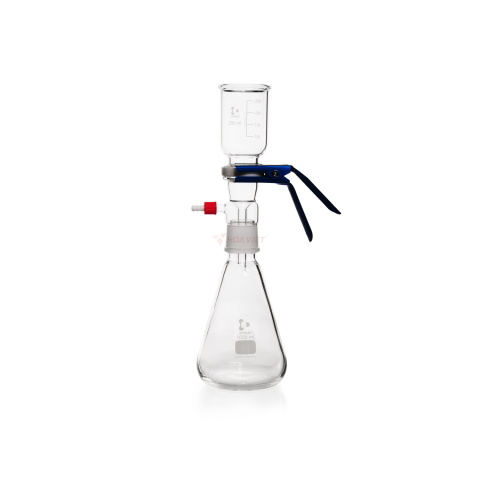
Introduction to Microbiological filtration units
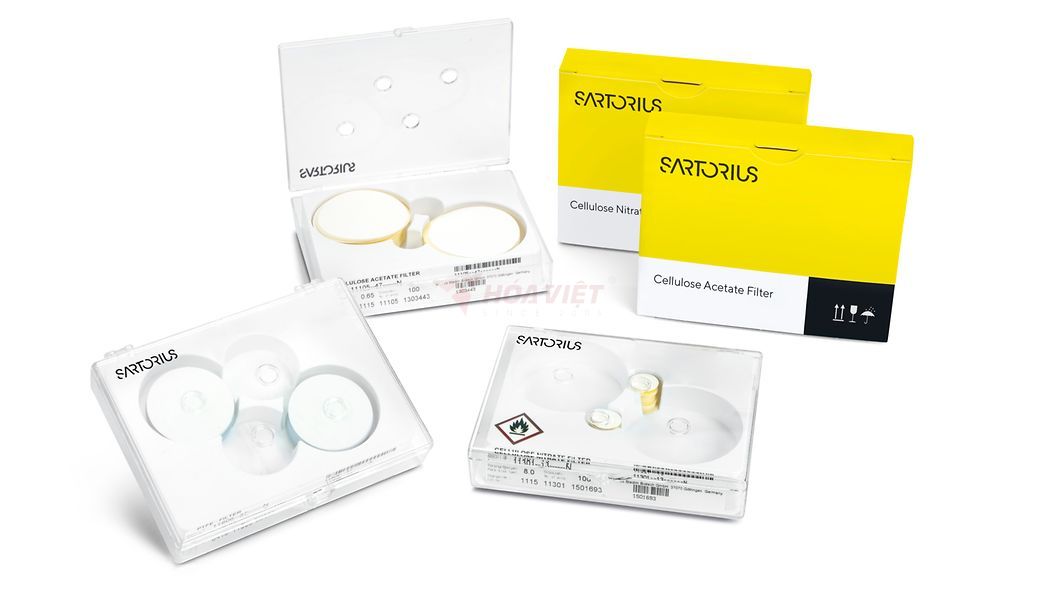
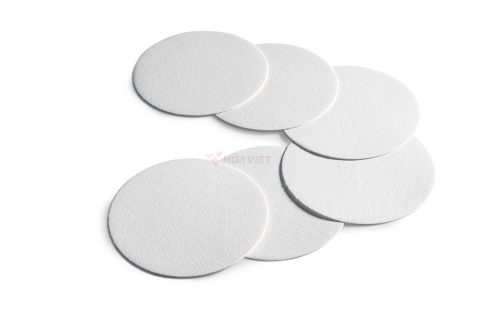
Microbiological filtration units are specialized vacuum filtration systems used to capture and retain microorganisms on the membrane surface for laboratory testing and analysis.
When choosing the equipment, users should consider construction materials such as heat-resistant glass with PTFE frit or stainless steel, compatible with 47 mm or 50 mm diameter filter membranes. Funnel capacities include 100 ml, 250 ml, and 500 ml options combined with 1000 ml or 2000 ml flasks with standard NS 45/40 joints, providing flexibility between reusable funnels and disposable plastic funnels such as Biosart 100 Monitors. The catalogue currently features products from German brands Sartorius and Duran; customers can Contact us for detailed configuration advice.
Which brands of microbiological filtration units does Hoa Viet supply?
Hoa Viet currently supplies microbiological and laboratory vacuum filtration systems from two German manufacturers: Sartorius and Duran.
Should I choose a stainless steel or glass microbiological filtration unit?
Stainless steel filtration units are suitable for microbiological testing procedures requiring high mechanical durability and direct flame sterilization. Glass filtration units with PTFE support discs facilitate visual observation of liquid flow and graduation marks during sample filtration.
Which filter funnels are compatible with the Sartorius 1-branch microbiological filtration unit?
The device connects flexibly with 250 ml glass funnels, 100 ml stainless steel funnels using 47 mm or 50 mm filter membranes, and is also compatible with Biosart 100 Monitors disposable plastic filter funnels.
What should be noted when installing a vacuum filtration unit with a PTFE disc and clamp?
The PTFE support disc must be placed flat and flush between the filter funnel and receiver flask before clamping securely to ensure complete vacuum tightness. After filtration, carefully disassemble the clamp to avoid tearing the filter membrane and clean all contact surfaces.
