



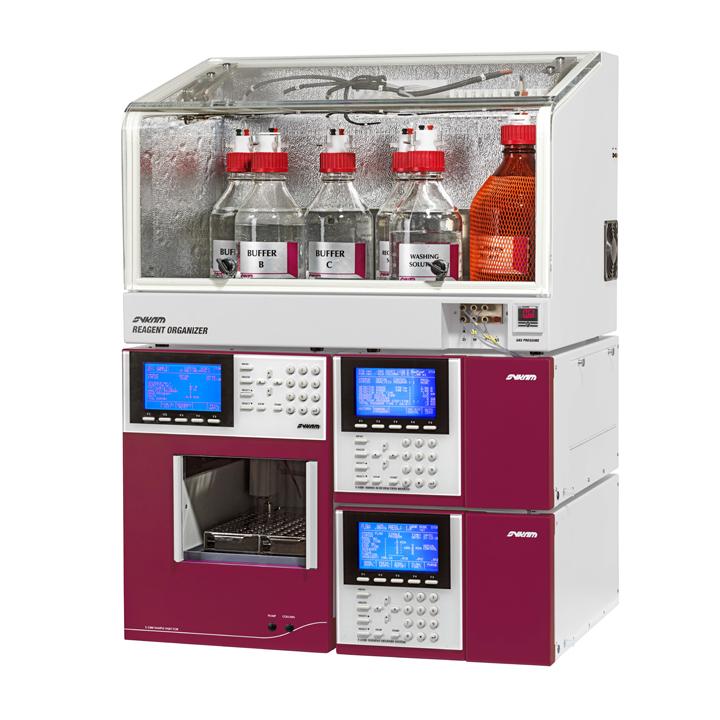
 Analytical Equipment
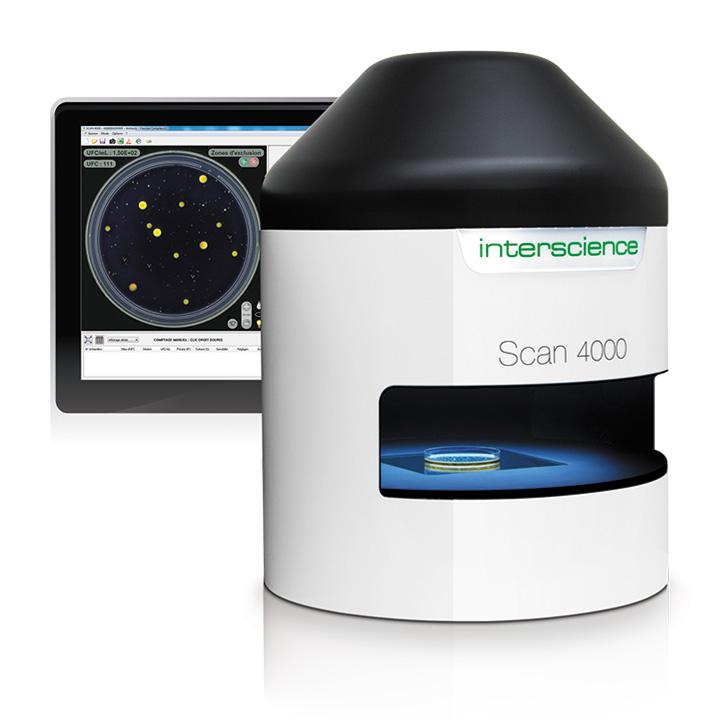 Microbiology Equipment
- Gravimetric Diluters and Sample Weighing Systems
- Mediaprep Automated Media Preparators
- Mediafill Automated Media Distributors
- Manual Media Dispensers
- Lab Blenders / Homogenizers
- Automated Spiral Platers
- Manual Colony Counters
- Automated Colony Counters
- Inhibition Zone Readers
- Automated Incubators and Colony Counters
- Biosafety Cabinets
- Laminar Flow Hoods
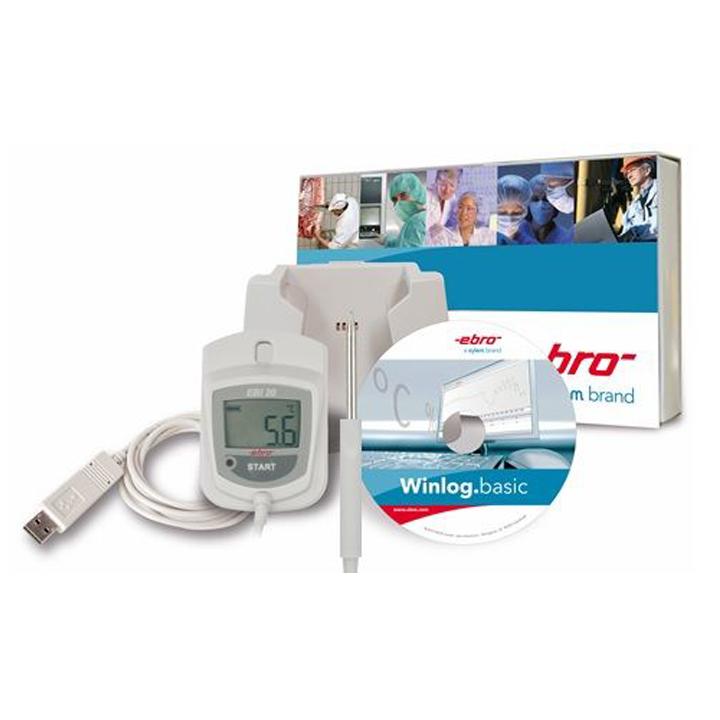 Temperature, Humidity, and Pressure Measuring Instruments
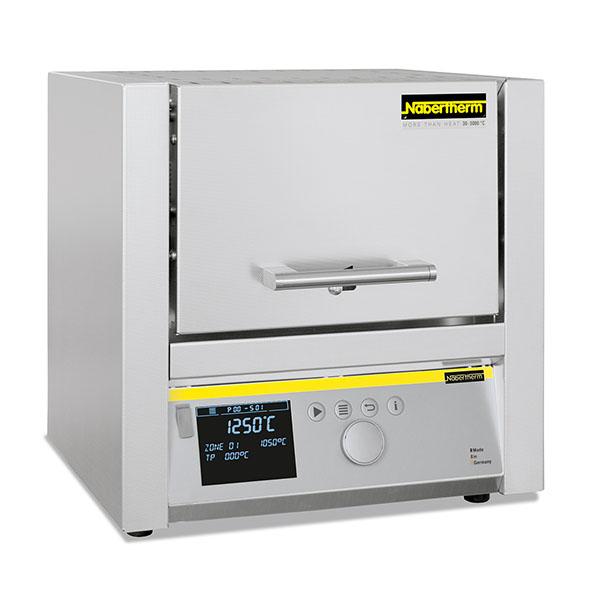 Other Basic Equipment
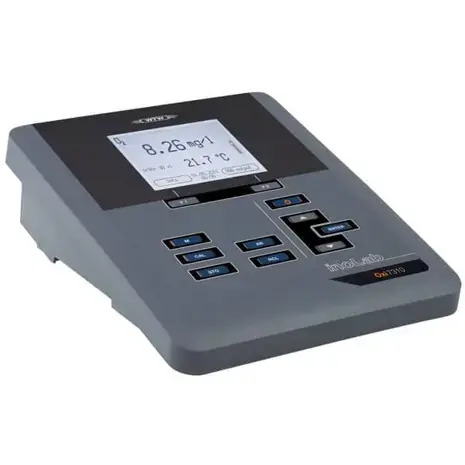 Multiparameter Water Quality Meters
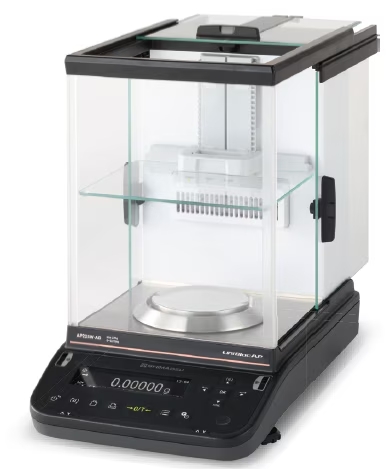 Balances
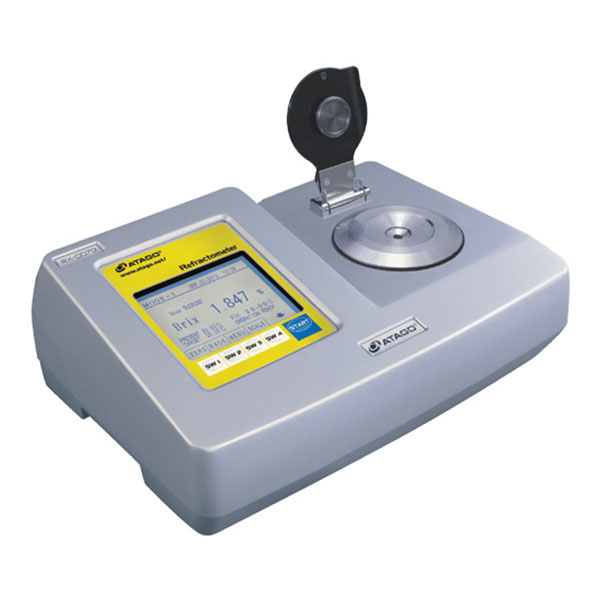 Polarimeters, Refractometers
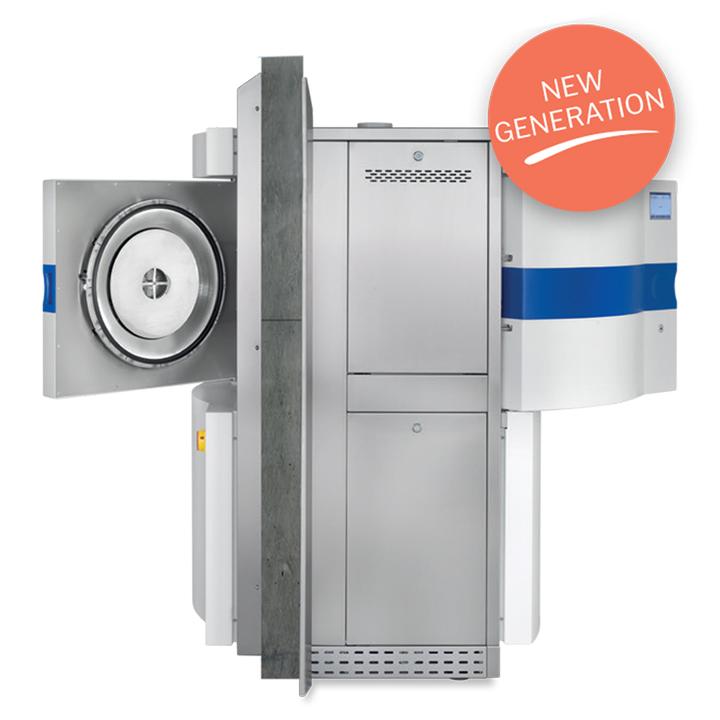 Autoclaves
 Biotechnology Equipment and Solutions
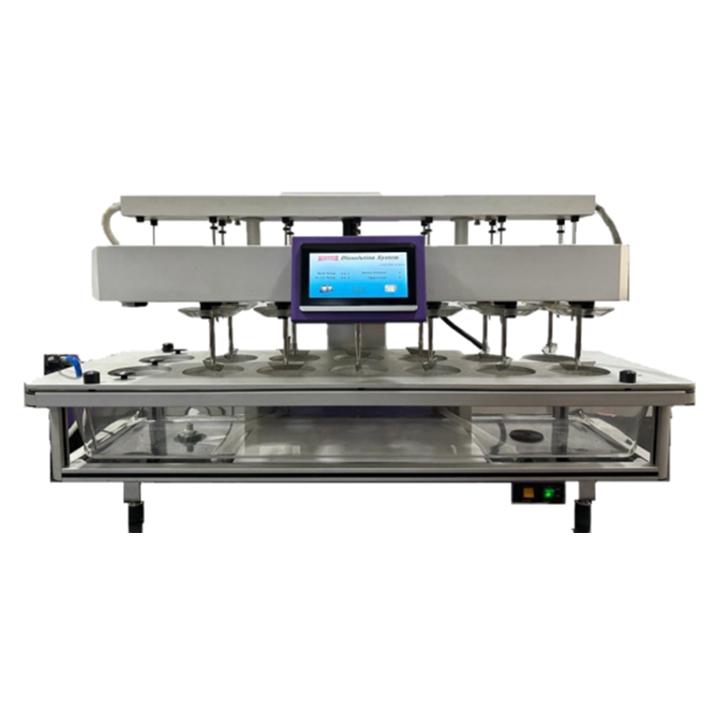 Pharmaceutical Equipment
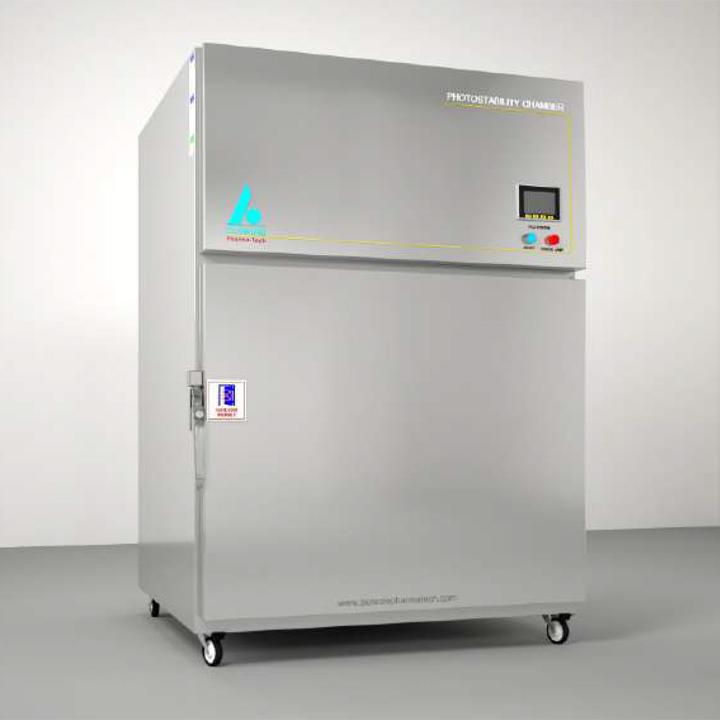 Shelf-life Testing Equipment
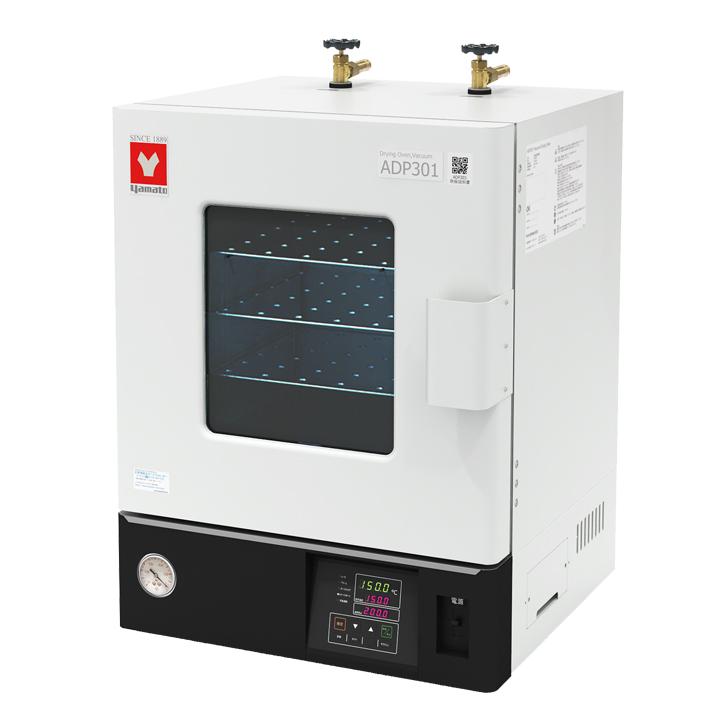 Drying Ovens
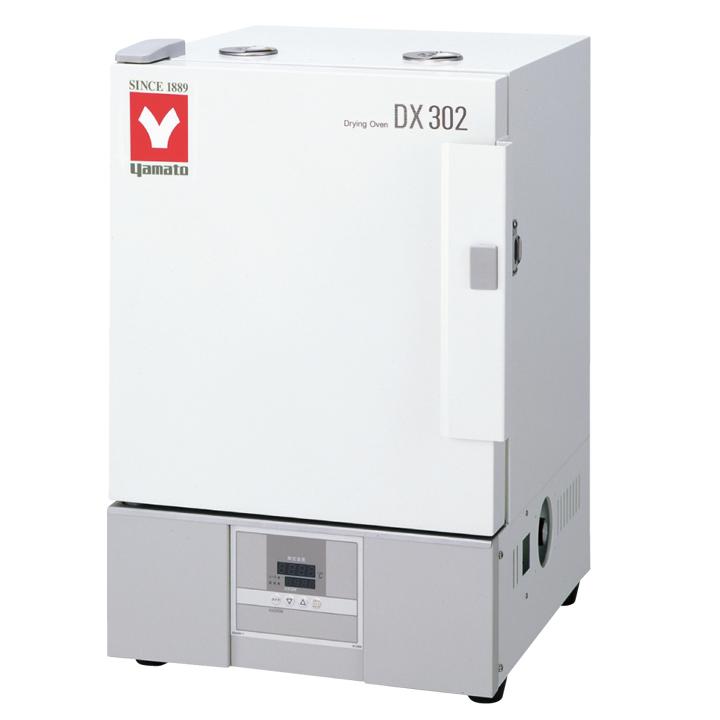 Incubators
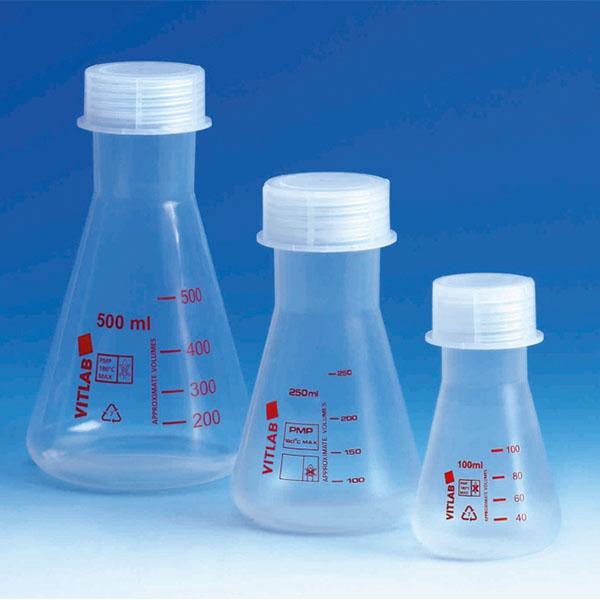 Laboratory Flasks
 Beakers, Measuring Jugs
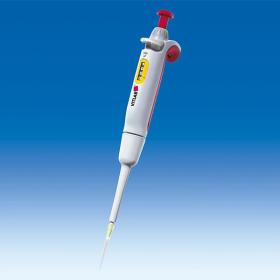 Liquid Handling Tools
 Sampling Tools
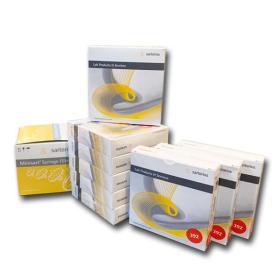 Filtration Tools and Consumables
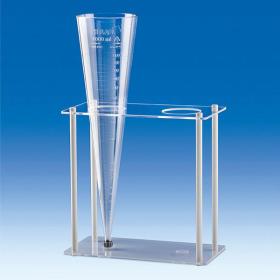 Racks and Stands
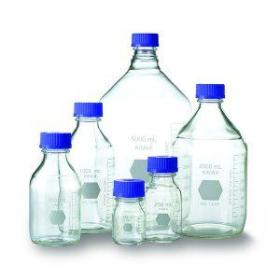 Laboratory Bottles and Vials
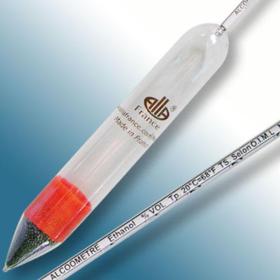 Thermometers, Hydrometers, Baumé Hydrometers, Alcoholmeters
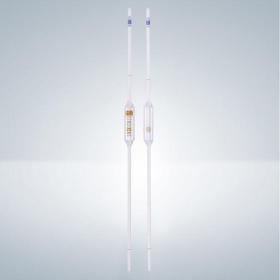 Pipettes
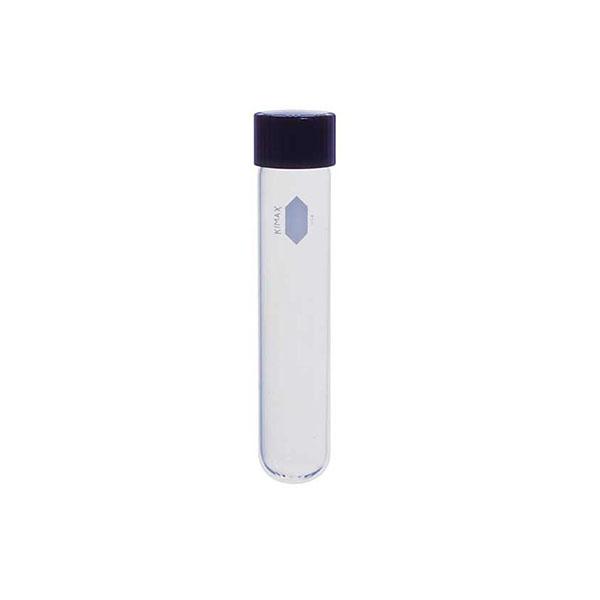 Test tubes
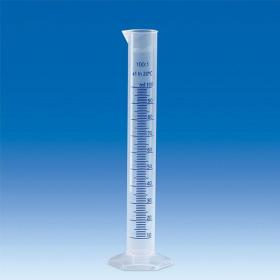 Graduated cylinders
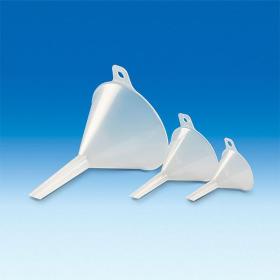 Funnels
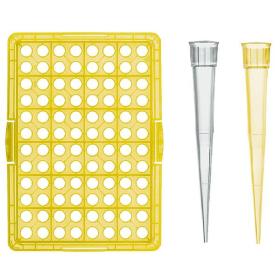 Tips & tip boxes
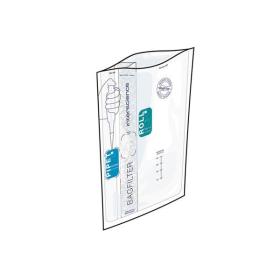 Homogenizer bags
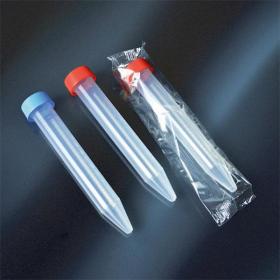 Centrifuge tubes
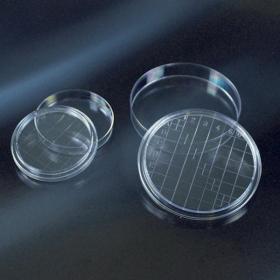 Petri dishes
 Others
- Glass capillary tubes
- Glass melting point tubes
- Condensers
- Plastic weighing boats
- Glass stirring rods
- Filtration and separation equipment
- Alcohol burners
- Glass weighing bottles
- Crucibles
- Crucible tongs
- Blender bag openers
- BagClip sealing clips
- Autoclave deodorant capsules
- Magnetic stir bars
- Test tube brushes
- Glass watch glasses
- Glass beads
- Glass wool
- Glass slides
- Plastic buckets
- Stainless steel bucket
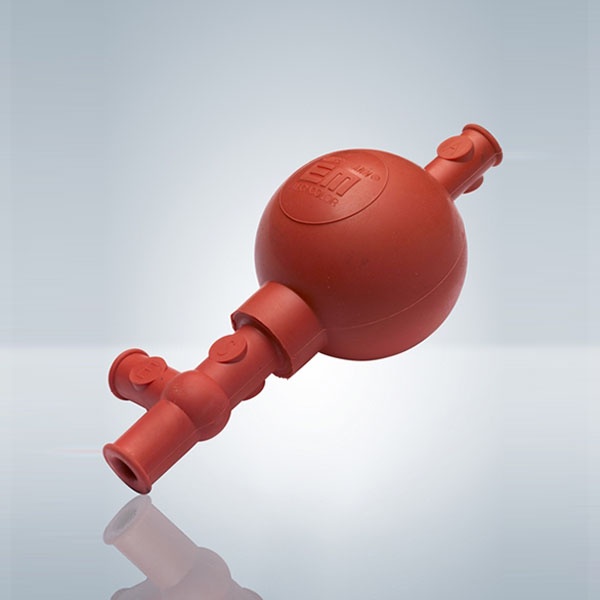
- Rubber bulb
- Inoculation loop
- Sampling rod
- Plastic spoon
- Stainless steel spoon
- Plastic tweezers
- Glass burette
- Glass slide
- Glass filter crucible
Micropipettes
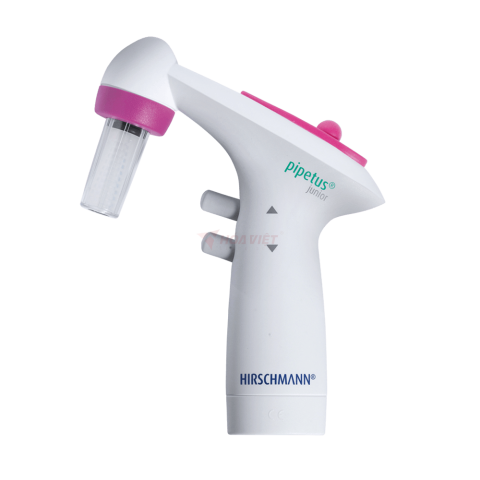
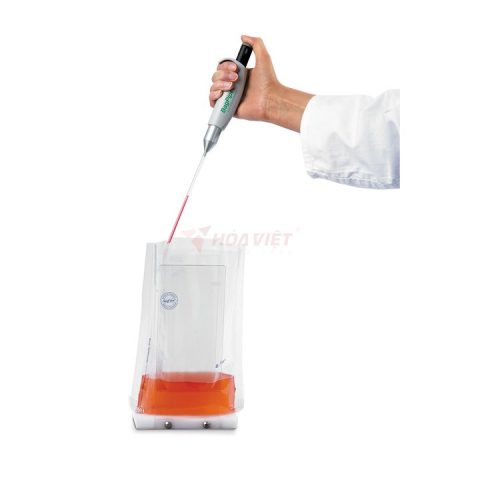
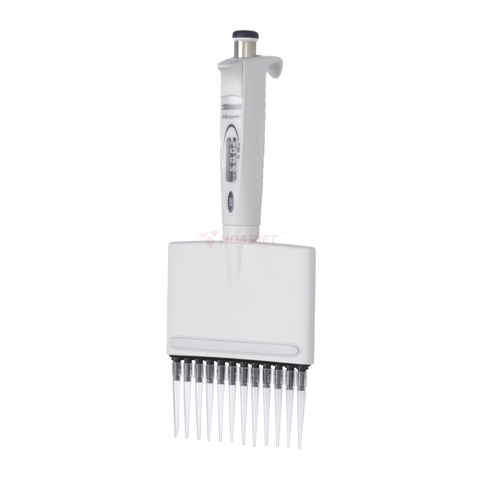
Introduction to Micropipettes
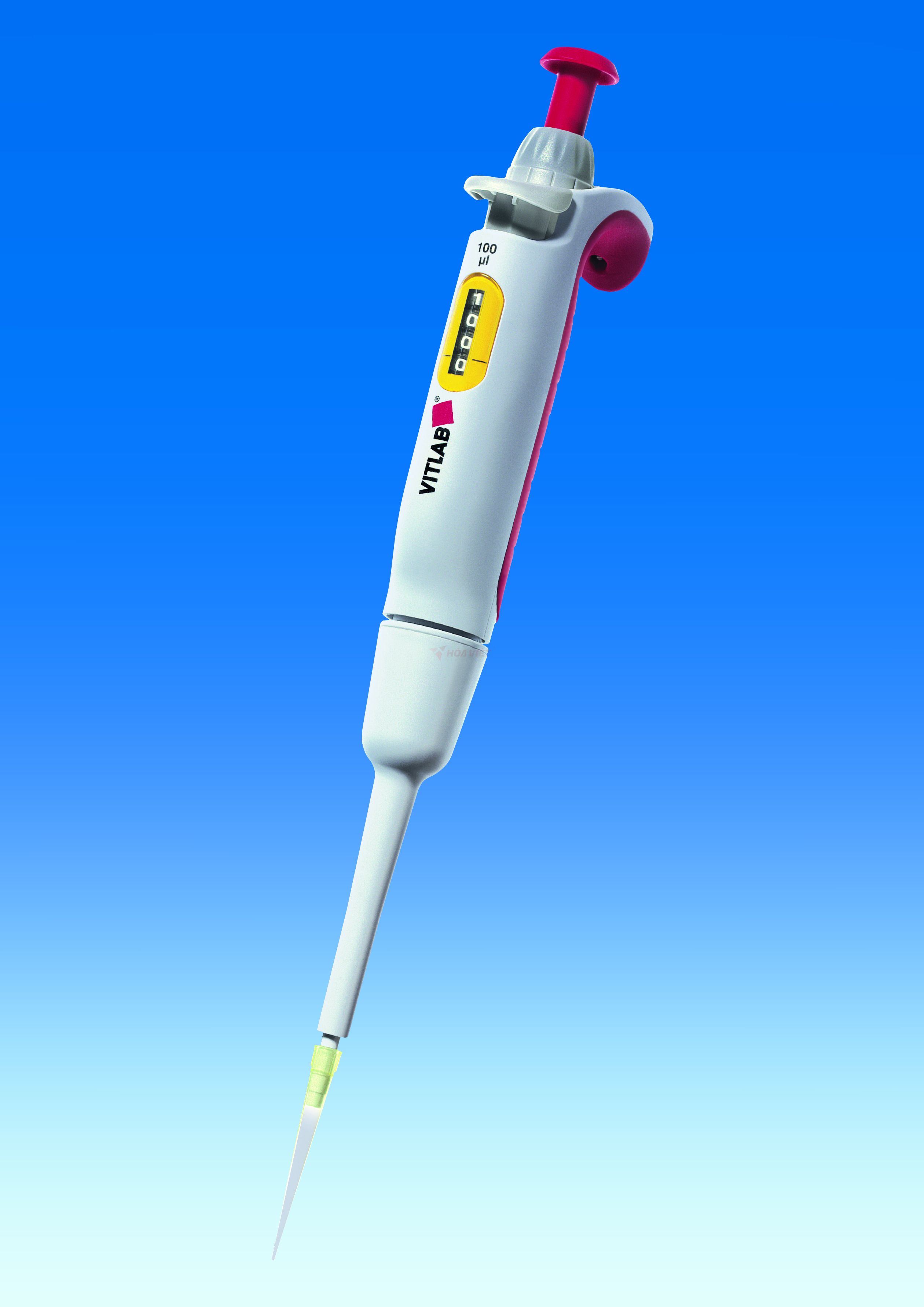
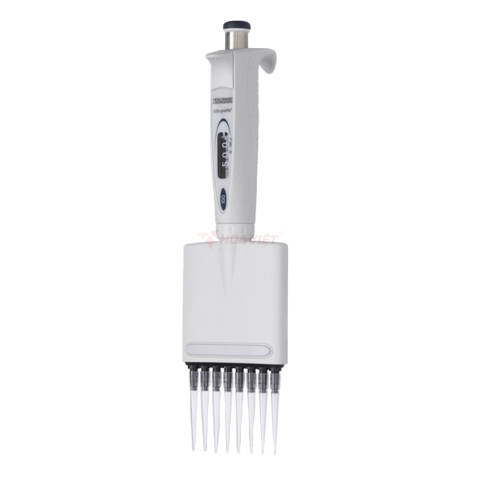
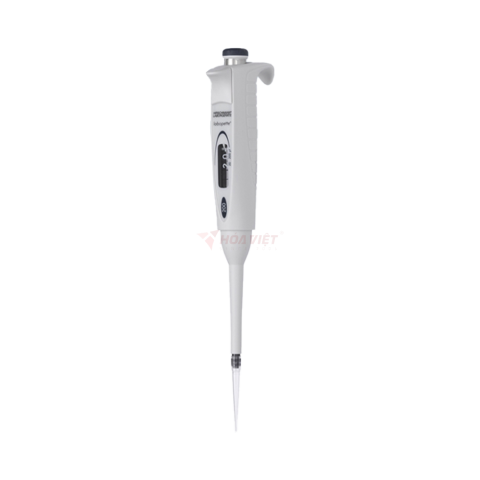
Micropipettes are precision volumetric instruments used to dispense and transfer micro-volumes of liquid in laboratories. When selecting a micropipette, users should consider the operating volume range, such as 0.1-3ul or 0.5-10ul, as well as single-channel or 8-channel configurations depending on sample processing throughput.
In addition to the volume range, thermal resistance and technical certifications are essential criteria. Devices may support steam sterilization or complete autoclaving at 121 °C (2 bar according to DIN EN 285), comply with CE standards under IVD Directive 98/79/EC, or include a DAkkS calibration certificate. Hoa Viet currently supplies micropipettes from Hirschmann and Vitlab originated from Germany.
Which micropipette brands does Hoa Viet distribute?
Hoa Viet currently distributes micropipettes from Hirschmann and Vitlab, both originating from Germany. Customers can contact Hoa Viet for advice on the right instrument for specific applications.
Under what temperature conditions can micropipettes be sterilized?
Many micropipette models are steam-sterilizable or fully autoclavable at 121 °C (2 bar according to DIN EN 285). This capability ensures sterile conditions and reduces cross-contamination during analysis.
When should an 8-channel micropipette be chosen over a single-channel model?
An 8-channel micropipette is suitable for simultaneous liquid dispensing across multi-well plates to increase throughput. Meanwhile, a single-channel micropipette is the standard choice for aspirating samples into individual test tubes.
What does the CE marking under the IVD Directive 98/79/EC on a micropipette indicate?
This standard indicates that the device complies with the regulatory requirements for in vitro diagnostic (IVD) medical devices. Products meeting this standard are suitable for clinical testing and diagnostic workflows.
