



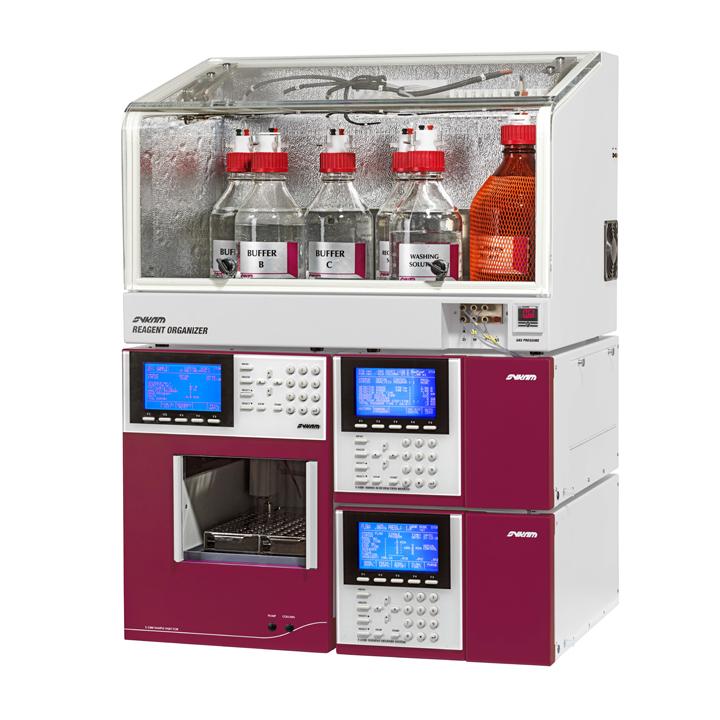
 Analytical Equipment
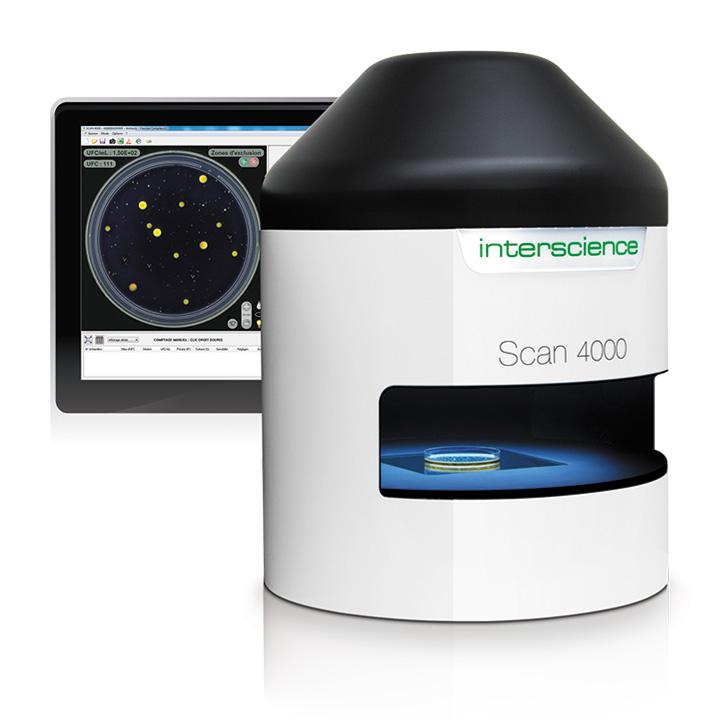 Microbiology Equipment
- Gravimetric Diluters and Sample Weighing Systems
- Mediaprep Automated Media Preparators
- Mediafill Automated Media Distributors
- Manual Media Dispensers
- Lab Blenders / Homogenizers
- Automated Spiral Platers
- Manual Colony Counters
- Automated Colony Counters
- Inhibition Zone Readers
- Automated Incubators and Colony Counters
- Biosafety Cabinets
- Laminar Flow Hoods
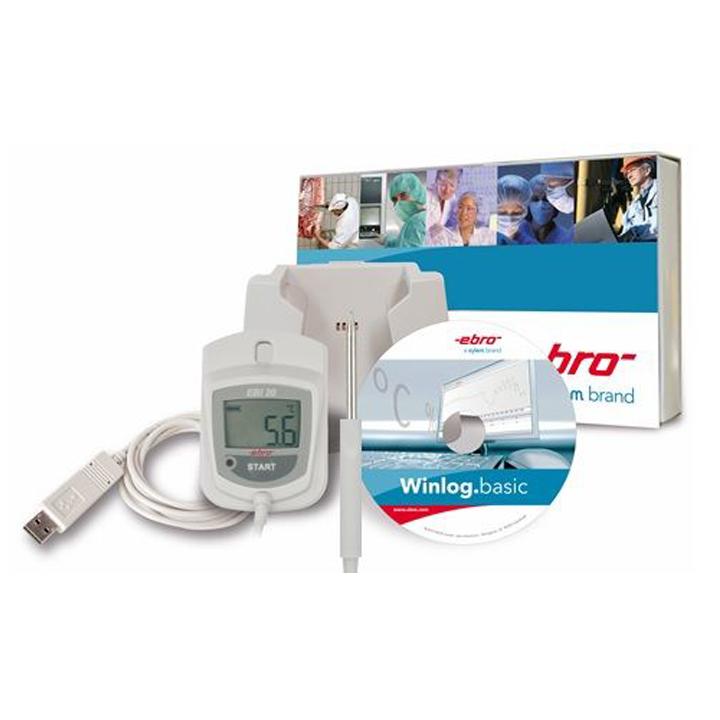 Temperature, Humidity, and Pressure Measuring Instruments
 Other Basic Equipment
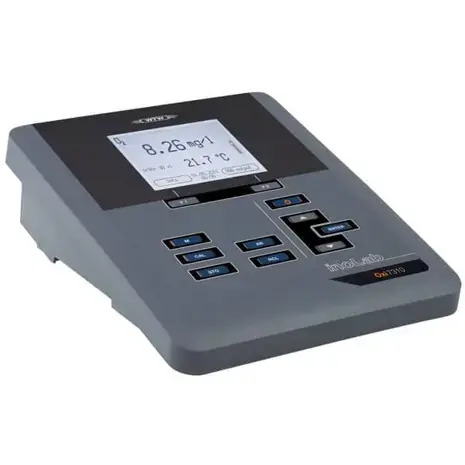 Multiparameter Water Quality Meters
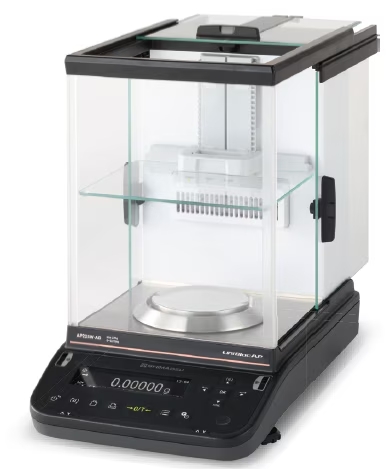 Balances
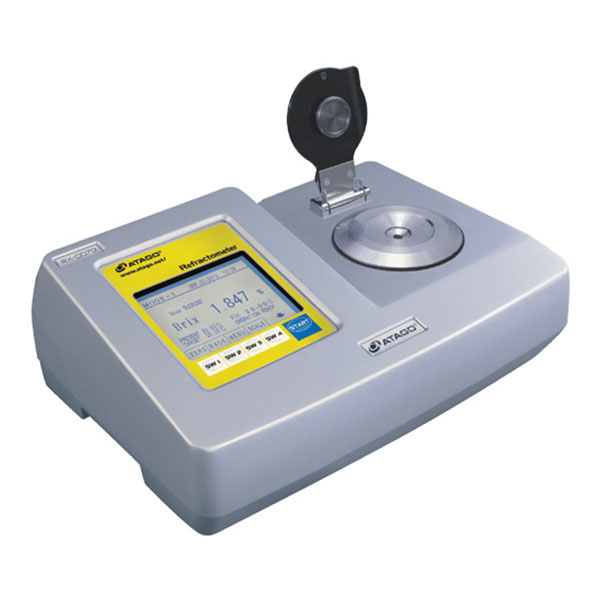 Polarimeters, Refractometers
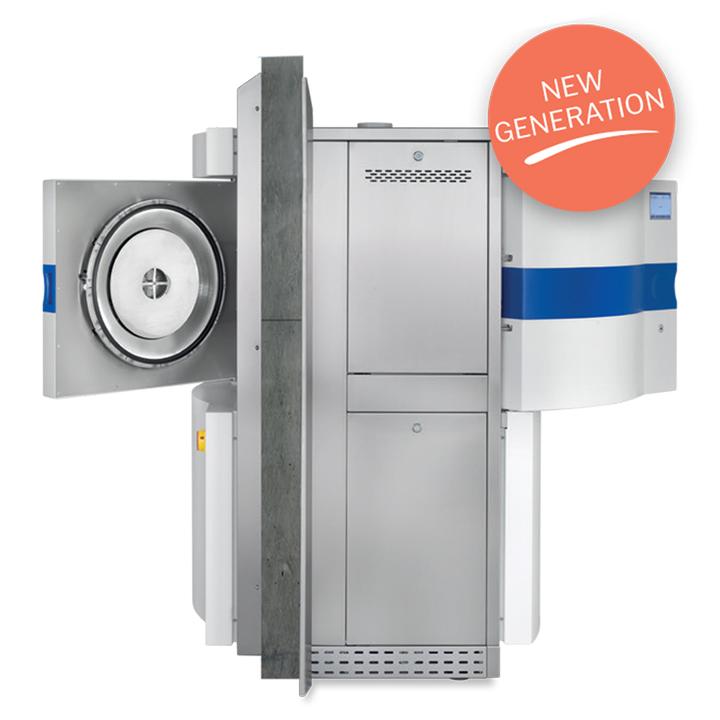 Autoclaves
 Biotechnology Equipment and Solutions
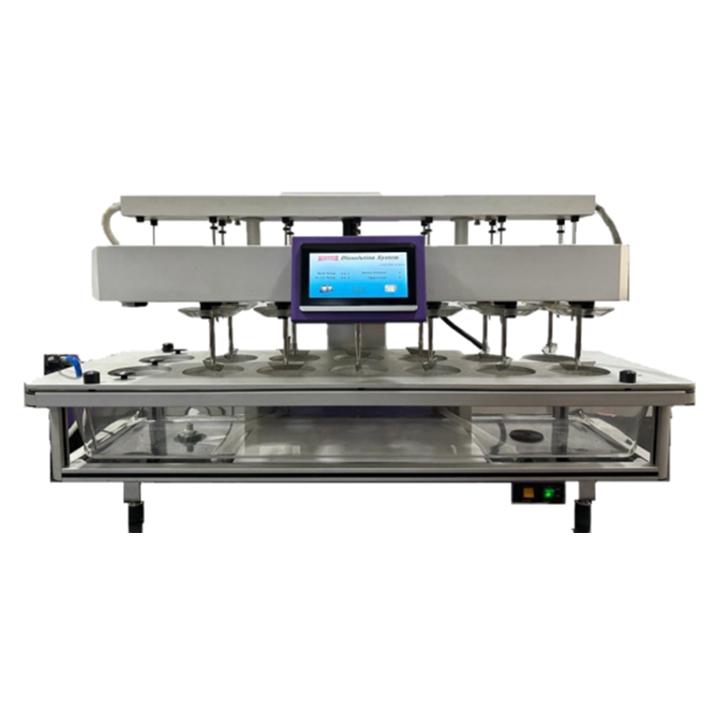 Pharmaceutical Equipment
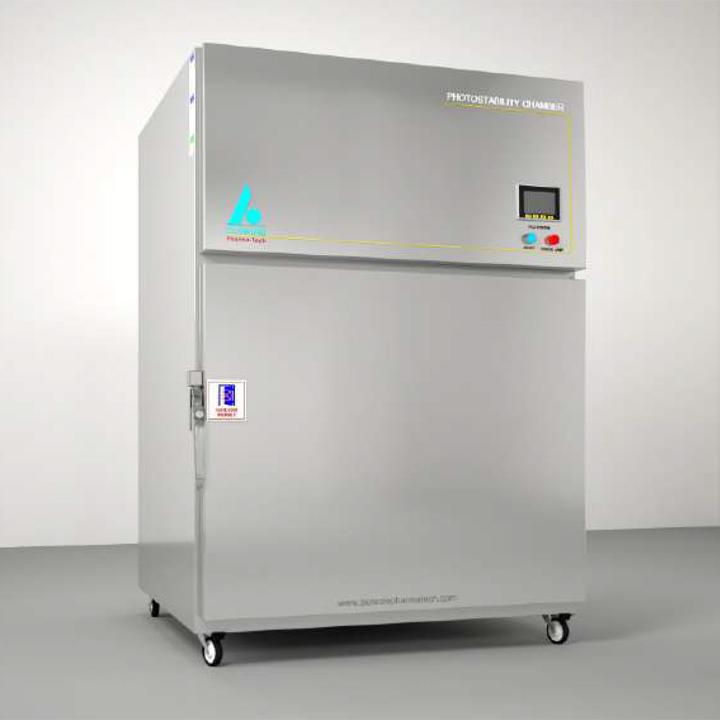 Shelf-life Testing Equipment
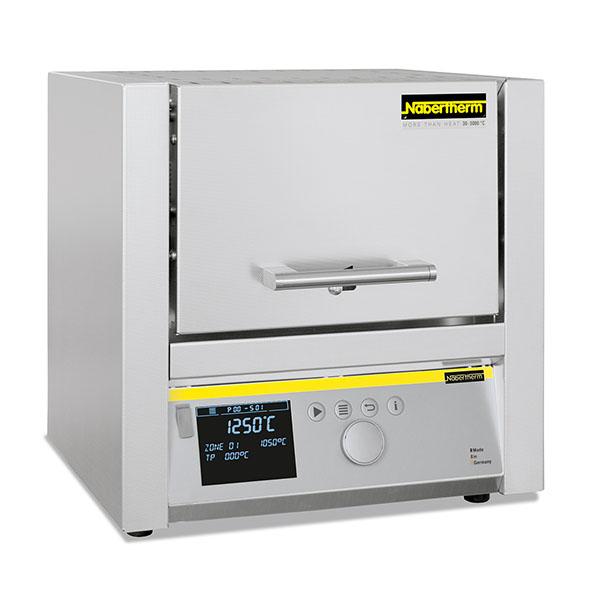
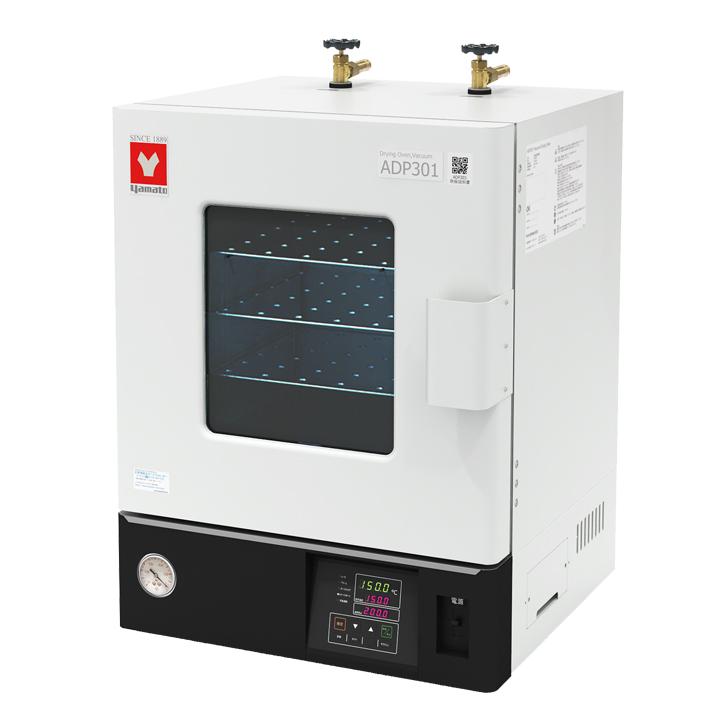 Drying Ovens
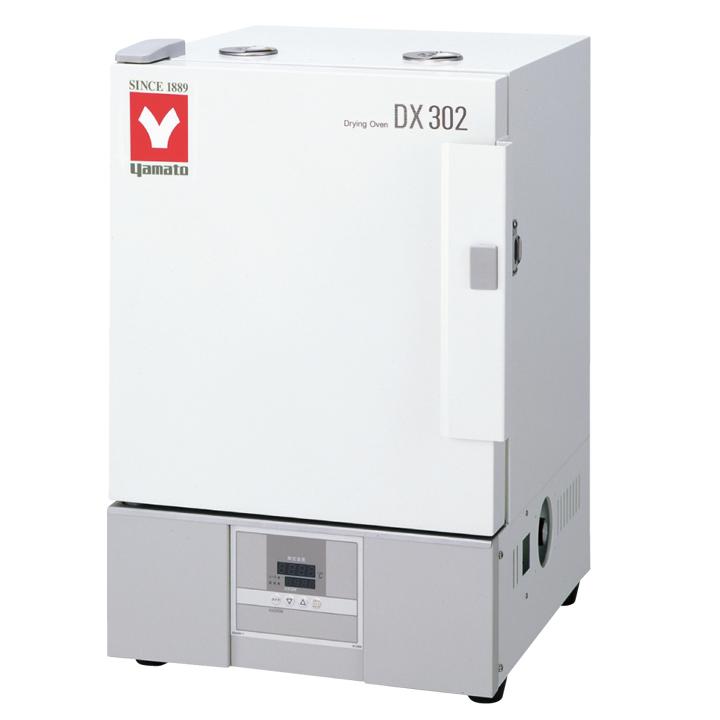 Incubators
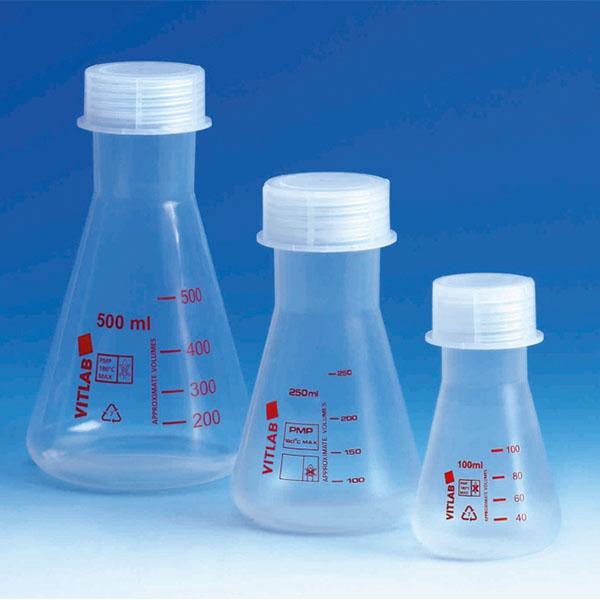 Laboratory Flasks
 Beakers, Measuring Jugs
 Liquid Handling Tools
 Sampling Tools
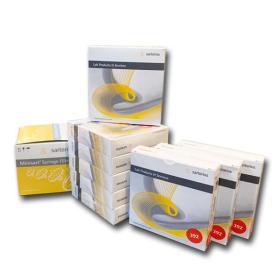 Filtration Tools and Consumables
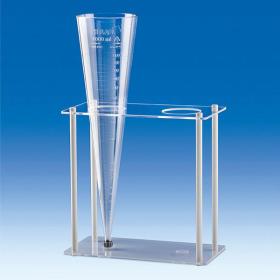 Racks and Stands
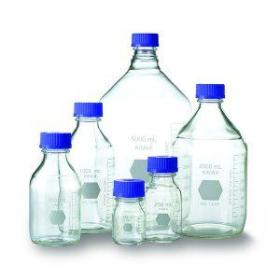 Laboratory Bottles and Vials
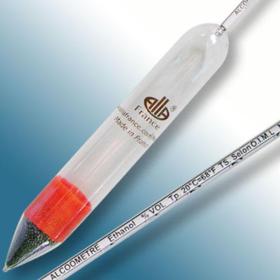 Thermometers, Hydrometers, Baumé Hydrometers, Alcoholmeters
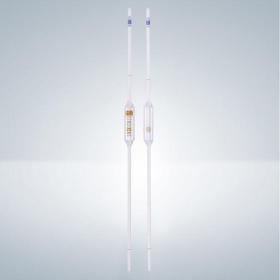 Pipettes
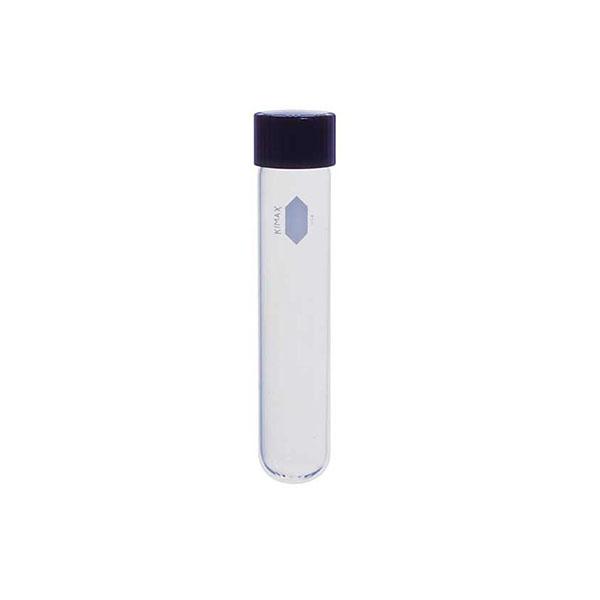 Test tubes
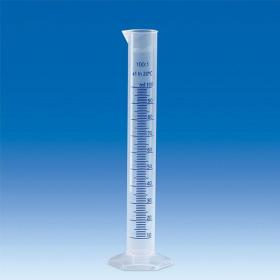 Graduated cylinders
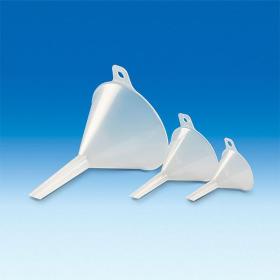 Funnels
 Tips & tip boxes
 Homogenizer bags
 Centrifuge tubes
 Petri dishes
 Others
- Glass capillary tubes
- Glass melting point tubes
- Condensers
- Plastic weighing boats
- Glass stirring rods
- Filtration and separation equipment
- Alcohol burners
- Glass weighing bottles
- Crucibles
- Crucible tongs
- Blender bag openers
- BagClip sealing clips
- Autoclave deodorant capsules
- Magnetic stir bars
- Test tube brushes
- Glass watch glasses
- Glass beads
- Glass wool
- Glass slides
- Plastic buckets
- Stainless steel bucket
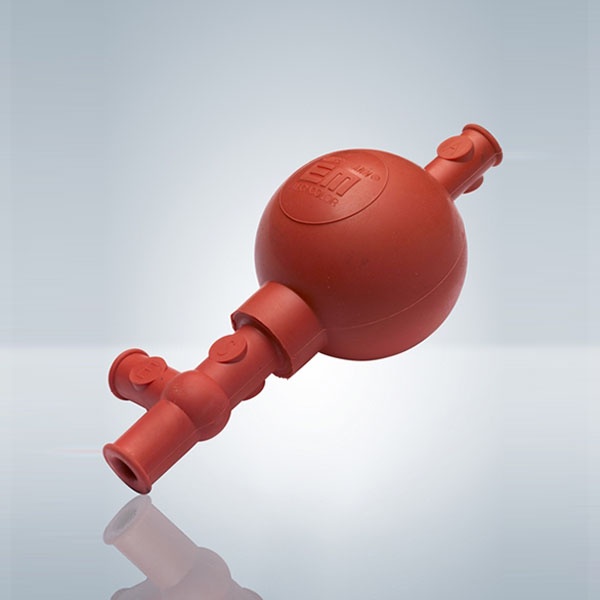
- Rubber bulb
- Inoculation loop
- Sampling rod
- Plastic spoon
- Stainless steel spoon
- Plastic tweezers
- Glass burette
- Glass slide
- Glass filter crucible
Plastic centrifuge tubes
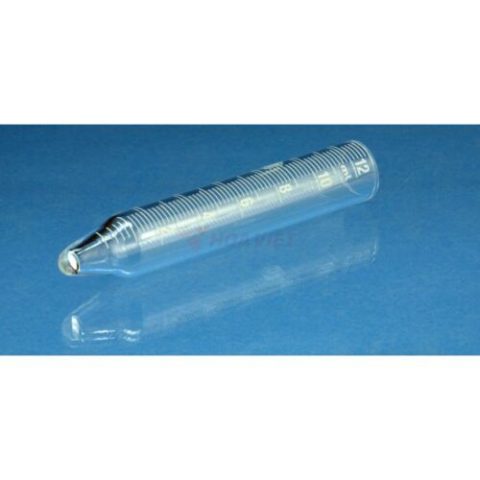
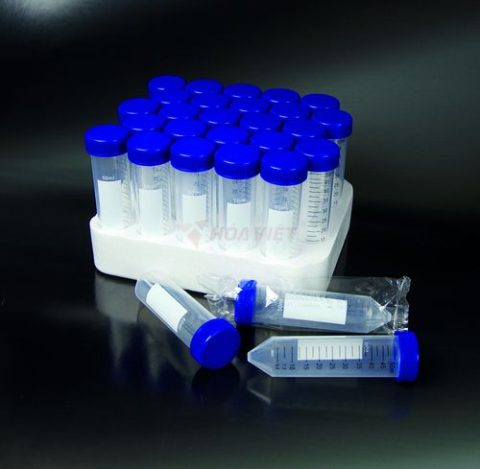
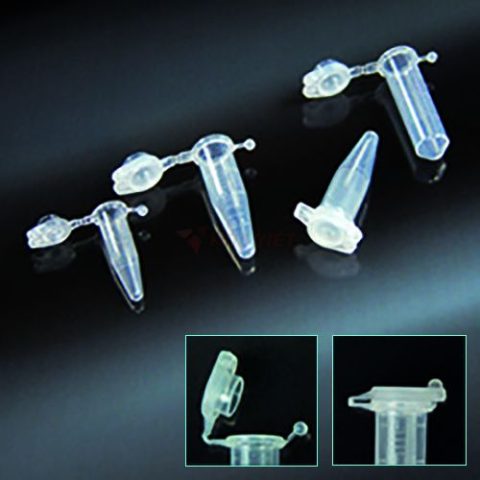
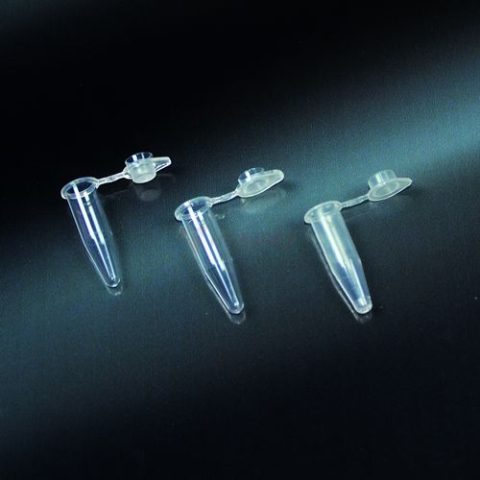
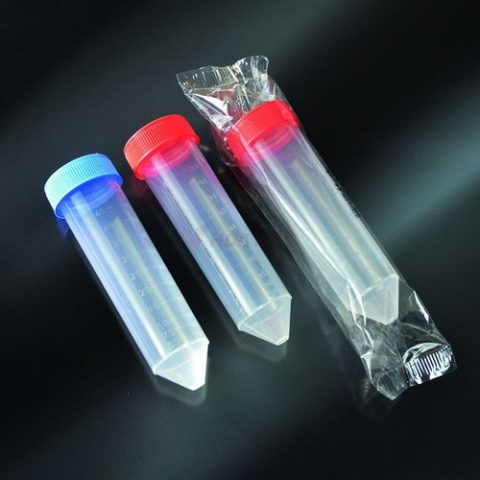
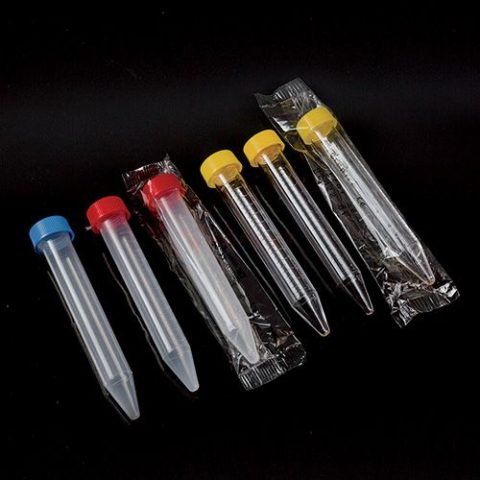
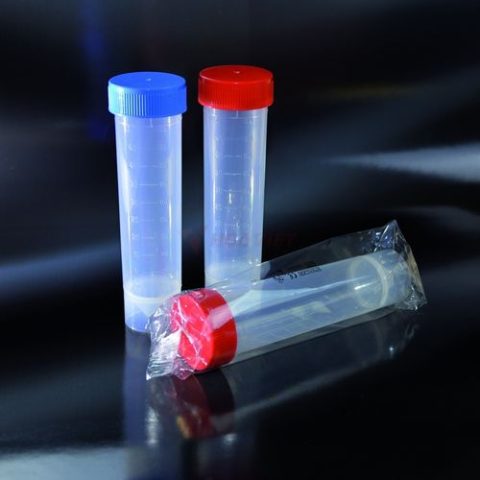
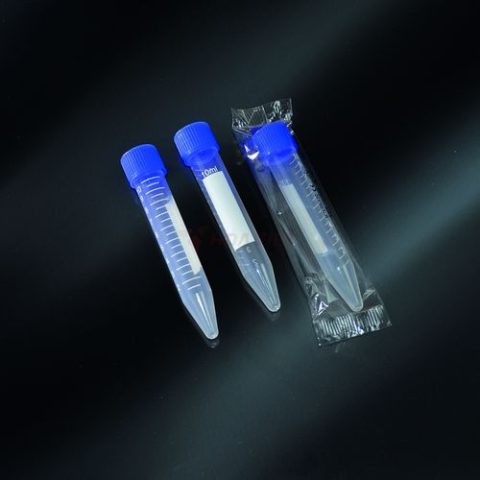
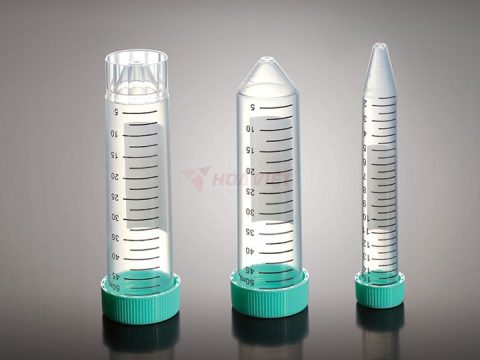
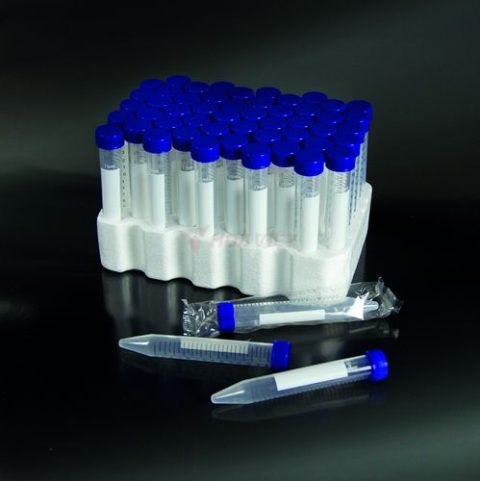

Introduction to Plastic centrifuge tubes
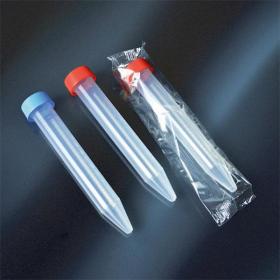
Plastic centrifuge tubes are consumables used to contain samples and separate fractions in liquid mixtures under centrifugal force in laboratories. They are widely used in research and sample preparation protocols in molecular biology, microbiology, immunology, and cell biology.
When choosing plastic centrifuge tubes, users should consider criteria including capacity (commonly 15ml or 50ml), bottom shape (conical bottom for pellet collection or self-standing flat bottom), and plastic material such as PP or PS. In addition, depending on aseptic processing requirements and the rotor's maximum RCF rating, laboratories can choose sterile or non-sterile options, with graduations and writing areas. Hoa Viet currently supplies screw-cap plastic centrifuge tubes from manufacturers including Aptaca (Italy) and Jet Biofil (China).
Should I choose PP or PS plastic centrifuge tubes?
PP (Polypropylene) offers high mechanical strength, withstands high centrifugal forces, and can be autoclaved at high temperatures. In contrast, PS (Polystyrene) features superior transparency for clear sample observation, typically suited for routine lower-speed centrifugation applications.
What is the difference between conical bottom and flat bottom centrifuge tubes?
Conical bottom tubes help concentrate pellets and sample sediment at the bottom center after centrifugation, facilitating easy pellet recovery or supernatant aspiration. Flat bottom tubes offer the advantage of being self-standing on laboratory workbenches without requiring a dedicated tube rack.
Which type of centrifuge tube should be selected for cell culture and microbiology laboratories?
These applications should prioritize pre-sterilized tubes manufactured from materials meeting standards such as USP Class VI to prevent sample contamination. Depending on the frequency of use, users can choose individually wrapped sterile units or bulk packs.
Which brands of plastic centrifuge tubes does Hoa Viet distribute?
Currently, Hoa Viet supplies 15ml and 50ml plastic centrifuge tubes from two brands: Aptaca (Italy) and Jet Biofil (China). Contact us directly for in-depth technical advice and to Request a quote.
