



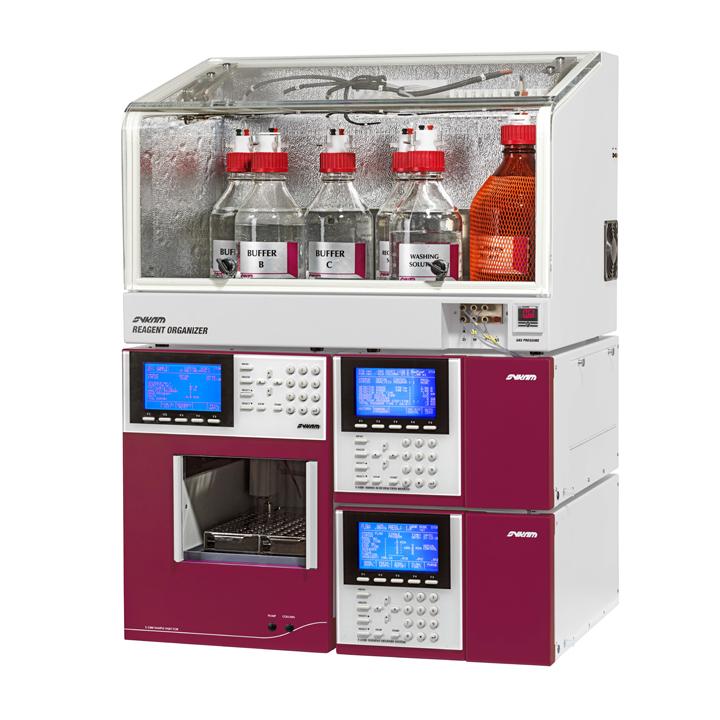
 Analytical Equipment
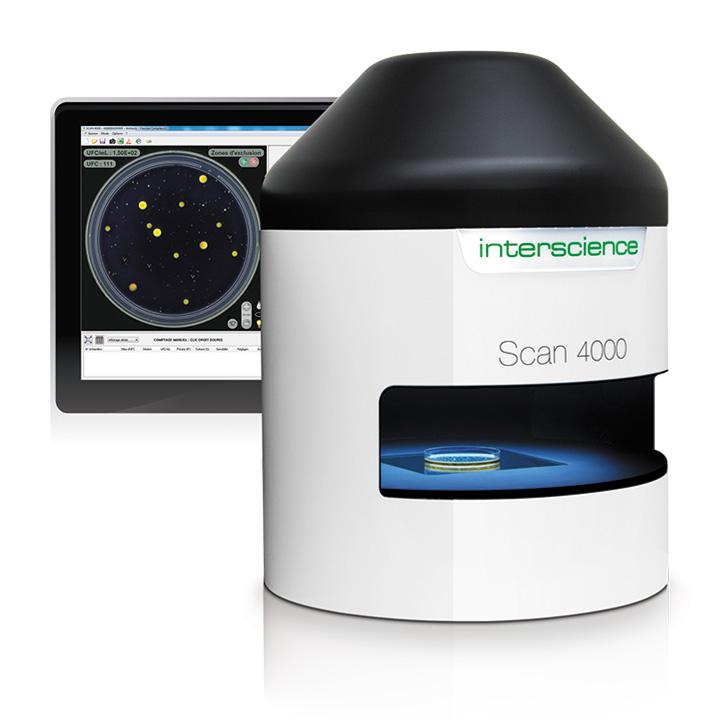 Microbiology Equipment
- Gravimetric Diluters and Sample Weighing Systems
- Mediaprep Automated Media Preparators
- Mediafill Automated Media Distributors
- Manual Media Dispensers
- Lab Blenders / Homogenizers
- Automated Spiral Platers
- Manual Colony Counters
- Automated Colony Counters
- Inhibition Zone Readers
- Automated Incubators and Colony Counters
- Biosafety Cabinets
- Laminar Flow Hoods
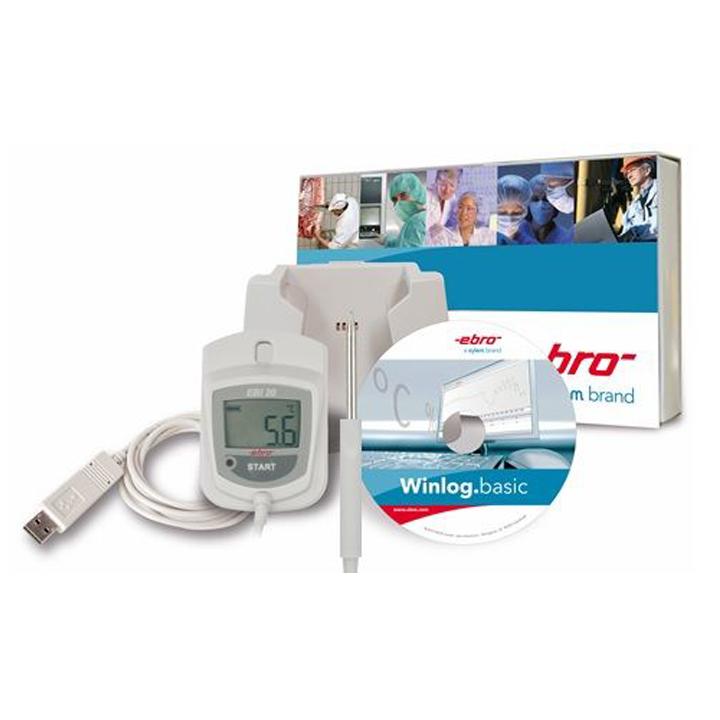 Temperature, Humidity, and Pressure Measuring Instruments
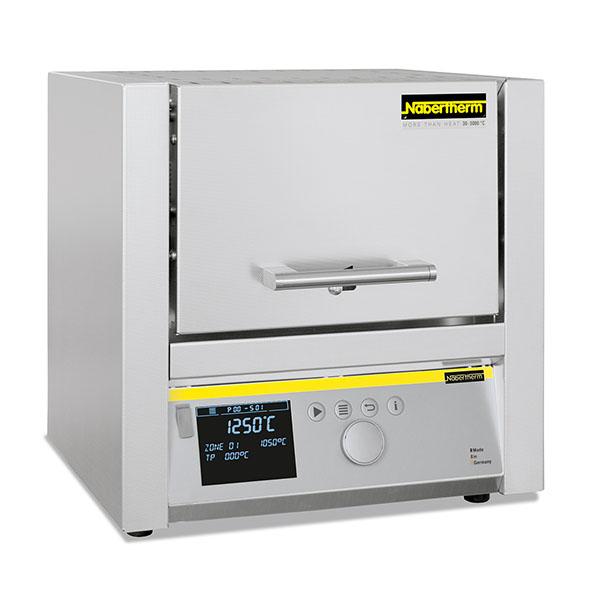 Other Basic Equipment
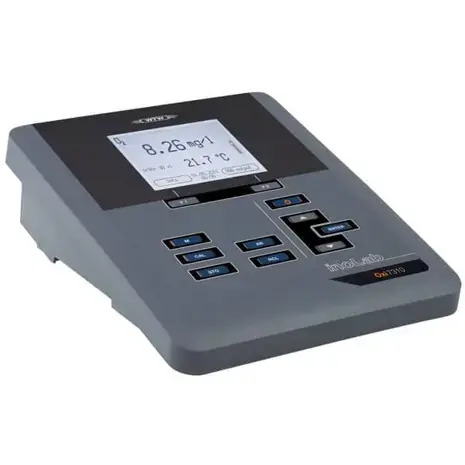 Multiparameter Water Quality Meters
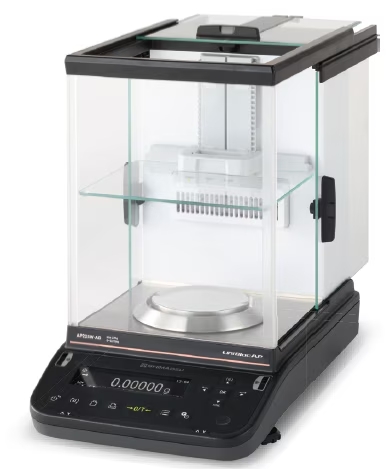 Balances
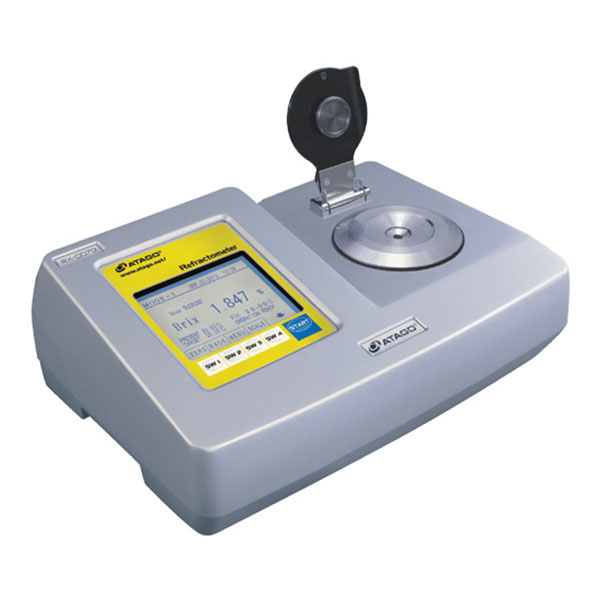 Polarimeters, Refractometers
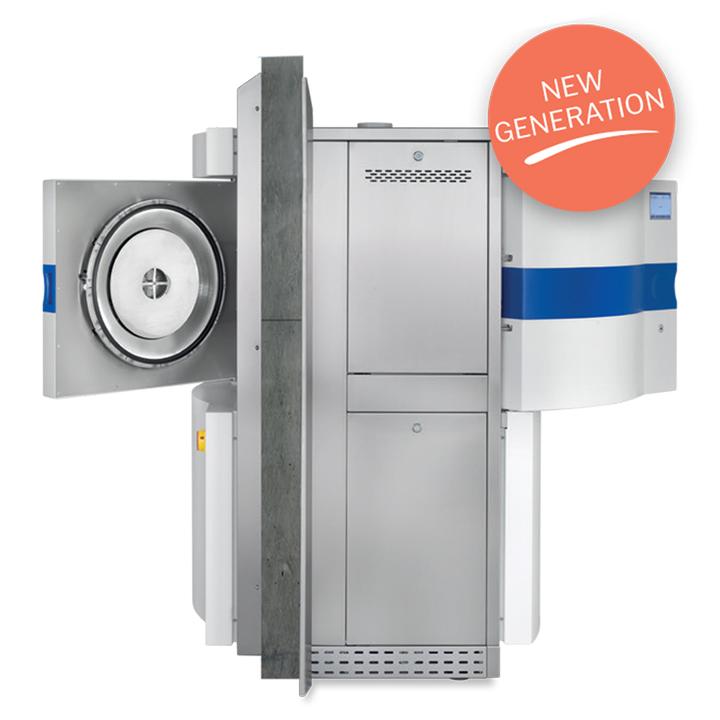 Autoclaves
 Biotechnology Equipment and Solutions
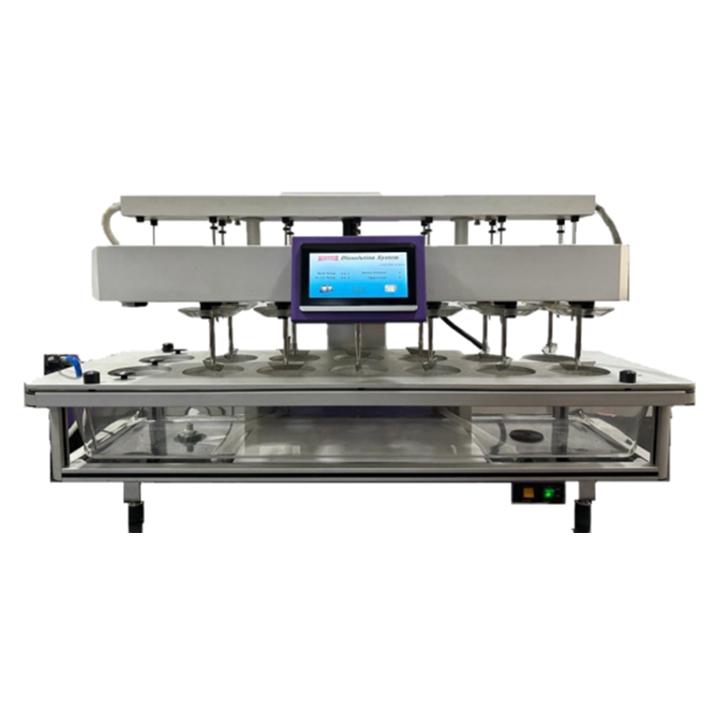 Pharmaceutical Equipment
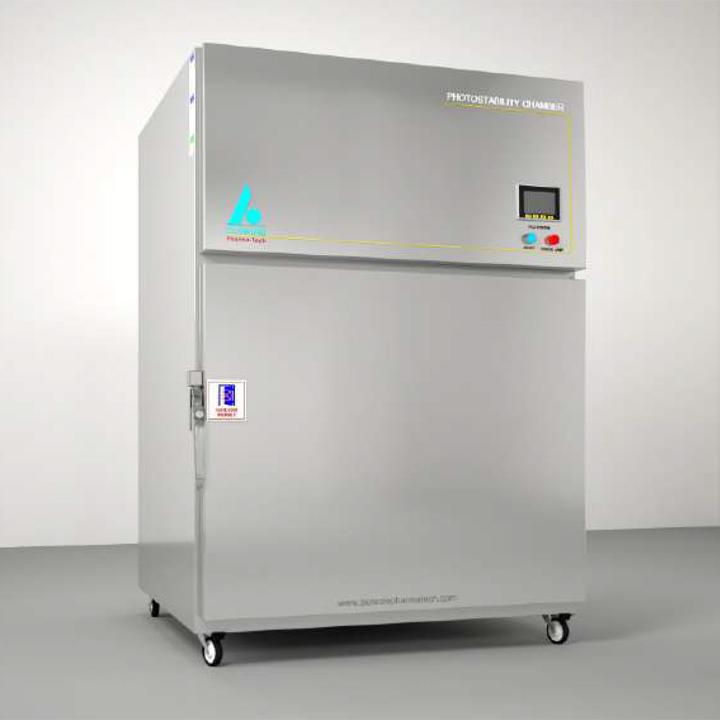 Shelf-life Testing Equipment
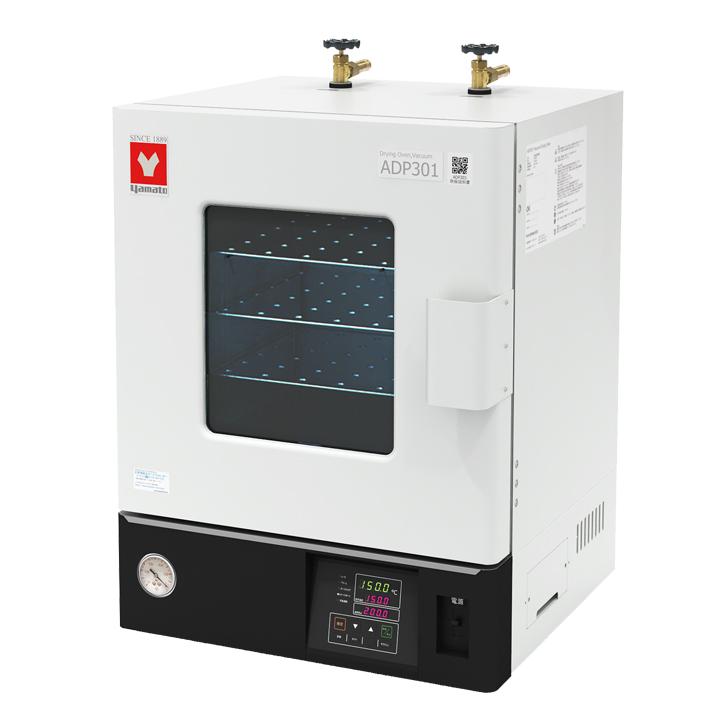 Drying Ovens
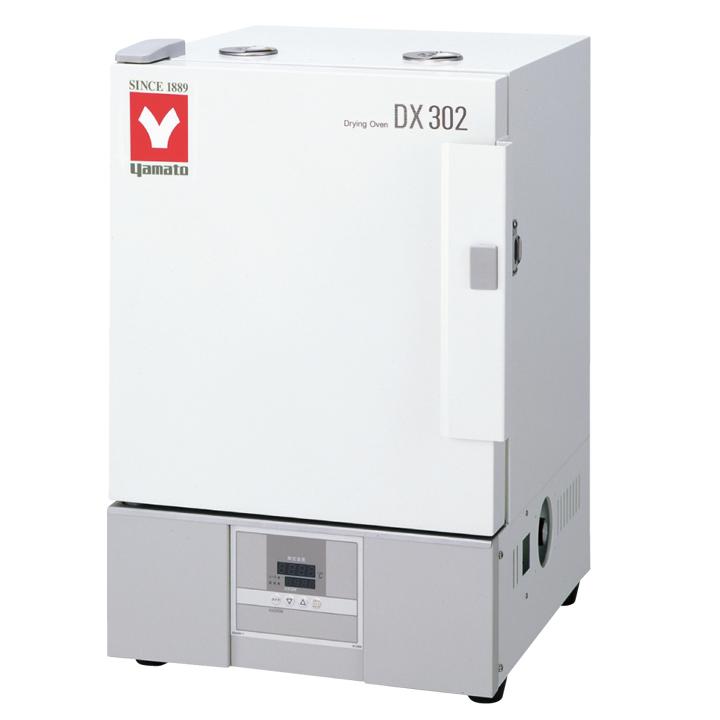 Incubators
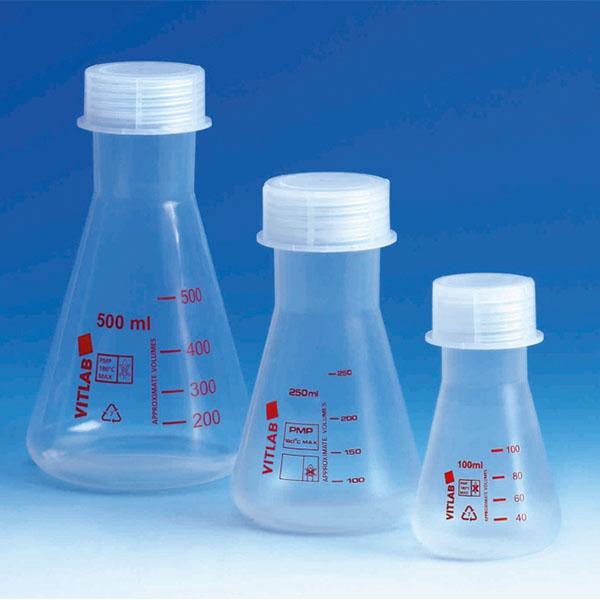 Laboratory Flasks
 Beakers, Measuring Jugs
 Liquid Handling Tools
 Sampling Tools
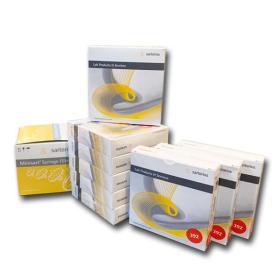 Filtration Tools and Consumables
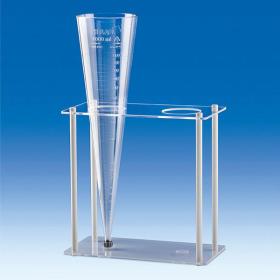 Racks and Stands
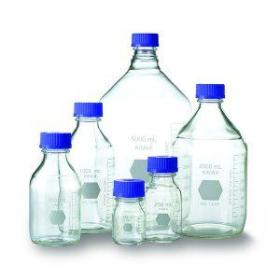 Laboratory Bottles and Vials
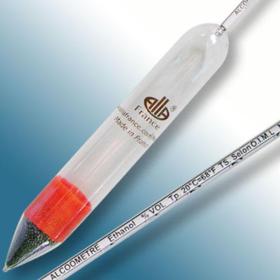 Thermometers, Hydrometers, Baumé Hydrometers, Alcoholmeters
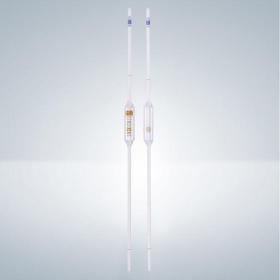 Pipettes
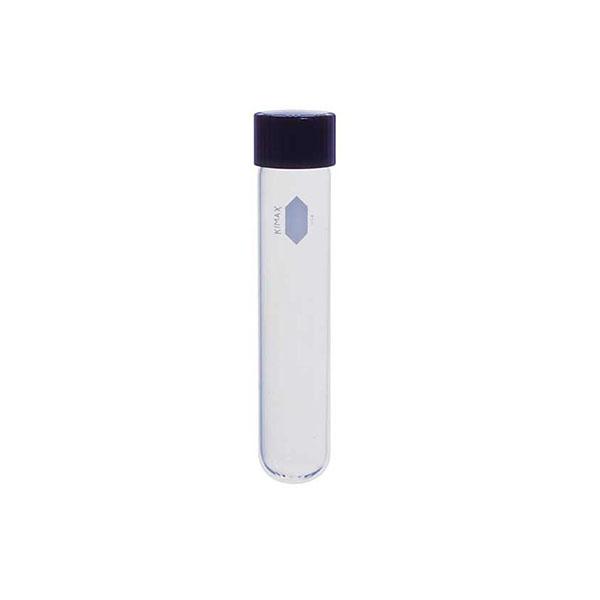 Test tubes
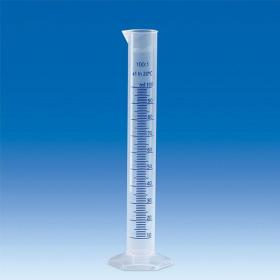 Graduated cylinders
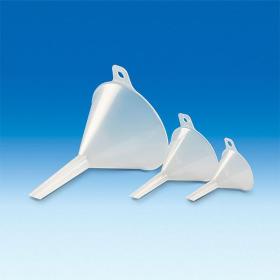 Funnels
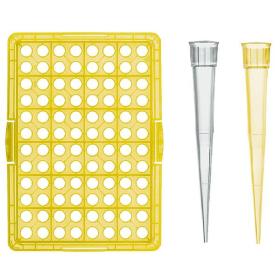 Tips & tip boxes
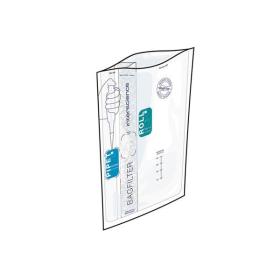 Homogenizer bags
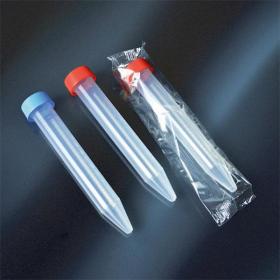 Centrifuge tubes
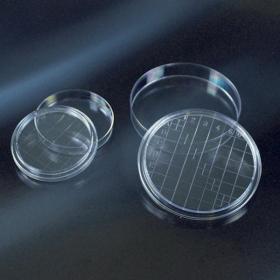 Petri dishes
 Others
- Glass capillary tubes
- Glass melting point tubes
- Condensers
- Plastic weighing boats
- Glass stirring rods
- Filtration and separation equipment
- Alcohol burners
- Glass weighing bottles
- Crucibles
- Crucible tongs
- Blender bag openers
- BagClip sealing clips
- Autoclave deodorant capsules
- Magnetic stir bars
- Test tube brushes
- Glass watch glasses
- Glass beads
- Glass wool
- Glass slides
- Plastic buckets
- Stainless steel bucket
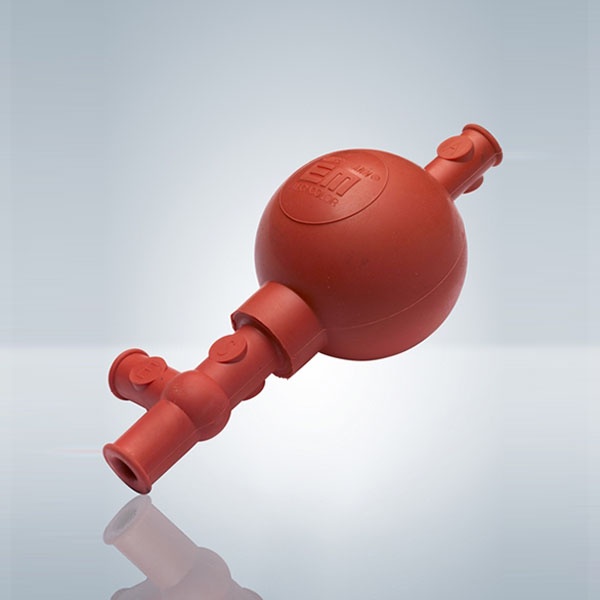
- Rubber bulb
- Inoculation loop
- Sampling rod
- Plastic spoon
- Stainless steel spoon
- Plastic tweezers
- Glass burette
- Glass slide
- Glass filter crucible
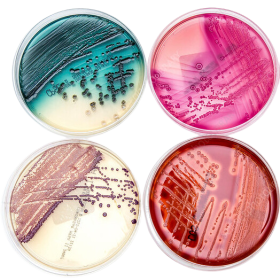
Plastic petri dishes
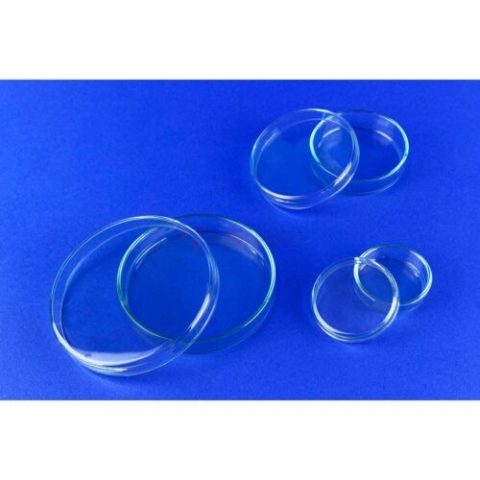
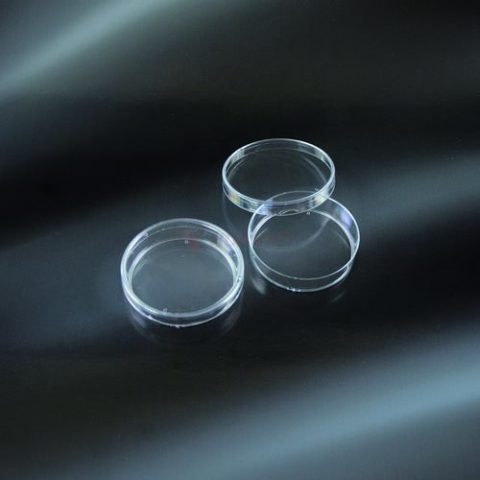
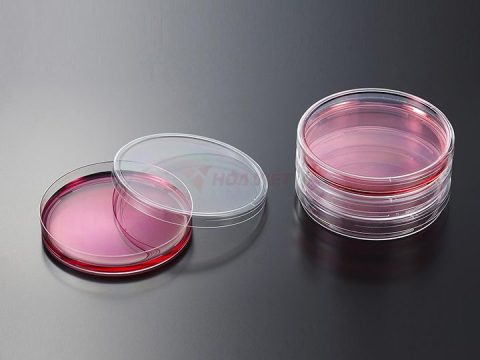
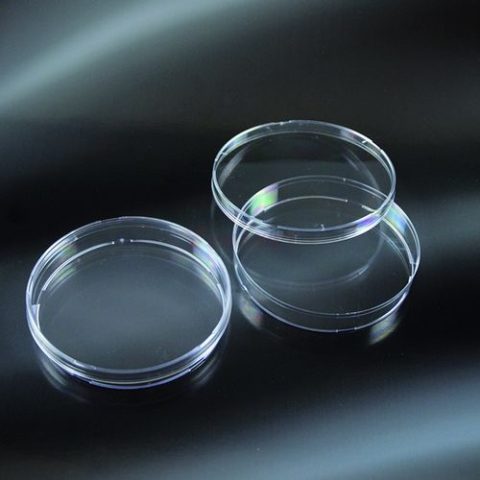
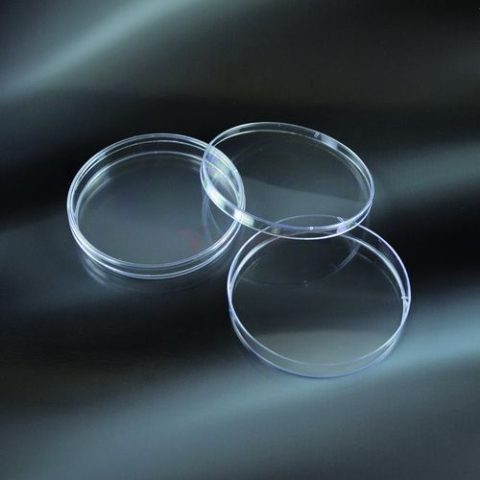
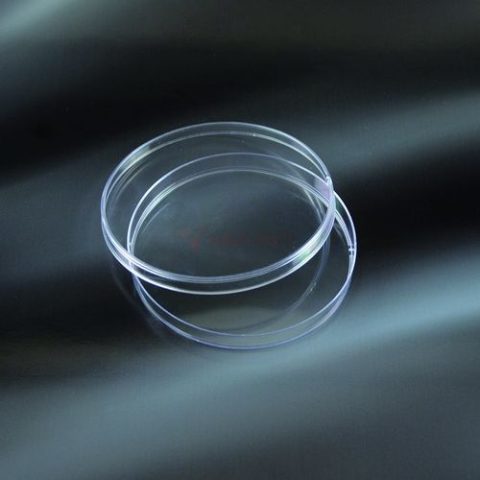
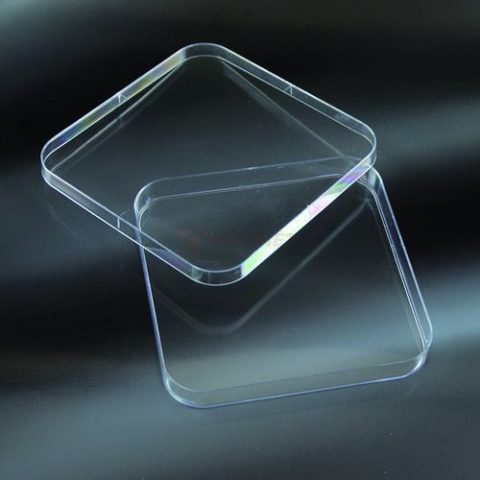
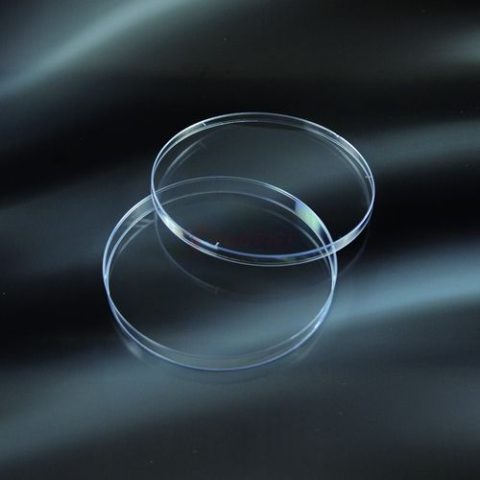
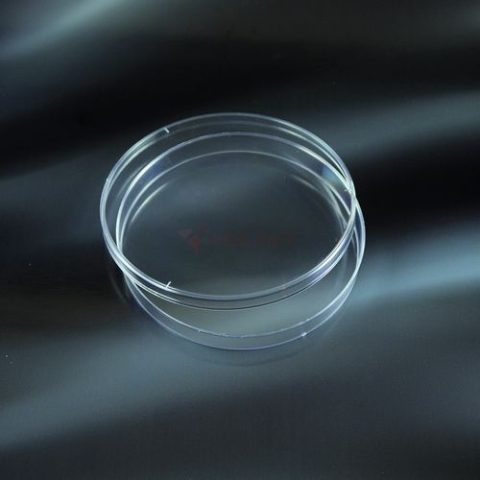
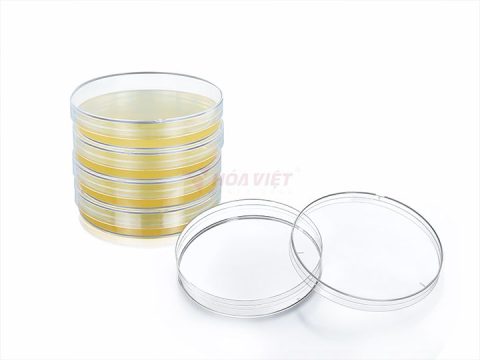
Introduction to Plastic Petri Dishes
Plastic Petri dishes are shallow, lidded laboratory dishes widely used for microorganism cultivation, colony isolation, and sample observation. As single-use disposables, they minimize the risk of cross-contamination between analytical batches and eliminate tedious washing and drying steps.
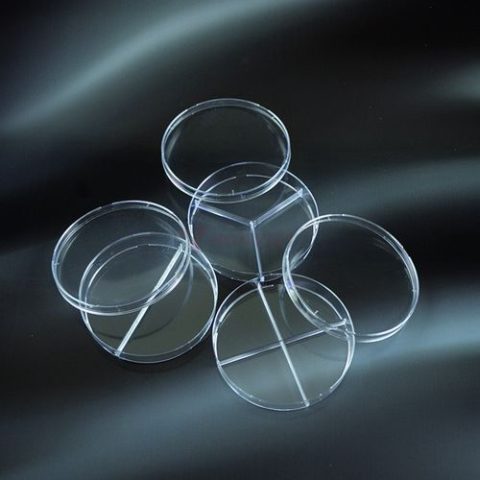
When choosing plastic Petri dishes, users should consider criteria such as sterility status, thickness, vented (3 vents) or non-vented designs, and standard or 2-compartment formats. Available standard sizes include diameters of 90mm, 140mm, or square 120x120mm. Hoa Viet currently distributes plastic Petri dishes from manufacturers Aptaca (Italy) and Jet Biofil (China), meeting the demands of microbiology testing and cleanroom applications.
How do plastic Petri dishes with 3 vents differ from non-vented dishes?
Vents on the lid provide small gaps that support gas exchange for aerobic microorganisms and help reduce condensation inside the dish. Non-vented dishes are typically preferred when media evaporation needs to be minimized or during anaerobic cultivation procedures.
Which sterility standards do Jet Biofil sterile plastic Petri dishes meet?
Jet Biofil sterile plastic Petri dishes are treated by irradiation to achieve a sterility assurance level (SAL) of 10⁻⁶. The products are certified DNase-free, RNase-free, and non-pyrogenic.
When should 2-compartment or square 120x120mm plastic Petri dishes be used?
Two-compartment Petri dishes allow pouring two different agar media into a single dish for parallel observation and incubator space saving. Meanwhile, square dishes 120x120mm provide a large culture surface, suitable for high-density spread plating or quantitative spot inoculation.
Which brands of plastic Petri dishes does Hoa Viet currently supply?
Hoa Viet distributes plastic Petri dishes from Aptaca (Italy) and Jet Biofil (China). Please contact Hoa Viet directly for technical advice and to request a quote for specific specifications.
