



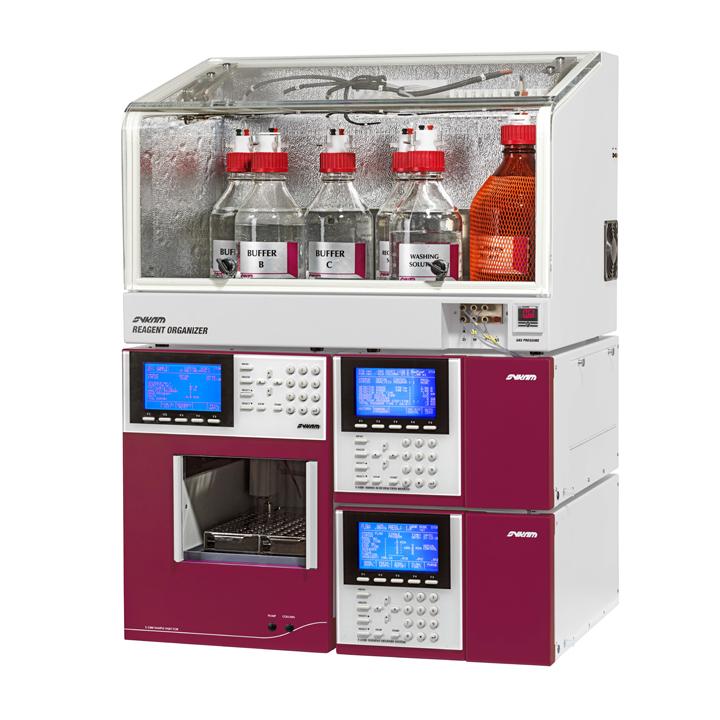
 Analytical Equipment
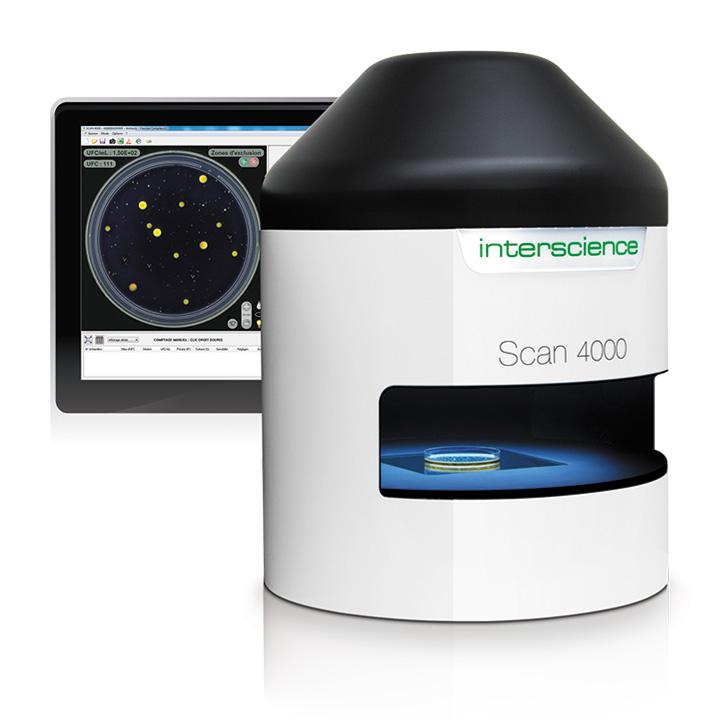 Microbiology Equipment
- Gravimetric Diluters and Sample Weighing Systems
- Mediaprep Automated Media Preparators
- Mediafill Automated Media Distributors
- Manual Media Dispensers
- Lab Blenders / Homogenizers
- Automated Spiral Platers
- Manual Colony Counters
- Automated Colony Counters
- Inhibition Zone Readers
- Automated Incubators and Colony Counters
- Biosafety Cabinets
- Laminar Flow Hoods
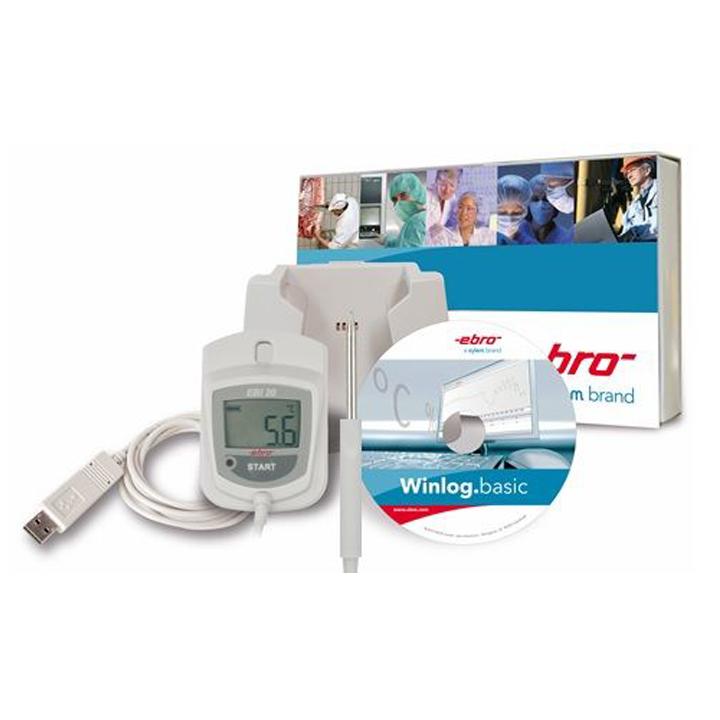 Temperature, Humidity, and Pressure Measuring Instruments
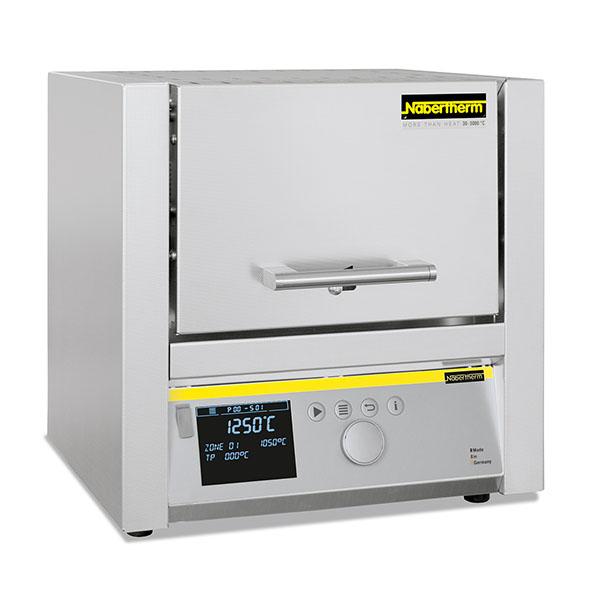 Other Basic Equipment
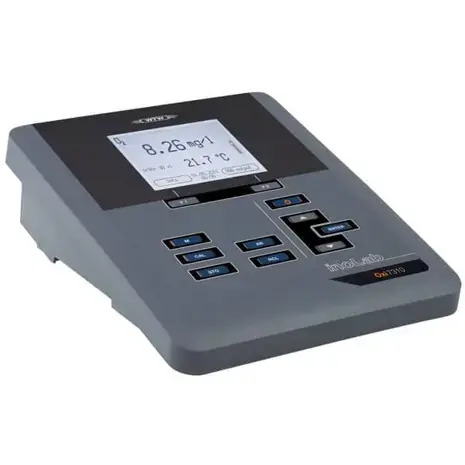 Multiparameter Water Quality Meters
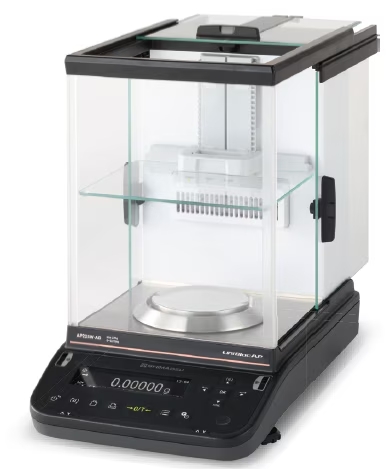 Balances
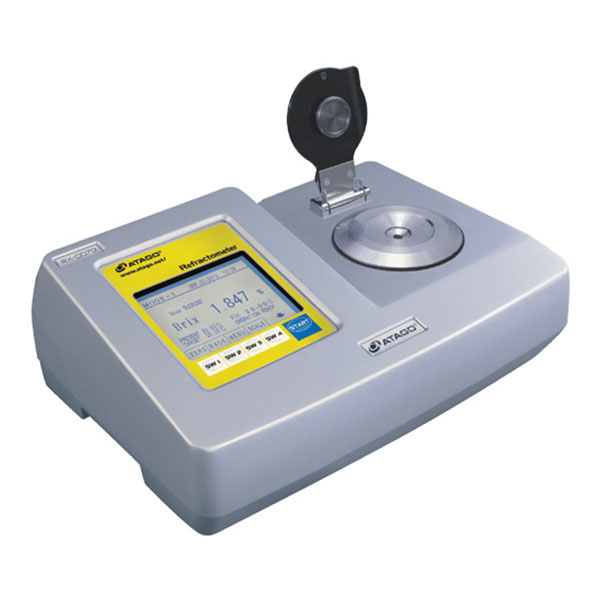 Polarimeters, Refractometers
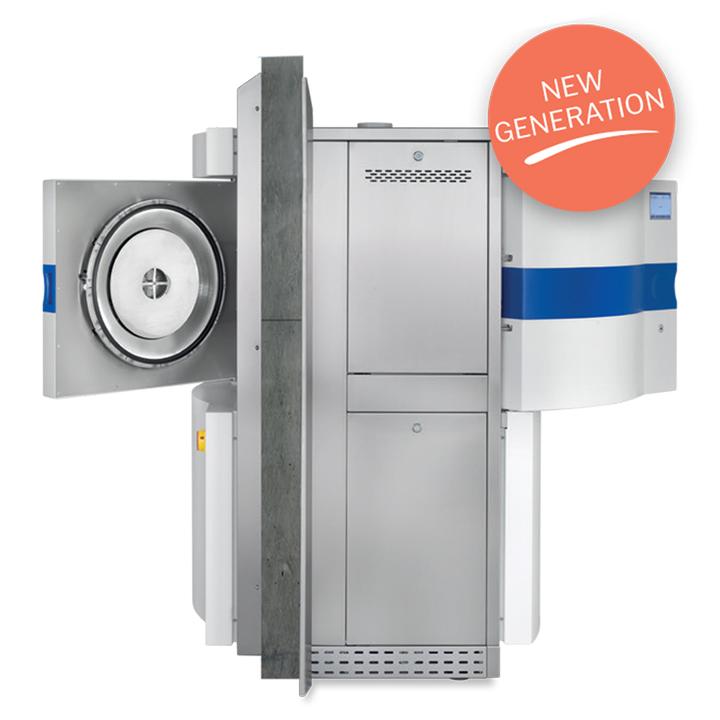 Autoclaves
 Biotechnology Equipment and Solutions
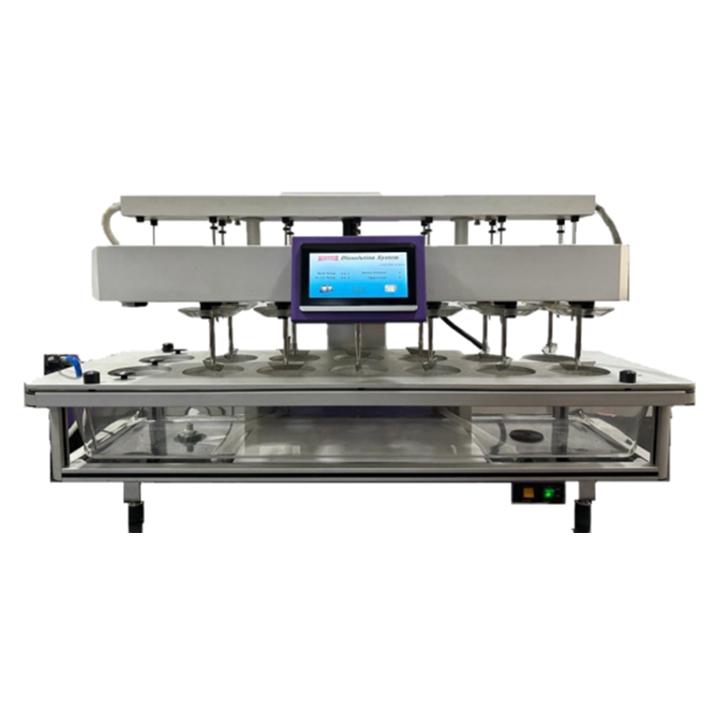 Pharmaceutical Equipment
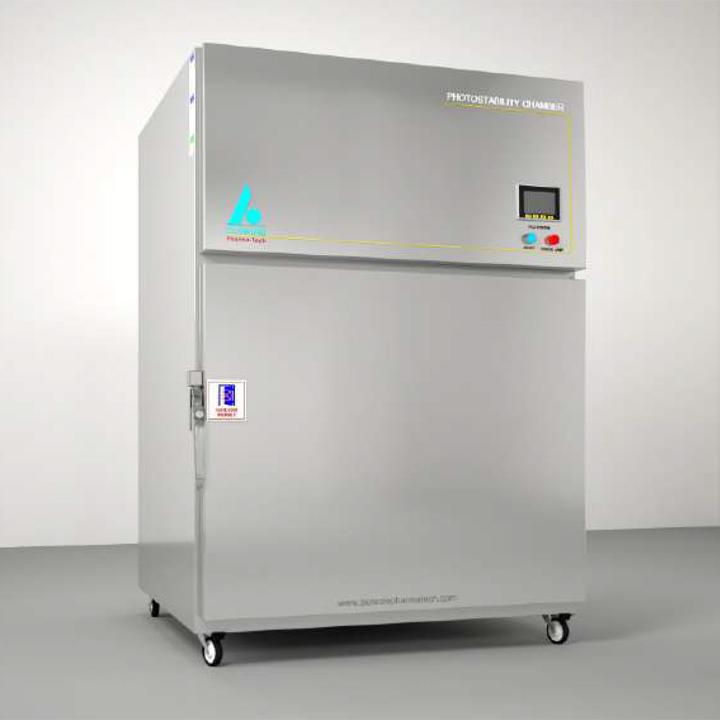 Shelf-life Testing Equipment
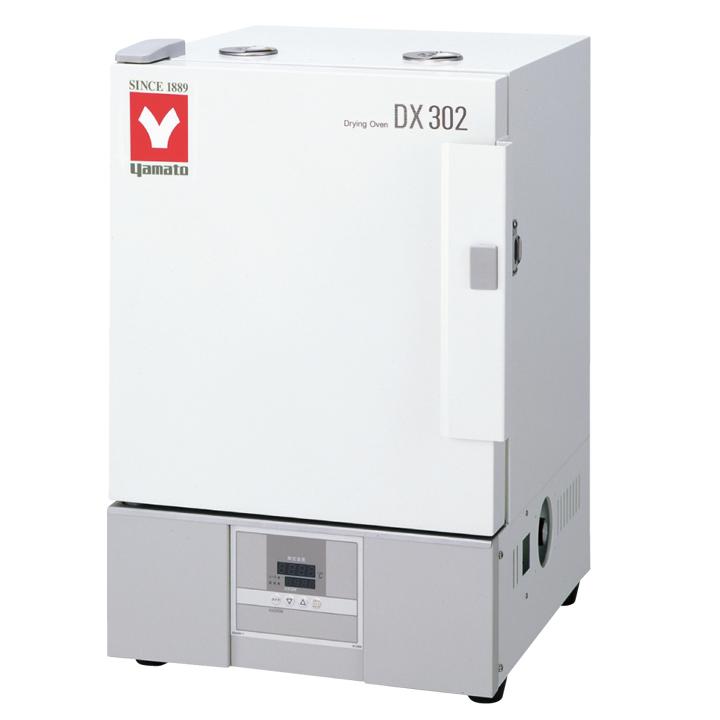
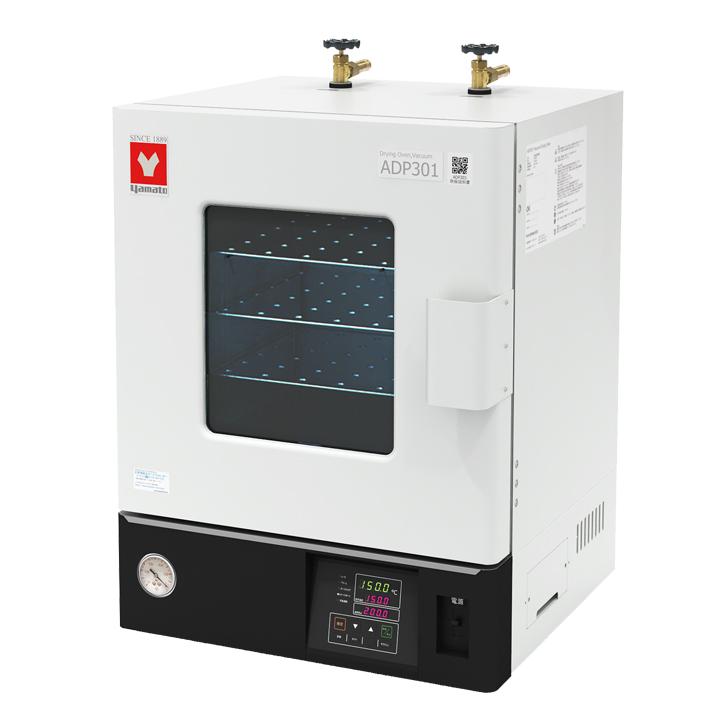 Drying Ovens
 Incubators
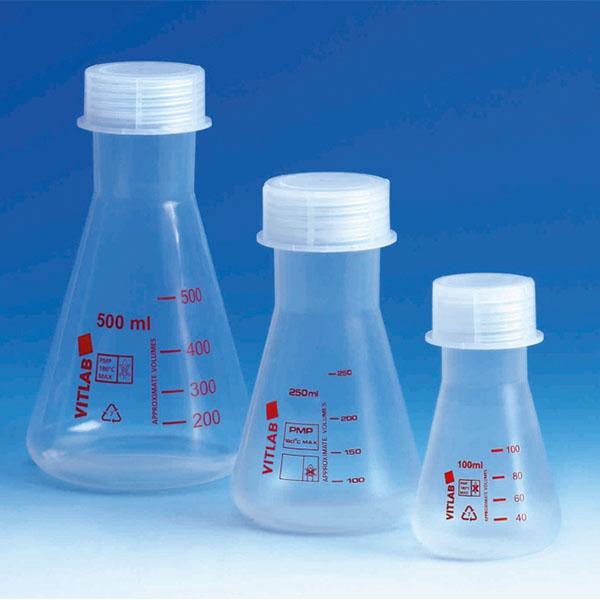 Laboratory Flasks
 Beakers, Measuring Jugs
 Liquid Handling Tools
 Sampling Tools
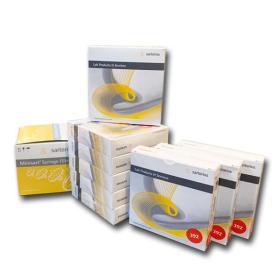 Filtration Tools and Consumables
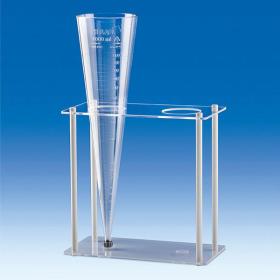 Racks and Stands
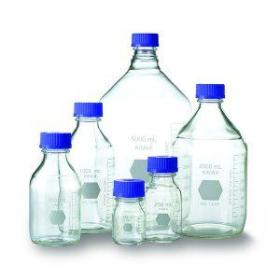 Laboratory Bottles and Vials
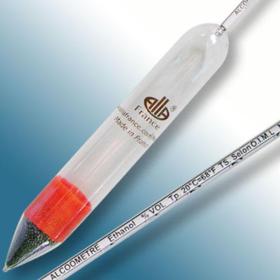 Thermometers, Hydrometers, Baumé Hydrometers, Alcoholmeters
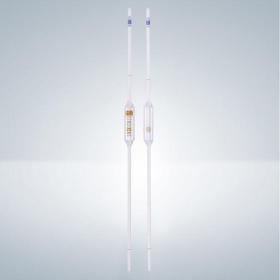 Pipettes
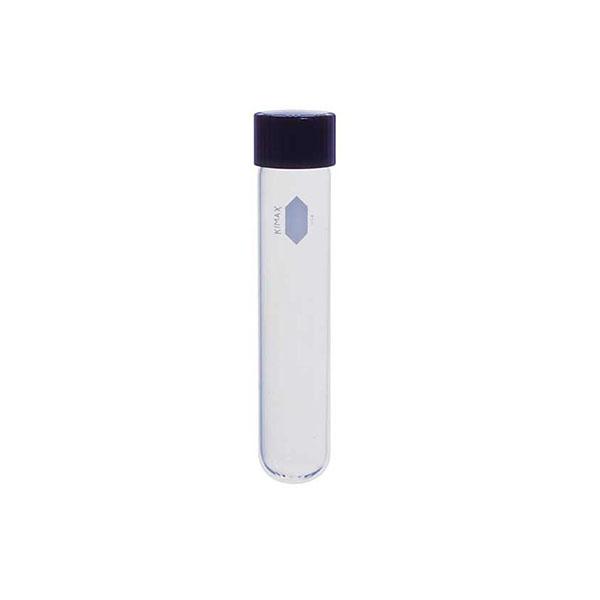 Test tubes
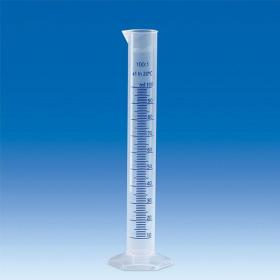 Graduated cylinders
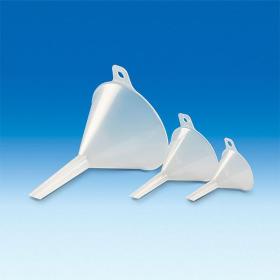 Funnels
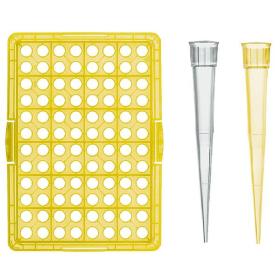 Tips & tip boxes
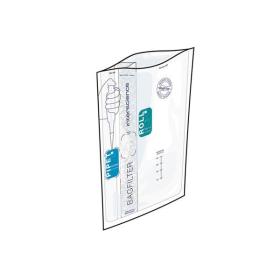 Homogenizer bags
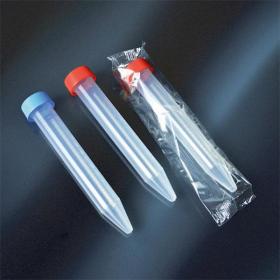 Centrifuge tubes
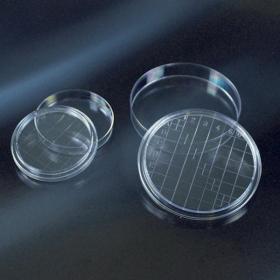 Petri dishes
 Others
- Glass capillary tubes
- Glass melting point tubes
- Condensers
- Plastic weighing boats
- Glass stirring rods
- Filtration and separation equipment
- Alcohol burners
- Glass weighing bottles
- Crucibles
- Crucible tongs
- Blender bag openers
- BagClip sealing clips
- Autoclave deodorant capsules
- Magnetic stir bars
- Test tube brushes
- Glass watch glasses
- Glass beads
- Glass wool
- Glass slides
- Plastic buckets
- Stainless steel bucket
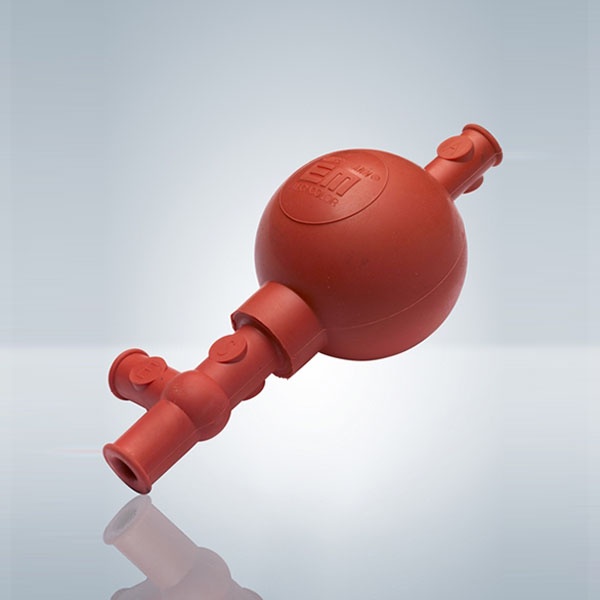
- Rubber bulb
- Inoculation loop
- Sampling rod
- Plastic spoon
- Stainless steel spoon
- Plastic tweezers
- Glass burette
- Glass slide
- Glass filter crucible
Syringe filters
Introduction to Syringe filters
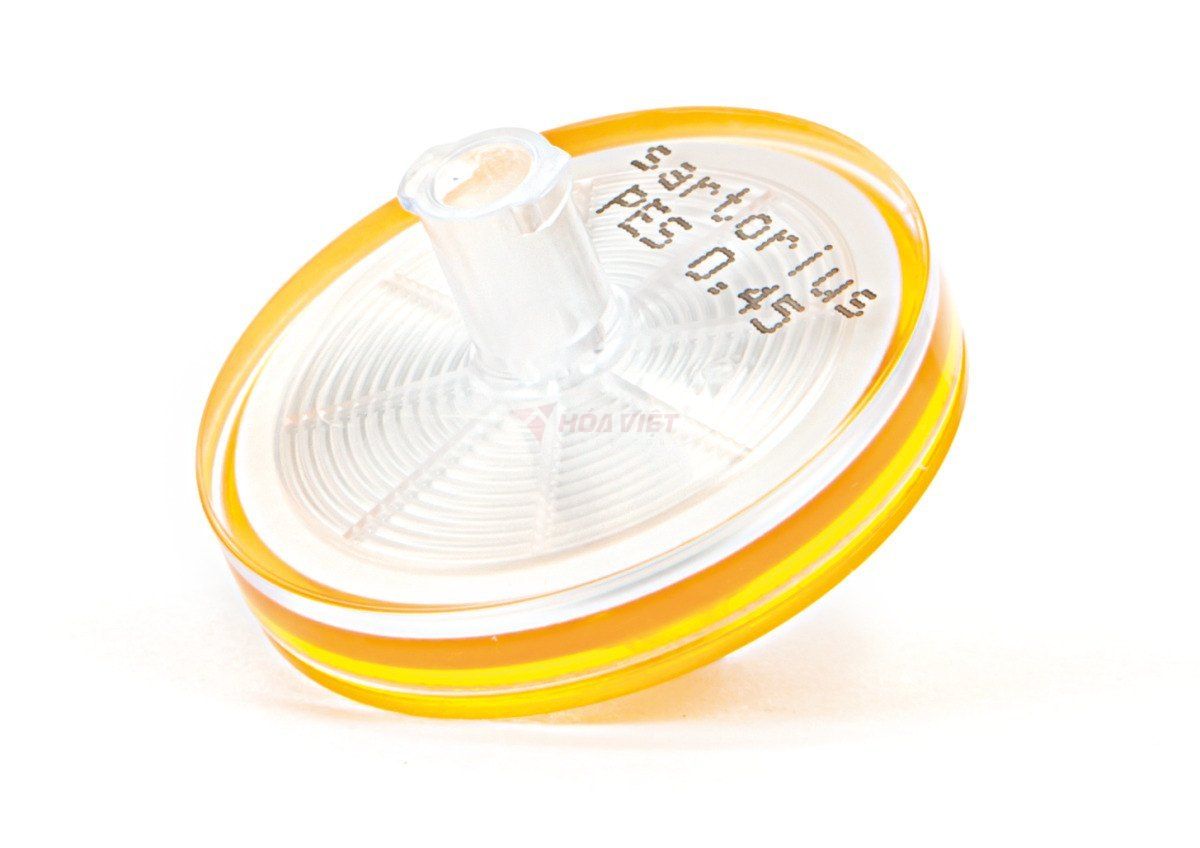
Syringe filters are filtration devices attached to the tip of a syringe, used to remove particulate matter, impurities, or microorganisms to clarify samples prior to analysis or testing. This accessory plays a vital role in protecting chromatography columns and sample fluidics, ensuring the reliability of test results.
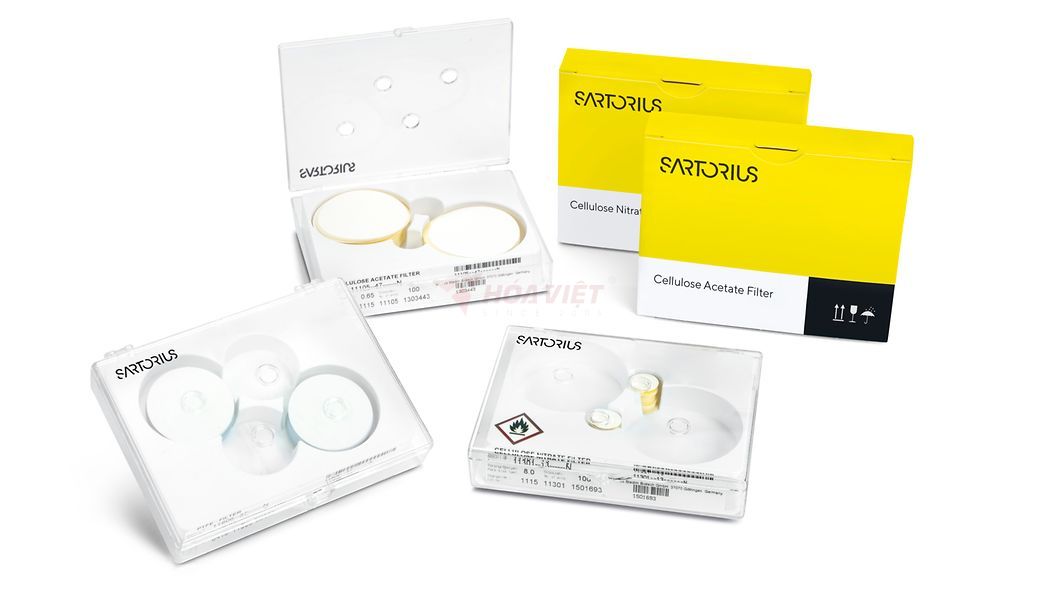
When choosing syringe filters, users need to determine the chemical compatibility of the membrane material—such as Nylon, PTFE (hydrophilic or hydrophobic), PES, CA, MCE, RC, PVDF, GF, or PP—with the specific sample solution. In addition, selecting the filter diameter (13mm, 15mm, 25mm, or 28mm) and pore size (0.2µm, 0.20µm, 0.22µm, 0.45µm, or 0.7µm) depends on sample volume and whether sterile or non-sterile conditions are required. Hoa Viet currently distributes syringe filters from Sartorius (Germany) and Newstar (China) in packaging sizes of 50, 100, or 500 pcs/box.
How to choose the correct membrane type for a syringe filter?
Users must verify chemical compatibility between the sample solvent and the membrane material, such as Nylon, PTFE, PES, CA, MCE, RC, PVDF, GF, or PP. Selecting the right membrane prevents membrane dissolution or unwanted analyte adsorption.
Should sterile or non-sterile syringe filters be used?
Sterile syringe filters are suitable for biological, microbiological, and cell culture applications to prevent contamination from the external environment. Non-sterile syringe filters are commonly used for clarification and particle removal in standard physicochemical sample analysis.
Which manufacturers does Hoa Viet currently supply syringe filters from?
Hoa Viet currently supplies syringe filters from Sartorius (Germany) and Newstar (China). Customers can Contact us for technical consultation and price quotes.
