




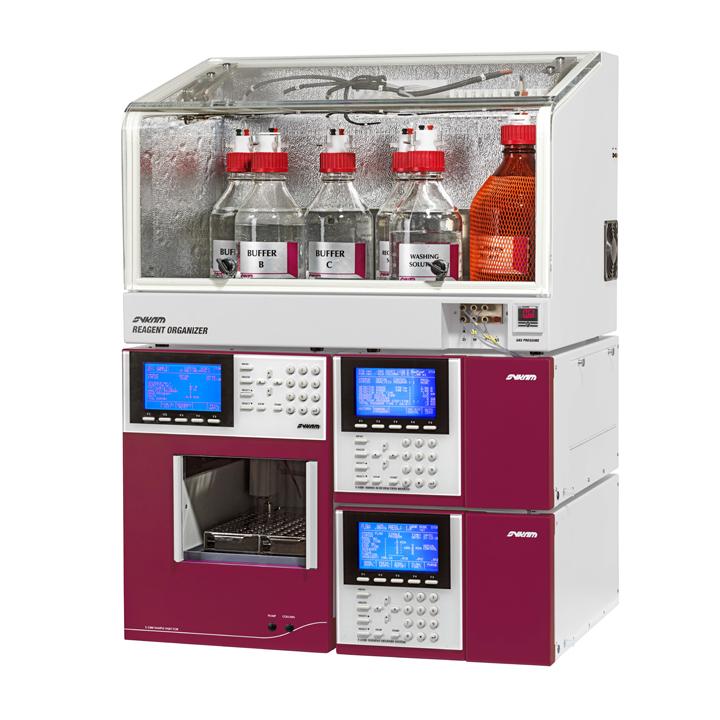
 Analytical Equipment
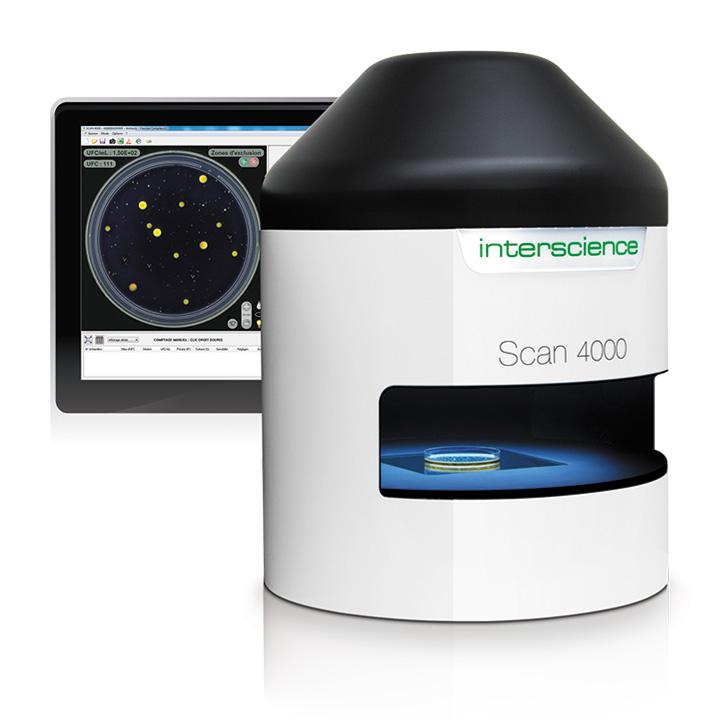 Microbiology Equipment
- Gravimetric Diluters and Sample Weighing Systems
- Mediaprep Automated Media Preparators
- Mediafill Automated Media Distributors
- Manual Media Dispensers
- Lab Blenders / Homogenizers
- Automated Spiral Platers
- Manual Colony Counters
- Automated Colony Counters
- Inhibition Zone Readers
- Automated Incubators and Colony Counters
- Biosafety Cabinets
- Laminar Flow Hoods
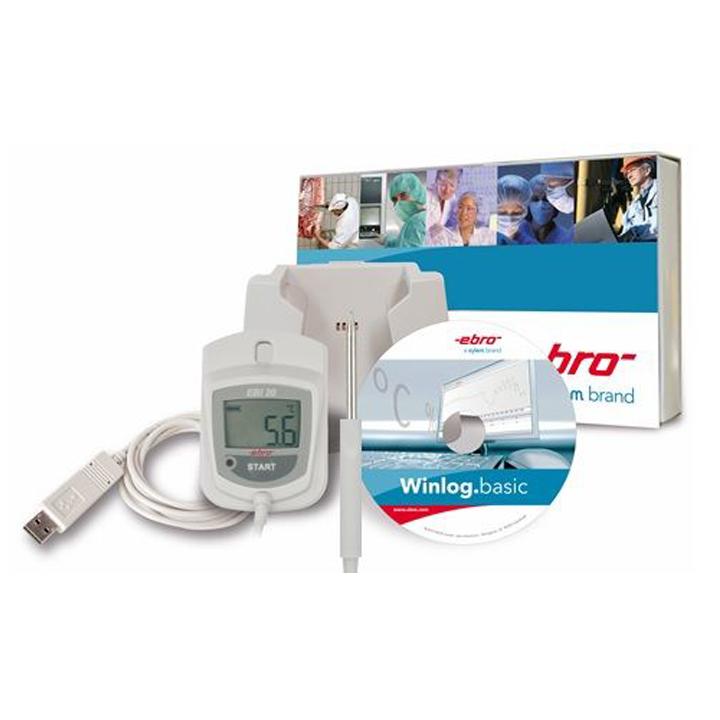 Temperature, Humidity, and Pressure Measuring Instruments
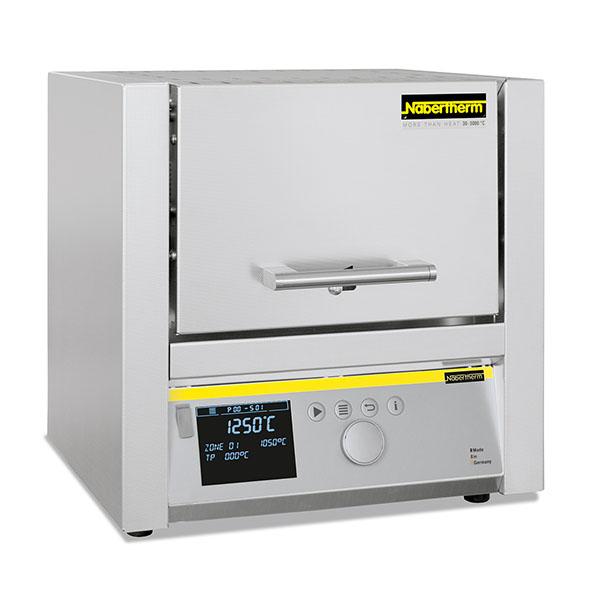 Other Basic Equipment
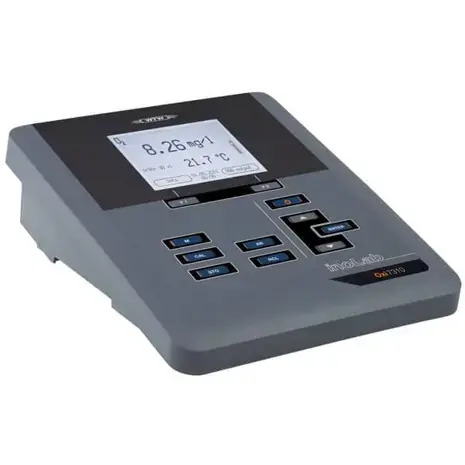 Multiparameter Water Quality Meters
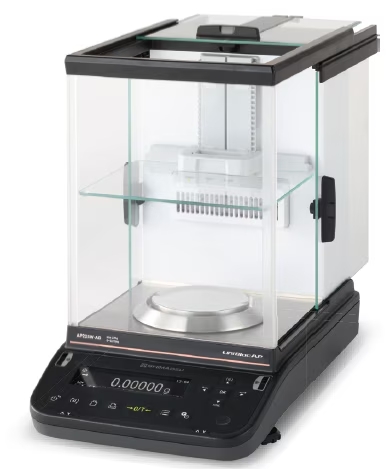 Balances
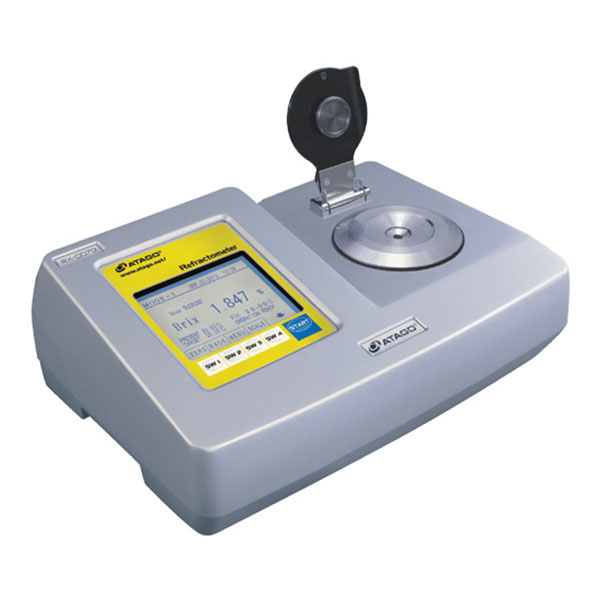 Polarimeters, Refractometers
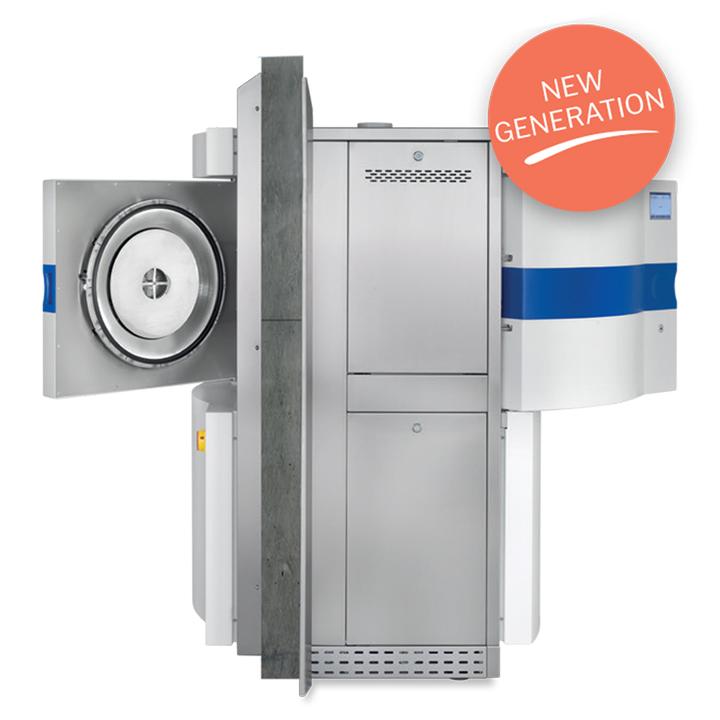 Autoclaves
 Biotechnology Equipment and Solutions
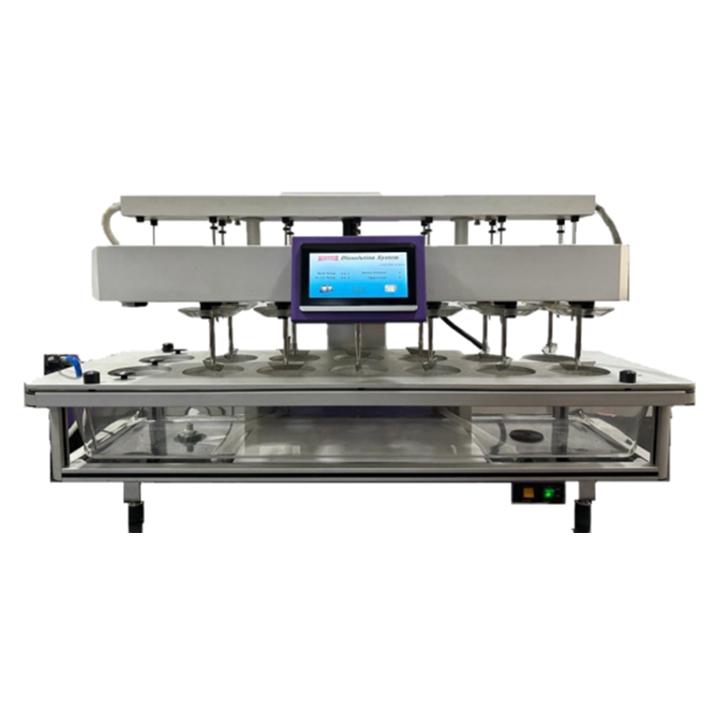 Pharmaceutical Equipment
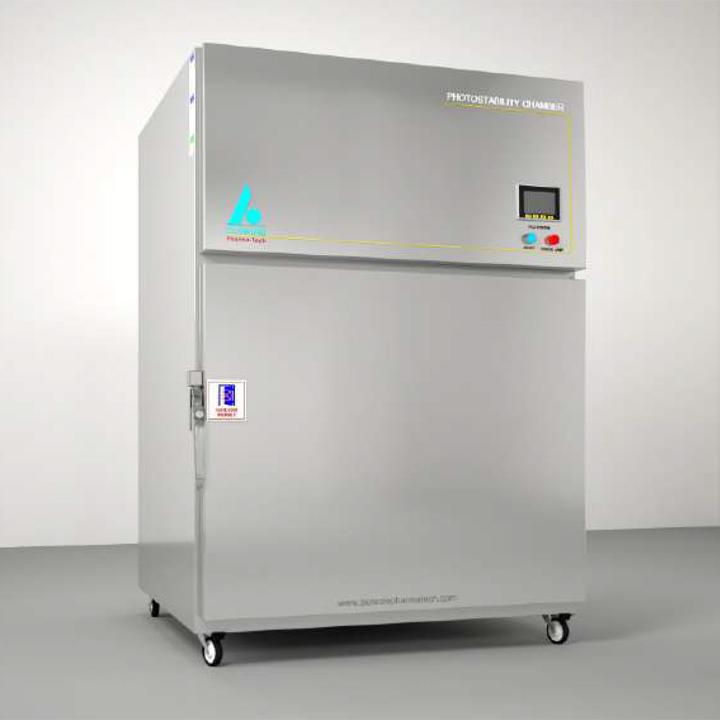 Shelf-life Testing Equipment
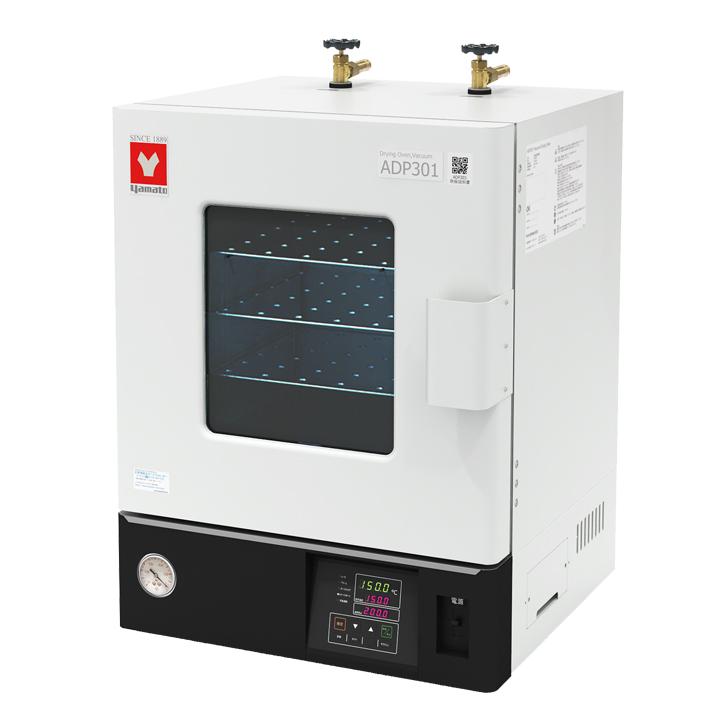 Drying Ovens
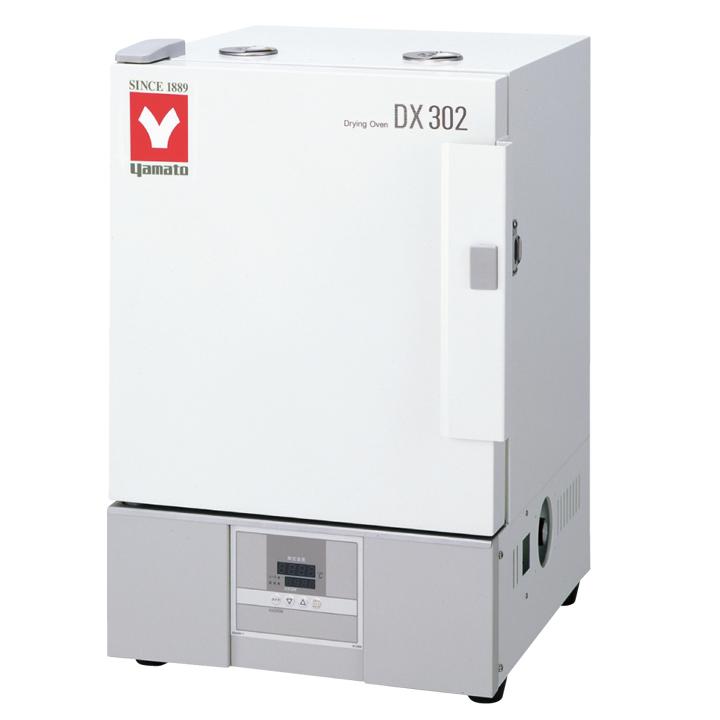 Incubators
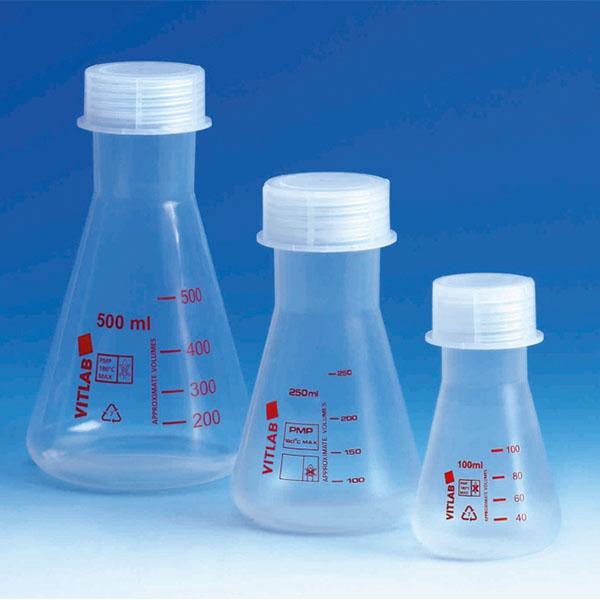 Laboratory Flasks
 Beakers, Measuring Jugs
 Liquid Handling Tools
 Sampling Tools
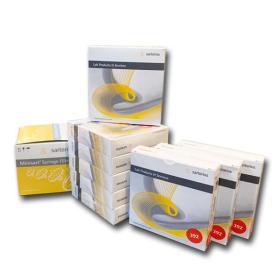 Filtration Tools and Consumables
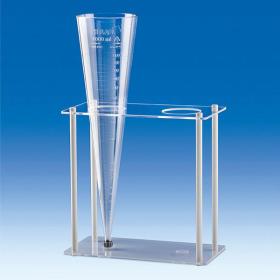 Racks and Stands
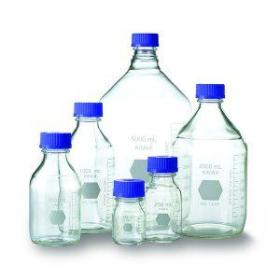 Laboratory Bottles and Vials
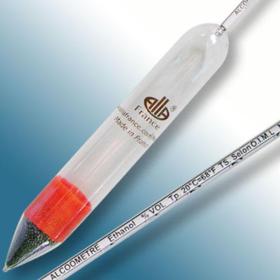 Thermometers, Hydrometers, Baumé Hydrometers, Alcoholmeters
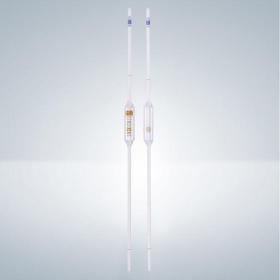 Pipettes
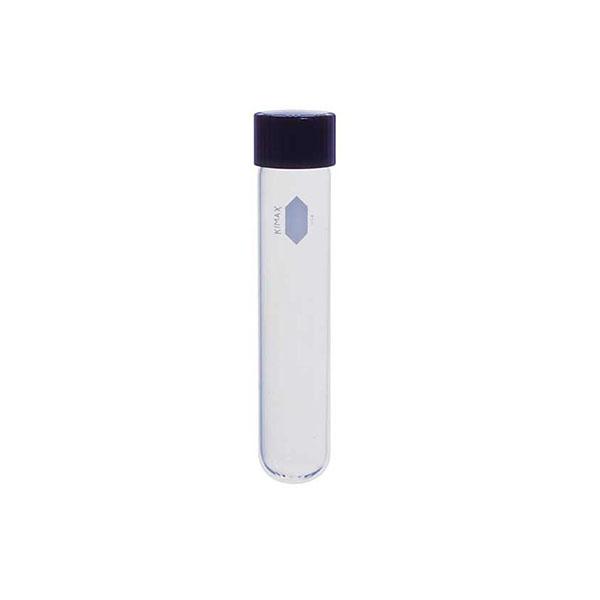 Test tubes
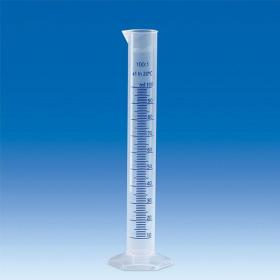 Graduated cylinders
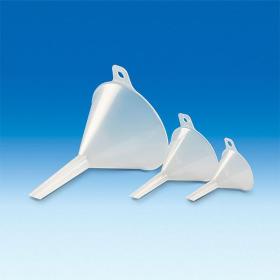 Funnels
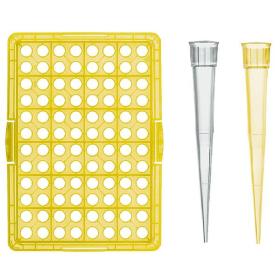 Tips & tip boxes
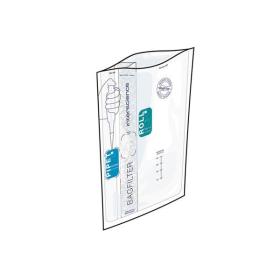 Homogenizer bags
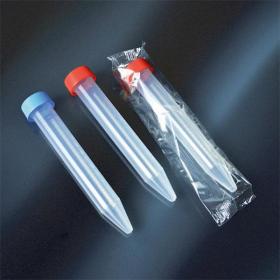 Centrifuge tubes
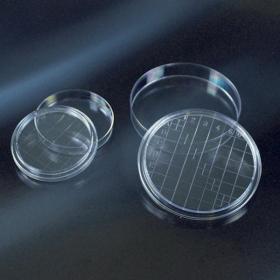 Petri dishes
 Others
- Glass capillary tubes
- Glass melting point tubes
- Condensers
- Plastic weighing boats
- Glass stirring rods
- Filtration and separation equipment
- Alcohol burners
- Glass weighing bottles
- Crucibles
- Crucible tongs
- Blender bag openers
- BagClip sealing clips
- Autoclave deodorant capsules
- Magnetic stir bars
- Test tube brushes
- Glass watch glasses
- Glass beads
- Glass wool
- Glass slides
- Plastic buckets
- Stainless steel bucket
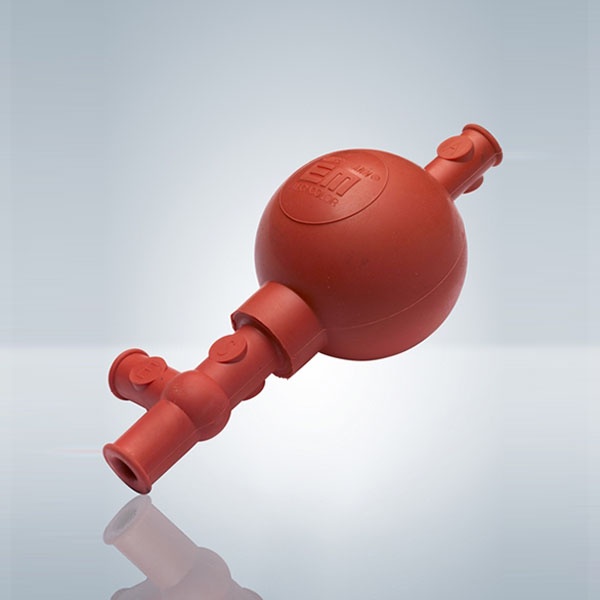
- Rubber bulb
- Inoculation loop
- Sampling rod
- Plastic spoon
- Stainless steel spoon
- Plastic tweezers
- Glass burette
- Glass slide
- Glass filter crucible

Tip box
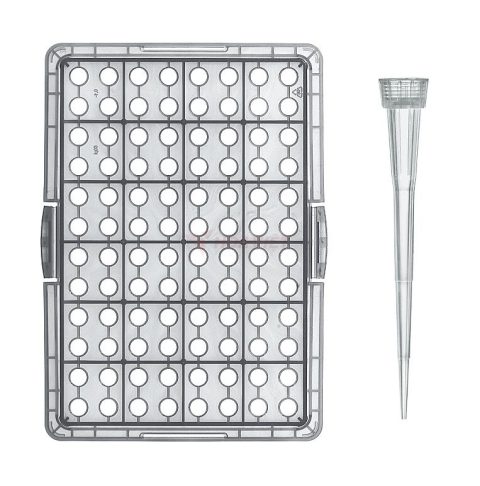
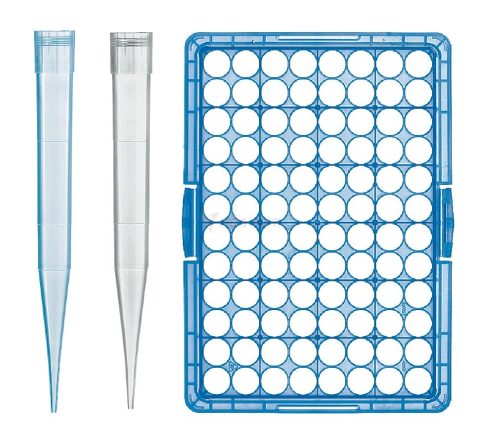
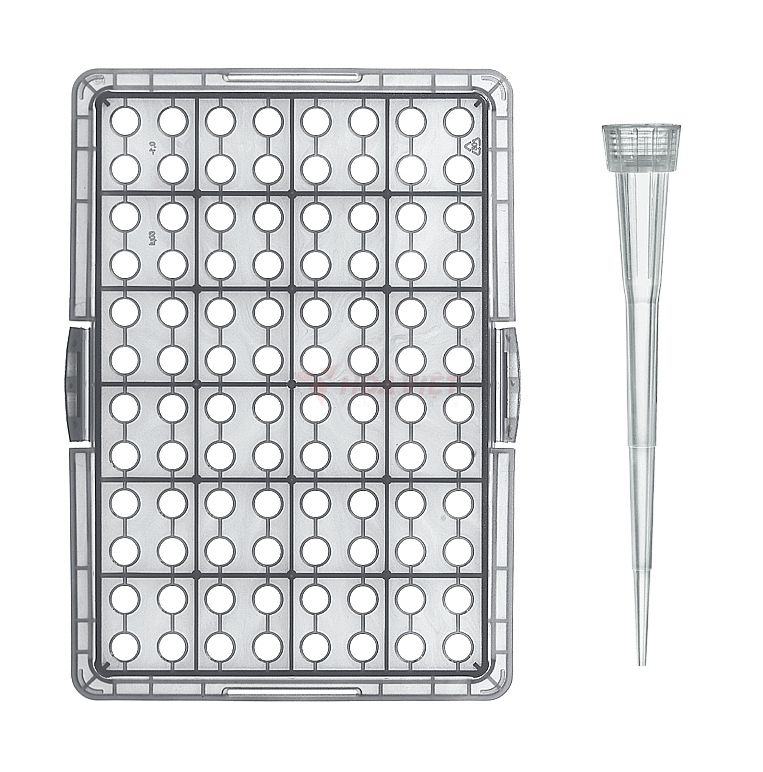
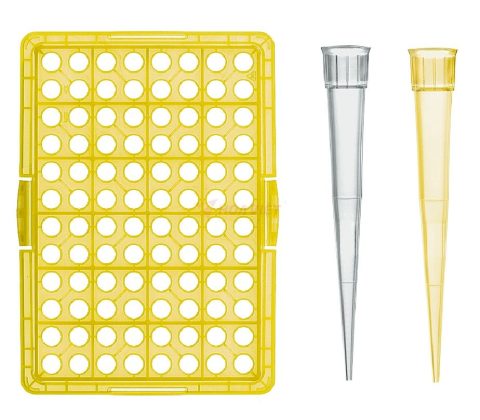
Introduction to Tip Boxes
A tip box is a specialized labware accessory used to store, organize pipette tips in rows, and facilitate quick tip attachment during pipetting procedures. This accessory helps users minimize direct hand contact with tips, preventing cross-contamination risks and protecting supplies from laboratory dust and contaminants.
When selecting tip boxes, users need to determine the appropriate volume for the micropipette in use, including ranges from 0.1-10ul, 0.5-20ul, 2-200ul, 20-300ul to 50-1000ul, 1000-5000ul, or 2000-10000ul. Depending on analytical requirements, laboratories can choose pre-loaded sterile or non-sterile racks, graduated tips, and low-retention tips packaged 25, 50, or 96 pieces per box. The 180-degree swivel lid design also allows flexible opening and closing during operation. Currently, Hoa Viet supplies tip boxes from Aptaca (Italy), Vitlab (Germany), and Jet Biofil (China).
Which brands of tip boxes does Hoa Viet supply?
Hoa Viet distributes tip boxes from Aptaca (Italy), Vitlab (Germany), and Jet Biofil (China). Customers can contact us directly for advice on selecting the right box for their application needs.
What volume ranges and packaging options are available for tip boxes?
The products are available in common volume ranges from 0.1-10ul, 0.5-20ul, 2-200ul, 20-300ul, 50-1000ul to 1000-5000ul and 2000-10000ul. Packaging typically comes in 96 tips/box for micropipette tips, or 25 and 50 tips/box for large-volume sizes.
When should sterile tip boxes be chosen instead of standard non-sterile ones?
Sterile tip boxes are suitable for molecular biology, microbiology, or cell culture experiments to ensure samples remain contamination-free. For routine chemical and solvent dispensing applications, non-sterile tip boxes can be used to optimize costs.
What is the purpose of the 180-degree rotating lid design on Vitlab tip boxes?
This design allows the box lid to rotate flexibly by 180 degrees for use as a flip-top lid or detached like a snap-on lid. This mechanism enables technicians to operate easily with one hand and securely close the box to minimize contamination after use.
